In the maritime industry, ensuring the safety and efficiency of oil and gas ships is paramount. A critical component that plays a significant role in this is the nitrogen generator. This technology is essential for maintaining the integrity of oil and gas transport by reducing the risk of combustion and protecting cargo. In this article, we will delve into the importance of nitrogen generators for oil and gas ships, explore how they work, and highlight their benefits.
Understanding Marine Gas Systems
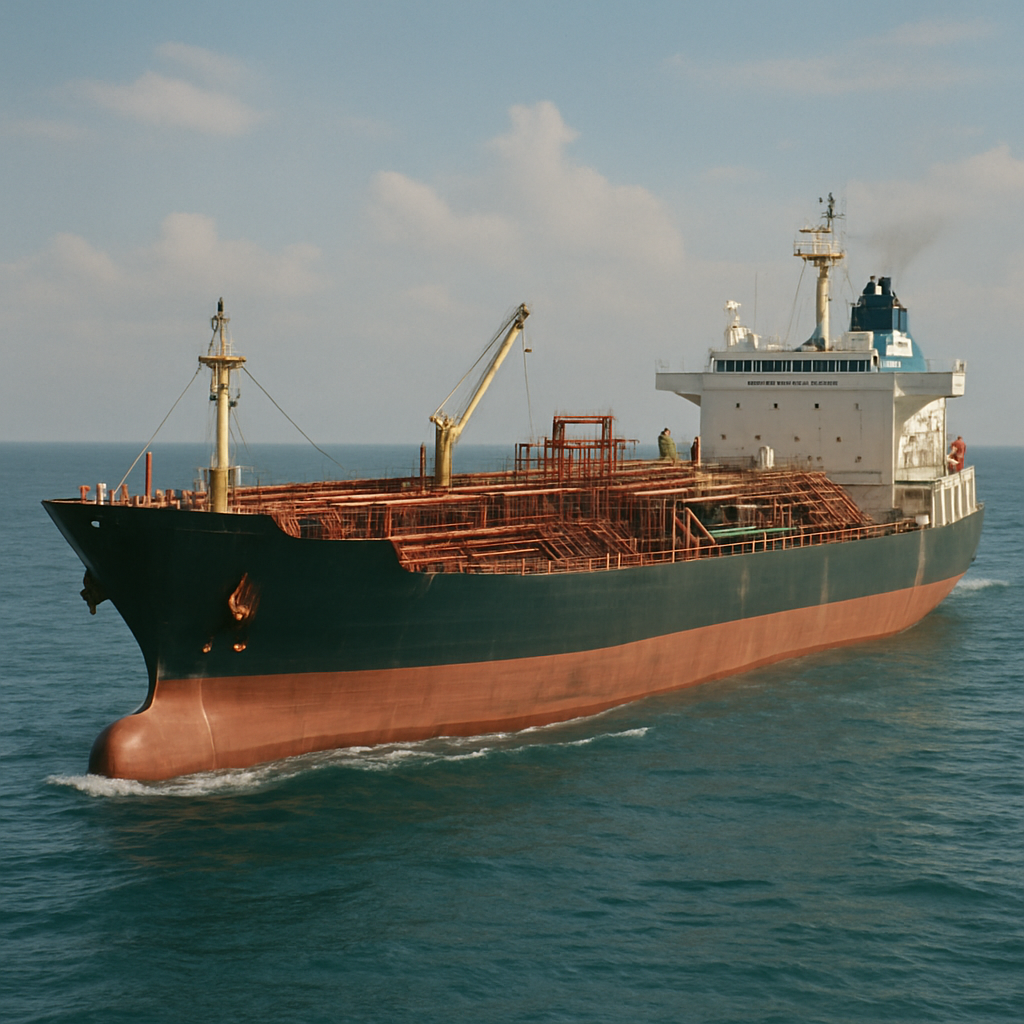
Marine gas systems are vital for the safe and efficient operation of ships transporting oil and gas. These systems are designed to handle and control gases used onboard, ensuring that the ship operates smoothly and safely. Among these systems, nitrogen generators are a key component.
What is a Nitrogen Generator?
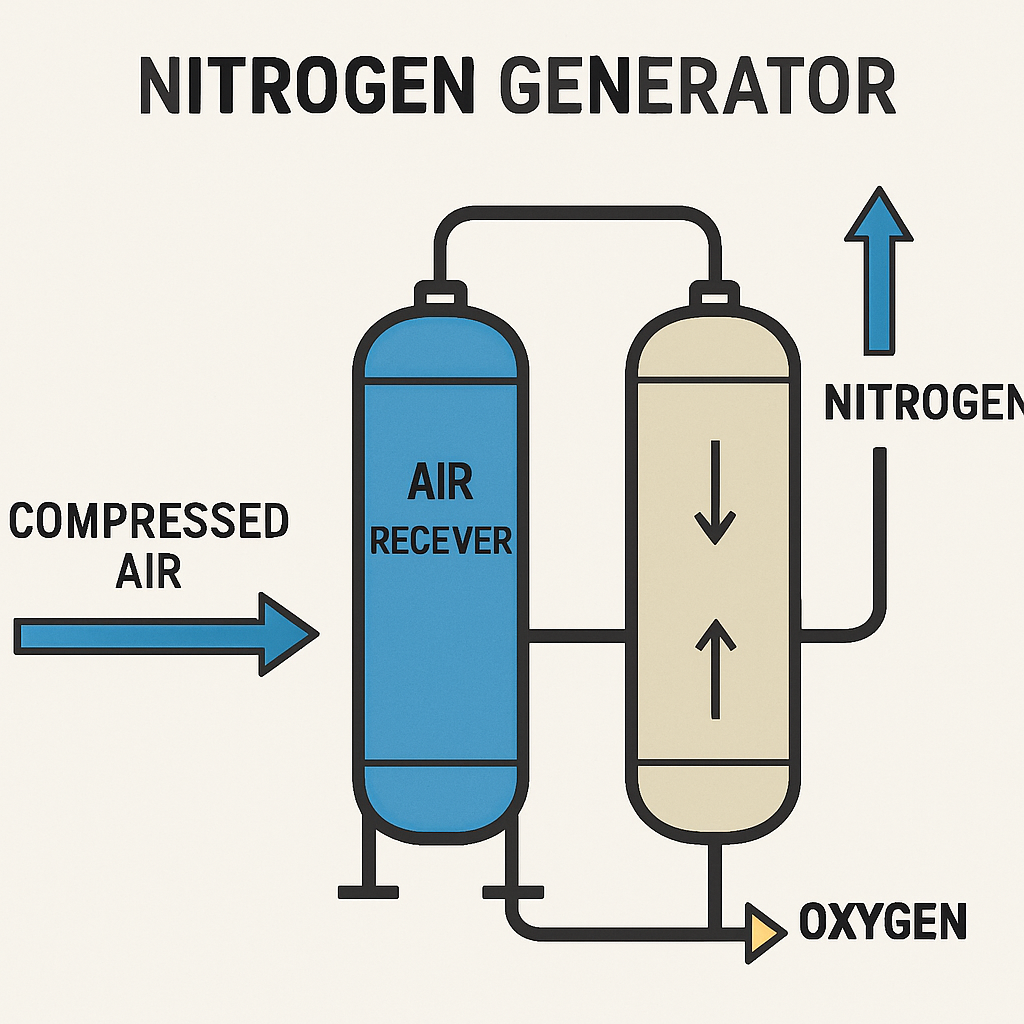
A nitrogen generator is a device that produces nitrogen gas by separating it from the air. The air we breathe contains about 78% nitrogen, and these generators utilize advanced technologies to extract and purify this nitrogen for various applications. On oil and gas ships, nitrogen generators are used to create an inert atmosphere, minimizing the risk of fire or explosion.
Why Nitrogen Generators Are Essential for Oil and Gas Ships
Safety First
The primary reason for using nitrogen generators on oil and gas ships is safety. Transporting flammable materials like oil and gas poses inherent risks, and nitrogen generators help mitigate these risks. By displacing oxygen and other gases that could support combustion, nitrogen creates a stable environment that significantly reduces the likelihood of fires and explosions.
Protecting Cargo Integrity
In addition to safety, nitrogen generators play a crucial role in preserving the quality of the cargo. Oxygen can react with certain chemicals in oil and gas, leading to deterioration or even hazardous reactions. By maintaining an inert atmosphere, nitrogen generators help prevent oxidation and other chemical processes that could compromise the cargo’s quality.
Cost Efficiency
While safety and cargo integrity are vital, cost efficiency is also a significant consideration for ship operators. Nitrogen generators can be more cost-effective in the long run compared to other methods of inert gas production. They reduce the need for expensive and bulky nitrogen gas cylinders, saving both space and money. Moreover, the maintenance of these systems is generally straightforward, which further contributes to cost savings.
How Nitrogen Generators Work
Nitrogen generators for oil and gas ships typically utilize two main technologies: Pressure Swing Adsorption (PSA) and Membrane Separation.
Pressure Swing Adsorption (PSA)
PSA technology uses a material called a molecular sieve to separate nitrogen from the air. The process involves adsorbing oxygen and other gases under pressure, allowing nitrogen to pass through as the primary output. This method is highly effective in producing high-purity nitrogen.
Membrane Separation
Membrane separation technology employs a series of hollow fiber membranes that selectively allow gases to pass through based on their size and properties. Nitrogen molecules, being larger, are separated and collected, while other gases are vented away. This method is known for its simplicity and reliability.
 by Jonathan Cooper (https://unsplash.com/@theshuttervision)
Choosing the Right Nitrogen Generator for Oil and Gas Ships
When selecting a nitrogen generator for an oil and gas ship, several factors need to be considered:
Capacity and Purity Requirements
The required capacity and purity of nitrogen will depend on the specific needs of the ship and the type of cargo being transported. It’s essential to choose a generator that can meet these requirements efficiently.
Space and Installation Constraints
Space on a ship is often limited, so the size and configuration of the nitrogen generator must be compatible with the available space. Additionally, the installation process should be straightforward to minimize downtime.
Reliability and Maintenance
A reliable nitrogen generator is crucial for the continuous and safe operation of oil and gas ships. It’s important to select a system known for its durability and ease of maintenance to ensure long-term performance.
The Future of Nitrogen Generators in the Maritime Industry
The demand for nitrogen generators in the maritime industry is expected to grow as safety regulations become more stringent and as the industry seeks more efficient and sustainable solutions. Advancements in technology are likely to enhance the performance and efficiency of nitrogen generators, further cementing their role in the safe transport of oil and gas.
Conclusion
Nitrogen generators are indispensable for oil and gas ships, offering unmatched safety, cargo protection, and cost efficiency. By understanding their importance and operation, ship operators can make informed decisions that ensure the safety and integrity of their vessels and cargo. As technology advances, nitrogen generators will continue to play a critical role in the maritime industry, helping to navigate the challenges of transporting volatile substances safely.
Incorporating nitrogen generators into marine gas systems is not just a safety measure; it’s a smart investment in the future of maritime transport.