In the world of medicine production, the quality and purity of gases play a critical role in ensuring the safety and efficacy of pharmaceutical products. One such gas that has gained significant importance is nitrogen. Nitrogen generators have emerged as a vital component in medicine production, offering numerous advantages over traditional gas supply methods.
In this article, we will explore the benefits of nitrogen generators in medicine production and how they contribute to creating safer and more efficient processes.
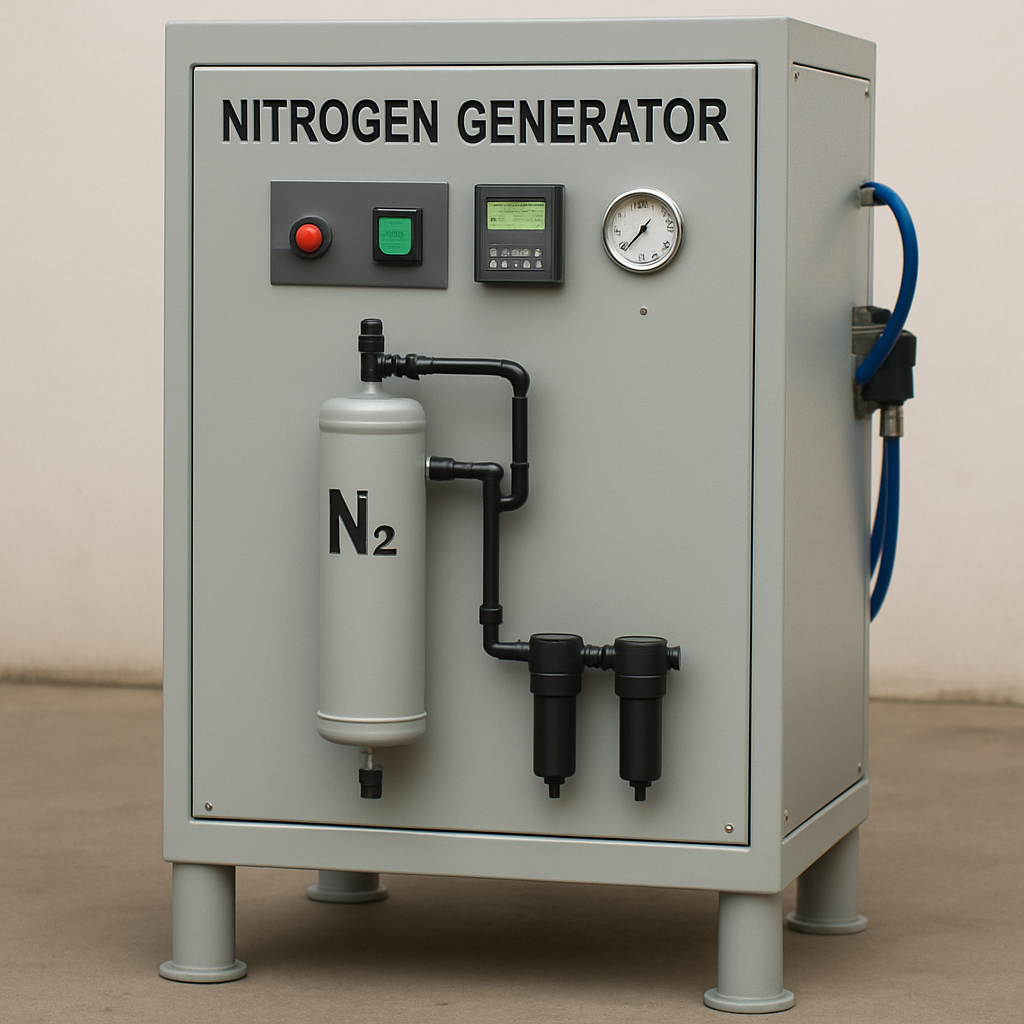
A nitrogen generator is a device that separates nitrogen gas from the air. The air we breathe contains about 78% nitrogen, and a nitrogen generator extracts this nitrogen from the air to produce a continuous supply of pure nitrogen gas. This process is typically achieved using technologies like Pressure Swing Adsorption (PSA) or membrane filtration.
How Does a Nitrogen Generator Work?
A nitrogen generator takes in compressed air and passes it through a series of filters. These filters remove impurities and separate oxygen and other gases from nitrogen. The result is a high-purity nitrogen gas that can be used in various applications, including medicine production.
The Importance of Nitrogen in Medicine Production
Nitrogen is a crucial gas in the pharmaceutical industry. It is used in various stages of medicine production, from manufacturing to packaging. Here’s why nitrogen is important:
Preservation of Product Quality
Nitrogen is an inert gas, meaning it does not react with other substances. This property makes it ideal for preserving the quality of medicines. By displacing oxygen in the production process, nitrogen prevents oxidation, which can degrade the quality and potency of pharmaceutical products.
Enhanced Safety
Using nitrogen in medicine production enhances safety by reducing the risk of combustion and explosion. Many pharmaceutical processes involve flammable substances, and nitrogen helps create an inert atmosphere that minimizes the chances of fire hazards.
Benefits of Using Nitrogen Generators in Medicine Production
Cost-Effectiveness
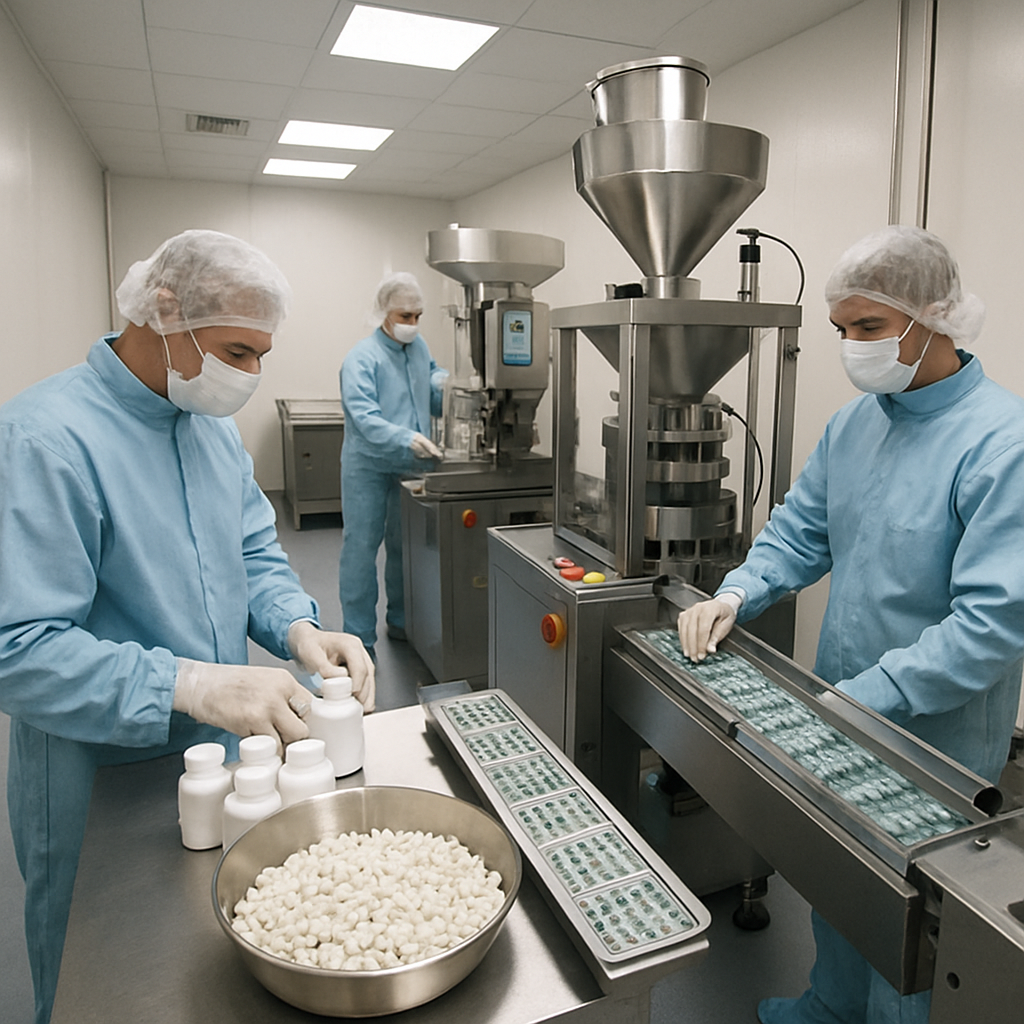
One of the significant advantages of using a nitrogen generator is cost-effectiveness. Traditional methods of nitrogen supply involve purchasing nitrogen cylinders or liquid nitrogen, which can be expensive and require frequent refills. Nitrogen generators, on the other hand, provide a continuous supply of nitrogen on-demand, eliminating the need for storage and reducing transportation costs.
Consistent Supply
With a nitrogen generator, pharmaceutical companies can ensure a consistent and reliable supply of nitrogen gas. This consistency is crucial in maintaining the integrity of production processes and avoiding disruptions caused by running out of gas.
High Purity Levels
Nitrogen generators produce high-purity nitrogen gas, often exceeding 99.9% purity. This level of purity is essential in medicine production, where even trace amounts of impurities can affect the quality and safety of the final product.
Environmental Benefits
Nitrogen generators contribute to environmental sustainability by reducing the carbon footprint associated with transporting gas cylinders or liquid nitrogen. Additionally, they eliminate the need for disposing of empty gas cylinders, reducing waste.
Space and Flexibility
Nitrogen generators are compact and can be installed on-site, providing flexibility in terms of space and locati0n. This feature is particularly beneficial for pharmaceutical facilities with limited space or those looking to optimize their production layout.
Applications of Nitrogen Generators in Medicine Production
Inert Packaging
In medicine production, packaging is a critical step to ensure the product’s shelf life and stability. Nitrogen is used to create an inert atmosphere inside packaging, preventing oxidation and maintaining the product’s efficacy.
Purging and Blanketing
Nitrogen purging involves displacing oxygen and moisture from manufacturing equipment and storage tanks. This process is essential in preventing contamination and ensuring the purity of medicines. Nitrogen blanketing, on the other hand, involves covering the surface of a liquid with nitrogen to prevent exposure to air and moisture.
Sterilization and Cleaning
Nitrogen is also used in sterilization and cleaning processes within pharmaceutical facilities. It helps in maintaining a sterile environment by preventing the growth of microorganisms and ensuring the cleanliness of equipment.
Choosing the Right Nitrogen Generator
 by Joe Mayami (https://unsplash.com/@joemayami)
When selecting a nitrogen generator for medicine production, several factors need to be considered:
Production Capacity
Evaluate the production capacity of the nitrogen generator to ensure it meets the demands of your pharmaceutical processes. Consider factors like flow rate and gas purity requirements.
Technology
Choose a generator with the appropriate technology for your specific needs. PSA and membrane technologies have their advantages, and the choice depends on factors like required purity levels and operational costs.
Reliability and Maintenance
Look for a nitrogen generator that offers reliability and ease of maintenance. Consider the manufacturer’s reputation and the availability of technical support and spare parts.
Cost and ROI
Analyze the cost of the nitrogen generator in relation to its long-term benefits and return on investment. While the initial investment may be significant, the cost savings and efficiency improvements often justify the expense.
Conclusion
Nitrogen generators have become indispensable in medicine production, offering a reliable and cost-effective solution for pharmaceutical companies. By providing a consistent supply of high-purity nitrogen gas, these generators enhance product quality, safety, and efficiency.
As the demand for pharmaceutical products continues to grow, investing in a nitrogen generator is a strategic decision that can yield significant benefits for medicine production processes. With advancements in technology, nitrogen generators are set to play an even more crucial role in ensuring the safety and efficacy of medicines worldwide.