Ensuring food safety and preserving the quality of food products are critical aspects of the food industry. As consumer awareness about food safety standards increases, the role of packaging in maintaining food quality has become more crucial than ever. One of the innovative methods to enhance food preservation is the use of nitrogen in food packaging. In this article, we’ll delve into how nitrogen is used in food packaging, its benefits, and how it aligns with EU regulations.
Food safety standards are designed to protect consumers from potential hazards related to food consumption. In the European Union, these standards are particularly stringent, ensuring that all food products meet high safety and quality requirements. Compliance with these regulations is mandatory for all food producers and distributors operating within the EU.
The Importance of Food Preservation
Food preservation methods are essential for extending the shelf life of food products and preventing spoilage. Traditional methods such as canning, freezing, and drying have been widely used. However, with advancements in technology, more innovative methods like nitrogen flushing have gained popularity.
What is Nitrogen Flushing in Food Packaging?
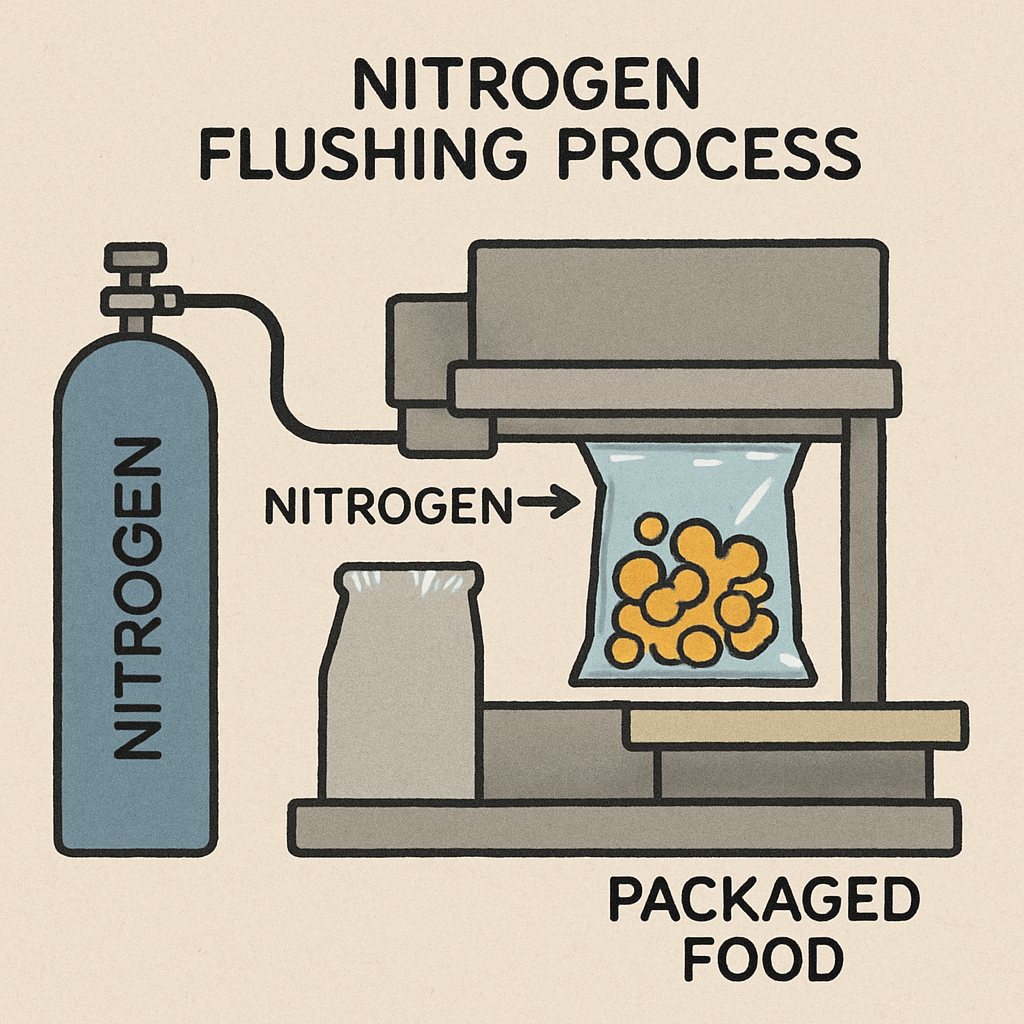
Nitrogen flushing is a packaging technique that involves replacing the oxygen in a package with nitrogen gas. This process helps in preserving the freshness and quality of the food product. Nitrogen, being an inert gas, does not react with the food, thus preventing oxidation and spoilage.
Benefits of Using Nitrogen in Food Packaging
- Extended Shelf Life: By removing oxygen, nitrogen flushing significantly extends the shelf life of food products. This is particularly beneficial for perishable items such as meats, cheeses, and snacks.
- Preservation of Flavor and Texture: Nitrogen helps in maintaining the original flavor, aroma, and texture of food products by preventing oxidative reactions.
- Prevention of Microbial Growth: By creating an anaerobic environment, nitrogen flushing inhibits the growth of aerobic bacteria and molds, ensuring food safety.
- Reduced Need for Preservatives: With nitrogen flushing, the reliance on chemical preservatives is reduced, which is a favorable aspect for health-conscious consumers.
Meeting EU Regulations with Nitrogen Packaging
 by Matthew Moloney (https://unsplash.com/@mattmoloney)
The European Union has specific regulations and standards for food packaging to ensure consumer safety and product quality. Nitrogen flushing, when implemented correctly, aligns well with these regulations.
Compliance with EU Food Safety Standards
To comply with EU regulations, food packaging processes must ensure that no harmful substances are introduced during packaging. Nitrogen, being a natural and non-toxic gas, meets this requirement. It is crucial for food producers to use food-grade nitrogen, which is free from impurities.
Adhering to Environmental Standards
The EU also emphasizes the environmental impact of packaging materials. Nitrogen flushing contributes positively by reducing the need for chemical preservatives, which can have adverse environmental effects. Additionally, the packaging materials used should be recyclable or biodegradable to minimize environmental impact.
Documentation and Traceability
EU regulations require comprehensive documentation and traceability of all processes involved in food packaging. This includes maintaining records of nitrogen usage and ensuring that all equipment used meets safety standards. Proper documentation not only ensures compliance but also builds consumer trust.
Implementing Nitrogen Flushing in Your Packaging Process
To successfully integrate nitrogen flushing into your packaging process, consider the following steps:
- Invest in Quality Equipment: Ensure that your packaging machinery is capable of efficiently flushing nitrogen into packages. Regular maintenance and calibration are essential to maintain efficiency.
- Train Your Staff: Proper training for your staff on nitrogen flushing techniques and equipment handling is crucial. This ensures that the process is carried out correctly and safely.
- Monitor and Evaluate: Regular monitoring and evaluation of the packaging process help in identifying any deviations from standards and implementing corrective measures promptly.
- Stay Updated with Regulations: EU regulations can evolve, and it’s important to stay informed about any changes that may affect your packaging process. Consider subscribing to regulatory updates or consulting with compliance experts.
Conclusion
Nitrogen flushing in food packaging is an effective method to enhance food preservation while meeting EU regulations. By extending shelf life, preserving flavor, and ensuring food safety, nitrogen packaging offers a viable solution for food producers looking to maintain quality and compliance. As the demand for safe and high-quality food products continues to rise, adopting innovative packaging methods like nitrogen flushing will be key to staying competitive in the market.
As you consider implementing nitrogen flushing in your packaging process, remember the importance of compliance with EU regulations and the benefits it brings to your business and consumers alike. By prioritizing food safety and quality, you not only meet regulatory requirements but also build trust and satisfaction among your customers.