In the world of Liquid Chromatography-Mass Spectrometry (LC-MS), nitrogen plays a vital role. It ensures that the instruments operate smoothly and produce accurate results. However, nitrogen supply issues can disrupt lab operations, leading to delays and potentially costly errors. This guide will help you troubleshoot common nitrogen supply issues in LC-MS labs, ensuring that your instruments remain in peak condition.
Understanding the Role of Nitrogen in LC-MS
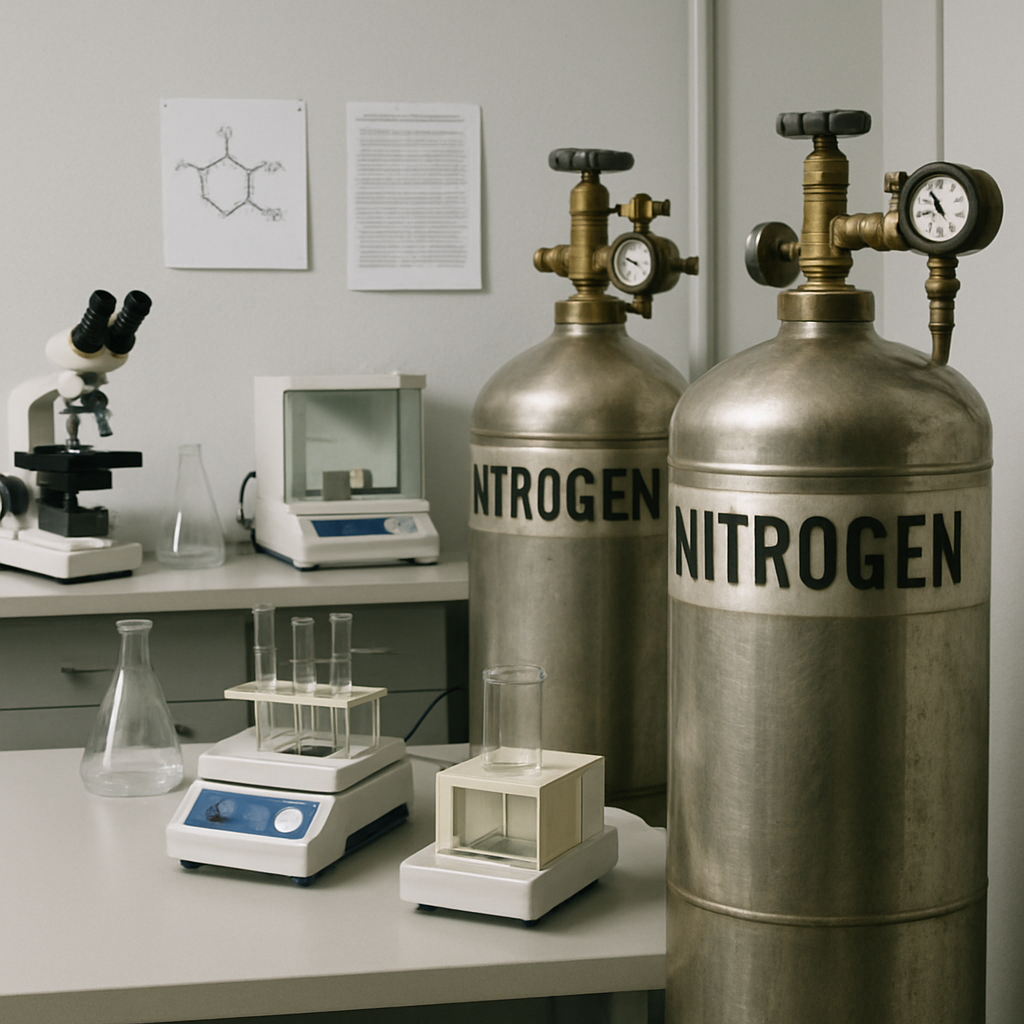
To effectively troubleshoot nitrogen supply issues, it’s essential to understand the role nitrogen plays in LC-MS. Nitrogen is used as a carrier gas in the LC-MS system. It helps in the nebulization process, which is crucial for converting liquid samples into a fine mist. This step is vital for the accurate detection and analysis of compounds.
Why Nitrogen?
Nitrogen is preferred for its inert nature. It does not react with the sample, ensuring that the results are not altered. Its availability and cost-effectiveness also make it a suitable choice for labs.
Common Nitrogen Supply Issues
Several issues can arise with nitrogen supply in LC-MS labs. Identifying these problems early can prevent further complications.
Inadequate Nitrogen Pressure
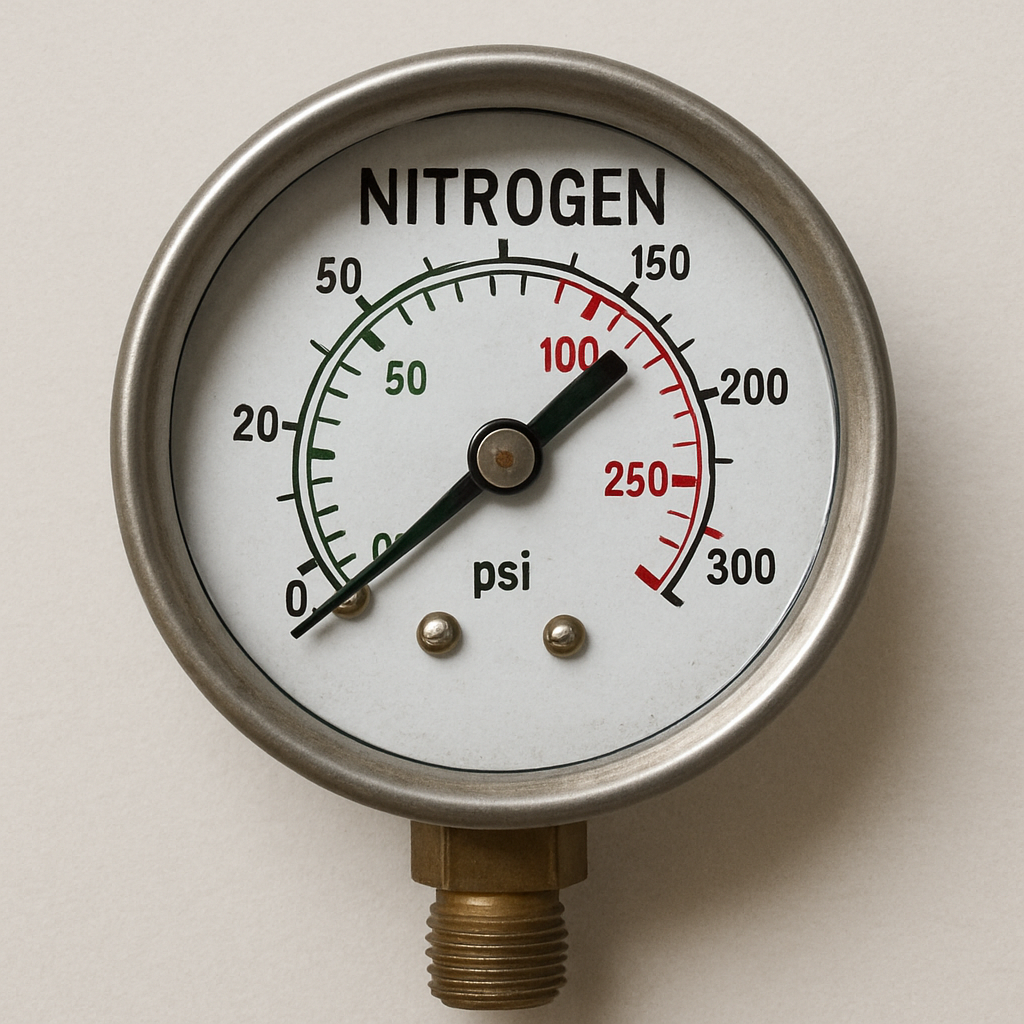
One of the most common issues is inadequate nitrogen pressure. Insufficient pressure can lead to poor nebulization, affecting the sensitivity and accuracy of the analysis.
Causes and Solutions
- Leaks in the System: Check for any leaks in the tubing or connections. Tighten or replace faulty parts as needed.
- Clogged Filters: Over time, filters can become clogged, reducing pressure. Regular maintenance and replacement of filters can resolve this issue.
- Regulator Malfunction: If the pressure regulator is faulty, it may not maintain the desired pressure. Consider calibrating or replacing the regulator.
Contaminated Nitrogen Supply
Contaminants in the nitrogen supply can severely affect the performance of LC-MS instruments. These impurities can introduce noise into the results, complicating data interpretation.
Causes and Solutions
- Improper Gas Source: Ensure that the nitrogen source is of high purity. Using gas cylinders or generators specifically designed for LC-MS can mitigate this risk.
- Old or Damaged Tubing: Replace any old or damaged tubing that may introduce contaminants into the system.
- Inadequate Filtration: Implement a robust filtration system to remove any impurities from the nitrogen supply.
Nitrogen Generator Issues
Many labs use nitrogen generators to supply the necessary gas. While these devices are convenient, they can also experience problems.
Causes and Solutions
- Lack of Maintenance: Regular maintenance of the nitrogen generator is crucial. Follow the manufacturer’s guidelines for servicing and parts replacement.
- Incorrect Generator Settings: Ensure that the generator is set to the correct specifications for your LC-MS system. Incorrect settings can lead to inadequate supply or pressure fluctuations.
- Power Supply Problems: Check the power supply to ensure that the generator is receiving adequate power. Voltage fluctuations can impact performance.
Diagnosing Nitrogen Supply Problems
To effectively troubleshoot nitrogen supply issues, a systematic approach is necessary. Here are steps you can take to diagnose the problem:
Step 1: Visual Inspection
Begin with a visual inspection of the entire nitrogen supply system. Look for obvious signs of wear and tear, leaks, or damage. Check all connections and fittings.
Step 2: Pressure Testing
Use a pressure gauge to test the nitrogen pressure throughout the system. Identify any areas where the pressure drops significantly.
Step 3: Check for Contaminants
Perform a test to identify any contaminants in the nitrogen supply. This can involve using chemical indicators or specialized equipment.
Step 4: Consult the Manufacturer
If the issue persists, consult the manufacturer’s troubleshooting guide or contact their support team for assistance.
Preventative Measures
Preventative maintenance can significantly reduce the likelihood of nitrogen supply issues. Implement the following measures to keep your LC-MS system running smoothly:
Regular Maintenance Schedule
Establish a maintenance schedule for checking and servicing all components of the nitrogen supply system. This includes filters, tubing, and generators.
Staff Training
Ensure that all lab personnel are trained in the proper use and maintenance of the LC-MS system. Understanding how to identify early signs of nitrogen supply issues can prevent major problems.
Quality Control
Implement strict quality control procedures for all gases used in the lab. Regularly test the purity of your nitrogen supply to ensure it meets the necessary standards.
 by National Cancer Institute (https://unsplash.com/@nci)
Conclusion
Nitrogen supply issues can significantly impact the performance of LC-MS labs. By understanding the role of nitrogen, recognizing common issues, and implementing preventative measures, you can ensure that your instruments operate efficiently and accurately. Regular maintenance and training are key components in mitigating potential problems and maintaining the integrity of your lab’s analyses. With these strategies in place, you can focus on what matters most: producing reliable and precise results.