In the fast-evolving world of electronics assembly, choosing the right cooling method is crucial. Two popular methods often debated in the industry are Pressure Sensitive Adhesive (PSA) and liquid nitrogen cooling. Each method has its own merits and is suitable for specific applications. In this article, we will explore the differences between PSA and liquid nitrogen for electronics assembly, helping you make an informed decision.
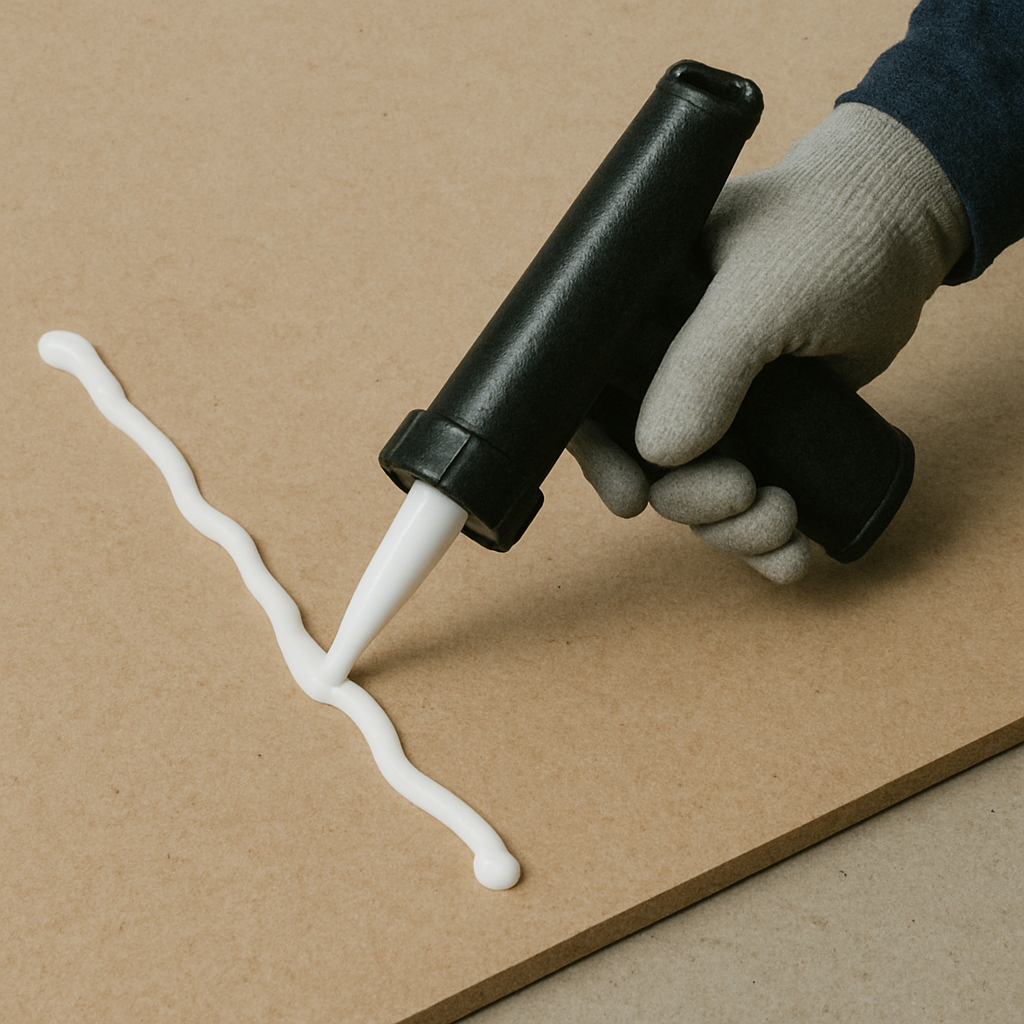
PSA, or Pressure Sensitive Adhesive, is a versatile material used in electronics assembly to bond components without the need for heat or solvents. Its adhesive properties are activated by applying pressure, making it a convenient choice for many manufacturers.
Advantages of PSA
- Ease of Use: One of the major advantages of PSA is its simplicity. It does not require any special equipment or complex procedures. You simply apply pressure, and the adhesive bonds the surfaces together.
- Flexibility: PSA is highly adaptable and can be used on various surfaces, including irregular and textured ones. This flexibility makes it ideal for assembling a wide range of electronic components.
- Clean and Safe: PSA is a clean technology that doesn’t produce harmful byproducts. It is safe for workers and the environment, aligning with modern sustainability goals.
Limitations of PSA
- Temperature Sensitivity: PSA may not hold up well under extreme temperatures. It can lose adhesive strength when exposed to high heat, which might limit its use in certain applications.
- Load-Bearing Capacity: While PSA is great for lighter components, it might not be suitable for heavier assemblies that require more robust bonding strength.
The Role of Liquid Nitrogen in Electronics Assembly
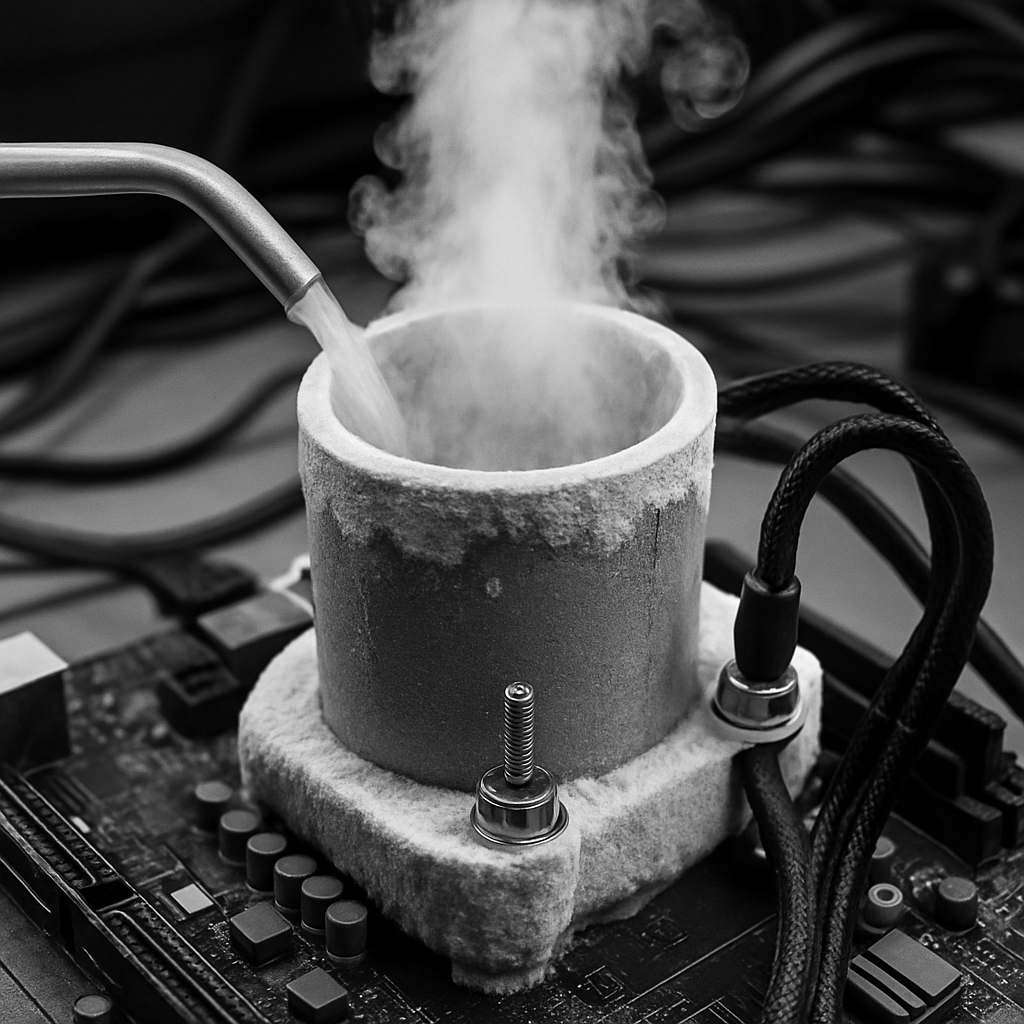
Liquid nitrogen is a cryogenic liquid used to provide extreme cooling in various industrial applications, including electronics assembly. It is renowned for its ability to achieve ultra-low temperatures, which can be beneficial in certain scenarios.
Advantages of Liquid Nitrogen Cooling
- Efficient Cooling: Liquid nitrogen is highly effective in cooling electronic components rapidly. This can be crucial in preventing overheating and maintaining the integrity of sensitive components.
- Improved Performance: By keeping temperatures low, liquid nitrogen can enhance the performance and longevity of electronic components. It helps in reducing thermal stress, which can lead to more reliable and durable products.
- Versatility: Liquid nitrogen can be applied in various ways, such as direct immersion or through a controlled cooling system, providing flexibility depending on the assembly requirements.
Limitations of Liquid Nitrogen Cooling
- Complex Handling: Working with liquid nitrogen requires specialized equipment and safety precautions. It can be hazardous if not handled properly, posing risks to personnel and the facility.
- Cost: The use of liquid nitrogen can be expensive due to the need for cryogenic storage and handling equipment. This might not be cost-effective for all manufacturing setups.
PSA vs Liquid Nitrogen: A Comparative Analysis
When deciding between PSA and liquid nitrogen for electronics assembly, it’s essential to weigh their pros and cons based on your specific needs and constraints.
Application and Suitability
- PSA is suitable for applications where simplicity, flexibility, and environmental safety are priorities. It works well for small to medium-sized assemblies that don’t require extreme temperature resistance.
- Liquid Nitrogen is ideal for scenarios where rapid and effective cooling is critical. It’s suitable for high-performance electronics that generate significant heat and require efficient thermal management.
Cost Considerations
- PSA generally offers a cost-effective solution due to its ease of use and minimal equipment requirements. It’s a viable option for small to medium-sized operations looking to optimize their budget.
- Liquid Nitrogen, while offering superior cooling capabilities, comes with higher costs associated with equipment and safety measures. It’s more suited for larger operations where the benefits outweigh the expenses.
Real-World Applications and Case Studies
 by gomi (https://unsplash.com/@gomi_design)
PSA in Action
A small electronics manufacturer specializing in consumer gadgets successfully implemented PSA in their assembly line. By using PSA, they streamlined their production process, reduced costs, and maintained product quality. The adhesive’s flexibility allowed them to adapt to various component shapes, enhancing their production efficiency.
Liquid Nitrogen Success
In contrast, a large-scale semiconductor manufacturer faced challenges with heat management during the assembly of high-performance processors. By integrating liquid nitrogen cooling, they significantly improved the thermal stability of their products. This led to enhanced processor speeds and reliability, giving them a competitive edge in the market.
Making the Right Choice for Your Assembly Needs
Choosing between PSA and liquid nitrogen for your electronics assembly involves evaluating your specific requirements, budget, and long-term goals. Consider the nature of your products, the scale of your operations, and the importance of cooling efficiency.
Key Takeaways
- PSA is a user-friendly, flexible, and environmentally conscious choice for many electronics assembly applications.
- Liquid Nitrogen offers unmatched cooling efficiency, making it suitable for high-performance applications that require superior thermal management.
By understanding the strengths and limitations of each method, you can make an informed decision that aligns with your assembly needs and business objectives. Whether you opt for the simplicity of PSA or the advanced cooling capabilities of liquid nitrogen, both methods have their place in the ever-evolving landscape of electronics assembly.