In the fast-paced world of electronics production, efficiency and cost-effectiveness are key. One often overlooked factor that can significantly impact both is the use of nitrogen generators. If you’re involved in the electronics manufacturing industry, understanding the return on investment (ROI) of nitrogen generators could transform your production process. Let’s delve into why these generators are essential and how they can benefit your business.
Understanding Nitrogen Generators
What Are Nitrogen Generators?
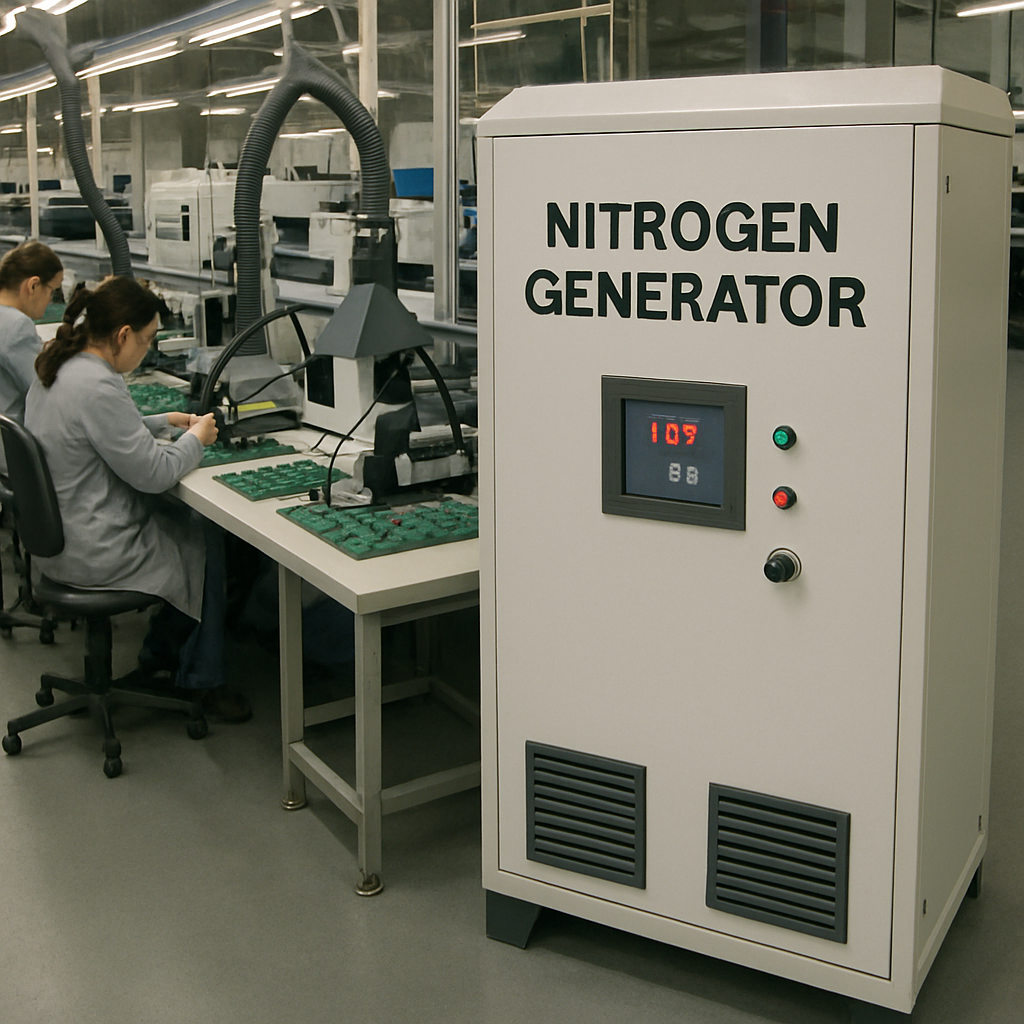
Nitrogen generators are devices that separate nitrogen from the air, providing a consistent supply of this essential gas for various industrial applications. In electronics production, nitrogen is crucial for processes such as soldering and wave soldering, as it helps create an inert atmosphere that prevents oxidation. This ensures higher quality and more reliable electronic components.
Types of Nitrogen Generators
There are primarily two types of nitrogen generators used in electronics production:
- PSA (Pressure Swing Adsorption) Generators: These use a material called a molecular sieve to separate nitrogen from other gases.
- Membrane Nitrogen Generators: These use hollow fiber membranes to filter out oxygen and other gases.
Both types have their unique advantages, and the choice between them depends on specific production needs and budget considerations.
The Importance of Nitrogen in Electronics Production
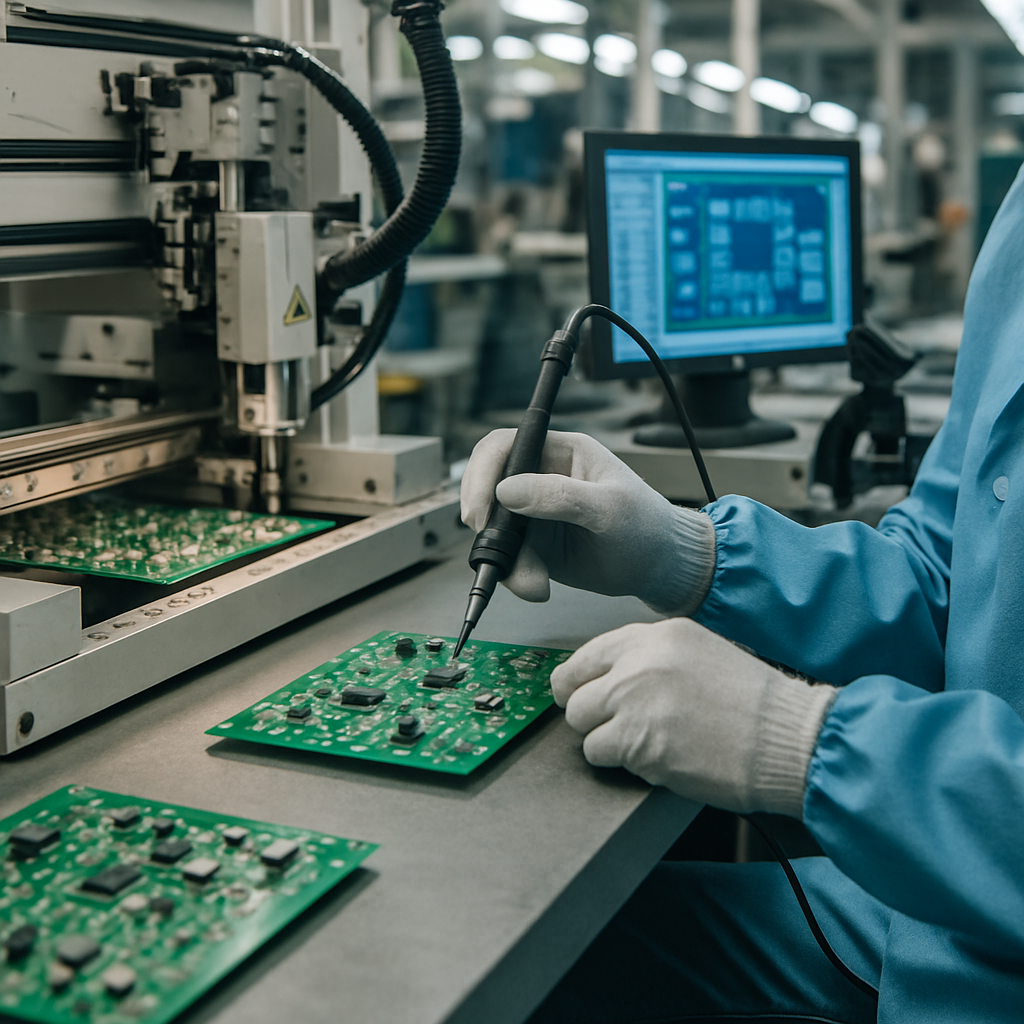
The role of nitrogen in electronics manufacturing cannot be overstated. It is used to create an oxygen-free environment, which is critical in preventing oxidation. Oxidation can lead to defects in solder joints, which are the connections between different components on a circuit board. Poor solder joints can cause device failure, leading to costly recalls and damage to a manufacturer’s reputation.
Benefits of Using Nitrogen
- Improved Solder Quality: Nitrogen enhances the wetting properties of solder, ensuring strong and reliable joints.
- Reduced Defects: By minimizing oxidation, the number of defects is significantly reduced, leading to fewer reworks and higher quality products.
- Cost Savings: While the initial investment in a nitrogen generator can be significant, the reduction in defects and reworks can lead to substantial cost savings over time.
Calculating the ROI of Nitrogen Generators
When considering the purchase of a nitrogen generator, it’s essential to calculate the ROI to ensure it’s a wise investment. The ROI calculation considers both the initial cost and the ongoing savings achieved through improved production efficiency and reduced waste.
Initial Investment
The cost of a nitrogen generator can vary widely based on the type and capacity. However, it’s crucial to consider this as a long-term investment. Unlike bottled nitrogen, which incurs continuous costs for purchase and delivery, a nitrogen generator provides a consistent supply with minimal operational costs.
Operational Savings
- Reduced Gas Costs: Once installed, the cost of producing nitrogen is significantly lower than purchasing bottled nitrogen, leading to immediate savings.
- Enhanced Production Efficiency: With fewer defects and reworks, production efficiency increases, allowing for greater output and profitability.
- Long-term Reliability: Nitrogen generators are designed for longevity, providing reliable service with minimal maintenance.
 by Arstin Chen (https://unsplash.com/@arstinchen)
Real-World Examples
Several electronics manufacturers have reported significant savings after switching to nitrogen generators. For instance, a mid-sized electronics firm found that their defect rate dropped by 30% after installing a nitrogen generator. This improvement not only saved them money but also enhanced their brand reputation by delivering more reliable products to customers.
Case Study: ABC Electronics
ABC Electronics, a company specializing in consumer electronics, faced issues with solder joint defects. After investing in a PSA nitrogen generator, they saw a 25% increase in production efficiency and a reduction in material costs due to fewer reworks. Within two years, they recouped their initial investment and continued to benefit from ongoing savings.
Key Considerations
Before investing in a nitrogen generator, consider the following:
- Production Needs: Assess your current nitrogen usage and determine whether a PSA or membrane generator would best suit your needs.
- Budget: While the initial cost can be high, consider financing options or leasing to spread out the investment over time.
- Space and Installation: Ensure that you have the necessary space and infrastructure for installation and operation.
Conclusion
In conclusion, the ROI of nitrogen generators in electronics production can be substantial. By reducing costs, improving production quality, and increasing efficiency, these devices offer a compelling value proposition for manufacturers. As the electronics industry continues to evolve, investing in a nitrogen generator could be a strategic move that positions your company for long-term success.
By understanding the benefits and calculating the potential savings, you can make an informed decision that enhances your production process and boosts your bottom line. With the right approach, nitrogen generators can be a game-changer in the competitive world of electronics manufacturing.