In the competitive world of snack manufacturing, every ounce of efficiency counts. As costs continue to rise, manufacturers are constantly on the lookout for ways to streamline operations and reduce expenses. One area ripe for cost reduction is the use of nitrogen in the packaging process. In this case study, we explore how a leading snack manufacturer achieved significant nitrogen savings, thereby improving their bottom line.
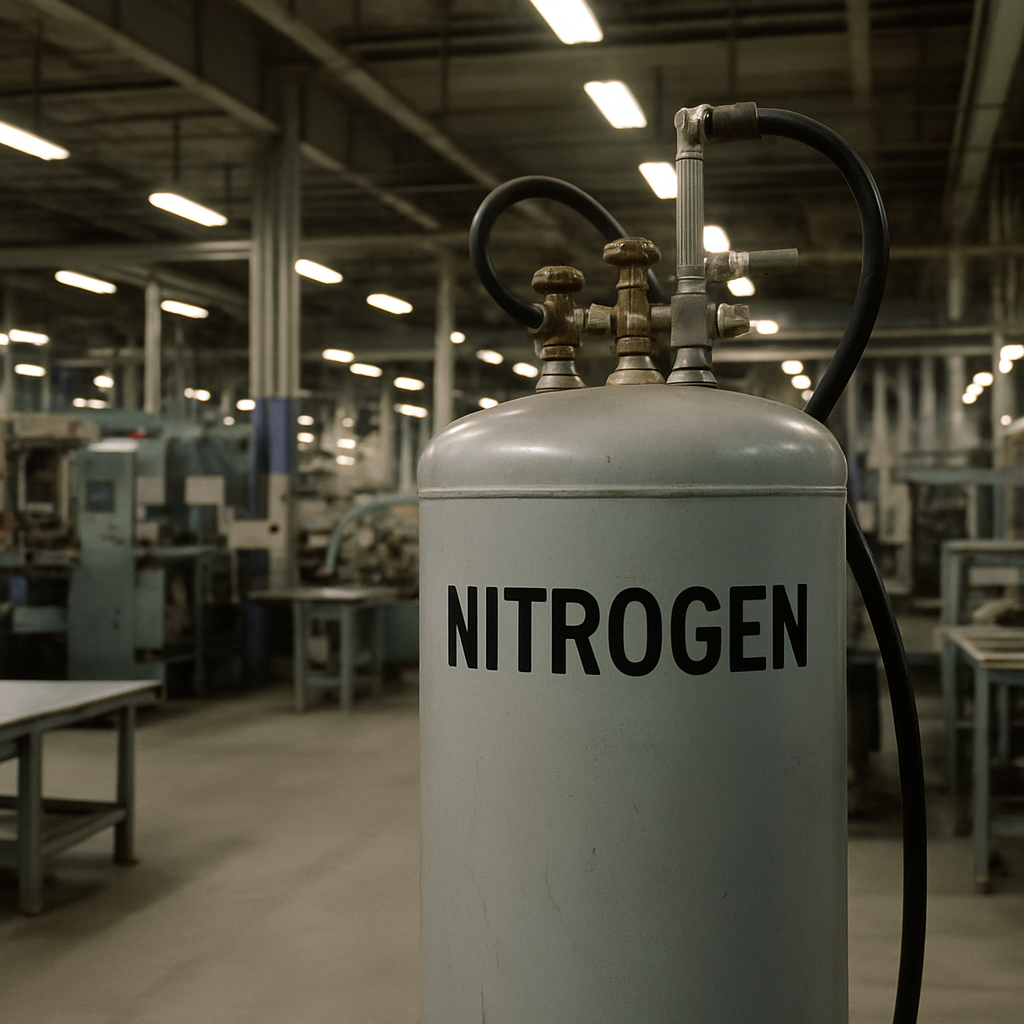
Nitrogen plays a crucial role in the snack manufacturing industry. It’s used to displace oxygen in packaging, preserving the freshness and extending the shelf life of snacks. By preventing oxidation, nitrogen helps maintain the product’s flavor, texture, and overall quality. However, the cost of nitrogen and its efficient use can significantly impact a manufacturer’s profit margins.
The Challenge: Rising Costs and Inefficiency
For our featured snack manufacturer, rising nitrogen costs were becoming a concern. The company was using a significant amount of nitrogen, but there was little insight into how efficiently it was being used. This lack of oversight led to excessive costs and potential wastage. Moreover, the company was aware that optimizing nitrogen use could lead to substantial savings but lacked the expertise and tools to implement changes.
Initial Assessment
The first step was conducting a thorough assessment of the current nitrogen usage. This involved analyzing the entire packaging process to identify areas of inefficiency. The manufacturer partnered with an industrial consultant specializing in nitrogen efficiency to gain insights into potential improvements.
Implementing Solutions for Nitrogen Efficiency
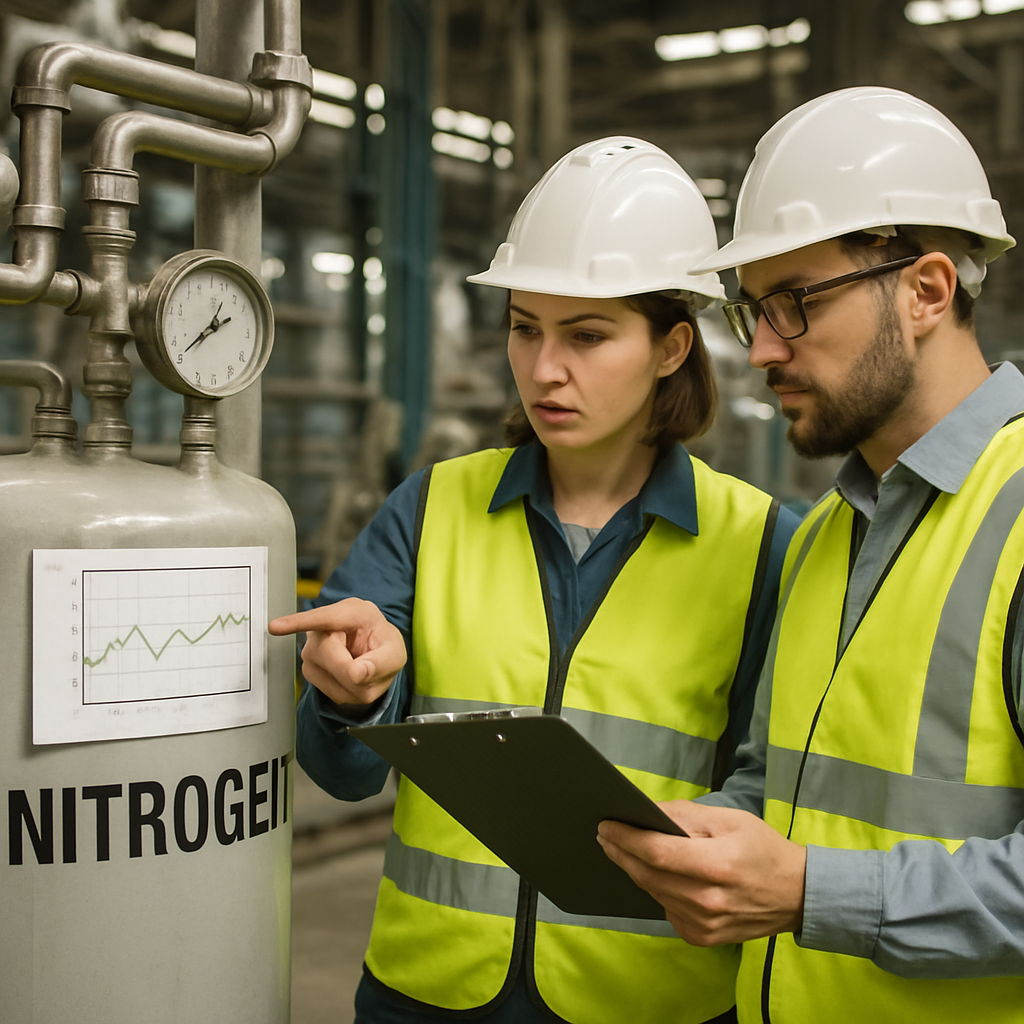
After a detailed assessment, several solutions were identified to reduce nitrogen usage without compromising on product quality. These included optimizing nitrogen flow rates, upgrading equipment, and implementing better monitoring systems.
Optimizing Nitrogen Flow Rates
The assessment revealed that the nitrogen flow rates during packaging were higher than necessary. By recalibrating the flow rates to match the exact requirements for preserving snack quality, the manufacturer could reduce nitrogen consumption significantly.
Equipment Upgrades
Old and inefficient equipment was another contributor to excessive nitrogen use. By investing in modern machinery with improved nitrogen control systems, the manufacturer was able to achieve better precision and reduce wastage.
Improved Monitoring Systems
Implementing state-of-the-art monitoring systems allowed the manufacturer to track nitrogen usage in real-time. This provided valuable data that could be used to make further adjustments and ensure continued efficiency.
The Results: Significant Cost Reduction
The changes implemented resulted in a dramatic reduction in nitrogen consumption, leading to substantial cost savings. The manufacturer reported a 25% decrease in nitrogen costs within the first year of implementation. This not only improved the company’s profit margins but also contributed to a more sustainable manufacturing process.
Financial Impact
The financial impact of these savings was significant. With reduced nitrogen costs, the manufacturer was able to allocate resources to other areas of the business, such as product development and marketing. This strategic reinvestment helped the company maintain its competitive edge in the market.
Lessons Learned and Future Steps
 by Claire Nakkachi (https://unsplash.com/@bidaya)
The success of this initiative highlighted several key lessons for the snack manufacturer and others in the industry. Firstly, regular assessments and audits of nitrogen usage are vital for identifying inefficiencies. Secondly, investing in modern equipment and technology can lead to long-term savings and operational improvements.
Continuous Improvement
The manufacturer plans to continue monitoring nitrogen usage and exploring additional opportunities for efficiency. This includes investigating alternative packaging methods and materials that could further reduce dependence on nitrogen.
Industry Implications
The results of this case study have broader implications for the snack manufacturing industry. As more companies face pressure to reduce costs and improve sustainability, optimizing nitrogen usage presents a viable solution. By sharing their success, the featured manufacturer hopes to inspire others to undertake similar initiatives.
Conclusion
Nitrogen savings in snack manufacturing are not just about cutting costs; they’re about creating a more efficient and sustainable operation. As this case study demonstrates, with careful assessment, strategic investments, and ongoing monitoring, significant improvements are possible. For snack manufacturers looking to enhance their bottom line, focusing on nitrogen efficiency could be a game-changer.
In conclusion, tackling nitrogen efficiency can lead to remarkable financial and environmental benefits. For manufacturers aiming to remain competitive, embracing such changes is not just an option but a necessity for future success.