Laser material processing has revolutionized the manufacturing industry, offering precision and versatility in cutting, welding, and engraving materials. One key element in this process is the use of gases like nitrogen, which play a crucial role in achieving clean and precise cuts. Understanding the nitrogen flow rate requirements for different laser materials is essential for optimizing performance and ensuring the quality of the final product. In this article, we’ll explore the role of nitrogen in laser cutting and the specific flow rate requirements for various materials.
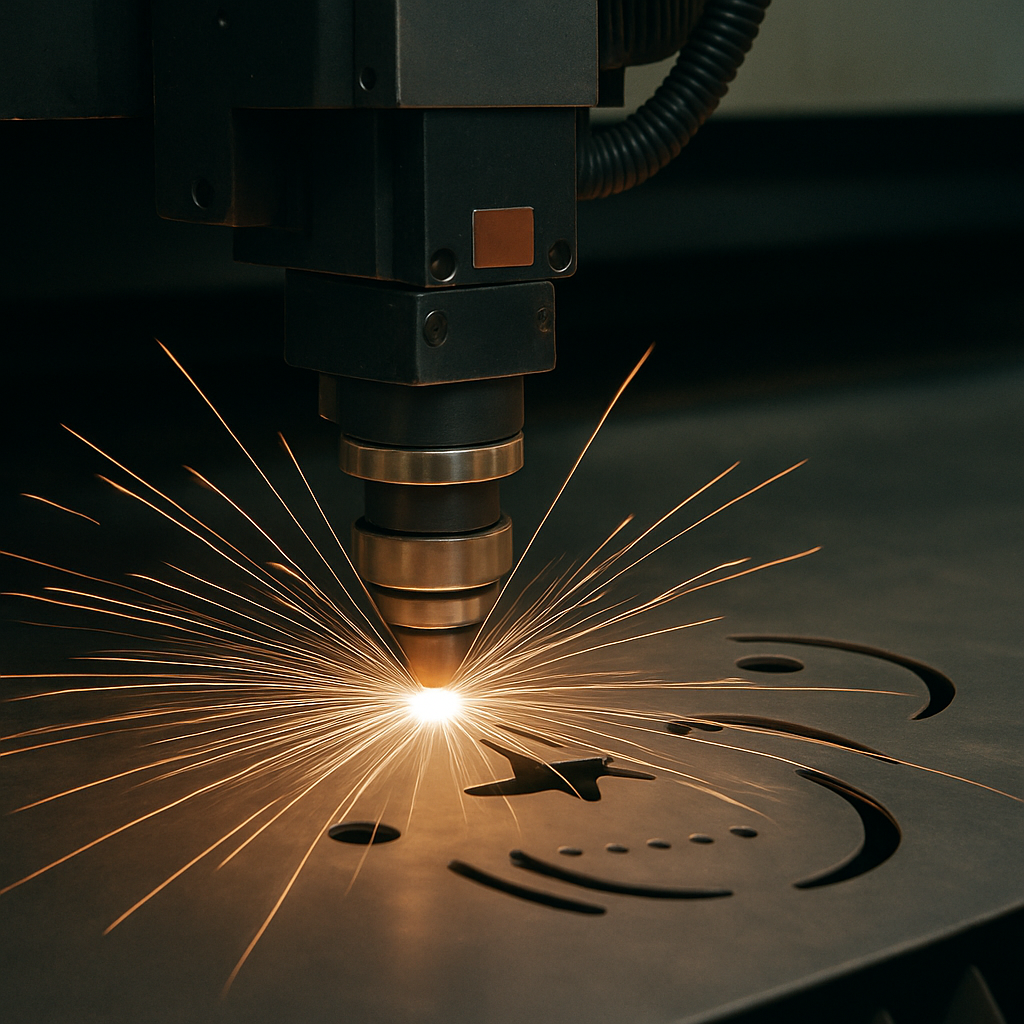
Nitrogen is commonly used in laser cutting as an assist gas. Its primary function is to prevent oxidation during the cutting process, which can negatively impact the appearance and properties of the cut edge. When nitrogen is used, the result is a clean, oxide-free edge that requires little to no post-processing.
Why Nitrogen?
The choice of nitrogen over other gases like oxygen is primarily due to its inert nature. Nitrogen does not react with the material being cut, which is particularly important for materials where oxidation can lead to discoloration or a weaker cut edge. Additionally, nitrogen can assist in cooling the cut area, reducing thermal stress on the material.
Nitrogen Flow Rate and Its Importance

The flow rate of nitrogen in laser cutting is a critical parameter. It influences the quality of the cut, the speed of the process, and the overall efficiency of the operation. Too low a flow rate may result in poor cut quality, while too high a flow rate can be wasteful and increase operational costs.
Factors Affecting Nitrogen Flow Rate
Several factors determine the appropriate nitrogen flow rate:
- Material Type: Different materials require different flow rates due to their unique properties.
- Material Thickness: Thicker materials generally need a higher flow rate to ensure a clean cut.
- Laser Power: The power of the laser also affects the flow rate; higher power lasers may require higher flow rates.
- Cutting Speed: Faster cutting speeds might necessitate higher nitrogen flow rates to maintain cut quality.
Nitrogen Flow Rate Requirements for Common Laser Materials
Stainless Steel
Stainless steel is one of the most commonly processed materials using laser cutting. For stainless steel, nitrogen helps maintain a shiny, oxide-free edge. The typical nitrogen flow rate for cutting stainless steel can range from 12 to 20 cubic feet per hour (CFH), depending on the thickness and the desired quality of the cut.
Aluminum
Aluminum, like stainless steel, benefits from nitrogen’s ability to prevent oxidation. The flow rate for aluminum can be slightly lower than that for stainless steel, generally ranging from 10 to 18 CFH. However, the exact flow rate can vary based on the thickness of the aluminum sheet.
Carbon Steel
While oxygen is often used for cutting carbon steel due to its ability to increase cutting speed through an exothermic reaction, nitrogen is used when a clean, oxide-free edge is required. In such cases, a flow rate of 15 to 25 CFH is typical for carbon steel.
Titanium
Titanium requires a high nitrogen flow rate to prevent oxidation and maintain a clean cut edge. The flow rate for titanium can range from 20 to 30 CFH, depending on the thickness and complexity of the cut.
Plastics
Plastics are another material commonly processed with lasers. The nitrogen flow rate for plastics is generally lower than for metals, typically ranging from 5 to 15 CFH, depending on the type and thickness of the plastic.
Optimizing Nitrogen Flow Rate for Efficiency and Quality
 by Indivar Kaushik (https://unsplash.com/@koolmonty)
To achieve the best results in laser cutting, it’s important to optimize the nitrogen flow rate for each specific material and application. Here are some tips to help you get started:
- Experiment and Adjust: Start with the recommended flow rates for your material and adjust as necessary based on the quality of the cut.
- Monitor and Maintain Equipment: Ensure that your nitrogen supply system is well-maintained and capable of delivering consistent flow rates.
- Consider Automation: Automated systems can help maintain the optimal flow rate and adjust for changes in material or thickness during processing.
- Consult Material and Equipment Guidelines: Manufacturer guidelines for both the laser equipment and the material can provide valuable insights into optimal flow rates.
Conclusion
Understanding the nitrogen flow rate requirements for different laser materials is key to optimizing laser cutting processes. By choosing the appropriate flow rate for each material, manufacturers can achieve high-quality, efficient cuts that meet their specific needs. Whether you’re cutting stainless steel, aluminum, carbon steel, titanium, or plastics, keeping an eye on the nitrogen flow rate will help ensure the success of your laser cutting operations.
By taking the time to understand and adjust nitrogen flow rates, you can enhance both the efficiency and quality of your laser cutting processes, ultimately leading to better products and improved operational performance.