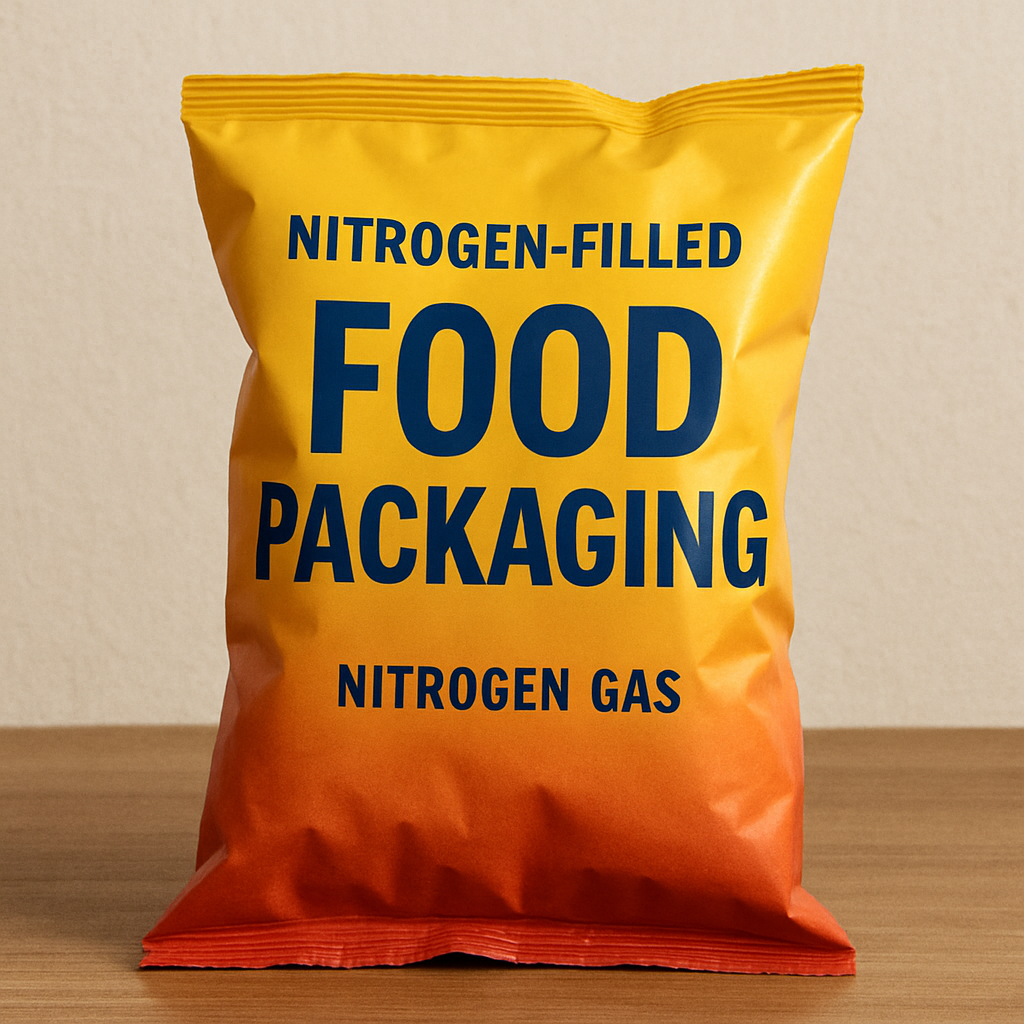
In the realm of food safety and preservation, the use of nitrogen in food packaging has become a staple technique. But what exactly does nitrogen do, and why is it crucial for your food’s shelf life? This article delves into the science behind nitrogen in food packaging, its benefits, and its impact on food safety.
Understanding Nitrogen in Food Packaging
Nitrogen is a colorless, odorless gas that makes up about 78% of the air we breathe. In the food industry, nitrogen is often used as a protective atmosphere in packaging to preserve freshness and extend the shelf life of products.
How Nitrogen Works in Food Packaging
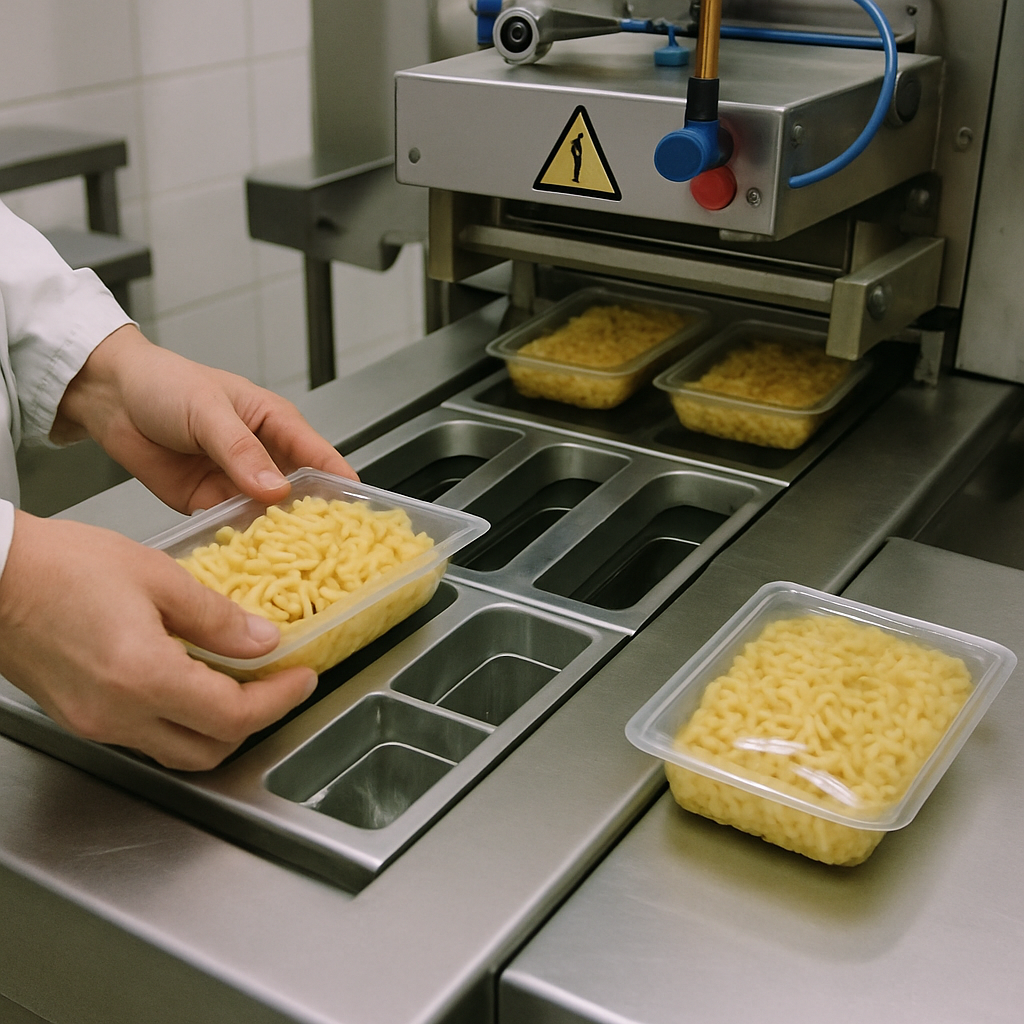
When food is packaged, it is crucial to minimize the exposure to oxygen, as oxygen can lead to spoilage and oxidation. This is where nitrogen comes into play. During the packaging process, nitrogen is flushed into the packaging to replace the oxygen. By doing so, the growth of aerobic bacteria and other organisms that thrive on oxygen is significantly reduced, thus maintaining the quality and safety of the food.
Types of Food Packaging Using Nitrogen
Nitrogen is particularly useful in the packaging of snacks like chips, nuts, and baked goods. It’s also prevalent in the preservation of coffee, tea, and other perishable food items. By creating a nitrogen-rich environment, these products remain fresh and flavorful for a longer period.
The Importance of Nitrogen in Food Safety
Food safety is a paramount concern for both consumers and manufacturers. The incorporation of nitrogen in packaging plays a significant role in ensuring that food products remain safe to consume.
Extending Shelf Life
One of the primary benefits of using nitrogen in food packaging is the extension of shelf life. By displacing oxygen, nitrogen helps prevent the growth of spoilage organisms and the oxidation of fats and oils, which can lead to rancidity. This not only keeps the food tasting better for longer but also reduces food waste.
Preserving Nutritional Quality
In addition to extending shelf life, nitrogen helps in preserving the nutritional quality of food. Oxygen exposure can degrade vitamins and other essential nutrients in food. By maintaining a low-oxygen environment, nitrogen packaging helps retain the nutritional value of the food, ensuring that consumers receive the health benefits they expect.
Reducing the Need for Preservatives
The use of nitrogen in packaging can also reduce the need for added preservatives. As nitrogen effectively slows down spoilage and oxidation, manufacturers can rely less on chemical preservatives, leading to cleaner labels and potentially healthier food options for consumers.
The Role of Modified Atmosphere Packaging (MAP)
Modified Atmosphere Packaging (MAP) is a technology that uses gas mixtures, including nitrogen, to extend the shelf life of perishable goods. In MAP, the natural air inside the packaging is replaced with a mixture of gases suited to the product’s needs.
How MAP Works
MAP involves balancing gases like nitrogen, carbon dioxide, and oxygen to create an optimal environment for preserving food. For instance, a high nitrogen and low oxygen atmosphere is ideal for most snack foods, while fresh produce might require a different balance to avoid spoilage while maintaining freshness.
Benefits of MAP
- Flexibility: MAP can be tailored to suit different types of food products, enhancing their shelf life and quality.
- Reduced Spoilage: By controlling the gas mixture, MAP significantly reduces spoilage and waste.
- Improved Product Appeal: MAP helps maintain the color, texture, and taste of food products, improving their appeal to consumers.
Challenges and Considerations
 by David Mendoza (https://unsplash.com/@sunhides)
While nitrogen in food packaging offers numerous benefits, there are also challenges and considerations manufacturers must address.
Cost Implications
The use of nitrogen and MAP technologies can be more expensive than traditional packaging methods. The costs of gas mixtures and specialized equipment can add up, which may impact the final cost of the food product.
Environmental Impact
The production and use of nitrogen gas have environmental implications. Manufacturers must consider the sustainability of their practices and explore ways to minimize their carbon footprint, such as using recyclable packaging materials and energy-efficient processes.
Consumer Perception
Despite the benefits, some consumers may have concerns about the use of gases in food packaging. Education and transparent communication about the safety and advantages of nitrogen packaging can help alleviate these concerns and build consumer trust.
Conclusion: The Future of Food Packaging
As the demand for safe, fresh, and long-lasting food products continues to rise, nitrogen in food packaging will remain a vital tool in the food industry. By understanding how it works and why it matters, consumers and manufacturers alike can appreciate the role it plays in enhancing food safety and quality.
Looking forward, advancements in packaging technology and increased awareness of environmental sustainability will shape the future of nitrogen use in food packaging. As we continue to innovate, the goal will be to balance the benefits of nitrogen with ecological considerations, ensuring a safer, more sustainable food supply for all.