In the world of fabrication shops, the choice between PSA nitrogen generators and liquid nitrogen systems is a significant one. Each option has its own set of advantages and disadvantages, and understanding these can help shop owners make an informed decision. This article explores the features, benefits, and challenges associated with PSA nitrogen generators, particularly Oxymat PSA nitrogen generators, and compares them with the more traditional liquid nitrogen systems.
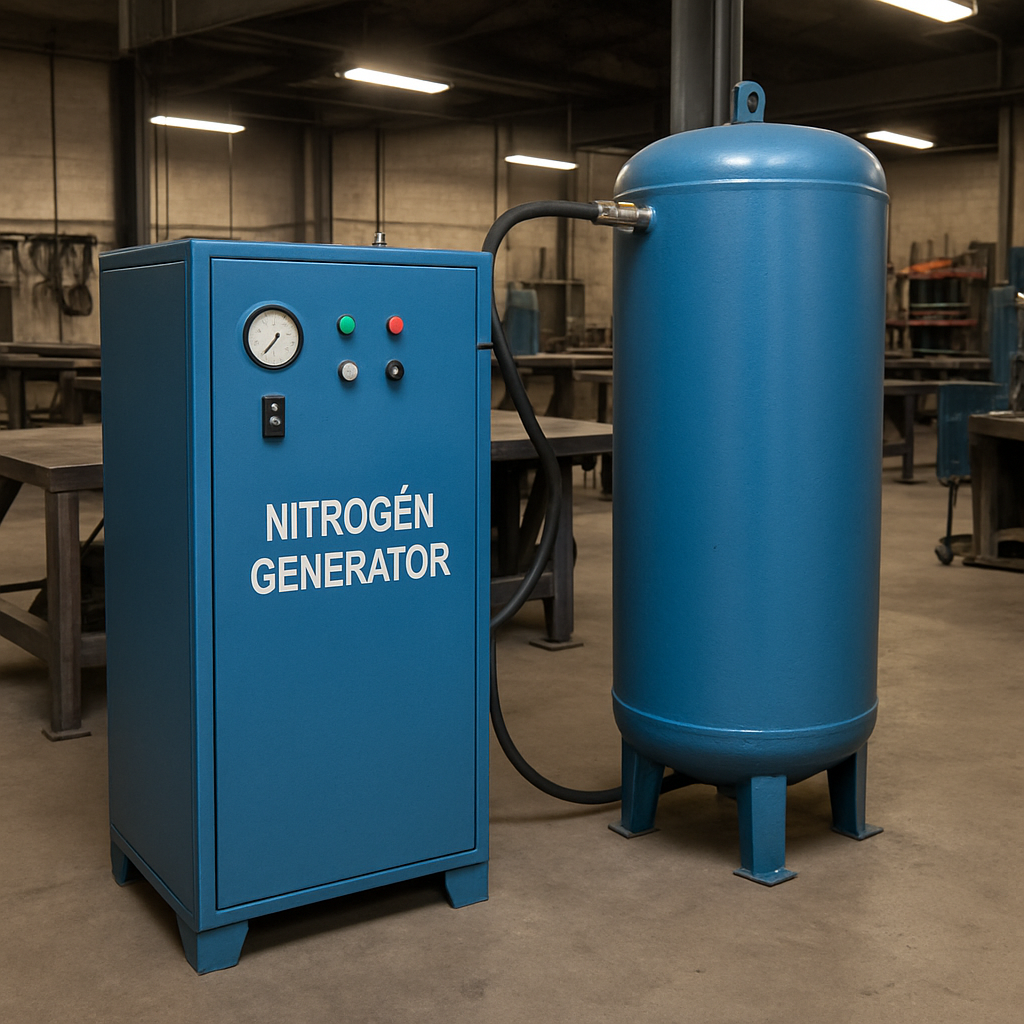
Nitrogen is an essential component in many industrial processes. In fabrication shops, it serves multiple purposes, from preventing oxidation during laser cutting to providing a protective atmosphere for certain types of welding. The choice between different nitrogen supply systems can affect operational efficiency, cost, and safety.
What Are PSA Nitrogen Generators?
PSA stands for Pressure Swing Adsorption. This technology separates nitrogen molecules from the air, providing a continuous supply of nitrogen gas. PSA nitrogen generators are popular in fabrication shops due to their ability to produce nitrogen on-site, eliminating the need for storage and transportation of liquid nitrogen.
Advantages of PSA Nitrogen Generators
- Cost-Effectiveness: Once installed, PSA nitrogen generators can significantly reduce the cost per unit of nitrogen compared to liquid nitrogen, as they eliminate the need for delivery and storage.
- On-Demand Supply: PSA generators provide a continuous supply of nitrogen, ensuring that fabrication processes are never interrupted due to a shortage.
- Safety: By producing nitrogen gas on-site, PSA systems reduce the risks associated with handling and storing liquid nitrogen, which can be hazardous at cryogenic temperatures.
- Environmental Impact: PSA nitrogen generators have a lower carbon footprint compared to the logistics involved in transporting liquid nitrogen.
Oxymat PSA Nitrogen Generators
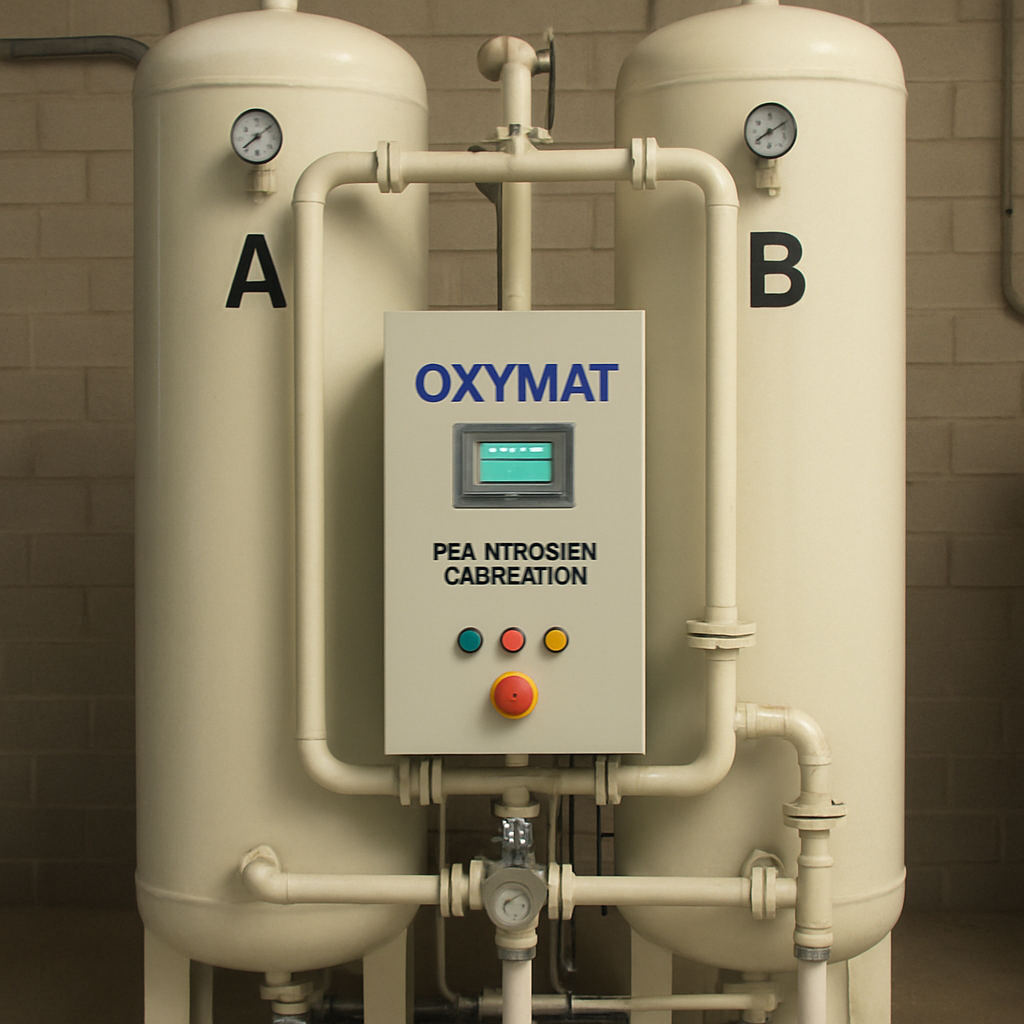
Oxymat is a leading manufacturer of PSA nitrogen gas generators. Known for their reliability and efficiency, Oxymat systems are designed to meet the demands of various industrial applications, including fabrication.
Features of Oxymat Generators
- High Purity Levels: Oxymat generators can produce nitrogen with purity levels up to 99.999%, suitable for even the most demanding applications.
- User-Friendly Interface: These systems are equipped with intuitive controls and monitoring systems, making them easy to operate and maintain.
- Scalability: Oxymat offers a range of models, allowing fabrication shops to choose a system that matches their specific nitrogen requirements.
- Robust Construction: Designed to withstand harsh industrial environments, Oxymat generators are built with durable materials ensuring long-term reliability.
Liquid Nitrogen Systems
Liquid nitrogen systems have been a staple in many fabrication shops for decades. They rely on the delivery and storage of liquid nitrogen, which is then vaporized as needed for various processes.
Advantages of Liquid Nitrogen
- High Storage Capacity: Liquid nitrogen systems can store large volumes, making them suitable for operations with fluctuating nitrogen demands.
- Immediate Availability: Once in storage, liquid nitrogen can be vaporized quickly, providing immediate access for urgent applications.
- Purity: Liquid nitrogen generally offers high purity levels, essential for specific fabrication processes requiring inert atmospheres.
Challenges of Liquid Nitrogen Systems
 by Omar Rodriguez (https://unsplash.com/@e90two)
- High Operational Costs: The logistics of delivering and storing liquid nitrogen can lead to higher operational costs compared to on-site generation.
- Safety Concerns: Handling liquid nitrogen requires strict safety protocols due to its extremely low temperatures, which can cause severe injuries.
- Storage Space: Liquid nitrogen requires significant storage space, often necessitating costly infrastructure investments.
- Supply Chain Dependency: Shops relying on liquid nitrogen are dependent on external suppliers, which can be a liability if there are delivery disruptions.
Comparing PSA Nitrogen Generators and Liquid Nitrogen
When deciding between PSA nitrogen generators and liquid nitrogen systems, fabrication shops must weigh several factors.
Cost Analysis
While the initial investment for PSA nitrogen generators can be higher, the long-term savings from reduced operational costs often justify the expense. Liquid nitrogen, with its ongoing delivery and storage costs, can become more expensive over time.
Safety Considerations
PSA nitrogen generators offer a safer alternative by eliminating the need to handle cryogenic liquids. This reduces the risk of accidents and the need for extensive safety training.
Environmental Impact
PSA nitrogen generators have a smaller environmental footprint. By reducing the need for transportation and minimizing energy consumption, they offer a more sustainable option.
Flexibility and Scalability
For shops with varying nitrogen needs, PSA nitrogen generators provide flexibility. They can be scaled up or down based on demand, while liquid nitrogen systems often require pre-planned deliveries to accommodate changing needs.
Conclusion
In conclusion, the choice between PSA nitrogen generators and liquid nitrogen systems in fabrication shops hinges on various operational, economic, and environmental factors. While liquid nitrogen systems have been a reliable choice for many years, the benefits of on-site nitrogen generation, particularly with advanced systems like Oxymat PSA nitrogen generators, are becoming increasingly attractive. They offer cost savings, safety improvements, and environmental benefits that make them a compelling option for modern fabrication shops looking to optimize their processes and reduce operational risks.
Ultimately, the decision will depend on the specific needs and priorities of each shop. However, as technology advances, the trend towards on-site nitrogen generation is likely to continue, offering a new standard for efficiency and safety in fabrication.