Laboratories are constantly seeking ways to optimize their operations and reduce costs. One of the most effective solutions gaining traction is on-site nitrogen generation. By producing nitrogen gas directly within the lab, facilities can cut down on expenses, improve efficiency, and enhance safety. In this article, we’ll explore the benefits of on-site nitrogen generation systems and why they are becoming an indispensable asset for modern laboratories.
Understanding On-Site Nitrogen Generation
What is On-Site Nitrogen Generation?
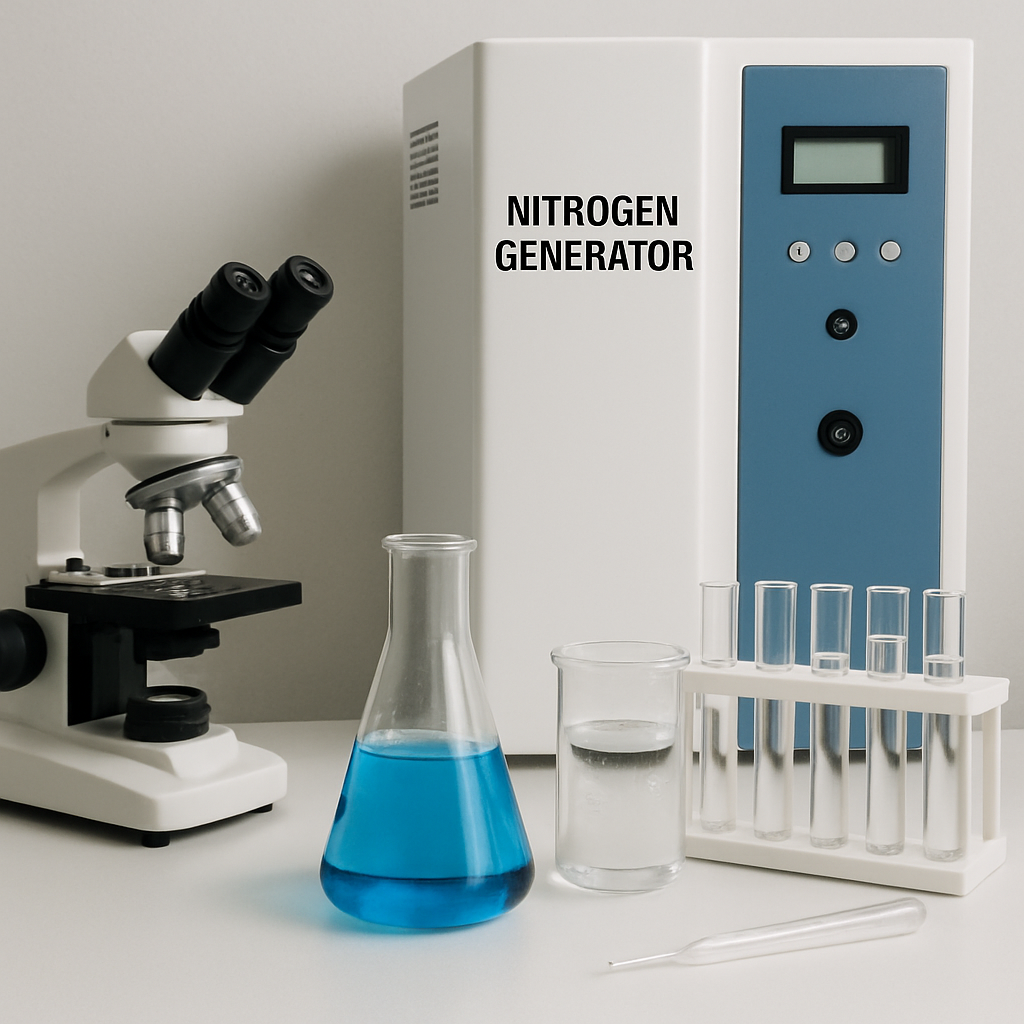
Onsite nitrogen generation is a process where nitrogen gas is produced at the point of use, rather than being supplied by external vendors. This method utilizes nitrogen generation systems that extract nitrogen from the ambient air, which is comprised of approximately 78% nitrogen, through techniques such as pressure swing adsorption (PSA) or membrane separation.
How Do Nitrogen Generation Systems Work?
Nitrogen generation systems typically use compressors to draw in air, which is then filtered to remove impurities. The air is passed through a nitrogen generator where either PSA or membrane technology separates the nitrogen molecules from oxygen and other gases. The result is a pure stream of nitrogen ready for laboratory applications.
Advantages of On-Site Nitrogen Generation
Cost Efficiency
One of the primary advantages of on-site nitrogen generation is cost savings. Traditional methods of obtaining nitrogen involve purchasing and transporting gas cylinders or liquid nitrogen tanks. These not only incur higher costs but also involve rental fees, delivery charges, and potential price fluctuations.
By generating nitrogen on-site, labs can significantly reduce these expenses. The initial investment in a nitrogen generator is often offset by the savings from not having to purchase nitrogen from external suppliers. Moreover, the operational costs of running a nitrogen generator are generally lower than the recurring expenses of cylinder deliveries.
Continuous Supply and Reliability
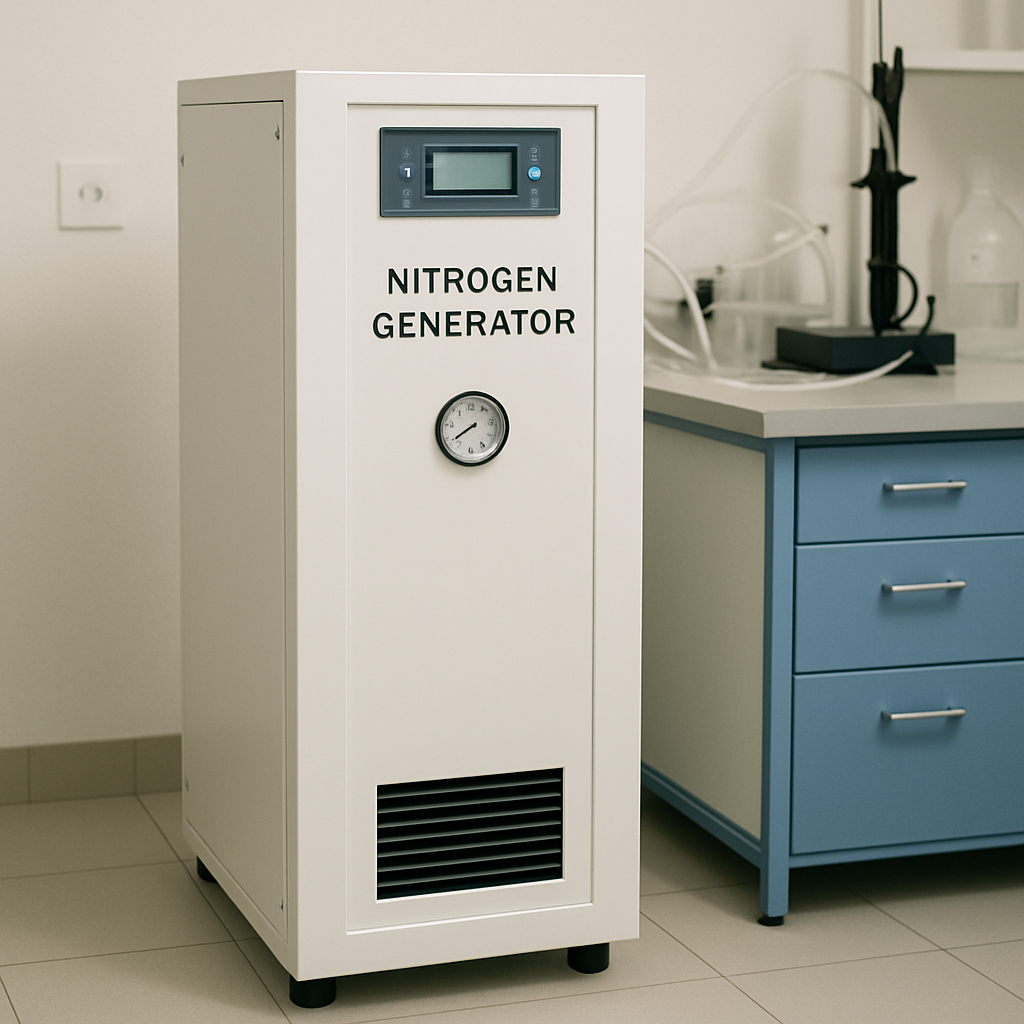
Reliability is crucial in any laboratory setting. On-site nitrogen generation provides a continuous supply of nitrogen, eliminating the risk of running out at critical times. This uninterrupted supply ensures that experiments and processes can proceed without delays, enhancing productivity and reducing downtime.
Enhanced Safety
Handling and storing gas cylinders can pose safety risks, including potential gas leaks and cylinder handling accidents. On-site nitrogen generation mitigates these risks by reducing the need for cylinder storage and handling. With a nitrogen generator, the gas is produced only as needed, minimizing storage requirements and enhancing overall safety within the lab environment.
Environmental Impact
On-site nitrogen generation is also more environmentally friendly compared to traditional methods. By minimizing the need for transportation and reducing the carbon footprint associated with cylinder delivery, laboratories can contribute to a more sustainable operation. Additionally, since the generators use ambient air to produce nitrogen, there is no depletion of natural resources.
Applications of On-Site Nitrogen Generation in Labs
Chromatography
Chromatography techniques, such as gas chromatography (GC) and liquid chromatography-mass spectrometry (LC-MS), require high-purity nitrogen as a carrier gas. On-site nitrogen generation provides a reliable and consistent supply of the required nitrogen, ensuring accurate and efficient analytical results.
Sample Preparation
Sample preparation processes often involve nitrogen to evaporate solvents and concentrate samples. On-site nitrogen generation systems provide the necessary purity and flow rates to support these critical operations, enhancing both speed and efficiency.
Inerting and Blanketing
Inerting and blanketing applications use nitrogen to displace oxygen and moisture, protecting sensitive materials and reactions. On-site nitrogen generation ensures a constant supply of nitrogen for these purposes, safeguarding the integrity of experiments and products.
Choosing the Right Nitrogen Generation System
 by Georg Eiermann (https://unsplash.com/@georgeiermann)
When selecting a nitrogen generation system for your lab, consider the following factors:
- Capacity Needs: Determine the volume of nitrogen required to support your laboratory’s operations. This will guide you in choosing a system with the appropriate capacity.
- Purity Requirements: Different applications require varying levels of nitrogen purity. Ensure the system you choose can meet the specific purity standards needed for your lab’s processes.
- Technology Type: Decide between PSA or membrane technology based on your lab’s specific requirements. PSA systems generally provide higher purity levels, while membrane systems are often more compact and cost-effective.
- Maintenance and Support: Assess the maintenance needs and availability of technical support for the nitrogen generation system. Regular maintenance is crucial for ensuring optimal performance and longevity of the equipment.
Conclusion
On-site nitrogen generation is a game-changer for laboratories seeking to reduce costs, enhance efficiency, and improve safety. By investing in nitrogen generation systems, labs can enjoy a continuous, reliable supply of nitrogen while minimizing their environmental impact. As more facilities recognize the benefits, on-site nitrogen generation is poised to become the standard for modern laboratories worldwide.
Incorporating on-site nitrogen generation into your lab operations is a strategic move that can yield significant cost savings and operational improvements. By carefully selecting the right system and leveraging its capabilities, laboratories can achieve their scientific goals more effectively and sustainably.