In today’s fast-paced industrial world, nitrogen generation systems have become indispensable. Whether you’re in manufacturing, food processing, or pharmaceuticals, having an on-site nitrogen generator can significantly enhance efficiency and reduce costs. However, one of the first considerations when planning to install a nitrogen generator is understanding the space requirements. Let’s delve into what you need to know about the space needed for a nitrogen generation package.
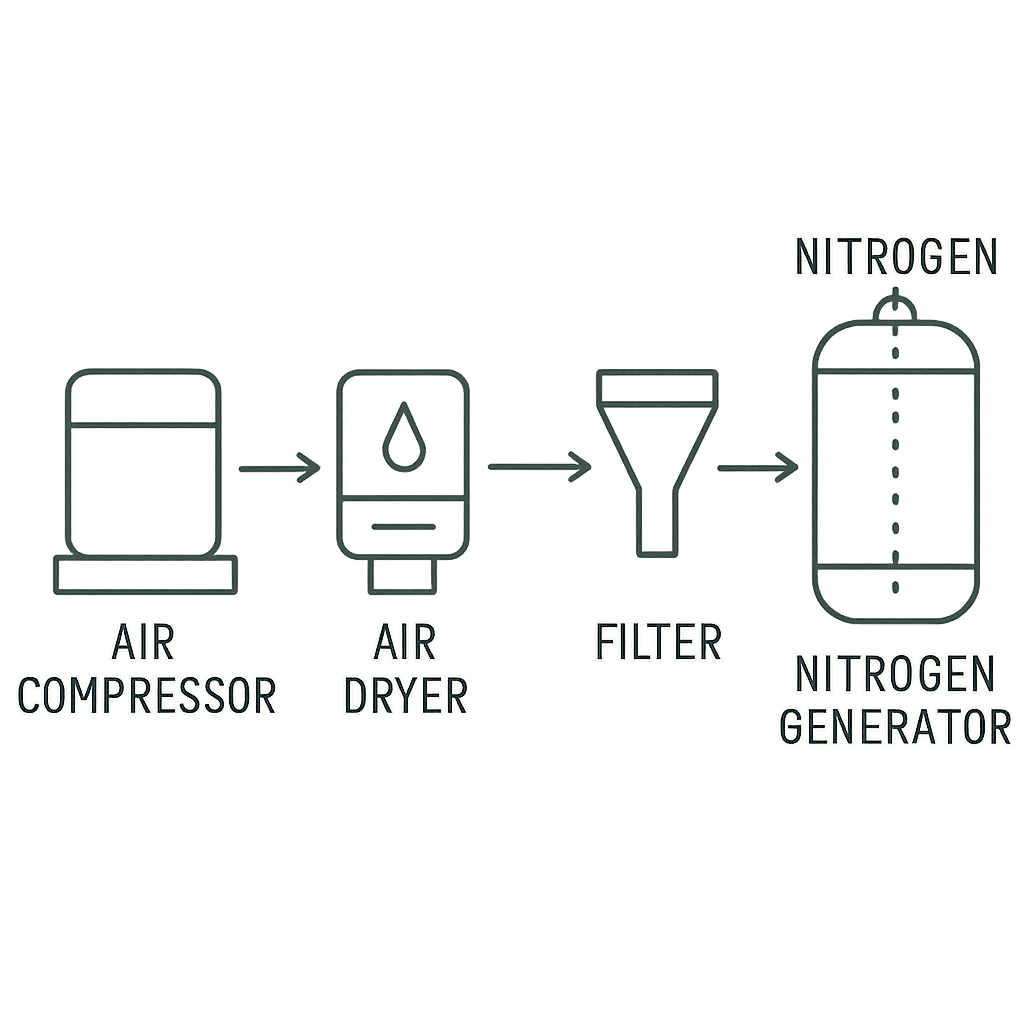
Before we jump into space considerations, it’s crucial to understand what a nitrogen generator is and why it’s essential. A nitrogen generator is a piece of equipment that separates nitrogen from the air, providing a continuous supply of nitrogen gas on-site. This eliminates the need for nitrogen gas deliveries and the hassles of tank rentals.
The Basics of Nitrogen Generation
Nitrogen generators come in different types, but the most common ones include Pressure Swing Adsorption (PSA) and Membrane nitrogen generators. Each type has its own space and operational requirements.
- Pressure Swing Adsorption (PSA) Nitrogen Generators: These systems use a pair of towers filled with carbon molecular sieve (CMS). Compressed air enters the towers, and while one tower is producing nitrogen, the other is regenerating itself. This type often requires more space due to its design.
- Membrane Nitrogen Generators: These systems use a series of hollow fibers that separate nitrogen from oxygen as air passes through them. Membrane systems are typically more compact than PSA systems.
Determining Space Requirements
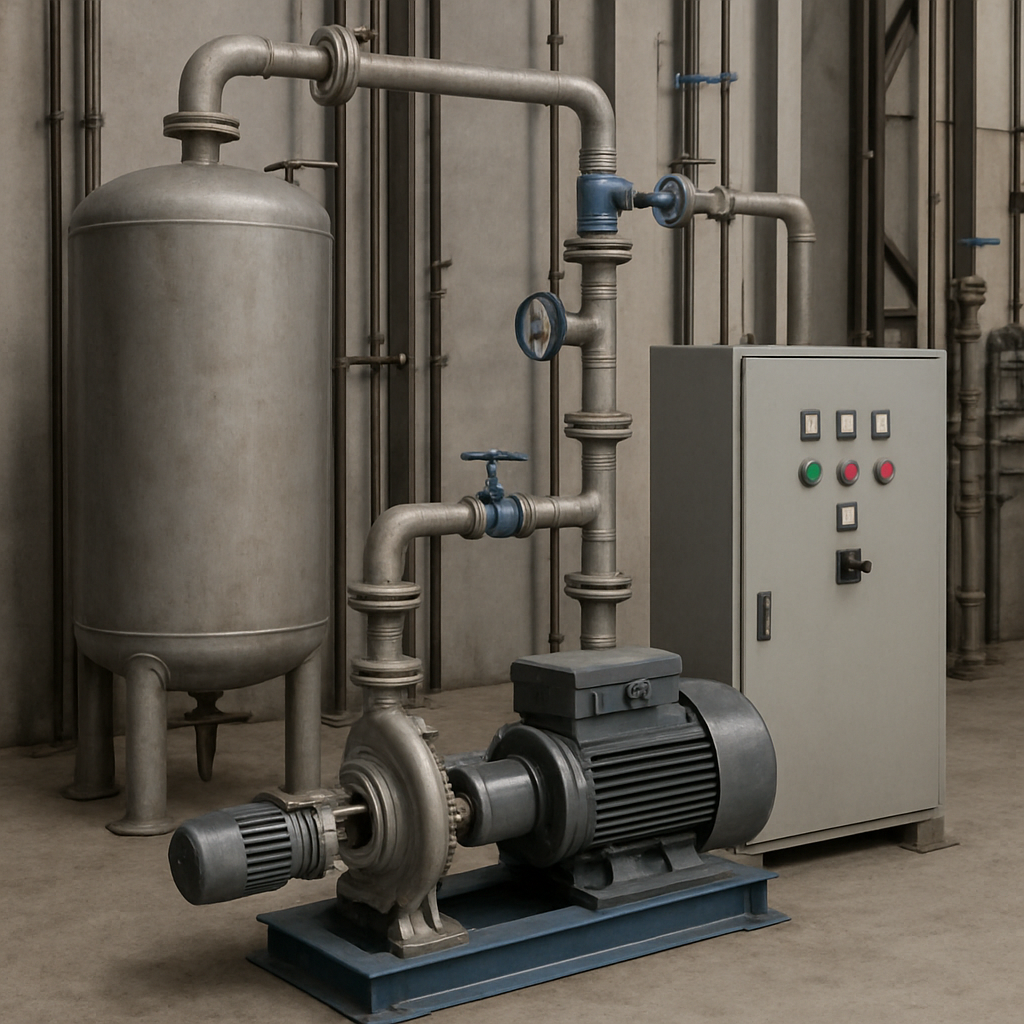
Several factors influence how much space you’ll need for your nitrogen generator. Here’s a breakdown of what to consider:
Size of the Generator
The size of the nitrogen generator itself is the most obvious space consideration. Generators come in various sizes and capacities, depending on the amount of nitrogen your operation requires. For a small operation, a compact membrane system might fit in a small utility room, while larger PSA systems may need a dedicated space.
Additional Equipment
In addition to the generator, you may need space for auxiliary equipment. This can include:
- Air Compressors: Essential for supplying the compressed air required by the generator.
- Air Dryers and Filters: These ensure the air entering the generator is free of moisture and particulates.
- Storage Tanks: Depending on your usage, you might need tanks to store nitrogen gas.
Accessibility and Maintenance
When planning your space, consider accessibility for maintenance and operation. Generators need regular servicing, so ensure there’s enough room to access all parts of the system easily.
Ventilation and Environmental Factors
Nitrogen generators need proper ventilation to operate safely and efficiently. Ensure your space has adequate airflow and meets any environmental regulations.
Practical Space Planning
Assessing Your Facility
Start by assessing the available space in your facility. Measure the dimensions of your potential installation area and compare them with the specifications of the nitrogen generator models you’re considering.
Customizing the Installation
 by Fabian Kleiser (https://unsplash.com/@fabiankleiser)
If space is limited, consider customizing your installation. Many manufacturers offer modular systems that can be tailored to fit unique spaces. Discuss your needs with suppliers to find a configuration that works for you.
Future Expansion
Plan for the future. If your nitrogen needs may increase, consider allocating additional space now to accommodate a larger generator or more equipment later. This foresight can save time and money in the long run.
Case Studies and Real-World Examples
Manufacturing Plant Example
A medium-sized manufacturing plant required a nitrogen generator to support its production line. They opted for a PSA system, which needed a dedicated area of 100 square feet. By planning their space efficiently, they managed to incorporate all necessary equipment, including compressors and storage tanks, while allowing for easy access and maintenance.
Food Processing Facility Example
A food processing facility with limited space chose a membrane nitrogen generator due to its compact design. They fit the entire system, including air dryers and filters, into an existing utility room of 50 square feet, optimizing the layout for maintenance accessibility.
Conclusion
Understanding the space requirements for a nitrogen generation package is crucial for a successful installation. Consider the size of the generator, additional equipment, accessibility, and future needs when planning your space. By carefully evaluating these factors, you can ensure a smooth setup that meets your operational demands.
Investing in a nitrogen generator is a significant step toward improving efficiency and reducing costs. With proper planning and consideration of space requirements, you can make this transition seamlessly. Consult with manufacturers and suppliers to explore the best options tailored to your facility’s needs, and enjoy the benefits of on-site nitrogen generation.