# Why Nitrogen Gas Is Used in Food Packaging: Benefits, Safety, and How It Works
Food safety and preservation are major concerns for both manufacturers and consumers alike. The quality and freshness of food are imperative, and the packaging process plays a significant role in ensuring these elements. One notable method used in the food industry to maintain freshness and extend shelf life is nitrogen gas packaging. But why is nitrogen gas favored over other gases, and how does it work? This article will explore the benefits, safety, and mechanisms behind using nitrogen gas in food packaging.
Understanding the Role of Nitrogen Gas
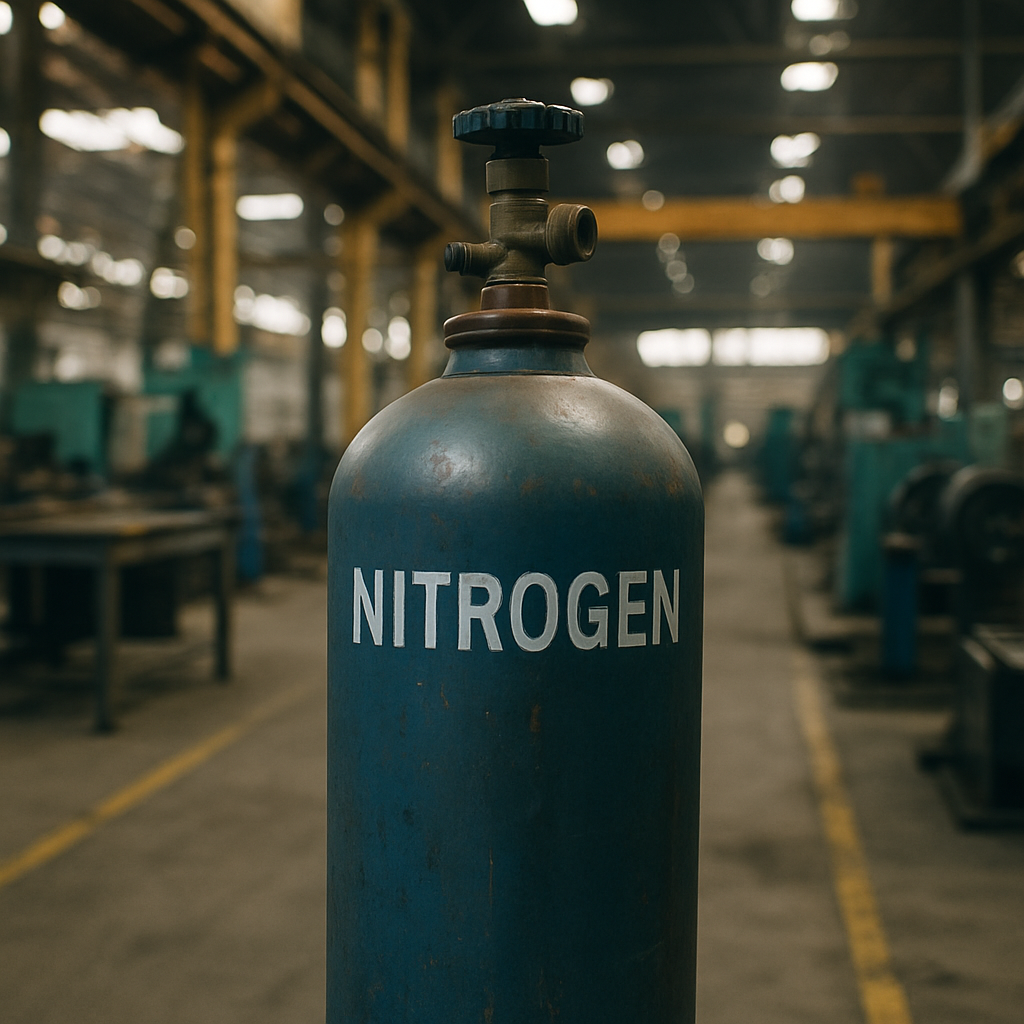
Nitrogen is a colorless, odorless gas that makes up about 78% of the Earth’s atmosphere. It is non-reactive, meaning it does not easily combine with other elements. This inert quality makes nitrogen ideal for use in food packaging, as it doesn’t interact with the food products it surrounds.
The Science Behind Nitrogen Gas Packaging
In food packaging, nitrogen gas is used to replace the oxygen inside the packaging. Oxygen can lead to oxidation, which is a chemical reaction that can spoil food. For instance, when oxygen is present, it can cause fats to go rancid, change the color of fruits and vegetables, and encourage the growth of aerobic bacteria and molds.
By displacing oxygen with nitrogen, the risk of these undesirable reactions is significantly reduced. The absence of oxygen also helps maintain the flavor, aroma, and texture of the food, ensuring it remains appetizing and fresh for longer periods.
Benefits of Nitrogen Gas in Food Packaging
Extending Shelf Life
One of the primary advantages of using nitrogen gas in food packaging is the extension of shelf life. By minimizing oxidation and microbial growth, food products can remain on store shelves or in pantries for extended periods without losing quality. This is particularly beneficial for items like snack foods, coffee, nuts, and fresh produce.
Maintaining Freshness and Quality
Nitrogen gas helps preserve the original taste, texture, and appearance of food. For example, using nitrogen in packaging chips prevents them from going stale. Similarly, it maintains the rich aroma of coffee, ensuring that consumers experience the product as intended.
Enhancing Food Safety
Food safety is a top priority for manufacturers and consumers. By using nitrogen gas, the risk of foodborne illnesses caused by microbial growth is reduced. This method also decreases the need for chemical preservatives, making products safer and more appealing to health-conscious consumers.
How Nitrogen Gas Packaging Works
The Modified Atmosphere Packaging (MAP) Process
Nitrogen gas packaging is a part of a broader technique known as Modified Atmosphere Packaging (MAP). This process involves altering the atmosphere inside the packaging to ensure optimal conditions for preservation. Here’s how it typically works:
- Filling the Package: The food product is placed inside the packaging material.
- Flushing with Nitrogen: The package is flushed with nitrogen gas, displacing the oxygen and other atmospheric gases.
- Sealing the Package: Once the desired atmosphere is achieved, the package is sealed to maintain the modified atmosphere.
This method is used across various food products, from fresh produce and meats to dry goods and snacks.
Equipment and Technology
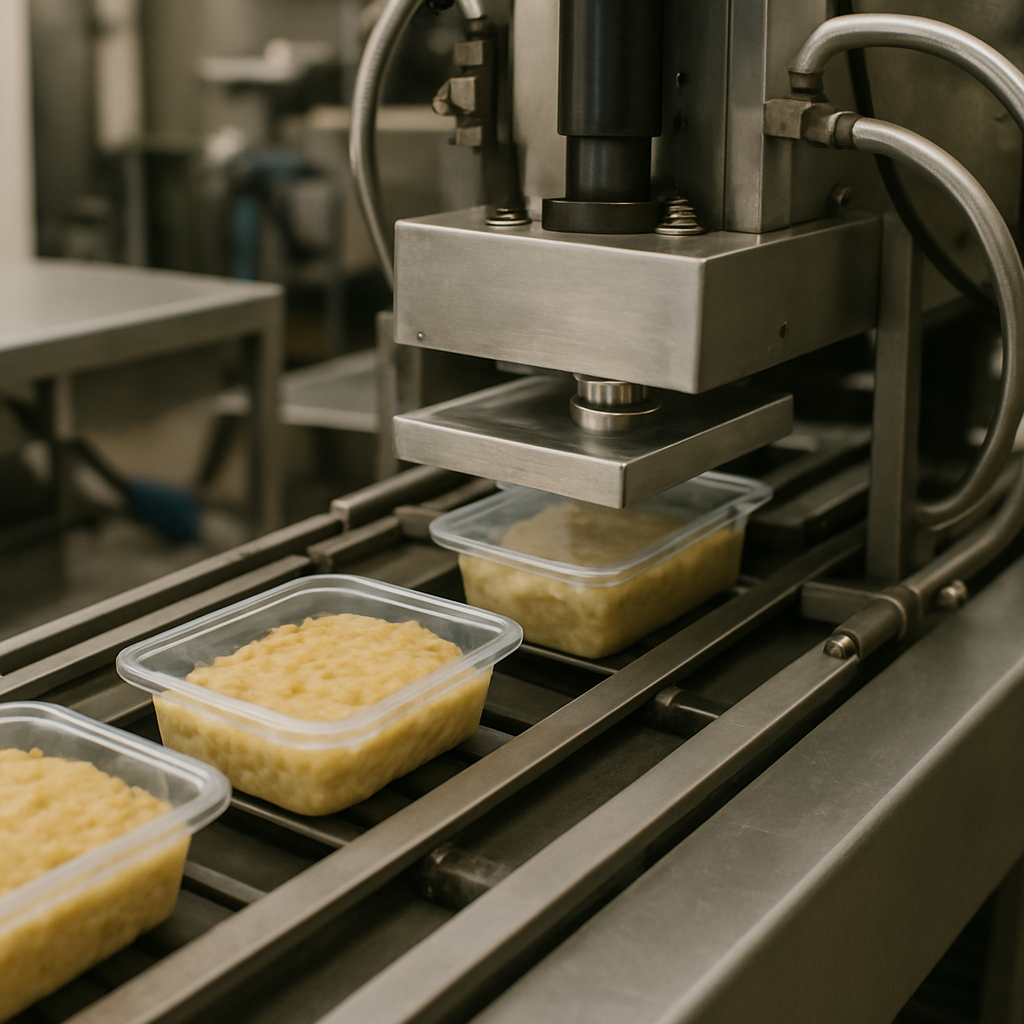
The use of nitrogen gas in packaging requires specialized equipment. Packaging machines are designed to carefully control the gas levels inside the packages, ensuring the correct balance for each product type. These machines are crucial for achieving the desired shelf life and quality preservation.
 by Inna Safa (https://unsplash.com/@innasafa)
Safety and Environmental Considerations
Safety of Nitrogen Gas
Nitrogen is a naturally occurring element and is generally considered safe for use in food packaging. It is non-toxic and non-reactive, which means it does not pose health risks to consumers when used correctly. The food industry ensures compliance with safety regulations and standards to maintain the safety of packaged foods.
Environmental Impact
From an environmental standpoint, nitrogen gas packaging is relatively benign. Since nitrogen is abundant in the atmosphere, its use does not deplete natural resources. Additionally, reducing food spoilage through effective packaging helps decrease food waste, contributing to more sustainable consumption patterns.
Conclusion
Nitrogen gas plays a critical role in modern food packaging, offering a host of benefits from extending shelf life to enhancing food safety. By understanding how nitrogen works to preserve food, consumers and manufacturers can appreciate the technology that keeps our food fresh and safe. As the demand for high-quality, long-lasting food products continues to grow, nitrogen gas packaging remains a cornerstone of food preservation strategies.
Incorporating nitrogen gas into packaging processes is a testament to the innovative approaches the food industry adopts to meet consumer needs. Whether you’re enjoying a bag of crispy chips or brewing a fresh cup of coffee, nitrogen gas has likely played a part in preserving that experience.