In the world of scientific research, precision and reliability are paramount. Laboratories require a consistent supply of high-quality gases to conduct experiments, perform analyses, and ensure accurate results. One such essential gas is nitrogen. Traditionally, laboratories have relied on gas cylinders to meet their nitrogen needs. However, more and more facilities are discovering the numerous benefits of using a laboratory nitrogen generator. This article will delve into the various advantages of employing a nitrogen generator in a laboratory setting.
What is a Laboratory Nitrogen Generator?
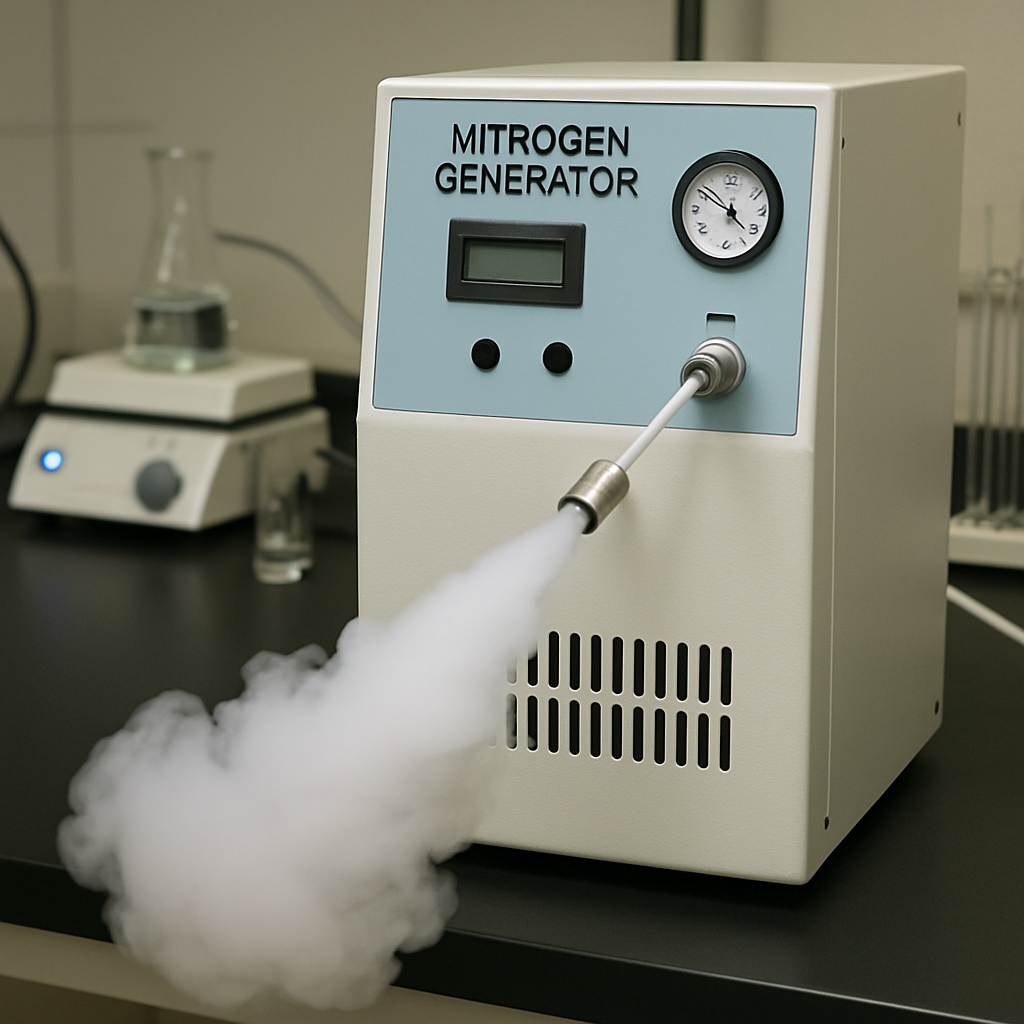
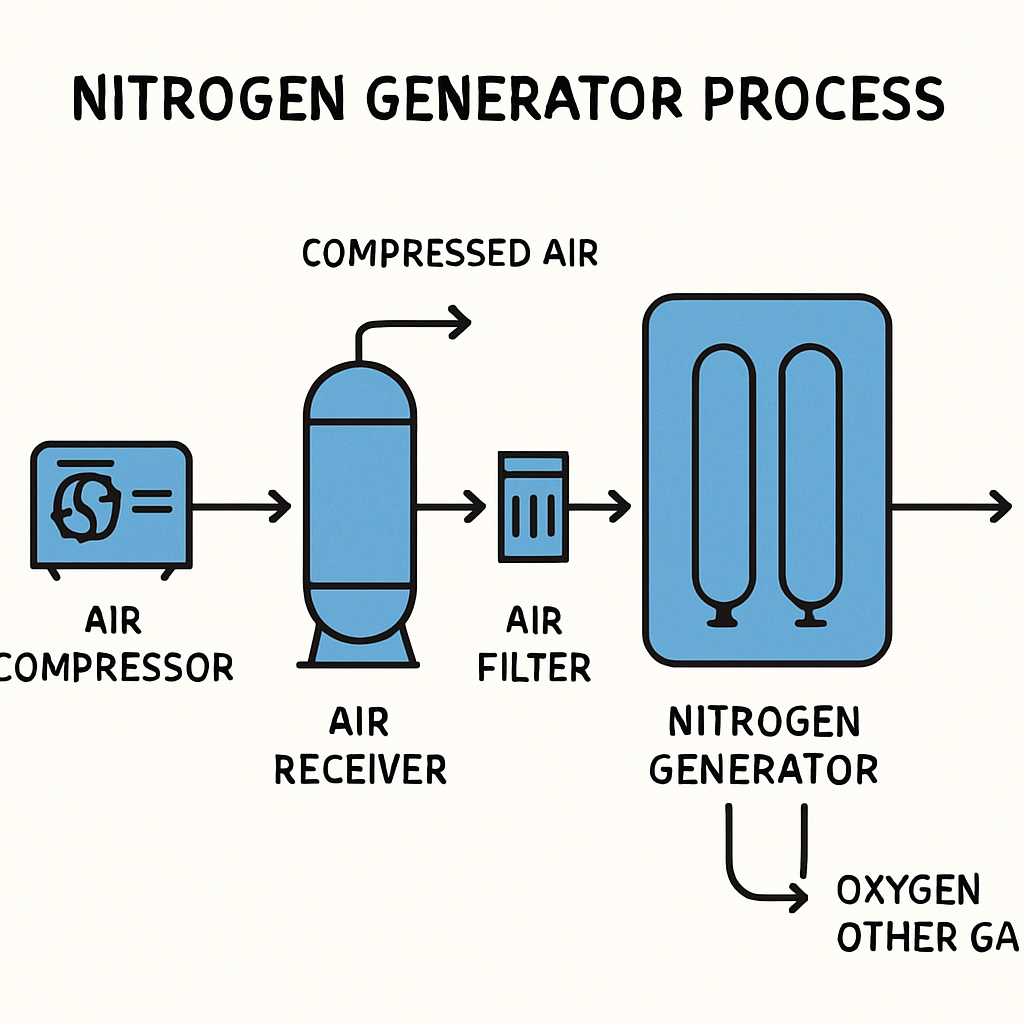
A laboratory nitrogen generator is a device that produces nitrogen gas on-site, eliminating the need for gas cylinders. These generators utilize advanced filtration technologies, such as Pressure Swing Adsorption (PSA) or Membrane technology, to separate nitrogen from the air, delivering a continuous supply of pure nitrogen gas.
How Does it Work?
Nitrogen generators operate by filtering out other gases present in the air, such as oxygen and carbon dioxide, leaving behind nitrogen. The two primary methods used are:
- Pressure Swing Adsorption (PSA): This technology relies on a carbon molecular sieve to adsorb oxygen under pressure. Once the pressure is released, oxygen is desorbed, leaving high-purity nitrogen.
- Membrane Technology: This method uses semi-permeable membranes to separate nitrogen from other gases. The membranes allow oxygen and water vapor to permeate while retaining nitrogen.
Both methods are efficient and provide a reliable source of nitrogen gas, tailored to meet laboratory needs.
Key Benefits of Using a Laboratory Nitrogen Generator
Consistent Supply
One of the most significant advantages of a laboratory nitrogen generator is the continuous, on-demand supply of nitrogen gas. Unlike gas cylinders that require regular replacement, a nitrogen generator ensures that your lab never runs out of nitrogen, thus preventing any disruption in research activities.
Cost-Effective
Investing in a nitrogen generator can lead to substantial cost savings over time. With a generator, there’s no need to purchase, store, or replace gas cylinders. This eliminates the recurring costs associated with cylinder rental, delivery, and handling. Additionally, the efficiency of nitrogen generators means lower energy consumption, further reducing operational expenses.
Enhanced Safety
Handling high-pressure gas cylinders poses safety risks, including leaks and potential accidents during transportation and storage. A laboratory nitrogen generator mitigates these risks by producing nitrogen at low pressure, minimizing the chance of accidents. This leads to a safer working environment for laboratory personnel.
Purity and Quality Control
Nitrogen generators provide high-purity nitrogen, often exceeding the purity levels obtained from gas cylinders. The ability to control purity levels ensures that laboratories can tailor the nitrogen supply to meet specific experimental requirements, leading to more accurate and reliable results.
Environmental Impact
Using a nitrogen generator reduces the environmental footprint of a laboratory. It eliminates the need for cylinder transportation, reducing greenhouse gas emissions associated with vehicle deliveries. Furthermore, nitrogen generators consume less energy compared to the processes involved in producing and transporting cylinder gases.
Space-Saving Solution
Gas cylinders require significant storage space and proper handling infrastructure. A laboratory nitrogen generator, on the other hand, is compact and can be easily integrated into existing laboratory setups. This space-saving feature is especially beneficial for labs with limited space.
Applications of Laboratory Nitrogen Generators
Laboratory nitrogen generators are versatile and can be used in a variety of applications, including:
- Gas Chromatography (GC): High-purity nitrogen is essential for carrier gas in GC, ensuring accurate analysis and results.
- Liquid Chromatography-Mass Spectrometry (LC-MS): Nitrogen is used to assist in the ionization process, vital for detecting and analyzing compounds.
- Sample Evaporation: Nitrogen generators are used to evaporate solvents in sample preparation, enhancing concentration and purity.
- Inert Atmosphere: Maintaining an inert atmosphere is crucial for sensitive chemical reactions, and nitrogen generators provide a reliable solution.
Case Study: Enhancing Laboratory Efficiency
A leading research laboratory specializing in pharmaceutical analysis recently switched to a laboratory nitrogen generator. Previously, they relied on traditional gas cylinders, which led to frequent interruptions and additional expenses. Since installing the nitrogen generator, the lab has experienced a seamless nitrogen supply, reduced costs, and improved safety, significantly boosting their operational efficiency.
 by Nathan Rimoux (https://unsplash.com/@nathan_rmx)
Choosing the Right Nitrogen Generator
When selecting a laboratory nitrogen generator, consider the following factors:
- Flow Rate: Determine the required flow rate based on laboratory applications and anticipated demand.
- Purity Level: Ensure the generator can provide the purity level necessary for specific experiments.
- Technology: Decide between PSA and membrane technology based on the lab’s specific needs and budget.
- Maintenance: Consider the maintenance requirements and ensure that service and support are readily available.
Conclusion
Laboratory nitrogen generators offer numerous benefits, including a consistent nitrogen supply, cost savings, enhanced safety, and environmental advantages. By investing in a nitrogen generator, laboratories can improve efficiency, ensure high-quality results, and create a safer, more sustainable working environment. As more labs recognize these advantages, the shift from traditional gas cylinders to nitrogen generators is becoming an industry standard. Make the change today, and experience the transformative impact of a laboratory nitrogen generator on your research capabilities.