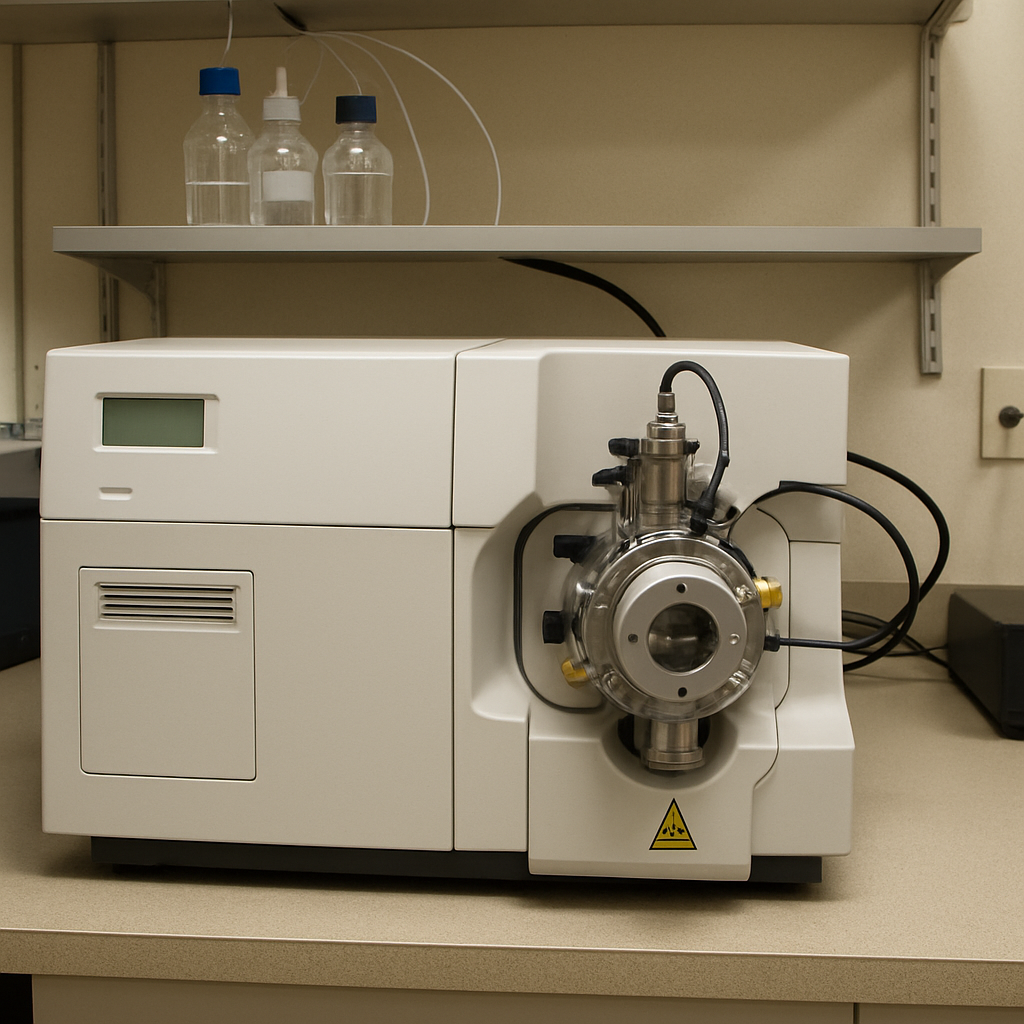
Nitrogen is often used as a carrier gas in mass spectrometry due to its inert properties and availability. It is not reactive, which means it does not interfere with the ionization process, making it an ideal choice for maintaining the integrity of the sample being analyzed. Additionally, its widespread availability and relatively low cost make nitrogen an economically viable option for laboratories around the world.
The role of nitrogen extends beyond just being a passive carrier. It actively aids in the ionization process by providing a stable environment that facilitates the efficient transfer of ions through the mass spectrometer. The flow rate of nitrogen can significantly impact the quality and accuracy of the mass spectra produced. An optimal flow rate helps in minimizing the noise in the data, ensuring that the peaks in the mass spectrum are sharp and well-defined.
Why Is Nitrogen Flow Rate Important?
The nitrogen flow rate affects several critical aspects of mass spectrometry:
- Ionization Efficiency: A proper flow rate ensures that the sample is ionized efficiently, which is crucial for accurate detection and measurement. If the flow rate is too low, it might not provide enough support for the ionization process, leading to weak signals. Conversely, a flow rate that’s too high could cause excessive dispersion of ions, resulting in a loss of sensitivity.
- Resolution and Sensitivity: Incorrect flow rates can lead to poor resolution and decreased sensitivity, making it harder to distinguish between different ions in the sample. High-resolution mass spectrometry relies on precise control of the carrier gas to separate ions based on their mass-to-charge ratios effectively. Sensitivity is also directly linked to flow rate, as proper adjustments can enhance the detection of low-abundance ions.
- Reproducibility: Consistent nitrogen flow rates ensure reproducibility in results, which is essential for comparative studies and quality control. Variability in flow rate can lead to inconsistencies in data, undermining the reliability of results across different experiments or over time.
How to Measure Nitrogen Flow Rate
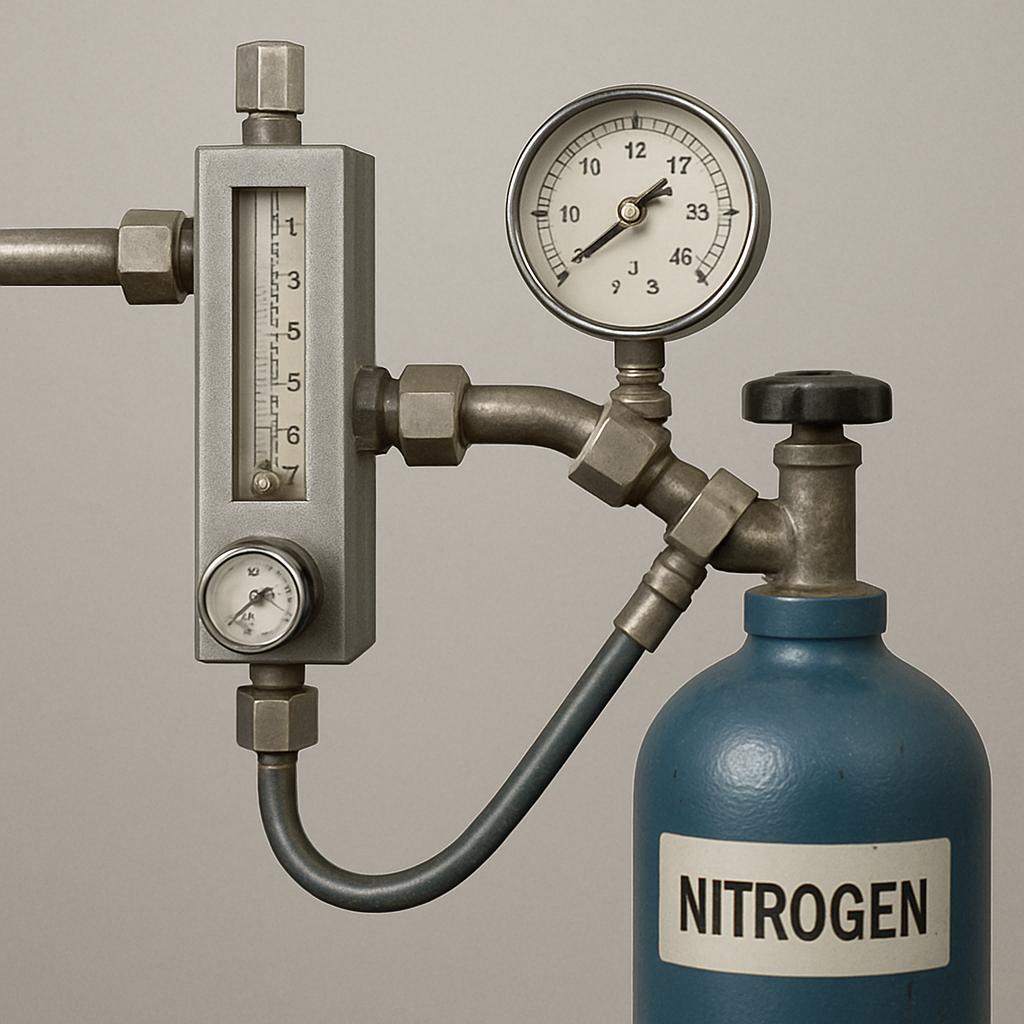
Proper measurement of nitrogen flow rate is key to maintaining the performance of your mass spectrometer. Here are some common methods used to measure the flow rate:
Direct Flow Measurement
Direct flow measurement involves using a flow meter to gauge the volume of nitrogen passing through the system. These devices can be mechanical or electronic, providing real-time data on flow rates. Mechanical flow meters often use a rotating vane or piston to measure the flow, while electronic meters use sensors to detect changes in flow velocity.
Flow meters are valuable tools because they offer immediate feedback, allowing operators to make quick adjustments as needed. This real-time data is crucial for ensuring that the flow rate remains within the optimal range, thereby supporting the consistent quality of mass spectrometry results.
Pressure-Based Flow Measurement
Another method involves measuring the pressure drop across a known restriction in the flow path. This pressure drop can be correlated to the flow rate using calibration data. The restriction, often a critical orifice or capillary, creates a predictable relationship between pressure and flow, enabling accurate flow measurements.
Pressure-based methods are advantageous in scenarios where direct measurement devices may not be feasible due to space constraints or other limitations. By carefully calibrating the system, these measurements can be highly reliable, providing an alternative or complementary approach to direct flow measurement.
Importance of Regular Calibration
Regular calibration of the flow measurement tools is essential for maintaining accuracy. Over time, equipment can drift or become less accurate, so routine checks and calibrations are necessary to ensure reliable measurements. Calibration involves comparing the flow meter’s readings against a known standard and adjusting it as necessary.
Neglecting regular calibration can lead to errors in flow rate measurements, which in turn can impact the quality of the mass spectrometry data. By establishing a routine calibration schedule, laboratories can maintain high standards of precision and reliability in their analytical processes.
Optimizing Nitrogen Flow Rate for Mass Spectrometry
 by National Cancer Institute (https://unsplash.com/@nci)
Optimizing the nitrogen flow rate involves balancing several factors to achieve the best performance from your mass spectrometer. The goal is to align the flow rate with the specific requirements of the analysis while adhering to the instrument’s capabilities.
Factors to Consider
- Instrument Specifications: Always refer to the manufacturer’s specifications for recommended flow rates. These guidelines are tailored to the instrument’s design and intended use. Deviating from these specifications can risk damaging the equipment or compromising the analysis.
- Sample Type and Size: Different samples may require different flow rates. For example, larger or more complex samples might need a higher flow rate for effective ionization. The sample’s physical and chemical properties, such as volatility and composition, can also influence the optimal flow rate.
- Desired Sensitivity and Resolution: Adjusting the flow rate can help achieve the desired sensitivity and resolution for specific analyses. Fine-tuning these parameters allows scientists to tailor the analysis to their specific needs, whether they are looking for broad overviews or detailed insights.
Steps to Optimize
- Start with Manufacturer’s Recommendations: Begin with the recommended settings and make adjustments based on your specific needs and observations. This approach ensures that you are operating within safe and effective parameters.
- Conduct Test Runs: Perform test runs with different flow rates to see how changes affect the mass spectra. Look for improvements in ionization efficiency, resolution, and sensitivity. These test runs can reveal insights into how the flow rate interacts with different sample types and conditions.
- Monitor and Record Results: Keep detailed records of flow rates and corresponding results. This data can help identify trends and optimize settings for future analyses. By maintaining a comprehensive log, laboratories can build a database of flow rate settings that yield the best results for various types of analyses.
Common Challenges and Solutions
Despite its importance, managing nitrogen flow rate can present several challenges. Here are some common issues and solutions:
Inconsistent Flow Rates
Inconsistent flow rates can lead to variable results. To combat this, ensure all connections in the flow path are secure and check for leaks regularly. Leaks can introduce variability in flow rate, undermining the reliability of the data.
Regular maintenance checks can help identify and rectify issues before they impact the analysis. By establishing a routine inspection schedule, laboratories can mitigate the risks associated with inconsistent flow rates.
Equipment Drift
Over time, flow meters and other measurement tools can drift from their calibrated settings. Regular recalibration and maintenance can help mitigate this issue. Drift can occur due to wear and tear or environmental factors, such as temperature fluctuations.
Maintaining a log of calibration activities can help track equipment performance over time, ensuring that any deviations are promptly addressed. This proactive approach ensures that the equipment remains in optimal condition, supporting accurate flow rate measurements.
Environmental Factors
Changes in temperature and pressure can affect flow rates. Consider environmental controls or adjustments to maintain consistent conditions. Installing climate control systems in the laboratory can help stabilize these variables, reducing their impact on flow rate.
When environmental controls are not feasible, adjustments to the flow rate settings may be necessary to compensate for external changes. By understanding the environmental influences on flow rate, laboratories can implement strategies to maintain consistency in their analyses.
Conclusion
The nitrogen flow rate is a critical parameter in mass spectrometry that can greatly influence the quality and accuracy of your results. By understanding its importance, measuring it accurately, and optimizing it for your specific needs, you can enhance the performance of your mass spectrometer and achieve more reliable data.
Incorporating these practices into your routine can lead to improved resolution, sensitivity, and reproducibility in your analyses, ultimately supporting more successful scientific endeavors. A strategic approach to flow rate management not only enhances data quality but also extends the longevity and efficiency of the mass spectrometry equipment.
By maintaining a focus on the nitrogen flow rate, you not only ensure the optimal performance of your mass spectrometer but also uphold the integrity and reliability of your analytical results. Remember, meticulous management of flow rates is a cornerstone of precise and accurate mass spectrometry. This attention to detail empowers scientists to make informed decisions based on robust and reliable data, fostering innovation and progress across various fields of research.