Space simulators and altitude chambers might sound like scenes from a science fiction movie, but they are vital tools in today’s scientific and aerospace industries. These incredible technologies help researchers and engineers test equipment and train personnel in environments that mimic the vastness of space or the high altitudes of our planet. At the heart of these systems is an often-overlooked component: nitrogen compressors. Let’s delve into why nitrogen compressors are the unsung heroes behind these advanced technologies.
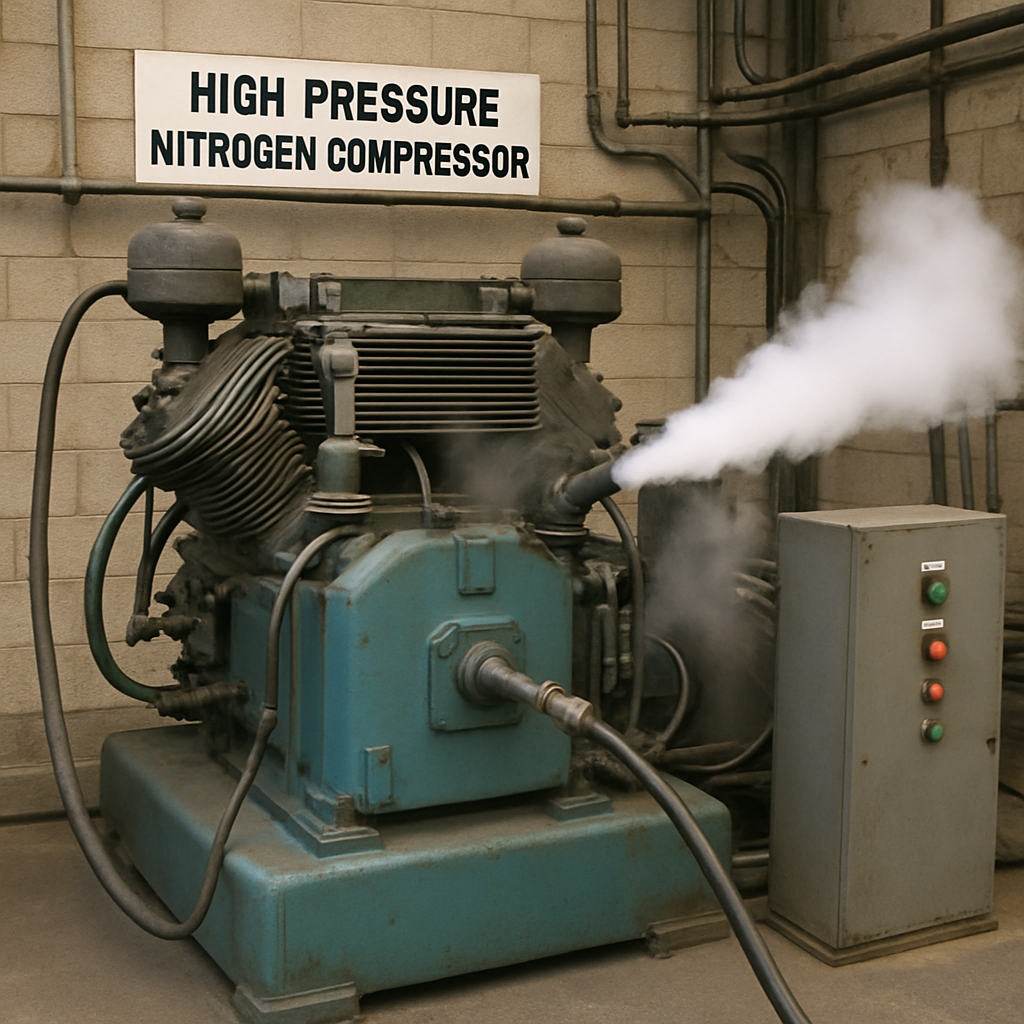
What is a Nitrogen Compressor?
A nitrogen compressor is a specialized machine designed to compress nitrogen gas to a higher pressure. These devices are crucial in various industrial applications, especially in environments where maintaining the purity and pressure of nitrogen is essential. Unlike regular air compressors, nitrogen compressors are tailored to handle the specific properties of nitrogen gas, ensuring efficiency and safety.
How Do Nitrogen Compressors Work?
Nitrogen compressors work by taking in nitrogen gas, pressurizing it, and then delivering it at a specified pressure level. This process often involves multiple stages of compression to achieve the desired high-pressure output. The key components include an intake valve, compression chambers, pistons or rotors, and an output valve. The design and materials used in nitrogen compressors are crucial, as they must withstand high pressures and prevent contamination of the nitrogen gas.
The Role of Nitrogen Compressors in Space Simulators
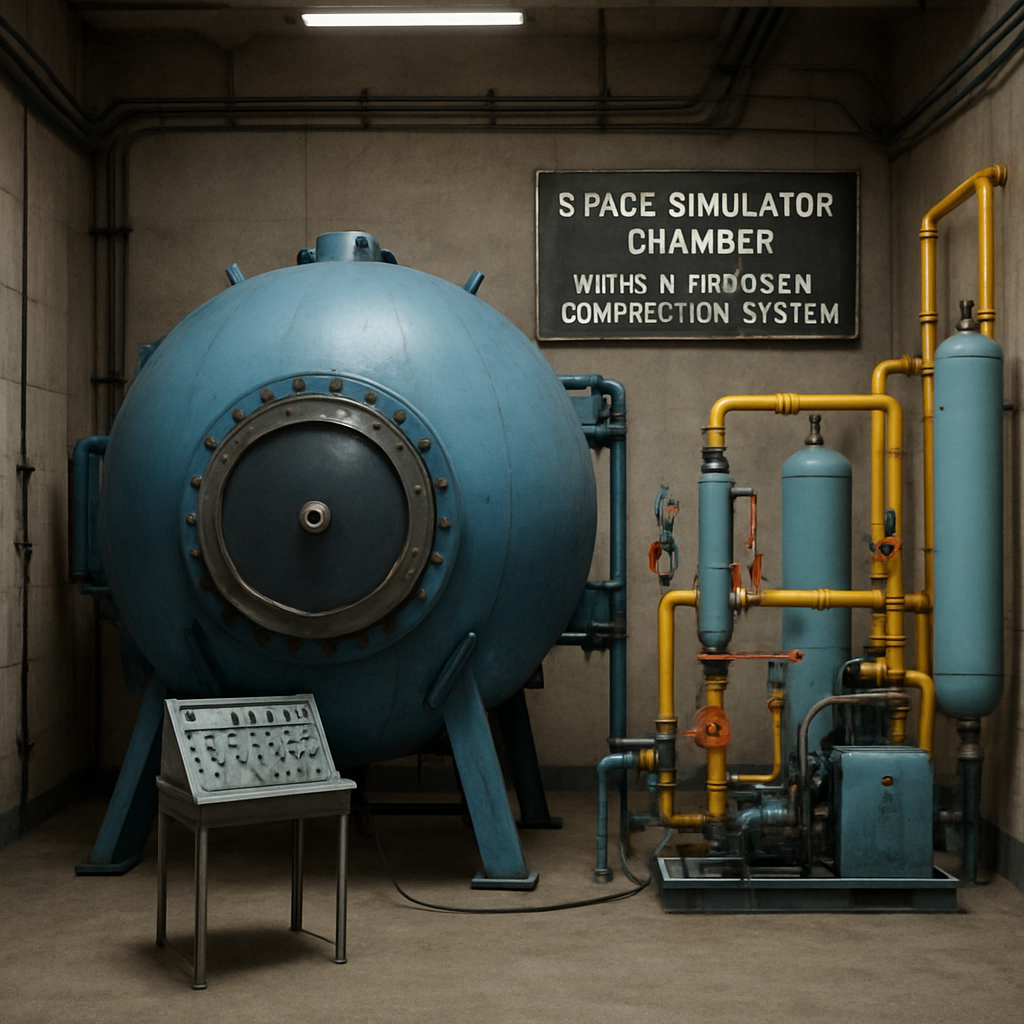
Creating a Controlled Environment
In space simulators, nitrogen compressors are indispensable. These simulators replicate the conditions of outer space, where the atmosphere is vastly different from Earth. Nitrogen compressors help create a controlled environment by maintaining the necessary pressure and purity of nitrogen. This ensures that equipment and astronauts are subjected to conditions that closely mimic those they will encounter in space.
Ensuring Safety and Efficiency
Safety is a paramount concern in space simulators. Nitrogen, being an inert gas, reduces the risk of combustion and other chemical reactions. By using nitrogen compressors, facilities can maintain a safe environment while also ensuring that all systems operate efficiently. This efficiency is crucial for both training purposes and equipment testing.
Nitrogen Compressors in Altitude Chambers
Simulating High Altitude Conditions
Altitude chambers are used to replicate the conditions found at high elevations. These chambers are essential for training pilots and testing equipment meant for high-altitude missions. Nitrogen compressors play a vital role in these chambers by maintaining the necessary atmospheric conditions. By compressing nitrogen to high pressures, these compressors help simulate the lower oxygen levels and reduced air pressure found at high altitudes.
Enhancing Performance and Training
For pilots, understanding how their bodies and equipment react at high altitudes is critical. Nitrogen compressors ensure that altitude chambers can accurately replicate these conditions, providing valuable insights and training. This enables pilots to be better prepared for real-world high-altitude scenarios, ultimately enhancing their performance and safety.
The Advantages of Using Nitrogen Compressors
High Pressure and Purity
One of the main advantages of nitrogen compressors is their ability to deliver high-pressure nitrogen with exceptional purity. This is crucial in both space simulators and altitude chambers, where even slight variations in gas composition can lead to inaccurate results or safety hazards.
Reliability and Durability
Nitrogen compressors are built to last, often constructed from materials that withstand high pressures and harsh conditions. This reliability is essential in environments where system failure is not an option. Whether for prolonged simulations or continuous altitude chamber operations, nitrogen compressors ensure consistent performance.
Different Types of Nitrogen Compressors
 by Yash Bindra (https://unsplash.com/@yb_4)
High Pressure Nitrogen Generators
High pressure nitrogen generators are systems that produce and compress nitrogen on-site. These generators are particularly useful in facilities that require a constant supply of high-pressure nitrogen. They eliminate the need for transporting nitrogen cylinders, reducing costs and improving safety.
Nitrogen Booster Compressors
Nitrogen booster compressors are designed to increase the pressure of nitrogen gas that has already been compressed to a certain degree. They are often used in conjunction with other nitrogen compression systems to achieve the very high pressures needed in specific applications, such as in altitude chambers and certain space simulators.
Nitrogen Air Compressors
These compressors are versatile and can handle various gases, including nitrogen. They are typically used in applications where both air and nitrogen are required. While not as specialized as dedicated nitrogen compressors, nitrogen air compressors offer flexibility for facilities with diverse needs.
Conclusion
Nitrogen compressors are indeed the unsung heroes in the operation of space simulators and altitude chambers. They provide the high-pressure, pure nitrogen environments necessary for training, research, and testing. By understanding their role and advantages, we can appreciate the critical part they play in advancing our capabilities in aerospace and beyond.
As technology continues to evolve, the importance of reliable nitrogen compression systems will only grow, ensuring that future innovations in space exploration and high-altitude research are grounded in safety and precision. Next time you think of space simulators or altitude chambers, remember the silent but powerful force of nitrogen compressors at work.