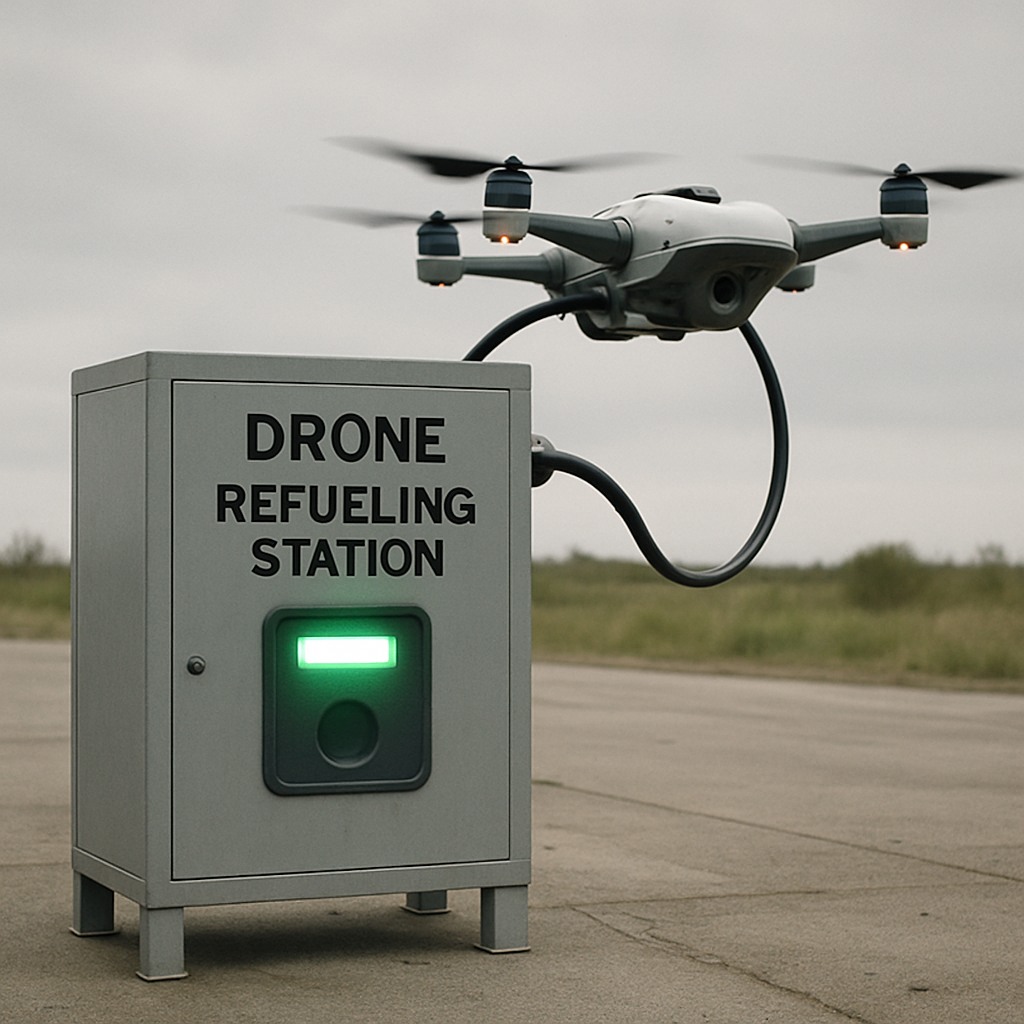
In the evolving world of technology, drones are becoming indispensable tools across various industries. From agriculture to logistics and emergency services, drones are making operations more efficient and effective. However, as drones become more integral to these operations, there arises a crucial need for efficient refueling solutions. Enter the nitrogen membrane technology — a game-changer in autonomous drone refueling stations.
Understanding Nitrogen Membrane Technology
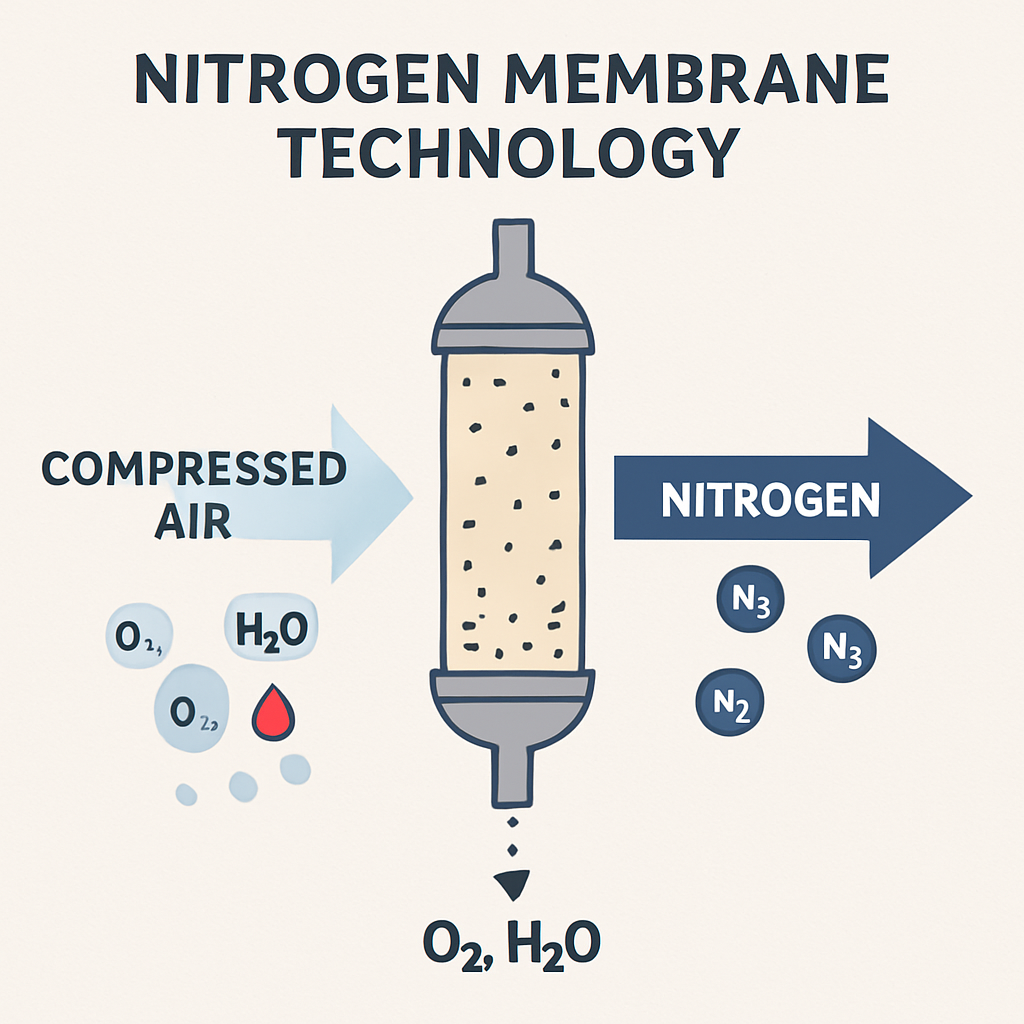
Nitrogen membrane technology involves the use of specialized membranes to separate nitrogen from the other components of air. This process is integral in producing high-purity nitrogen gas, which is essential for various applications, including drone refueling stations.
What Is a Membrane Nitrogen Generator?
A membrane nitrogen generator is a device that uses a nitrogen separation membrane to produce nitrogen from compressed air. These generators are compact, energy-efficient, and capable of delivering nitrogen on-demand, making them ideal for use in autonomous refueling stations for drones.
How Does a Nitrogen Production Membrane Work?
The nitrogen production membrane functions by allowing certain gases to pass through more easily than others. When compressed air is fed into the system, the membrane selectively permeates oxygen, carbon dioxide, and water vapor, while nitrogen is retained and collected as the product gas. This efficient separation process ensures a consistent supply of nitrogen.
The Role of Nitrogen Membranes in Drone Refueling
Autonomous drone refueling stations equipped with nitrogen membrane technology can significantly enhance the operational efficiency of drones. Here’s how:
Enhancing Operational Efficiency
Drone refueling stations utilizing nitrogen membranes can operate autonomously, requiring minimal human intervention. This autonomy is crucial for drones operating in remote or hazardous areas where traditional refueling methods may not be feasible. The nitrogen membrane ensures a continuous supply of nitrogen, enabling drones to refuel quickly and get back to their tasks without delay.
Reducing Downtime
Time is of the essence in many drone operations. Whether it’s delivering medical supplies or conducting search and rescue missions, reducing downtime can be critical. Nitrogen membrane technology allows drones to refuel swiftly, minimizing waiting times and maximizing uptime.
Ensuring Safety and Reliability
Safety is a priority in drone operations, and nitrogen is a safe, non-reactive gas. By using nitrogen membrane technology, autonomous refueling stations can provide a reliable and safe refueling solution. The system’s inherent simplicity reduces the likelihood of mechanical failures, ensuring that drones can rely on consistent refueling availability.
Advantages of Nitrogen Membrane Generators
 by Steve Johnson (https://unsplash.com/@steve_j)
The integration of nitrogen membrane generators in drone refueling stations brings several advantages:
Compact and Space-Efficient
Nitrogen membrane generators are compact, requiring less space than other nitrogen production systems. This feature makes them ideal for integration into autonomous refueling stations, where space may be a constraint.
Energy Efficiency
These systems are designed to be energy-efficient, consuming less power compared to other nitrogen generation methods. This efficiency translates to lower operational costs, which is beneficial for large-scale drone operations.
Scalability and Flexibility
Nitrogen membrane generators can be scaled to meet varying nitrogen demands. Whether you need a small setup for limited drone operations or a larger system for extensive fleets, these generators provide the flexibility to adapt to your needs.
Future Prospects and Innovations
The future of nitrogen membrane technology in drone refueling stations looks promising, with ongoing research and innovations paving the way for even more efficient solutions.
Integration with Renewable Energy
One area of development is the integration of renewable energy sources, such as solar or wind power, to operate nitrogen membrane generators. This integration would further reduce the environmental impact and operational costs of autonomous refueling stations.
Advanced Monitoring and Control Systems
The incorporation of advanced monitoring and control systems can enhance the performance and reliability of nitrogen membrane generators. These systems can provide real-time data on nitrogen purity, pressure, and flow rates, allowing for proactive maintenance and optimization.
Expansion to Other Industries
While currently focused on drone refueling, nitrogen membrane technology has potential applications across other industries. From food packaging to electronics manufacturing, the benefits of on-demand, high-purity nitrogen can be leveraged for various industrial processes.
Conclusion
Nitrogen membrane technology is revolutionizing the way drones are refueled, offering a safe, efficient, and reliable solution. As the demand for drones continues to grow, the need for autonomous refueling stations equipped with nitrogen membranes will become increasingly important. By embracing this technology, industries can enhance their drone operations, reduce costs, and improve overall efficiency.
As innovations continue to unfold, the future holds exciting possibilities for nitrogen membranes in autonomous drone refueling stations — truly a new frontier in technological advancement.