In the rapidly evolving world of artificial intelligence (AI), server cooling systems play a pivotal role in ensuring optimal performance and longevity of hardware. As AI applications demand more from data centers, efficient cooling solutions become imperative. Enter pressure-controlled nitrogen, an often-overlooked hero in the realm of server cooling systems. This article will explore why this gas is crucial and how it enhances the efficiency and reliability of AI server cooling.
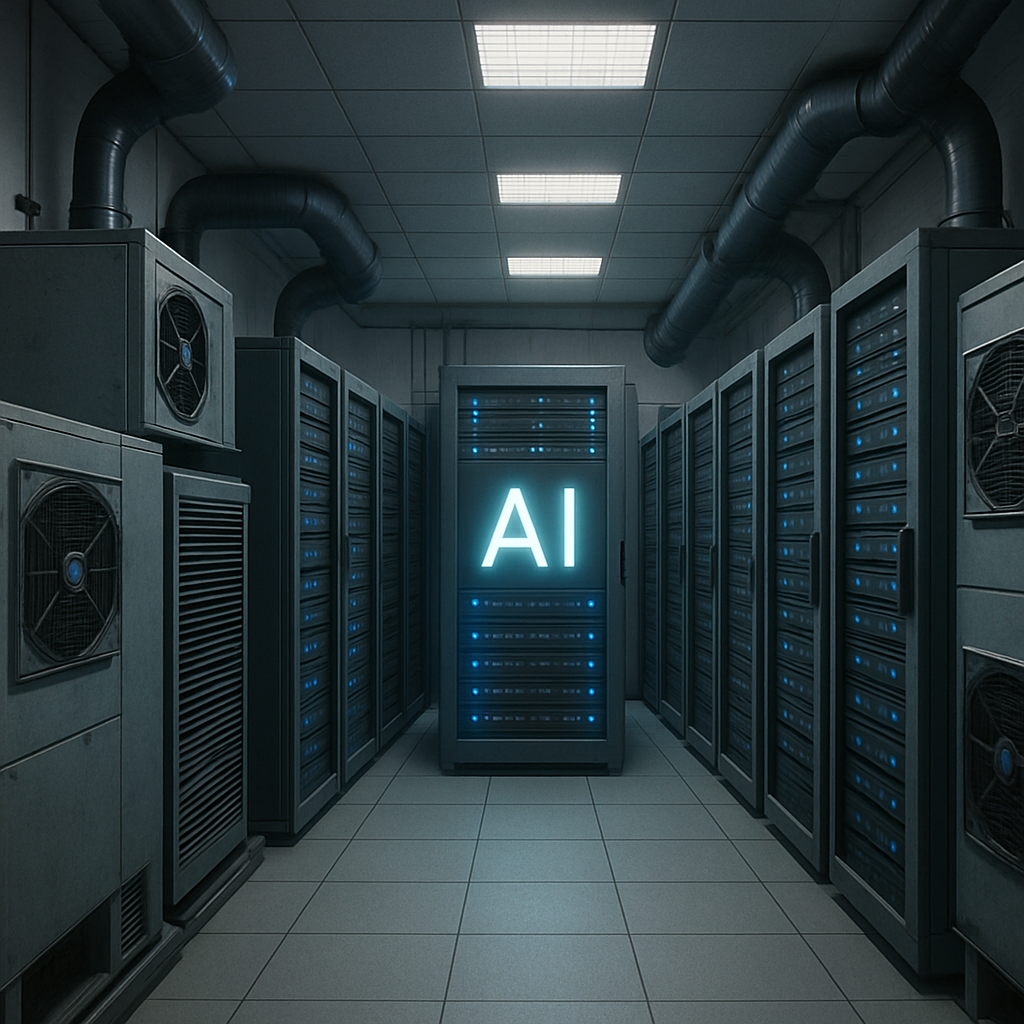
AI servers are powerhouses, executing complex computations that generate significant amounts of heat. Without effective cooling, these servers can overheat, leading to hardware failures, reduced performance, and shortened lifespan. Traditional air-cooling methods often fall short of meeting the demands of modern AI workloads.
To combat these challenges, data centers are turning to more advanced cooling techniques, with pressure-controlled nitrogen emerging as a key player. But why nitrogen, and how does controlling its pressure make a difference?
The Role of Nitrogen in Cooling Systems
Why Nitrogen?
Nitrogen is an inert gas that makes up about 78% of the Earth’s atmosphere. It’s non-reactive, non-flammable, and non-corrosive, making it an ideal medium for cooling sensitive electronic components. In server cooling systems, nitrogen is used to dissipate heat efficiently without the risk of chemical reactions that could damage hardware.
The Science of Pressure-Controlled Nitrogen
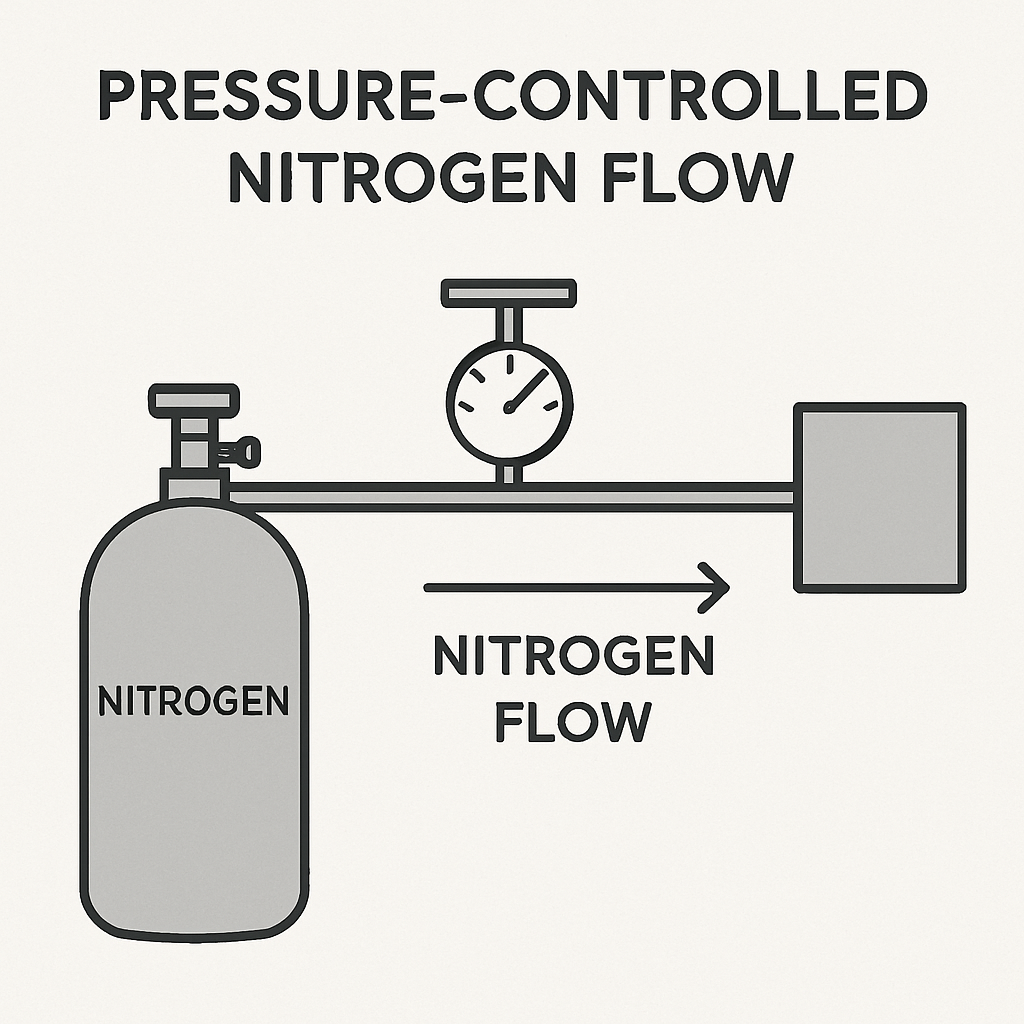
Pressure plays a crucial role in how nitrogen is used in cooling systems. By precisely controlling the pressure of nitrogen gas, it’s possible to manage its flow and heat absorption properties effectively. This control ensures that nitrogen can reach all necessary components within a server, maintaining an even and efficient cooling process.
Pressure-controlled nitrogen systems are designed to optimize the pressure of nitrogen gas to maximize its cooling potential. By adjusting the pressure, these systems can adapt to varying thermal loads, providing consistent performance even as server demands fluctuate.
Advantages of Pressure-Controlled Nitrogen in AI Server Cooling
Enhanced Cooling Efficiency
One of the primary benefits of using pressure-controlled nitrogen is its ability to enhance cooling efficiency. The precise control of gas pressure allows for optimal heat transfer, ensuring that even the most demanding AI workloads are managed effectively. This efficiency translates into better performance and longer hardware life.
Improved Energy Efficiency
Energy consumption is a significant concern for data centers. Traditional cooling systems can be energy-intensive, contributing to high operational costs. Pressure-controlled nitrogen systems, however, offer a more energy-efficient solution. By maintaining optimal pressure levels, these systems require less energy to operate, reducing overall power consumption and environmental impact.
Reliability and Safety
The reliability of cooling systems is paramount, especially in environments that support critical AI applications. Pressure-controlled nitrogen systems provide a reliable cooling solution, minimizing the risk of overheating and hardware failure. Furthermore, nitrogen’s inert nature adds an extra layer of safety, as it does not support combustion or react with other materials.
Scalability and Flexibility
As AI applications grow and evolve, so too do the demands on server infrastructure. Pressure-controlled nitrogen systems offer scalability and flexibility, making them suitable for a wide range of server environments. These systems can be easily adjusted to accommodate increased thermal loads, ensuring that data centers remain future-proof.
Real-World Applications and Case Studies
 by LikeABeeHive (https://unsplash.com/@likeabeehive)
Several leading data centers have already adopted pressure-controlled nitrogen systems to great effect. For instance, a major tech company recently reported a 30% improvement in cooling efficiency after implementing a nitrogen-based system. This improvement not only enhanced server performance but also reduced energy costs significantly.
Another example comes from a research facility specializing in AI development. By integrating pressure-controlled nitrogen systems, the facility achieved a stable cooling environment that supported high-performance computing tasks without interruptions, leading to groundbreaking advancements in AI research.
Challenges and Considerations
While pressure-controlled nitrogen offers numerous advantages, it’s important to consider potential challenges. Implementing these systems requires careful planning and expertise to ensure they are set up correctly and optimized for specific server environments. Additionally, ongoing maintenance and monitoring are essential to maintain peak performance.
Data centers must also weigh the initial investment costs against long-term savings in energy and maintenance. However, for many, the benefits of enhanced efficiency, reliability, and scalability far outweigh the upfront expenses.
The Future of AI Server Cooling
As AI technology continues to advance, the demand for efficient and reliable server cooling solutions will only increase. Pressure-controlled nitrogen represents a promising path forward, offering a blend of performance, safety, and sustainability that aligns with the needs of modern data centers.
In conclusion, while often operating behind the scenes, pressure-controlled nitrogen is a hidden enabler that supports the powerful AI systems driving today’s technological innovations. By embracing this advanced cooling technology, data centers can ensure they are equipped to meet the challenges of tomorrow.