3D printing is a technology that has revolutionized manufacturing, allowing for rapid prototyping and production of complex designs. However, the materials and gases used in the process can significantly affect the quality and efficiency of the prints. One such crucial gas is nitrogen. In this article, we’ll explore the nitrogen supply options for 3D printing, focusing on the differences between using a nitrogen generator and bottled gas.
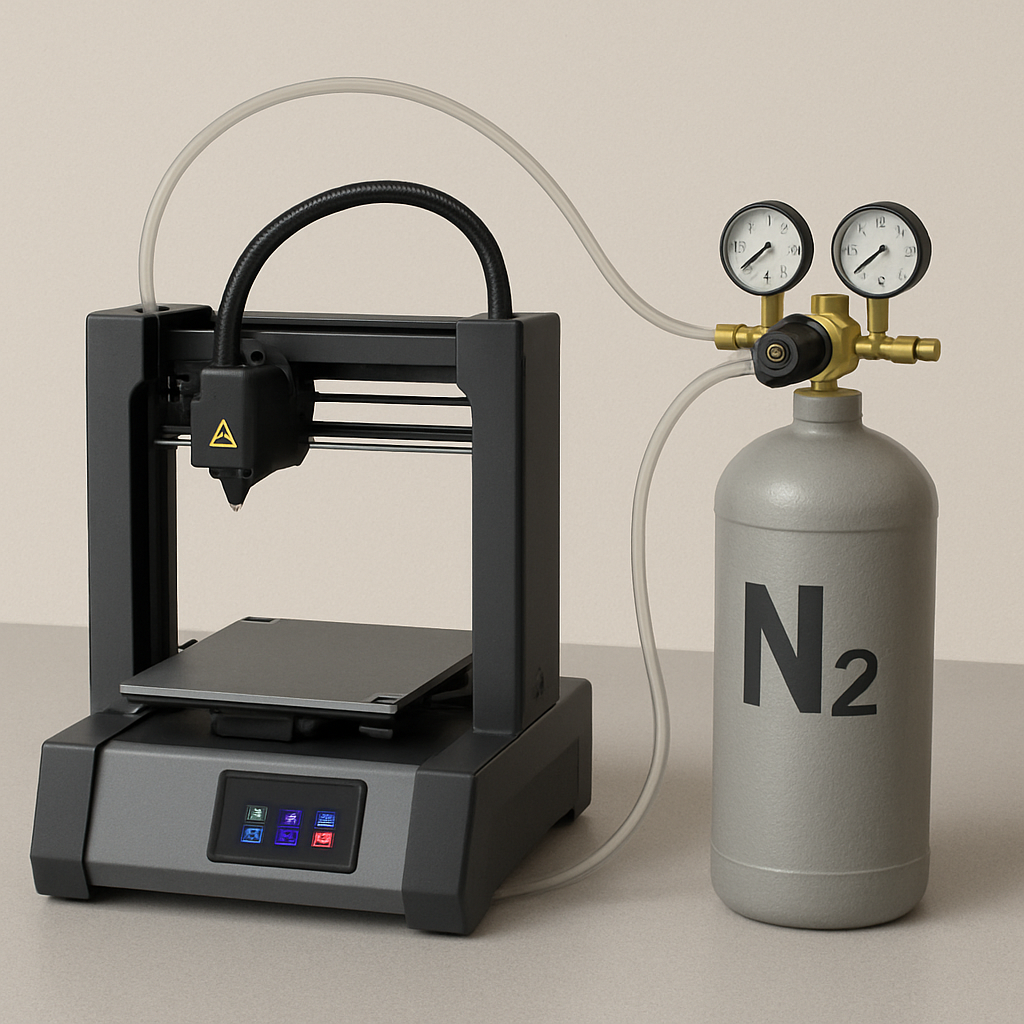
Nitrogen is often used in 3D printing to create an inert atmosphere. This inert environment helps prevent oxidation and other chemical reactions that can compromise the integrity of the printed object. Whether you’re working with metals or plastics, maintaining the right atmospheric conditions is essential for achieving high-quality results.
Benefits of Using Nitrogen in 3D Printing
- Reduced Oxidation: Nitrogen helps prevent oxidation of metal powders during the printing process.
- Improved Surface Finish: A nitrogen-rich environment can lead to a smoother surface finish on printed objects.
- Enhanced Mechanical Properties: By reducing unwanted reactions, nitrogen can improve the mechanical properties of the final product.
Nitrogen Generators vs. Bottled Gas
When it comes to nitrogen supply for 3D printing, you have two main options: nitrogen generators and bottled gas. Both have their advantages and drawbacks.
Nitrogen Generators
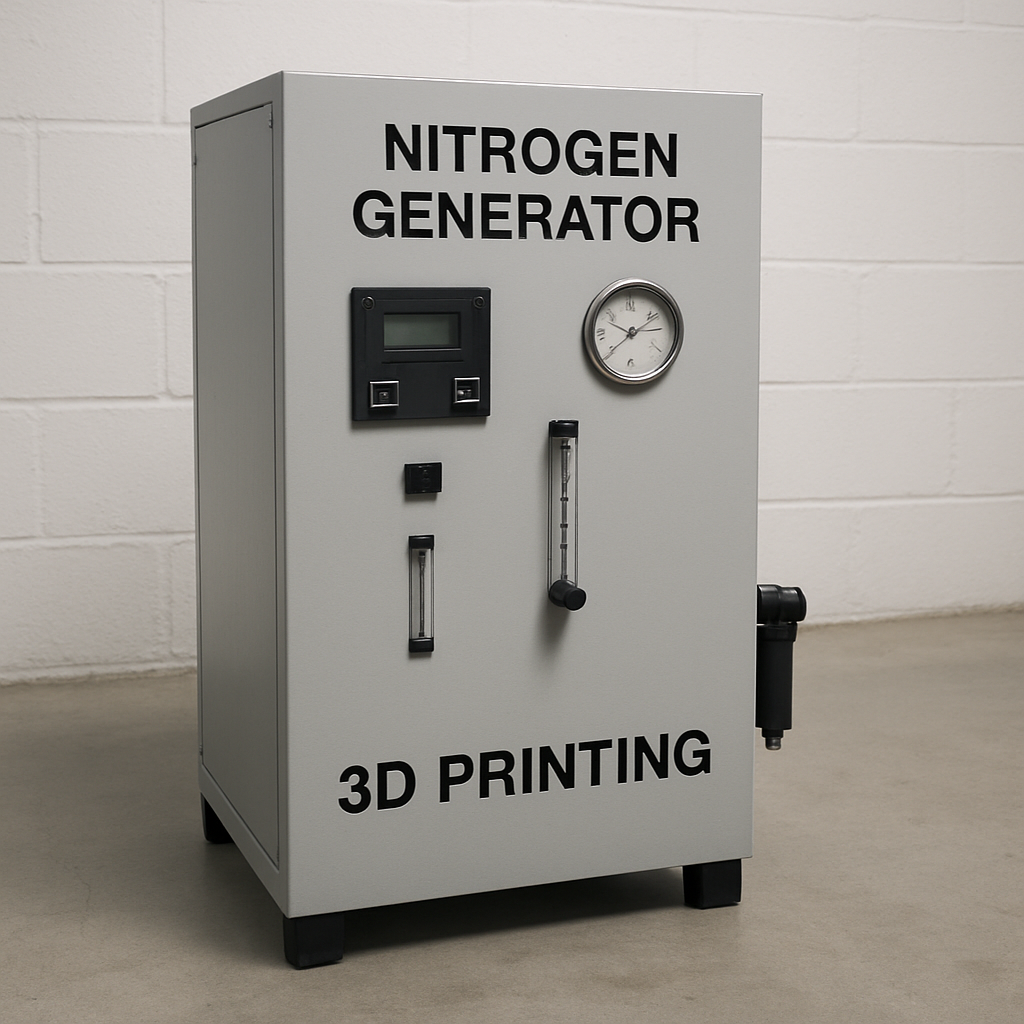
A nitrogen generator produces nitrogen gas on-site by separating it from the air. This method offers several benefits:
- Cost-Effectiveness: Over time, generating your own nitrogen can be cheaper than buying bottled gas.
- Continuous Supply: A nitrogen generator provides a constant supply of nitrogen, reducing the risk of running out during critical printing operations.
- Reduced Storage Needs: With a generator, there’s no need to store large quantities of bottled gas.
However, there are some considerations:
- Initial Investment: The upfront cost for a nitrogen generator can be significant.
- Maintenance: Generators require regular maintenance to ensure optimal performance.
Bottled Gas
Bottled nitrogen is the traditional method for supplying nitrogen in various applications. Here’s what you need to know:
- Ease of Use: Bottled gas is straightforward to use. You simply connect the cylinder to your 3D printer setup.
- Low Initial Cost: The initial cost is lower compared to buying a generator.
On the downside:
- Supply Management: You need to monitor supply levels and reorder before running out.
- Storage Space: Bottled gas requires storage space and proper handling.
- Recurring Costs: Over time, the cost of regularly purchasing bottled gas can add up.
Factors to Consider When Choosing Nitrogen Supply
Volume of Production
Your choice between a generator and bottled gas largely depends on your production volume. For high-volume production, a nitrogen generator may be more cost-effective. If your 3D printing needs are sporadic, bottled gas might suffice.
Space Availability
Consider the space you have available. Nitrogen generators are compact, but they need a dedicated area for installation and maintenance. Bottled gas requires sufficient storage space and must be secured properly.
Budget Constraints
 by Jakub Żerdzicki (https://unsplash.com/@jakubzerdzicki)
Evaluate your budget for both initial setup and long-term operational costs. A nitrogen generator requires a higher initial investment, but it may save money in the long run. Bottled gas has lower startup costs but can be more expensive over time due to recurring purchases.
Environmental Impact
Consider the environmental implications of your choice. Nitrogen generators are generally more sustainable, as they reduce the need for gas transportation and packaging. This can lower your carbon footprint.
Making the Right Choice for Your 3D Printing Needs
Choosing between a nitrogen generator and bottled gas depends on your specific requirements and constraints. Here’s a quick comparison to help guide your decision:
- Cost: Generators may be more economical in the long term; bottled gas has lower initial costs.
- Supply Consistency: Generators provide a continuous supply; bottled gas requires careful inventory management.
- Space: Generators need installation space; bottled gas needs secure storage.
- Sustainability: Generators are generally more eco-friendly.
Ultimately, the best choice depends on your production demands, budget, and commitment to sustainability.
Conclusion
Both nitrogen generators and bottled gas have their places in the world of 3D printing. While generators offer a continuous and potentially more cost-effective solution, bottled gas provides simplicity and lower initial costs. By evaluating your specific needs and resources, you can select the nitrogen supply method that best supports your 3D printing operations.
By understanding the differences and benefits of each option, you can ensure that your 3D printing projects are not only efficient but also produce high-quality results. Whether you choose a generator or bottled gas, the key is to maintain a consistent and reliable nitrogen supply to support your manufacturing goals.