# Chromatography Gas: Principles and Applications
#buy nitrogen generators: Contact Us
Gas chromatography is a powerful tool in analytical chemistry used to separate and analyze compounds that can be vaporized without decomposition. In this article, we will delve into the principles behind gas chromatography, explore its applications, and understand why it is a valuable technique in various industries.
Gas chromatography, often abbreviated as GC, involves the separation of volatile substances based on their distribution between a stationary phase and a mobile phase. The stationary phase is typically a liquid or polymer on an inert solid support, packed within a column. The mobile phase is an inert gas, often helium or nitrogen, that carries the sample through the column.
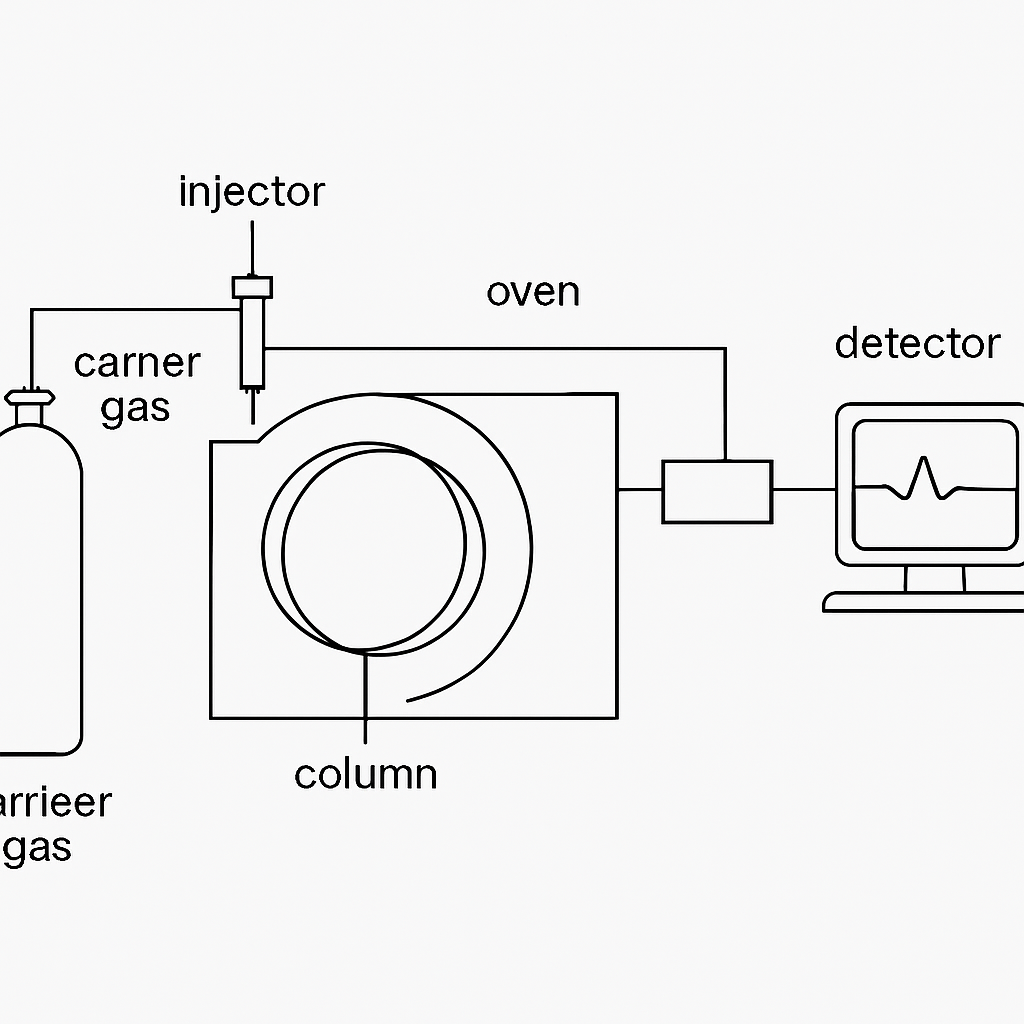
The Basic Components of Gas Chromatography
A typical gas chromatography system consists of several key components:
- Injector: This is where the sample is introduced into the system. The injector vaporizes the sample, allowing it to mix with the carrier gas.
- Column: The heart of the GC system, where the separation of compounds occurs. Columns can vary in length and internal diameter, influencing the resolution of the separation.
- Detector: This component identifies the compounds as they exit the column. Common detectors include flame ionization detectors (FID) and mass spectrometers (MS).
- Data System: Used to collect, analyze, and display the results from the detector.
How Gas Chromatography Works
The process begins when a small amount of sample is injected into the system. The sample is vaporized and carried by the gas through the column. As the sample travels through the column, different compounds within it interact with the stationary phase. This interaction causes them to move at different speeds, resulting in separation.
When the separated compounds exit the column, they are detected and recorded by the detector. The time it takes for each compound to pass through the column, known as the retention time, is unique and helps in identifying the compound.
Applications of Gas Chromatography
Gas chromatography is widely used due to its efficiency and versatility. Here are some of its key applications:
Environmental Analysis
Gas chromatography plays a crucial role in monitoring environmental pollutants. It is used to detect and quantify volatile organic compounds (VOCs) in air and water samples, helping to ensure compliance with environmental regulations.
Food and Beverage Industry
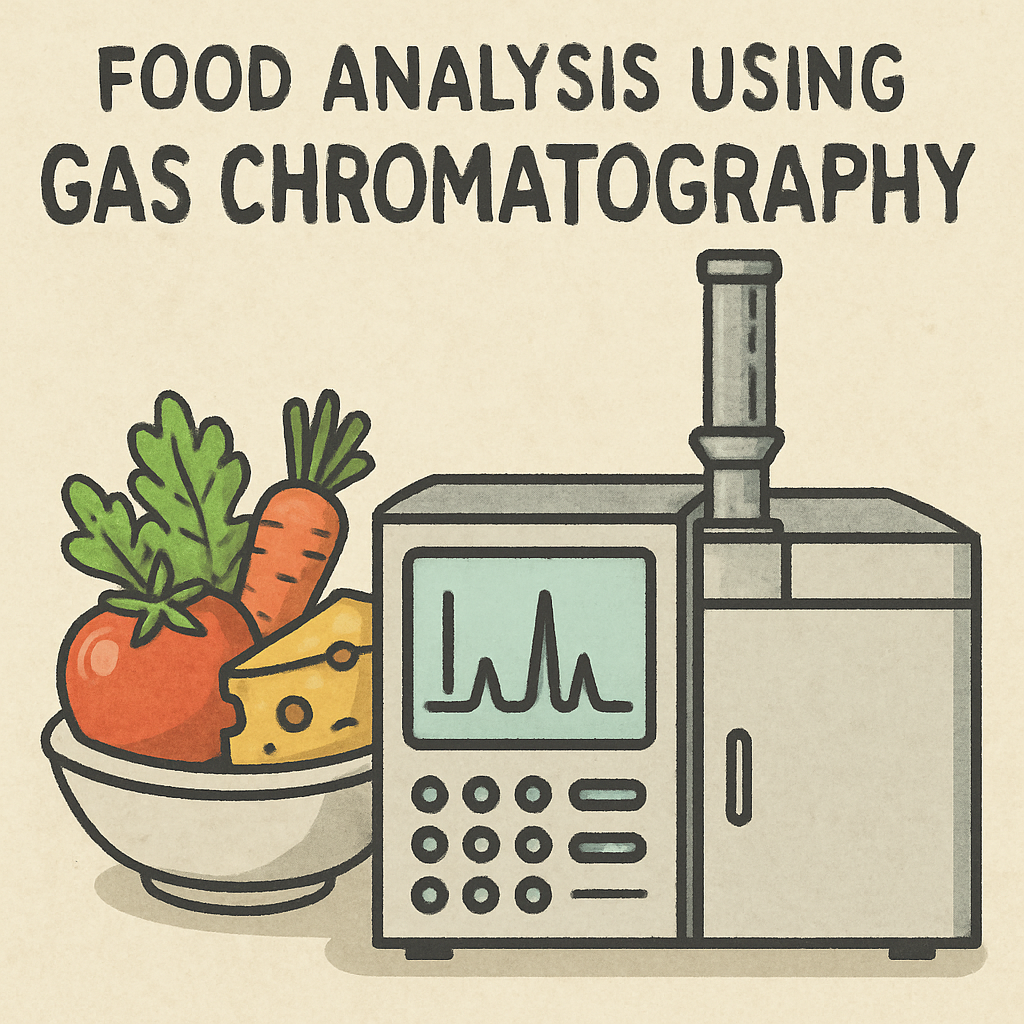
In the food industry, gas chromatography is employed to analyze flavors and fragrances, ensuring quality control. It can detect contaminants and verify the authenticity of food products, such as determining if a wine is truly from a specific region.
Pharmaceutical Industry
Gas chromatography is essential in the pharmaceutical sector for the analysis of raw materials and finished products. It helps in determining the purity of compounds and identifying any impurities that may affect the safety and efficacy of drugs.
Forensic Science
In forensic science, GC is used to analyze substances found at crime scenes. It can help identify drugs, explosives, and other volatile substances, providing crucial evidence in criminal investigations.
Petrochemical Industry
The petrochemical industry relies on gas chromatography to analyze the composition of complex mixtures, such as crude oil. This analysis assists in refining processes and quality control of petroleum products.
Advantages of Gas Chromatography
Gas chromatography offers several benefits that make it a preferred choice in analytical chemistry:
- High Resolution: GC can effectively separate complex mixtures into individual components, providing detailed analysis.
- Sensitivity: The technique is highly sensitive, capable of detecting trace amounts of substances.
- Speed: Gas chromatography provides rapid results, making it suitable for high-throughput analysis.
- Versatility: It can be used for a wide range of applications across various industries.
Limitations of Gas Chromatography
While gas chromatography is a powerful technique, it does have some limitations:
- Volatility Requirement: Only compounds that can be vaporized without decomposition can be analyzed.
- Sample Size: Requires small sample sizes, which may not be ideal for all analyses.
- Cost: The equipment and maintenance can be expensive, especially for advanced detectors like mass spectrometers.
 by Alex Cioaba (https://unsplash.com/@alexcioaba)
Conclusion
Gas chromatography is a cornerstone of analytical chemistry, providing detailed insights into the composition of complex mixtures. Its applications span numerous industries, from environmental monitoring to pharmaceuticals and beyond. By understanding the principles and applications of gas chromatography, scientists and technicians can continue to leverage this powerful technique to solve analytical challenges.
Whether you are involved in environmental science, food quality control, pharmaceuticals, or any other field requiring precise chemical analysis, gas chromatography offers the tools needed to achieve accurate and reliable results. As technology advances, so too will the capabilities of gas chromatography, ensuring it remains an indispensable tool in scientific research and industrial applications.