Air compressors are versatile tools used across various industries, from automotive to construction, and even in home workshops. They work by converting power into potential energy stored in pressurized air. This stored air can then be used to power a wide range of tools and equipment. The versatility of air compressors makes them indispensable for tasks such as inflating tires, painting, or operating pneumatic tools.
Understanding the mechanics behind air compressors can enhance their use. Essentially, they increase the air pressure by reducing its volume, which allows them to deliver significant power with minimal energy expenditure. This efficiency is why they are favored in both professional settings and personal workshops. Their ability to adapt to different tasks by simply changing the attachments or tools is a big plus for users seeking multifunctionality.
Types of Air Compressors
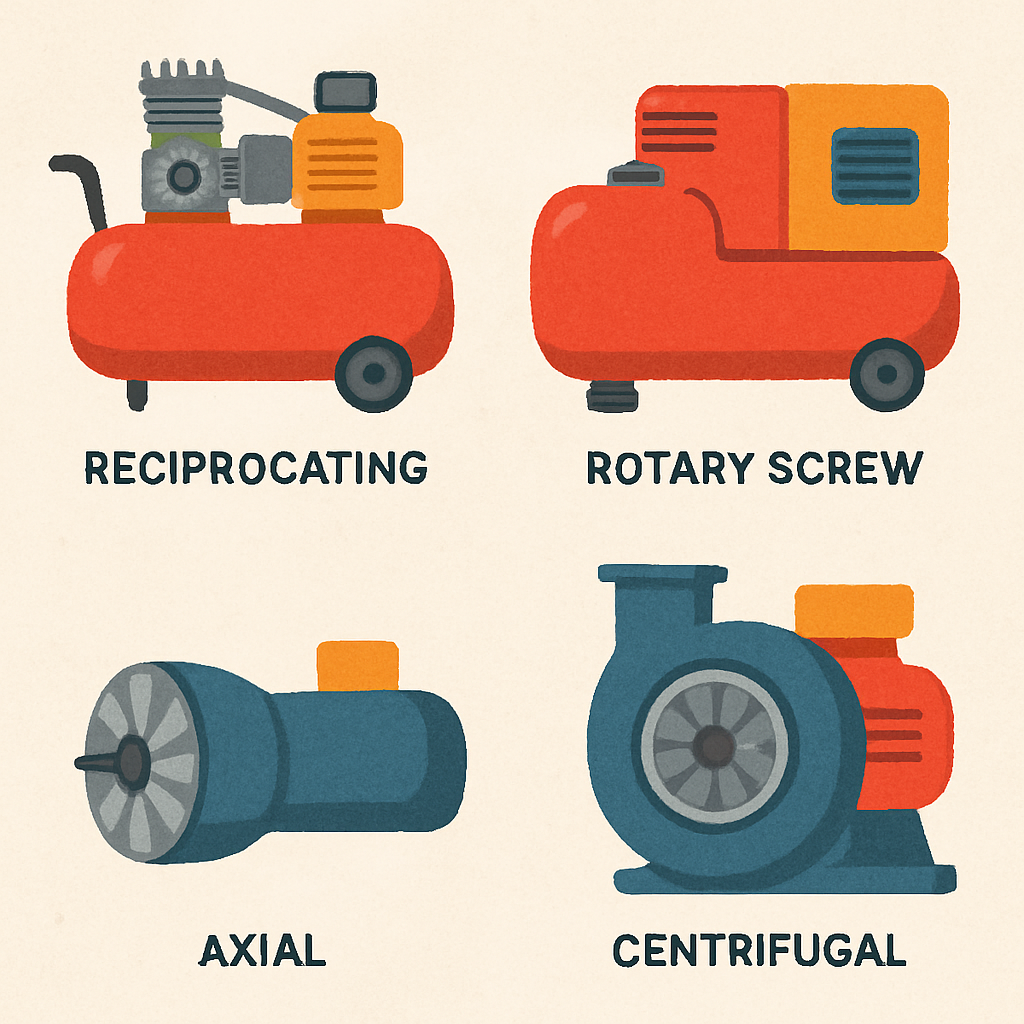
There are several types of air compressors, each with its own unique features and applications:
- Reciprocating Air Compressors: These are the most common types of air compressors. They use pistons to compress air and are ideal for smaller tasks or home use. Their relatively simple design makes them easy to maintain, but they can be noisy and are not suitable for continuous operation.
- Rotary Screw Air Compressors: These compressors are suitable for industrial applications. They use a rotary-type positive-displacement mechanism and are designed for continuous use. They are quieter and more energy-efficient than reciprocating compressors, making them ideal for large-scale operations where reliability and efficiency are critical.
- Centrifugal Air Compressors: These are used for large-scale applications. They rely on a rotating impeller to transfer and compress energy. Because of their design, they are capable of producing high flow rates and are commonly used in industries that require a steady, continuous flow of air.
- Silent Air Compressors: As the name suggests, these compressors operate quietly, making them perfect for environments where noise is a concern. They are often used in indoor or residential settings where maintaining a quiet atmosphere is crucial.
- Gas Air Compressors: These compressors are powered by gasoline engines, offering portability and flexibility for outdoor projects where electricity might not be available. They are ideal for construction sites or rural areas where power sources are limited.
Key Considerations When Choosing an Air Compressor
When selecting an air compressor, several factors should guide your decision. These considerations will ensure that the compressor meets your specific needs and enhances your productivity.
Power Source
Air compressors can be powered by electricity, gasoline, or diesel. Electric compressors are typically quieter and more efficient, making them suitable for indoor use. They are also easier to maintain since they do not require refueling. Gas air compressors, on the other hand, provide more mobility and are ideal for outdoor tasks. They offer the advantage of portability and independence from electrical outlets, which is particularly beneficial in remote areas or on construction sites.
Tank Size
The tank size of an air compressor determines how long your tools can run before the compressor needs to refill. For light tasks, a small tank may suffice. However, for more demanding applications, a larger tank is advisable. Larger tanks are more suitable for tasks that require a continuous air supply, such as spray painting or operating high-demand pneumatic tools. Choosing the right tank size can prevent interruptions during your work and increase efficiency.
Portability
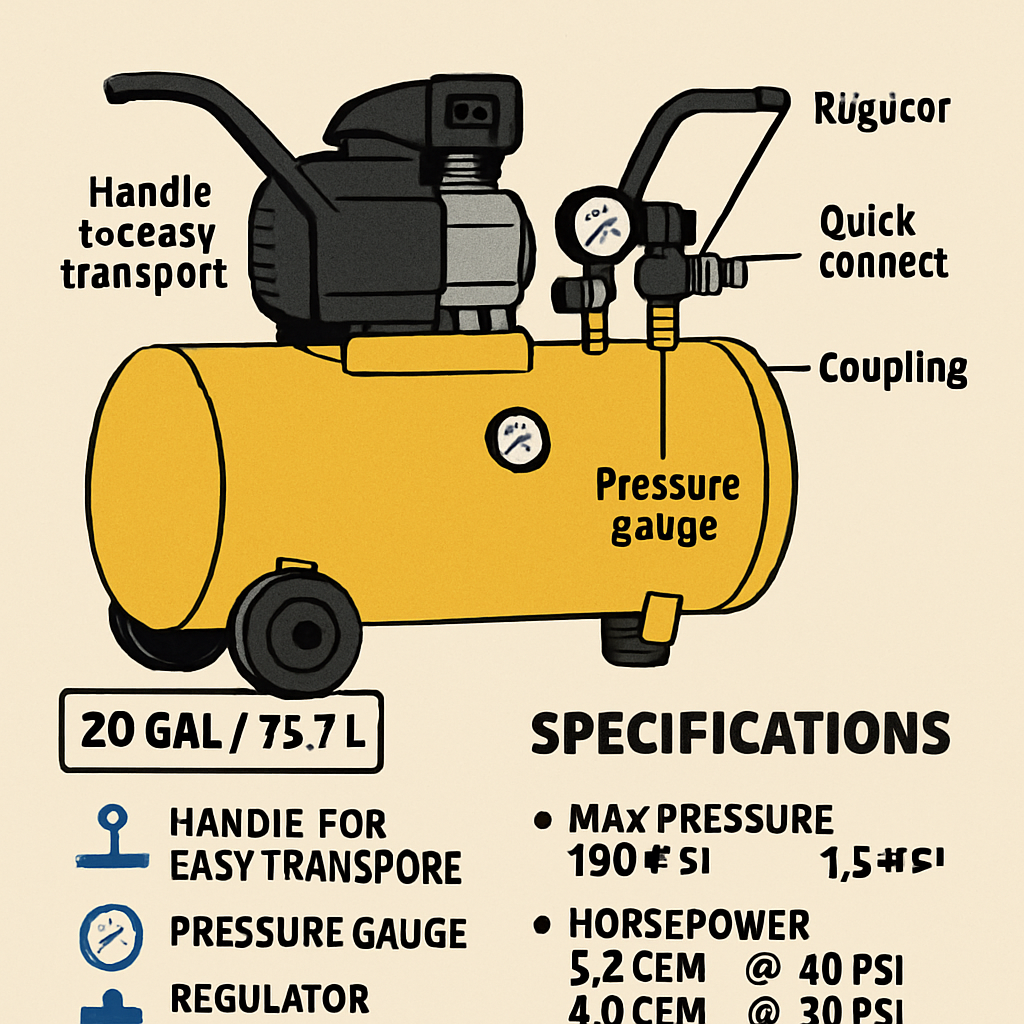
If you need a compressor that can be easily moved around, consider a portable air compressor. These units are designed for easy transport and are perfect for on-the-go projects. Portability is a key feature for those who need to carry their compressors to different job sites or move them around within a workshop. Features such as wheels, handles, and compact designs can greatly enhance the ease of transportation.
Noise Level
Silent air compressors are specifically designed to operate quietly. If you’re working in a noise-sensitive environment, such as a home garage or workshop, a silent model would be ideal. Reducing noise can also be important for maintaining a comfortable work environment and adhering to noise regulations in residential areas.
Oil vs. Oil-Free
Air compressors can be either oil-lubricated or oil-free. Oil-lubricated compressors are typically more durable and quieter, but they require regular maintenance. They are well-suited for heavy-duty, continuous use. Oil-free compressors are less costly and require less maintenance, making them suitable for occasional use. They are ideal for tasks where cleanliness is paramount, such as in food processing or medical equipment.
PSI and CFM Ratings
The PSI (pounds per square inch) and CFM (cubic feet per minute) ratings are crucial when choosing an air compressor. The PSI indicates the maximum pressure the compressor can deliver, while the CFM measures the volume of air it can produce. Make sure the compressor’s ratings match the requirements of the tools you plan to use. Higher CFM ratings are necessary for tools that consume a lot of air, like sanders or grinders, while a higher PSI is essential for tasks that require more force, such as inflating tires or powering nail guns.
Popular Air Compressor Brands
 by Sebastian Huxley (https://unsplash.com/@sebastianhuxley)
Several brands are renowned for their quality and reliability in the air compressor market. Choosing a reputable brand can ensure you get a reliable and efficient product, backed by good customer service and warranty options.
- Chicago Air Compressor: Known for their durable and high-performance models, Chicago air compressors are a popular choice among professionals. Their compressors are designed to withstand tough working conditions and deliver consistent performance.
- DeWalt: Offers a range of portable air compressors that are both reliable and efficient. DeWalt compressors are praised for their rugged design and versatility, making them suitable for both professional and DIY use.
- Makita: Known for their silent air compressors, Makita provides options that are perfect for noise-sensitive environments. Makita’s compressors are designed to be both quiet and powerful, ensuring that they do not compromise on performance while maintaining a low noise level.
Maintenance Tips for Air Compressors
Proper maintenance is crucial to prolong the life of your air compressor and ensure it operates efficiently. Regular maintenance can prevent unexpected breakdowns and costly repairs, keeping your compressor in top working condition.
Regular Inspection
Check for any leaks or damage regularly. Inspect hoses and connections to ensure they are secure and in good condition. Regular inspections can help identify potential issues early, preventing them from becoming major problems.
Drain the Tank
Condensation can build up in the tank over time. It’s important to drain the tank regularly to prevent rust and corrosion. This simple maintenance task can significantly extend the lifespan of your compressor and maintain its efficiency.
Monitor Oil Levels
If you’re using an oil-lubricated compressor, make sure to check the oil levels regularly and change the oil as needed. Proper lubrication is essential for reducing wear and tear on moving parts, ensuring smooth operation and reducing the risk of overheating.
Clean or Replace Filters
Air filters can become clogged with dust and debris, affecting the compressor’s performance. Clean or replace filters regularly to maintain efficiency. A clean filter ensures that the compressor operates at peak performance and prevents contaminants from entering the system.
Conclusion
Selecting the right air compressor involves understanding your specific needs and considering factors like power source, tank size, and portability. By evaluating these aspects, you can find an air compressor that fits your requirements and enhances your productivity. The right compressor can make a significant difference in your workflow, whether it’s for professional projects or personal DIY tasks.
Whether you’re looking for a portable air compressor for your DIY projects or a gas air compressor for professional use, investing in the right equipment can make a significant difference in your work efficiency and output. With the right knowledge and tools, you’ll be well-equipped to tackle any task with confidence. Making an informed choice can lead to better performance, cost savings, and a more satisfying user experience.
Founded in 2013 and 2014, Shenzhen Yuhan Electronic Technology Co., Ltd. and Suzhou Hongjinli Gas Equipment Co., Ltd. specialize in PSA nitrogen generators, oxygen generators, nitrogen purification systems, and gas equipment solutions. Our expertise spans industries including SMT manufacturing, semiconductor packaging, optoelectronics, and food and pharmaceutical storage.