Introduction: Why Consider a Nitrogen Generator?
In today’s competitive industrial landscape, businesses are increasingly turning to nitrogen generators as a smart alternative to traditional gas cylinder delivery. Whether you’re in food packaging, electronics manufacturing, pharmaceuticals, or laser cutting, having a reliable on-site nitrogen supply can transform your operations, reducing costs by 50-90% while improving reliability and safety. This comprehensive guide will help you navigate the nitrogen generator market, understand key considerations, and make an informed purchase decision that delivers rapid return on investment.
Catalogue
- Introduction: Why Consider a Nitrogen Generator?
- Understanding Nitrogen Generation Technology
- Key Factors to Consider When Buying
- Types of Nitrogen Generators Available
- Cost Analysis: Investment vs. Savings
- Top Manufacturers and Brands
- Installation and Maintenance Considerations
- Industry-Specific Applications
- Buying Guide: Steps to Purchase
- Frequently Asked Questions (FAQ)
- Current Market Trends (2026)
- Conclusion: Making the Right Investment

Understanding Nitrogen Generation Technology
How Do Nitrogen Generators Work?
Nitrogen generators separate nitrogen from compressed air using one of two primary technologies:
1. Pressure Swing Adsorption (PSA) Systems
- Uses carbon molecular sieve (CMS) to adsorb oxygen molecules under pressure
- Produces nitrogen purity levels from 95% to 99.999%
- Ideal for most industrial applications requiring high purity
- Lower initial investment for moderate purity requirements
- Features twin-tower design for continuous operation
2. Membrane Separation Systems
- Utilizes hollow fiber membranes that allow gases to permeate at different rates
- Typically produces 95% to 99.5% purity nitrogen
- Simpler operation with fewer moving parts and valves
- Excellent for applications requiring lower purity levels
- Compact design with minimal maintenance requirements
Key Factors to Consider When Buying
1. Purity Requirements
Different industries demand specific nitrogen purity levels:
- Food & Beverage (98-99.5%): Packaging, preservation, blanketing
- Electronics Manufacturing (99.999%+): Soldering, component manufacturing, clean rooms
- Pharmaceuticals (97-99.9%): Drug manufacturing, packaging, blanketing
- Laser Cutting (99.5-99.9%): Metal fabrication processes
- Chemical Industry (95-99.9%): Blanketing, purging, inerting
2. Flow Rate Capacity
Match your generator to actual consumption needs:
- Small systems: 1-50 Nm³/h (for labs, small workshops, pilot plants)
- Medium systems: 50-500 Nm³/h (most industrial applications)
- Large systems: 500-5000+ Nm³/h (heavy industrial use, multiple processes)
- Custom systems: Any capacity, designed for specific plant requirements
3. Energy Efficiency Features
- Variable speed drives for compressor optimization
- Heat recovery systems for additional energy savings
- Smart control systems that adjust to demand patterns
- ENERGY STAR certified models (where applicable)
- Low-pressure drop design components
4. Space and Installation Requirements
- Compact skid-mounted units for limited floor space
- Containerized solutions for outdoor installation
- Modular designs allowing future capacity expansion
- Ceiling-mounted options for space-constrained facilities
- Turnkey packages including all necessary components
Types of Nitrogen Generators Available
Portable Nitrogen Generators
Mobile nitrogen unit for fieldwork
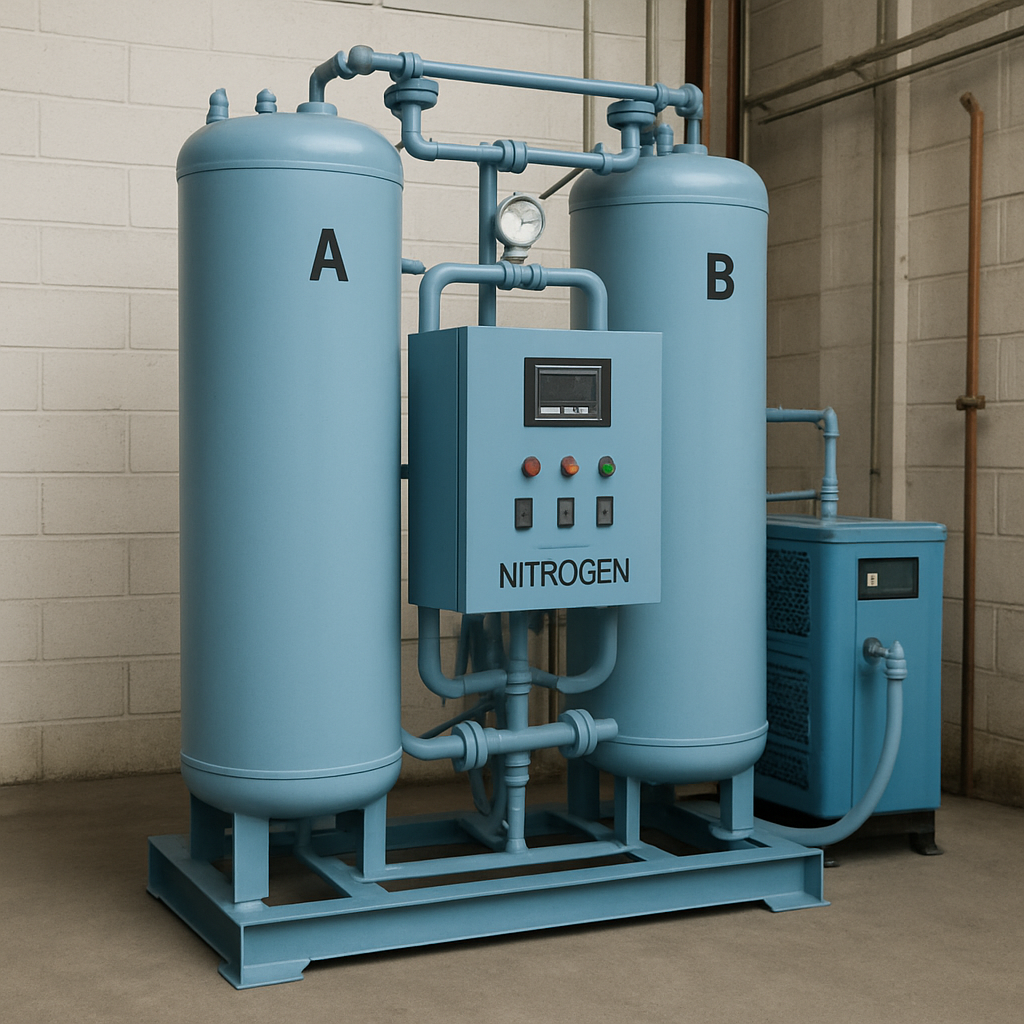
- Mobile units on wheels or trailers for fieldwork
- Flow rates typically 1-20 Nm³/h
- Ideal for maintenance operations, construction sites, or remote locations
- Often include built-in compressors and power options
- Popular in oil & gas, pipeline testing, and aerospace
Standard Industrial Generators
- Most common purchase category for manufacturing facilities
- Flow rates from 20-1000 Nm³/h
- Complete packages including compressors, dryers, and filtration
- Designed for continuous 24/7 operation
- Customizable for specific industry requirements
High-Purity Laboratory Generators
- Ultra-high purity (up to 99.9995%) for analytical applications
- Compact footprint for lab environments
- Silent operation with minimal vibration
- Often include built-in purification and monitoring systems
- Essential for GC-MS, LC-MS, and other analytical instruments
Custom Engineered Systems
- Tailored solutions for specific applications and facilities
- Integration with existing plant infrastructure and controls
- Multiple purity outlets from single system
- Designed for extreme environments or specialized processes
- Often include redundancy and backup systems
Cost Analysis: Investment vs. Savings
Initial Purchase Costs
| System Type | Flow Rate Range | Typical Price Range | Best For |
|---|---|---|---|
| Portable Units | 1-20 Nm³/h | $5,000 – $20,000 | Field service, temporary needs |
| Small Industrial | 20-100 Nm³/h | $20,000 – $50,000 | Small manufacturers, labs |
| Medium Industrial | 100-500 Nm³/h | $50,000 – $150,000 | Most manufacturing facilities |
| Large Industrial | 500-2000 Nm³/h | $150,000 – $500,000 | Large plants, multiple users |
| Custom Systems | 2000+ Nm³/h | $500,000+ | Heavy industry, specialized applications |
Operating Cost Comparison
| Cost Factor | Nitrogen Cylinders/Dewars | Liquid Nitrogen | On-Site Generator |
|---|---|---|---|
| Gas Cost per m³ | $0.25 – $1.00 | $0.15 – $0.40 | $0.03 – $0.10 |
| Delivery Charges | $100 – $500 per delivery | $200 – $800 per delivery | None |
| Handling/Labor | High | Medium-High | Minimal |
| Storage Space | Significant | Moderate | Compact |
| Downtime Risk | Delivery dependent | Delivery dependent | Continuous supply |
| Safety Concerns | Cylinder handling risks | Cryogenic hazards | Minimal |
ROI Calculation Example
Scenario: Manufacturing plant using 500 Nm³/h of nitrogen at 99.5% purity
Cylinder Costs:
- Monthly consumption: 360,000 Nm³
- Cost per Nm³: $0.40
- Monthly gas cost: $144,000
- Delivery/rental fees: $5,000/month
- Total monthly cost: $149,000
Generator Costs:
- System purchase: $120,000 (amortized over 5 years: $2,000/month)
- Electricity cost: $0.05/Nm³ × 360,000 = $18,000/month
- Maintenance: $1,500/month
- Total monthly cost: $21,500
Monthly Savings: $127,500
Payback Period: ~1 month
Top Manufacturers and Brands
Premium Tier Manufacturers
- Atlas Copco: Global leader with complete compressed air and gas solutions
- Parker Hannifin: High-quality PSA and membrane systems with global support
- Ingersoll Rand: Reliable industrial-grade generators and compressors
- Air Products: Expertise in both generation and supply, comprehensive solutions
Value Tier Manufacturers
- Generon: Membrane technology specialists with competitive pricing
- South-Tek Systems: Affordable PSA systems with good support
- Peak Scientific: Best for laboratory and analytical applications
- On Site Gas Systems: Custom solutions for various industries
Selection Considerations
- Warranty: Typically 2-5 years on major components
- Service Network: Availability of local technicians and spare parts
- Experience: Manufacturer’s track record in your specific industry
- References: Case studies and customer testimonials
- Training: Comprehensive operator and maintenance training included
Installation and Maintenance Considerations
Pre-Installation Site Requirements
- Compressed Air Supply: Clean, dry air at 5-7 bar, properly sized for generator
- Electrical Connections: Proper voltage (208V, 230V, 460V), phase, and amperage
- Floor Space: Adequate room for operation, maintenance, and component access
- Ventilation: Proper exhaust for oxygen-rich waste gas (PSA systems)
- Drainage: For system condensate removal and regular purging
- Foundations: Proper leveling and vibration isolation if needed
Maintenance Schedule and Costs
| Maintenance Task | Frequency | Typical Cost | Criticality |
|---|---|---|---|
| Filter Changes | Every 3-6 months | $200-$800 | High |
| CMS Replacement | Every 5-10 years | $5,000-$50,000 | Medium |
| Membrane Replacement | Every 3-7 years | $3,000-$30,000 | Medium |
| Annual Service | Yearly | $1,000-$10,000 | High |
| Valve Maintenance | As needed | $500-$5,000 | Medium |
| Control Calibration | Yearly | $500-$2,000 | High |
Service Agreement Options
- Basic: Annual inspection and calibration only
- Standard: Includes preventive maintenance and 24/7 support
- Comprehensive: Full coverage including parts and labor
- Performance-based: Maintenance tied to system performance guarantees
Industry-Specific Applications
Food and Beverage Industry
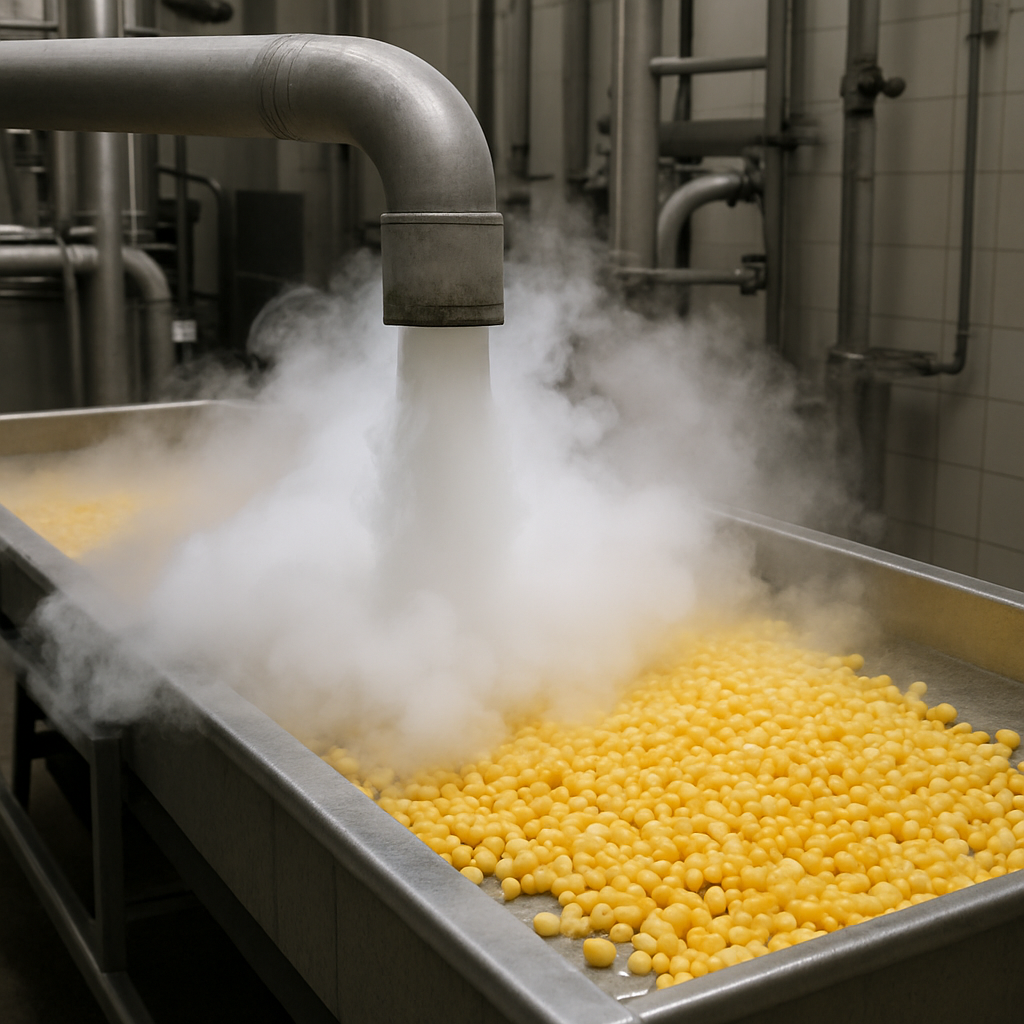
- Modified atmosphere packaging (MAP) for extended shelf life
- Blanketing for oils, wines, and sensitive liquids
- Inerting for spice grinding and powder handling
- Purity requirements: 97-99.5%
- Special considerations: Food-grade materials, validation documentation
Electronics Manufacturing
- Wave soldering and reflow ovens requiring oxygen-free environments
- Component testing and burn-in chambers
- Clean room pressurization and purge systems
- Purity requirements: 99.999%+ (5.0 grade or higher)
- Special considerations: Ultra-clean generation, moisture monitoring
Pharmaceutical Applications
- Drug manufacturing process blanketing and transfer
- Packaging line inerting for oxygen-sensitive products
- Storage tank blanketing for raw materials and intermediates
- Purity requirements: 97-99.9%, often with USP-NF certification
- Special considerations: Validation packages, GMP compliance
Metal Fabrication and Laser Cutting
- Laser cutting assist gas for improved cut quality
- Heat treating furnace atmospheres
- Welding protection for reactive metals
- Purity requirements: 99.5-99.9%
- Special considerations: Consistent purity, high flow availability
Buying Guide: Steps to Purchase
Step 1: Comprehensive Needs Assessment
- Analyze 12-month consumption patterns and peak demands
- Determine required purity levels for all applications
- Consider future expansion and capacity increases
- Evaluate existing infrastructure compatibility
Step 2: Supplier Evaluation and Quotations
- Identify 3-5 reputable suppliers with industry experience
- Request detailed quotations with complete specifications
- Require total cost of ownership analysis from each vendor
- Ask for references from similar installations
Step 3: Technical and Commercial Evaluation
- Compare system specifications and performance guarantees
- Review warranty terms and service support availability
- Evaluate energy efficiency and operating costs
- Assess installation requirements and timelines
Step 4: Site Assessment and Final Planning
- Arrange supplier site visits for detailed assessment
- Finalize installation location and utility connections
- Develop implementation timeline with minimal disruption
- Coordinate with internal teams and contractors
Step 5: Contract Negotiation and Purchase
- Negotiate price, payment terms, and delivery schedule
- Finalize service agreement and training program
- Establish performance guarantees and acceptance criteria
- Execute purchase and begin implementation
Frequently Asked Questions
Q1: What is the typical lifespan of a nitrogen generator?
A: With proper maintenance, PSA systems typically operate for 15-20 years, while membrane systems last 10-15 years. Critical components like CMS beds or membranes require replacement during this period, but the main system framework remains functional.
Q2: Can I rent a nitrogen generator before purchasing?
A: Yes, many suppliers offer rental-to-own programs, short-term rentals (3-12 months), or lease options. This allows you to verify the system meets your requirements and calculate exact savings before committing to purchase.
Q3: What are the ongoing maintenance requirements?
A: Daily visual checks of pressure and purity, weekly filter inspections, monthly system performance reviews, and annual professional servicing. Major components require replacement on longer cycles (5-10 years for CMS, 3-7 years for membranes).
Q4: How much floor space is typically required?
A: Systems range from cabinet-sized units (2×3 feet) for small flow rates to room-sized installations for industrial-scale generation. Your supplier will provide specific space requirements including access for maintenance.
Q5: What power supply specifications are needed?
A: Most industrial systems require 3-phase power (typically 208V, 230V, or 460V), with amperage depending on compressor size. Small portable units may operate on standard single-phase 110V or 220V power.
Q6: Is operator training included with purchase?
A: Reputable suppliers include comprehensive operator training covering startup procedures, normal operation, shutdown sequences, basic troubleshooting, and safety protocols. Documentation and ongoing support are typically provided.
Current Market Trends (2026)
Smart and Connected Nitrogen Generators
- IoT connectivity for remote monitoring and control
- Predictive maintenance using AI and machine learning algorithms
- Energy optimization through smart demand-response systems
- Integration with plant DCS and SCADA systems
- Real-time purity monitoring and automatic adjustment
Energy Efficiency Innovations
- Advanced variable frequency drives for precise compressor control
- Heat recovery systems that capture waste heat for other processes
- Next-generation membrane materials with higher selectivity
- Optimized PSA cycle controls reducing purge gas consumption
- Solar and renewable energy integration options
Compact and Modular Designs
- Space-saving vertical configurations for footprint reduction
- Plug-and-play modular systems for easier installation
- Scalable capacity through parallel unit operation
- Simplified maintenance with front-access designs
- Containerized solutions for rapid deployment
Sustainability Focus
- Reduced carbon footprint compared to delivered gas
- Energy recovery and efficiency improvements
- Longer-life materials and components
- Recyclable system components
- Compliance with environmental regulations
Conclusion: Making the Right Investment
Purchasing a nitrogen generator is a strategic decision that requires careful consideration but offers substantial rewards. The transition from delivered nitrogen to on-site generation typically delivers:
Key Benefits:
- Cost Reduction: 50-90% lower nitrogen costs compared to cylinders or liquid
- Rapid ROI: Payback periods typically between 6-24 months
- Improved Reliability: Continuous supply unaffected by delivery schedules
- Enhanced Safety: Elimination of cylinder handling and storage risks
- Sustainability: Lower carbon footprint and reduced transportation
- Operational Control: Purity and pressure customized to your exact needs
Critical Success Factors:
- Accurate Requirements Analysis: Proper sizing for current and future needs
- Quality Equipment Selection: Choosing reputable manufacturers with industry experience
- Professional Installation: Ensuring correct installation by qualified technicians
- Comprehensive Training: Preparing your team for proper operation
- Regular Maintenance: Following recommended service schedules
- Performance Monitoring: Tracking system performance and savings
Next Steps:
If you’re considering a nitrogen generator for your facility, begin by:
- Conducting a detailed audit of your current nitrogen usage and costs
- Contacting 2-3 reputable suppliers for preliminary assessments
- Requesting site visits and detailed proposals
- Reviewing case studies from similar applications
- Calculating your specific ROI based on actual consumption data
Most quality suppliers offer free feasibility studies and ROI analyses. Take advantage of these services to make a data-driven decision that will benefit your operations for years to come.
Ready to explore your nitrogen generator options? Contact us today for a free consultation and customized quotation based on your specific requirements. Our technical experts can help you navigate the selection process and design the optimal solution for your facility.
Have specific questions about nitrogen generators for your application? Comment below with your industry, purity requirements, and average monthly consumption for personalized advice from our engineering team.