We are currently swimming in an invisible ocean of gas that is 78% nitrogen. While this natural mix works perfectly for breathing, using standard compressed air in tires invites hidden trouble. Oxygen molecules are smaller and more restless than their nitrogen counterparts, allowing them to seep through the microscopic pores of rubber tires over time. This constant leakage explains why tire pressure drops mysteriously, while moisture carried by that same oxygen causes internal rust that slowly eats away at steel rims.
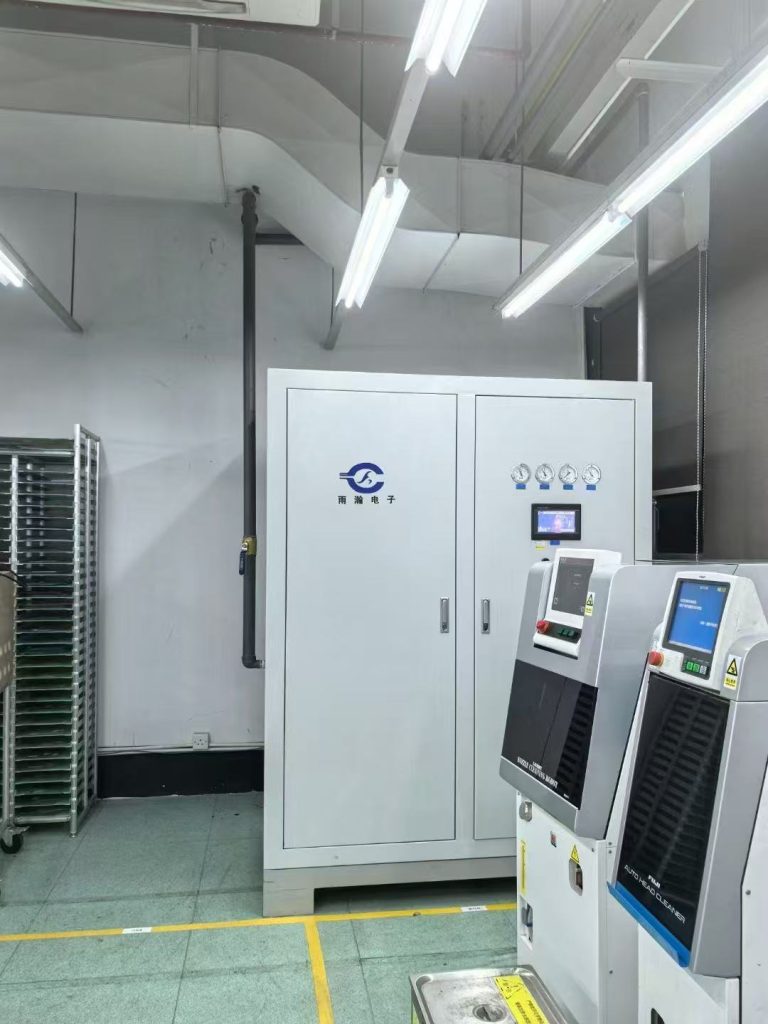
An automotive nitrogen generator solves these issues by acting as a high-tech sieve, capturing dry, stable gas directly from the shop floor. Instead of paying for expensive tank deliveries, a nitrogen machine filters out the oxygen and moisture, leaving only the pure gas you need. By producing this resource on-site, shops unlock substantial safety benefits and typically reduce gas supply costs by nearly 30%.
How a Nitrogen Generator Works: The ‘Security Guard’ Method
The answer to pure gas generation lies in extraction rather than creation. Many people assume a nitrogen gas making machine manufactures gas from scratch, but these systems actually function as sophisticated filters that harvest existing nitrogen out of the surrounding atmosphere. The process starts with standard compressed air, which serves as the raw material pushed into the system to create the necessary flow.
Before the actual separation occurs, this intake supply must be cleaned to meet specific compressed air pretreatment requirements, ensuring dust and oil don’t damage the internal components. Once the air is clean, the unit acts like a molecular security guard. It separates the gases by letting nitrogen pass through to your production line while stopping oxygen and other “intruders” at the gate. While the goal is always purity, the specific mechanical method used to trap that oxygen depends on whether you choose a system based on sieving or flow speed.
PSA vs. Membrane Systems: Choosing Between ‘Sieving’ and ‘Racing’
For businesses needing extremely pure gas, the pressure swing adsorption (PSA) process acts like a high-tech sifter. Inside these machines are tanks filled with Carbon Molecular Sieve (CMS), a material resembling tiny black pellets full of microscopic holes. Under high pressure, smaller oxygen molecules get stuck in these pores—much like pebbles caught in a garden screen—while the larger nitrogen molecules float right past. This method is the gold standard for applications like coffee roasting or laser cutting, where even a tiny trace of oxygen could spoil the product.
Alternatively, membrane systems rely on a molecular race rather than a trap. This energy efficient gas separation technology uses bundles of hollow tubes—imagine thousands of microscopic straws—that allow gases to flow through them. Oxygen acts as a “fast” gas that permeates the tube walls quickly and escapes, while the “slow” nitrogen stays inside the tube until it reaches the end. Because they lack complex moving valves, these units are incredibly durable and fit well in rugged environments.
The choice between systems usually comes down to distinct operational needs:
- Purity: PSA hits 99.999% purity for sensitive goods; membranes usually top out around 99.5%.
- Maintenance: Membranes are often “set and forget,” while PSA requires periodic media maintenance.
- Footprint: Membrane dryers are compact, fitting easily into crowded automotive shops.
Regardless of the extraction method, the result is a clean, dry gas that offers distinct advantages over standard air, especially for your vehicle.
4 Reasons Nitrogen Tire Inflation Keeps Customers Safer
Have you ever noticed your tire pressure light glowing on a chilly morning? This common annoyance occurs because standard compressed air holds moisture that expands and contracts wildly with the weather. Nitrogen molecules are physically larger than oxygen molecules, meaning they struggle to permeate the microscopic pores of rubber tire walls. Consequently, tires filled by a dedicated nitrogen generator for tires maintain proper pressure three to four times longer than those filled with regular air, ensuring consistent handling without the constant need for top-offs.
Beyond better pressure retention, the absence of water vapor protects the wheel’s internal hardware. Standard air pumps inadvertently inject humidity that causes rim rust and valve stem rot, but a machine designed for a high purity nitrogen flow rate delivers exceptionally dry gas. This eliminates internal corrosion and supports the specific benefits of nitrogen tire inflation that keep vehicles safe:
- Pressure Stability: Tires stay properly inflated for months, reducing blowout risks.
- Fuel Economy: Consistent pressure can improve gas mileage by up to 3%.
- Longer Tire Life: Cooler running temperatures prevent premature tread wear.
- Safety: Dry gas prevents wheel corrosion and tire sensor failures.
While these performance perks are compelling, the financial argument for businesses is even stronger.
Slashing Expenses: Why On-Site Production Beats Cylinder Rentals
Relying on third-party suppliers turns a free atmospheric resource into a recurring monthly headache. When analyzing nitrogen generators vs bulk liquid delivery, the sticker price of the gas is often the smallest part of the bill; you are largely paying for the logistics of moving heavy steel tanks across town. The most effective method for reducing nitrogen cylinder rental costs is eliminating the cylinders entirely, which plugs three major financial leaks:
- Delivery & Hazmat Fees: High surcharges for transporting pressurized tanks.
- Rental on “Heels”: Paying full price for cylinders sent back with 10% of the gas still inside.
- Technician Downtime: Valuable labor hours lost while mechanics pause work to swap out empty bottles.
Once the equipment is installed, the math shifts dramatically. The operating cost of on-site nitrogen is negligible, requiring only a small amount of electricity to filter the air already in your shop. This efficiency creates a rapid return on investment, with most automotive businesses breaking even within 12 to 18 months. You gain complete independence from supply chain delays, ensuring you never have to turn a customer away because a delivery truck was late.
Choosing Your Setup: Flow Rates and Purity Requirements
Selecting the right grade of nitrogen is like tuning an engine; you want peak performance without wasting energy on unnecessary power. While specialized applications require high gas purity for laser cutting—often demanding 99.99% concentration to ensure clean metal edges—tire inflation and standard automotive tools only need a 95% to 98% purity range. Pushing a machine to produce laboratory-grade gas when you only need tire-grade pressure restricts the airflow and forces the compressor to work harder than necessary. By targeting the specific requirement for your industry, you maximize the speed at which you can service vehicles without overpaying for quality that essentially vanishes inside a tire.
Choosing the right nitrogen system also involves calculating your busiest hour rather than your total daily volume. If your shop rushes to fill twenty tires during the morning rush, a small generator might struggle to keep up unless it is paired with a large storage tank. This buffer tank acts like a battery, storing up industrial on-site gas production during slow periods so that high-pressure bursts are instantly available when a customer pulls into the bay. Properly balancing the generator’s output with storage capacity ensures the equipment runs smoothly in the background, creating a solid foundation for future-proofing your shop.
Future-Proofing Your Shop: A 3-Step Action Plan
Moving from rented tanks to your own nitrogen machine completely changes your shop’s efficiency. You are no longer dependent on delivery schedules; you are creating an inert gas atmosphere on demand. Now that you understand the mechanics, you can confidently integrate an automotive nitrogen generator to offer premium service without the logistical headaches.
Start your transition with this implementation plan:
- Audit your spend: Review current gas delivery invoices to calculate potential ROI.
- Verify capacity: Ensure your air compressor has the CFM capacity to feed the generator.
- Train your team: Implement the “Green Cap” standard for inflation testing and customer awareness.
Generating your own supply is about taking control of your resources. It turns a recurring monthly expense into a permanent asset, ensuring every customer drives away on safer, more stable tires.
Contact us for nitrogen machine, Racher: +86 193 0864 1458