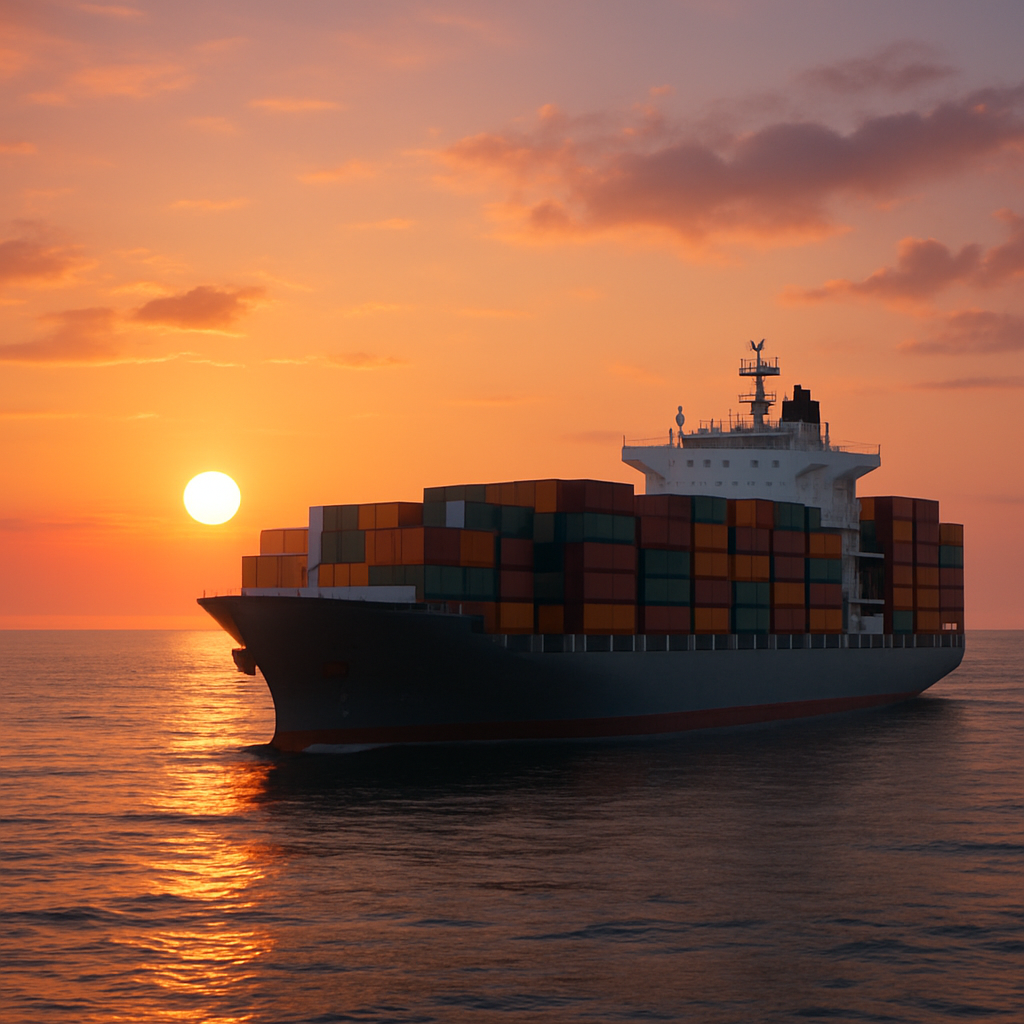
Imagine a giant cargo ship carrying enough fuel to power a city. To keep that volatile cargo from becoming a fire hazard, the vessel relies on an invisible bodyguard: nitrogen. By pumping this stable gas into tanks, crews perform a process called “inerting,” effectively pushing out the oxygen that fires need to breathe.
Modern vessels often switch between traditional diesel and liquified natural gas, a complexity that answers the question: why do dual fuel ships need nitrogen? With two energy sources, the risk of accidental combustion rises. A marine nitrogen inerting system breaks the “fire triangle” by removing oxygen, ensuring these fuels never ignite unexpectedly.
Storing enough tanks for a month-long trip is impossible, so crews don’t buy this gas—they make it. A nitrogen generator for dual engine ships filters the air on demand, ensuring an endless supply of safety gas right in the middle of the ocean.
Filtering the Sky: How Onboard Generators Turn Regular Air into a Safety Shield
Since ships cannot carry enough gas tanks for a month-long voyage across the Pacific, they have to harvest nitrogen from the air around them. It starts with a marine compressor for nitrogen systems, which acts like a powerful set of mechanical lungs. This machine sucks in sea air and pressurizes it, providing the force needed to push the gas through a sophisticated filtration system that separates the useful nitrogen from the reactive oxygen.
To separate these gases, many modern vessels rely on membrane technology. Think of this system as a bundle of microscopic straws acting as a molecular sieve. As the pressurized air flows through these hollow fibers, oxygen molecules permeate through the straw walls and escape because they are “faster” than nitrogen. How membrane nitrogen generators work is essentially a game of molecular racing; the oxygen leaves the track early, while the nitrogen reaches the finish line to be collected for safety tasks.
Alternatively, some vessels utilize Pressure Swing Adsorption (PSA), which functions more like a sticky trap than a sieve. PSA units are filled with carbon pellets that grab onto oxygen molecules under high pressure, letting the nitrogen pass by. Once the pellets are full, the pressure drops to release the trapped oxygen, resetting the system for another cycle.
Choosing between PSA vs membrane nitrogen production marine systems depends on what the ship values most:
- Start-up Speed: Membranes typically reach operating capacity much faster.
- Maintenance: Membranes generally have fewer moving parts, reducing repair needs.
- Purity: PSA systems can achieve ultra-high purity levels (up to 99.999%), while membranes balance purity with flow.
With a reliable supply of inert gas now secured on board, the ship is ready to tackle the complexities of switching fuels.
The Dual-Fuel Challenge: Why Switching Engines Requires a Nitrogen ‘Rinse’
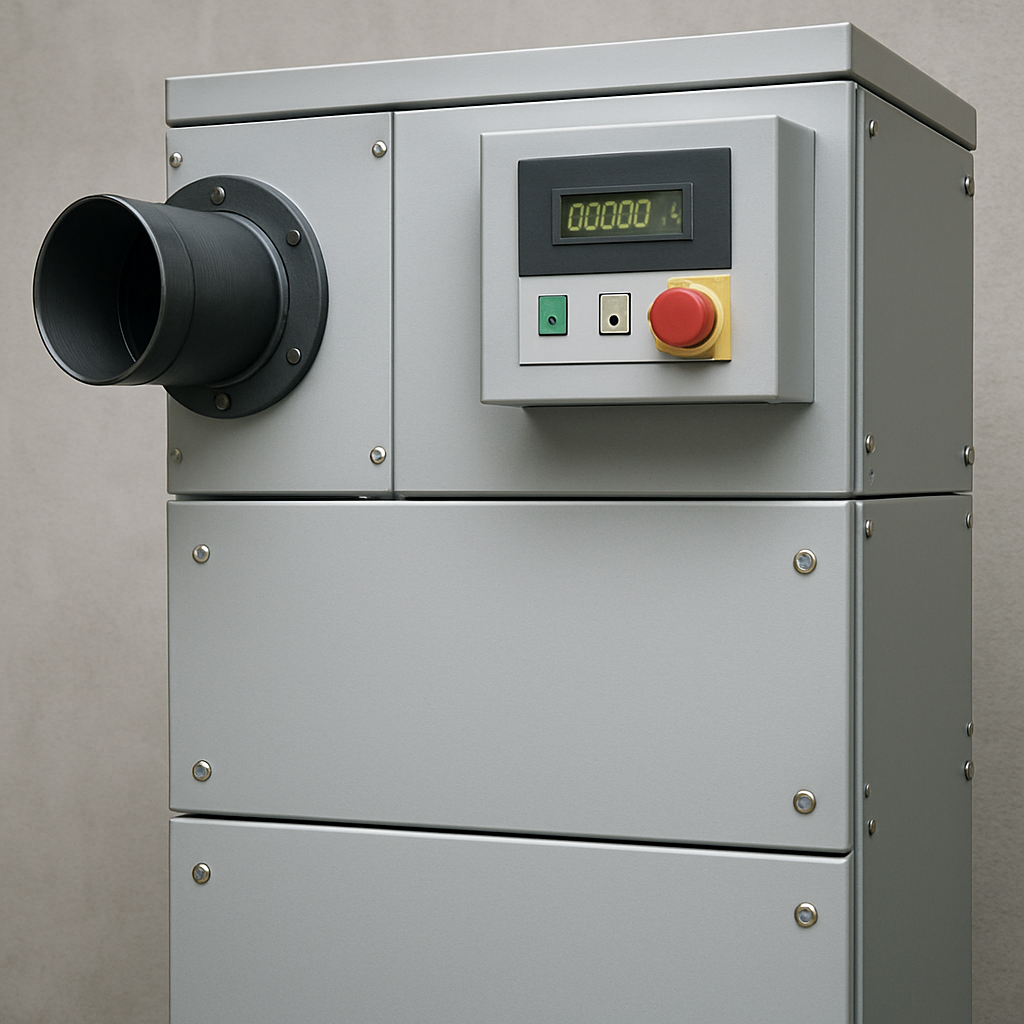
Modern ships increasingly rely on Liquefied Natural Gas (LNG) to burn cleaner than traditional oil, but these vessels often need to switch back to liquid diesel during a voyage. This creates a critical safety moment: the transition phase. Before the engine accepts the new fuel, the system must be cleared of any explosive vapors left in the plumbing. Engineers use purging dual fuel engine gas lines with nitrogen to force these volatile remnants out, acting like a dry “rinse” that neutralizes the risk of combustion inside the machinery before the switch is flipped.
Beyond just cleaning the lines, nitrogen serves as a permanent invisible barrier inside the engine room itself. High-pressure gas pipes are often constructed with a “tube-within-a-tube” design, creating a physical gap between the flammable fuel and the crew. This gap is continuously pressurized with inert gas, which serves as a highly effective alarm system. By preventing gas leakage in engine rooms, any crack in the inner fuel pipe releases gas into this nitrogen buffer rather than the air, triggering an instant alert while containing the fire hazard.
Handling this super-cooled fuel requires much higher standards than hauling standard cargo. Because LNG is stored at freezing temperatures, any moisture in the safety gas could instantly turn into ice and block vital valves. Consequently, nitrogen requirements for LNG fueled ships dictate that the generated gas must be exceptionally dry and pure. This strict quality control ensures the “safety shield” never freezes or fails, keeping the vessel mechanically sound and ready to meet the rigid safety laws governing the sea.
The Rules of the Sea: Staying Compliant with IGF Code and Safety Laws
Shipping safety isn’t left to chance; it is governed by strict international laws designed to protect the crew and the environment. For any ship using fuel that catches fire easily (like LNG), the International Code of Safety for Ships Using Gases or Other Low-flashpoint Fuels—known as the IGF Code—serves as the ultimate rulebook. This regulation ensures that IGF Code compliance for fuel tanks is maintained at all times. Essentially, the law mandates that safety systems like nitrogen generators must be permanently installed on board, preventing ships from relying on portable tanks that could run empty in the middle of the ocean.
Reliability is just as important as simply having the equipment. Because a modern engine cannot safely switch fuels without a nitrogen “rinse,” regulations often require a robust backup plan. This is where dual engine nitrogen supply redundancy comes into play. If the primary nitrogen generator needs repairs or fails, a second independent unit or a large stored reserve must be ready to take over immediately. This ensures that the ship’s safety shield never drops, even during a mechanical failure.
Determining exactly how big these systems need to be is a precise science. Calculating the correct nitrogen generation capacity for large vessels involves proving the system can produce enough gas to handle peak demand during a complex fuel switch. To meet these legal standards, a ship’s system generally requires:
- Independent supply sources to prevent total system failure.
- Minimum gas capacity to handle rapid changes in fuel tank pressure.
- Automatic monitoring alerts that warn the crew if nitrogen purity drops.
Keeping the Shield Strong: Practical Maintenance for Your Nitrogen System
Ideally, a nitrogen generator produces a gas stream that is almost entirely free of oxygen, creating a safety blanket for the fuel. In maritime terms, this is measured as “purity.” A rating of 95% means the gas is mostly nitrogen with a tiny, safe amount of oxygen remaining. However, maintaining shipboard nitrogen purity levels is critical because if that percentage drops, the “shield” weakens, and the atmosphere inside the fuel tanks could become flammable again.
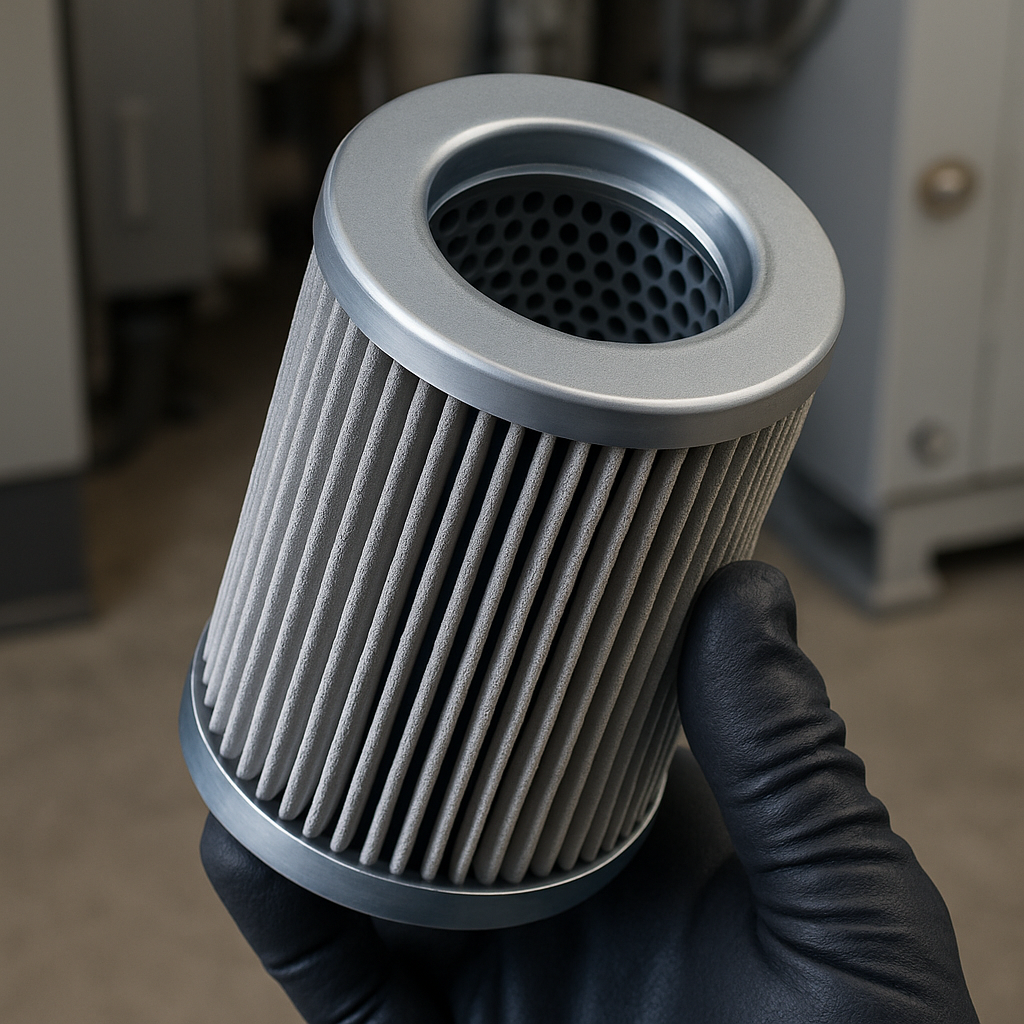
Protecting the delicate membranes that separate these gases starts with the air compressor. This machine acts as the heart of the system, pumping in the raw air needed for filtration. If the compressor leaks oil or fails to remove moisture, that contamination coats the membrane fibers like grease on a sponge. This damage forces the system to run longer and harder to produce the same amount of clean gas, significantly increasing nitrogen generator power consumption on vessels.
Detecting these issues early requires simple observation rather than complex engineering. Nitrogen generator troubleshooting for crew members often comes down to listening for strange grinding noises or noticing that the system takes too long to build pressure. If the purity meter on the dashboard starts fluctuating, it usually means the feed air filters are dirty and need an immediate change before the expensive separation unit is permanently damaged. As technology improves, however, ships are moving toward smarter systems that handle this monitoring automatically.
The Future of Safe Shipping: Why Integrated Nitrogen Systems are the New Standard
Safe shipping isn’t just about a sturdy hull; it relies on the invisible shield provided by a nitrogen generator for dual engine ships. While running these machines requires onboard energy, this power consumption acts as a vital insurance policy against catastrophic fuel risks. This technology ensures that the maritime transition to cleaner energy never compromises safety, making the operational cost a necessary investment for protecting both crew and cargo.
Looking ahead, integrated nitrogen generation for marine propulsion is evolving from a standalone tool into the smart nervous system of green shipping. By automatically managing explosive risks, these systems allow vessels to confidently adopt volatile, eco-friendly fuels like LNG. Ultimately, this technology proves that the most critical component of a modern voyage is the ability to generate your own safety out of thin air.
Shenzhen Yuhan Electronic Technology Co., Ltd. specialize in PSA nitrogen generators, oxygen generators, nitrogen purification systems, and gas equipment solutions. Our expertise spans industries including SMT manufacturing, semiconductor packaging, optoelectronics, and food and pharmaceutical storage.
Contact us: +86 193 0864 1458