Nitrogen Gas Pressure in Systems
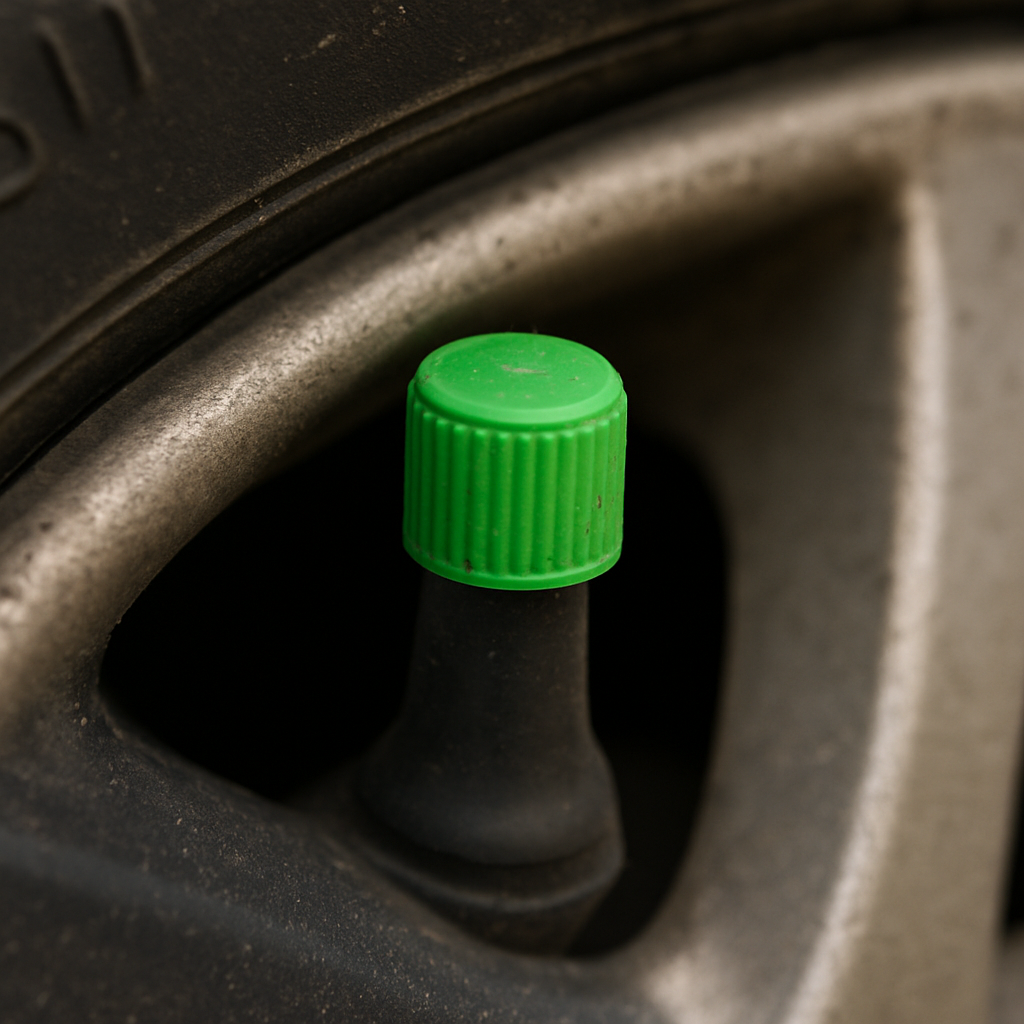
Spotting a bright green cap on a car tire signals it holds pure nitrogen gas. While paying for something that already makes up 78% of the air we breathe seems odd, drivers choose it for stability. Unlike the unpredictable cocktail of regular air, this reliable element maintains steady nitrogen gas pressure, ensuring your pressure measurement stays consistent even when temperatures fluctuate.
The Science of the Squeeze: How Nitrogen’s ‘Lazy’ Molecules Create Reliable Pressure
Imagine a balloon filled with air; it feels firm not because it is stuffed with a solid material, but because of constant, high-speed motion. Picture nitrogen gas as trillions of hyperactive rubber balls bouncing wildly inside that space. Every time one of these tiny molecules slams into the inner wall of the balloon or a tire, it delivers a microscopic push. When you multiply that tiny push by billions of collisions every second, you get the steady, forceful resistance we know as pressure.
To measure exactly how hard those molecules are hitting the walls, we use a unit called PSI, or Pounds per Square Inch. Consider this a “squeeze score.” If your car tire reads 32 PSI, the gas inside exerts 32 pounds of force on every single square inch of the rubber. The more nitrogen you pack into the container, the more crowded the space becomes, resulting in more collisions and a higher PSI rating.
Not all molecules behave politely while bouncing around. While oxygen is chemically aggressive and reacts with rubber or metal to cause rot and rust, nitrogen is what scientists call “inert.” These chemically lazy molecules just want to bounce off the walls without sticking to them or starting trouble. This lack of reactivity makes nitrogen the preferred choice for reliable pressure that protects your equipment rather than slowly destroying it from the inside out.
Nitrogen vs. Compressed Air: Why Your Tires and Snacks Stay Better for Longer
Even without a puncture, tires filled with standard compressed air eventually go flat. This happens because rubber acts like a microscopic sieve, allowing smaller oxygen molecules to wiggle through the material over time. Nitrogen molecules are slightly larger and move more sluggishly, making it much harder for them to escape. By swapping standard air for pure nitrogen, your tires stay properly inflated for three to four times longer, effectively solving the problem of “permeation.”
This protective quality extends far beyond your driveway and into your pantry. Oxygen is the enemy of freshness, causing fats to go rancid and crisp foods to turn soggy—a process known as oxidation. Food manufacturers solve this by “blanketing” snacks with nitrogen before sealing the package. That puff of gas inside a bag of potato chips isn’t there to cheat you out of chips; it is an invisible shield keeping oxygen out so your snack stays crunchy.

Whether you are driving a car or eating a pretzel, switching to nitrogen offers distinct advantages over regular air:
- Reduced Permeation: Larger molecules stay trapped inside containers longer.
- Zero Oxidation: Inert gas prevents rust inside tires and spoilage in food.
- Thermal Stability: Pressure remains consistent even when temperatures spike.
Safe Handling and Next Steps
Nitrogen transforms from a scientific concept into a reliable tool once you respect its power. Master the safe handling of high-pressure gas cylinders by always securing tanks and learning how to use a nitrogen regulator to tame that stored energy. By sticking to proper gauge calibration for nitrogen systems, you ensure accuracy and harness this invisible force safely and effectively.