Potato chip bags are puffy and certain car tires have green caps for the same reason: nitrogen gas. Nitrogen acts as the “quiet part of the air”—an inert gas that refuses to react with other materials, making it perfect for preserving food and protecting metal. To harness this stability, suppliers compress the gas into steel cylinders, creating high-pressure storage that functions like a tightly coiled spring waiting to be released.
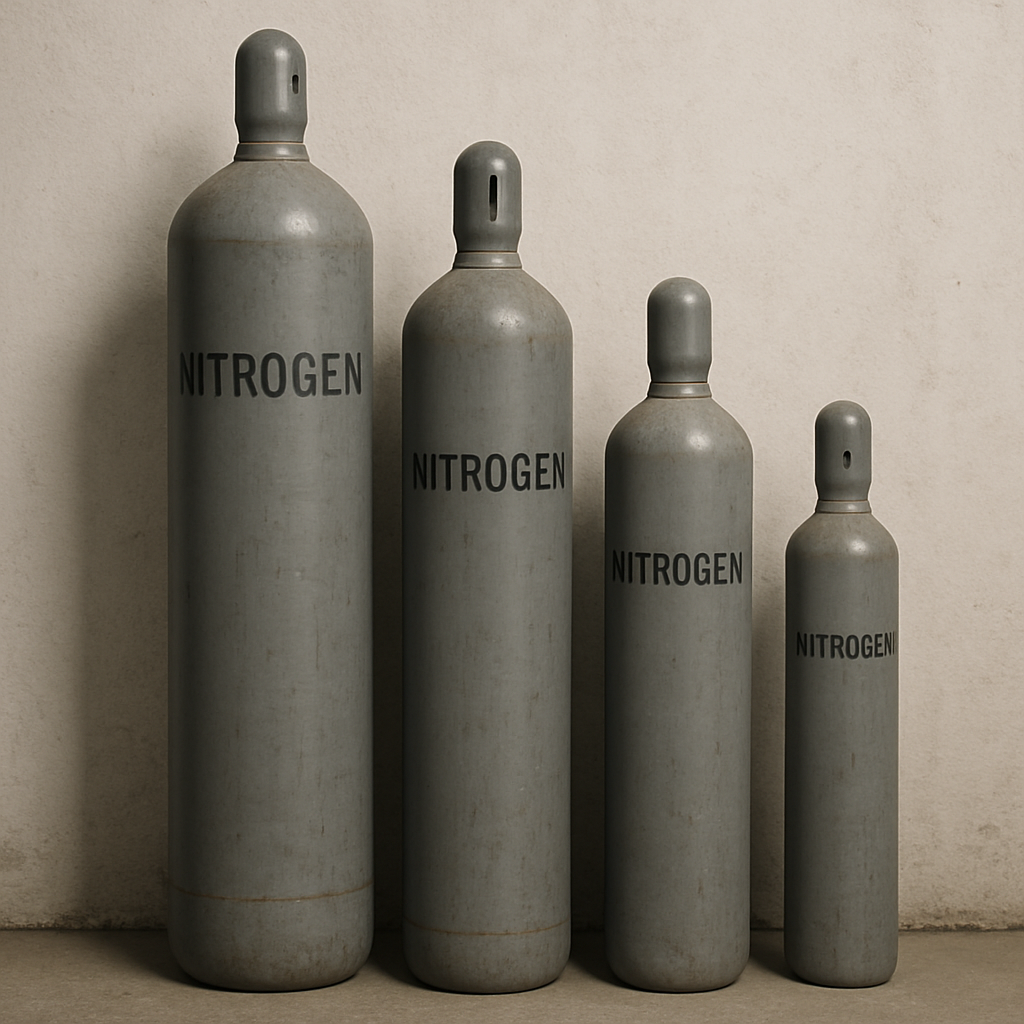
While standard tanks hold gas, other applications require the intense chill of liquid nitrogen. Determining where to buy nitrogen starts with knowing whether you need simple pressure or extreme cold. From local welding suppliers to specialized beverage distributors, finding nitrogen for sale is straightforward once you understand the safety requirements and tank types available in your area.
Gas vs. Liquid: Choosing the Right State for Your Project
Nitrogen acts as the gas inside tires, but it takes a drastically different form when ultra-cold. At -320°F, it becomes a cryogenic liquid. While the gas lives in heavy steel tanks under high pressure—measured in PSI (Pounds per Square Inch)—liquid nitrogen requires a specialized vacuum flask called a Dewar. A Dewar functions as a heavy-duty, unsealed thermos designed to let pressure escape safely while keeping the liquid freezing cold.
Choosing between a liquid nitrogen Dewar and a pressurized gas cylinder depends entirely on whether you need deep cold or clean force. The liquid form is famous for flash-freezing food, but the gas version is preferred for mechanical tasks because it lacks moisture. Unlike regular compressed air, nitrogen is incredibly dry, preventing rust inside tools and keeping packaged food from spoiling.
Finding nitrogen gas for sale usually means visiting a welding supplier or a specialized gas distributor rather than a standard hardware store. Knowing whether your project demands the extreme chill of a liquid or the stable, dry pressure of a gas ensures you leave with the right equipment.
Where to Buy Nitrogen Gas Without the Industrial Headache
Finding a nitrogen gas tank for sale requires visiting a dedicated nitrogen supplier rather than a general store, as high-pressure cylinders need specialized handling. Most buyers will source from one of two categories:
- National Chains: Big networks like Airgas or Matheson offer consistent inventory but may require setting up a commercial account.
- Local Welding Shops: Independent distributors are often friendlier to walk-in customers and hobbyists, allowing for quick purchases without complex contracts.
Buying gas rarely involves waiting for your specific cylinder to be refilled on the spot. Instead, the industry relies on a “tank exchange” model similar to swapping a propane tank for a backyard grill. You hand over your empty cylinder and pay a fee to leave with a full, pre-inspected tank. This system ensures every cylinder is safety-tested and compliant before it reaches your home or garage.
For culinary projects—like dispensing stout beer or nitro cold brew—verify you are receiving food grade nitrogen rather than industrial purity. While industrial gas is perfect for inflating tires, it isn’t certified for cleanliness and may contain trace contaminants. Specifying the grade ensures you get a product that is safe for consumption rather than just mechanical force.
Sourcing Liquid Nitrogen (LN2) for Science or Cooling
If you need extreme cold rather than gas pressure, locating liquid nitrogen leads to specialized counters. While some gas distributors carry it, liquid nitrogen suppliers are often medical supply houses or cryogenic facilities serving dermatology clinics and research labs. Call ahead, as not every locati0n keeps a bulk tank ready for walk-in dispensing.
When visiting a local supplier, remember that the vendor will strictly inspect your gear before selling you a drop. You cannot use a standard thermos or plastic cooler, which might shatter or explode from the rapid expansion of gas. Suppliers will only fill a specialized Dewar—that double-walled container designed to “exhale”—to ensure the liquid remains stable.
- Approved Dewar: Bring your own unsealed, cryogenic-rated container; vendors rarely rent these out.
- Safe Transport: Secure the vessel upright in a truck bed or well-ventilated trunk, never in the passenger cabin.
The Hardware: Decoding Regulators and Tank Fittings
Connecting your equipment requires a regulator, which steps down massive tank pressure to a safe level. This device screws into the tank using standard CGA 580 valve fitting specifications, a unique shape designed to prevent accidental cross-connections with incompatible gases. When reading a nitrogen regulator gauge, look at the dual dials: one indicates how much gas remains in the cylinder, while the other confirms the specific output pressure going to your tool.
Even the sturdiest steel cylinder needs a periodic health check to contain that energy safely. A date stamped on the tank’s shoulder tracks the mandatory hydrostatic testing frequency. Every five to ten years, depending on the material, professionals must pressurize the vessel with water to test for metal fatigue. If you bring an expired tank to a supplier, they will refuse to refill it until it passes this re-certification.
Don’t Let the Pressure Get to You: Handling Tanks Safely
While inert nitrogen won’t explode like propane, the sheer physical force inside these vessels demands respect. A tipped cylinder can shear off its valve, turning the heavy metal tank into an unpredictable projectile. To prevent this, safe storage requirements for high-pressure nitrogen cylinders dictate that they must always be secured upright using wall brackets or sturdy chains.
The gas itself presents a silent risk because it displaces oxygen without warning smells. Proper airflow is crucial, especially in small workshops or basements. If you are following handling procedures for cryogenic liquid nitrogen, you also face extreme cold that can freeze skin instantly. Follow these protection protocols:
- Maintain continuous ventilation to neutralize asphyxiation hazards.
- Wear personal protective equipment, such as safety glasses and insulated gloves, to prevent freeze burns.
- Verify the tank is chained securely before attaching a regulator.
Your Nitrogen Roadmap: From First Purchase to Safe Storage
You no longer need to view that heavy cylinder as a mystery. To get started, determine the size you need for your project, then search locally to buy nitrogen gas from a welding supply shop or beverage distributor. Remember to transport the vessel upright and secure it immediately upon arrival. This simple preparation turns a complex industrial purchase into a manageable, safe addition to your workshop.
A nitrogen gas tank offers utility rather than intimidation. Whether you are perfecting a nitro cold brew or maintaining tire pressure, you have the practical know-how to handle this invisible gas with care. Applying your understanding of regulators and safety protocols ensures professional-grade results for your everyday projects.