Choosing the right air compressor is vital for efficient nitrogen generation. It ensures the system operates smoothly and cost-effectively.
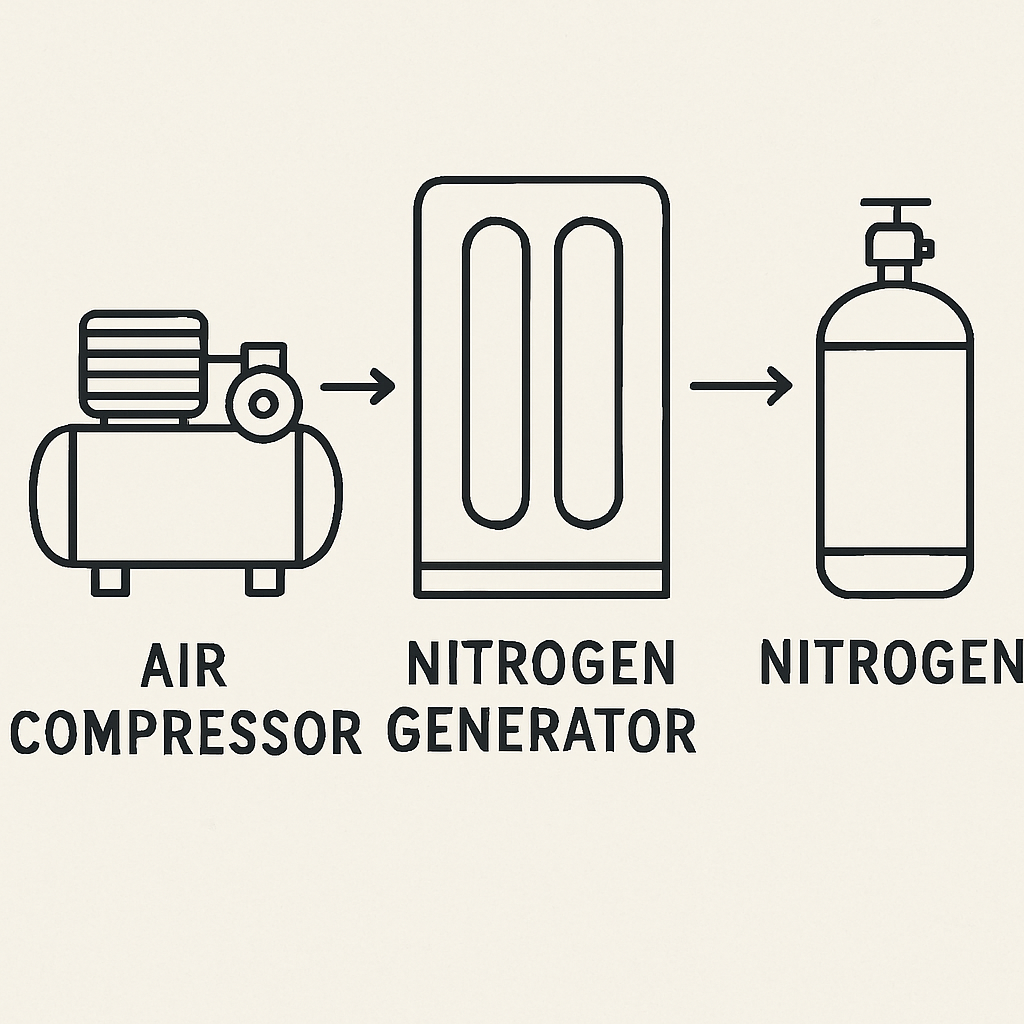
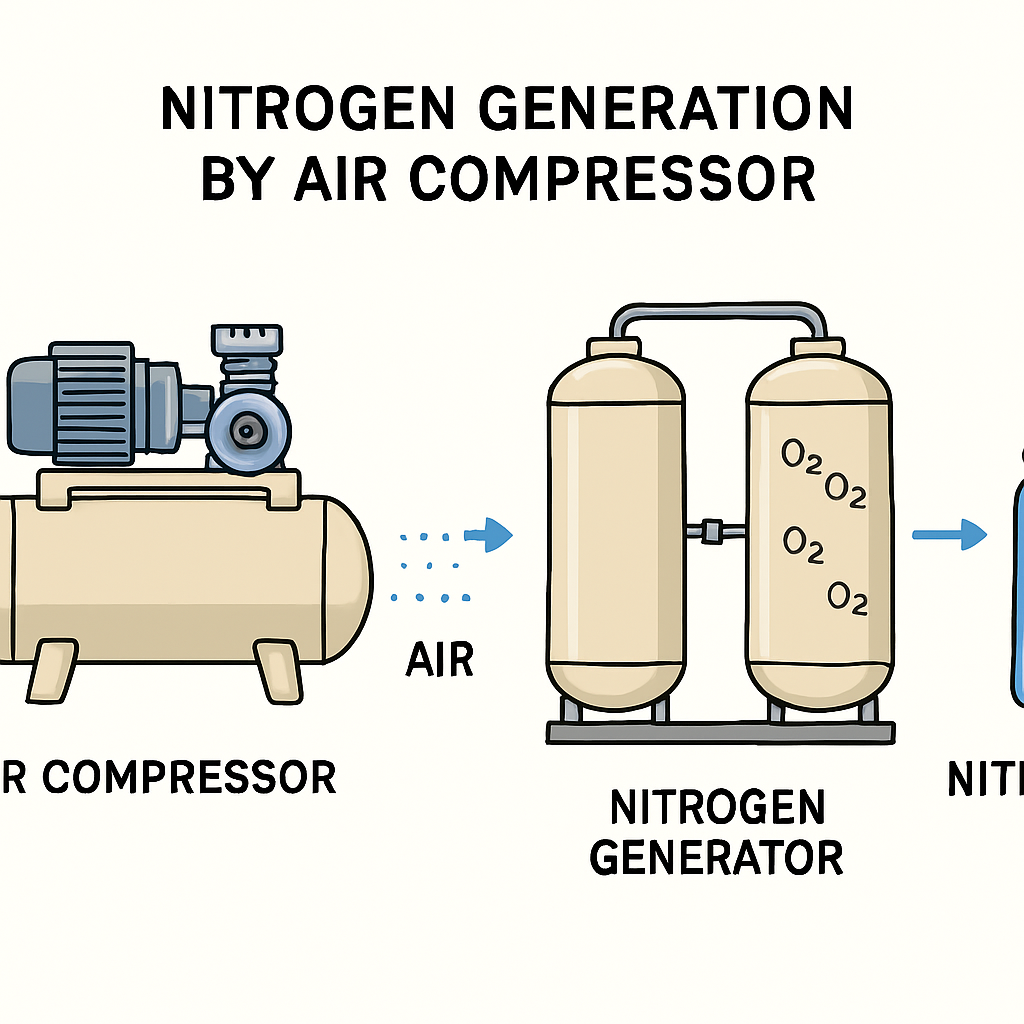
An air compressor provides the necessary pressure and flow for nitrogen generators. This makes it a crucial component in the setup.
Different types of compressors suit various needs. Rotary screw, reciprocating, and centrifugal compressors each offer unique benefits.
Selecting the right compressor involves considering factors like pressure, flow rate, and energy efficiency. These elements impact the overall performance and cost.
This guide will help you navigate the options. You’ll learn how to choose the best air compressor for your nitrogen generation system.
Why the Air Compressor Matters in Nitrogen Generation
An air compressor is integral to nitrogen generation systems. It provides the pressure needed to separate nitrogen from other gases. This makes it essential for achieving desired nitrogen purity levels.
The right compressor ensures efficiency and reliability. This leads to consistent nitrogen production and reduces operational costs over time. Selecting an appropriate compressor type prevents downtime and enhances system longevity.
Consider these key reasons why the compressor choice is crucial:
- Determines the efficiency of nitrogen production
- Impacts operational and maintenance costs
- Affects the purity and output consistency
Understanding its importance helps in making informed decisions when choosing equipment for nitrogen generation.
Types of Air Compressors for Nitrogen Generators
Choosing the right type of air compressor is key to meeting your nitrogen generator’s needs. Different compressors serve different applications. Understanding them can significantly impact efficiency and costs.
Rotary screw compressors are a popular choice. They provide continuous operation, making them ideal for industrial settings. Their efficiency contributes to lower energy consumption and overall operational costs.
Reciprocating compressors suit smaller, intermittent operations. These compressors offer robust performance for businesses with variable demands. They are often more cost-effective for limited use scenarios.
For large-scale demands, centrifugal compressors are preferred. They deliver high flow rates with consistent output. This makes them ideal for extensive, high-demand applications requiring continuous nitrogen production.
Consider the following list when choosing:
- Rotary screw: Best for continuous industrial use
- Reciprocating: Suitable for smaller or variable needs
- Centrifugal: Ideal for high flow, large-scale setups
Selecting the right compressor type helps ensure optimal performance in nitrogen generation.

by Sarmat Batagov (https://unsplash.com/@batag_)
Key Factors to Consider When Selecting an Air Compressor
Selecting an air compressor involves several crucial considerations. Each factor can significantly affect the overall efficiency and cost-effectiveness of your system. Addressing these elements can enhance your nitrogen generation capabilities.
First, consider the pressure requirements of your setup. Ensure that the compressor can meet the demands of your nitrogen generator system. A mismatch in pressure can lead to suboptimal performance and increased energy usage.
Flow rate is another vital aspect. Your compressor should provide the necessary volume of air for nitrogen production. An inadequate flow rate can hinder production and cause potential system failures.
Energy efficiency is crucial. Investing in an energy-efficient compressor can lead to substantial long-term savings. It also aligns with environmentally-conscious operational practices.
Other factors to keep in mind include:
- Maintenance needs: Regular care ensures longevity.
- Compatibility: Seamless integration with your current system.
- Noise levels: Impact on the working environment.
- Space requirements: Fit into your available area.
These factors combined will guide you to the best choice for your nitrogen generator compressor. Make sure to research thoroughly and consult experts if needed.

by iSawRed (https://unsplash.com/@isawred)
Air Compressor Setup for Nitrogen Generation Systems
Setting up an air compressor correctly is crucial for efficient nitrogen generation. A well-planned setup ensures seamless operation and reduces the risk of costly downtime. Begin by placing the compressor in a stable, well-ventilated area.
Electrical connections should be safe and meet the specifications of your equipment. It’s important to ensure that the power supply is stable and adequate. Installing surge protection can further safeguard your compressor.
Connecting the compressor to the nitrogen generator requires precision. Use quality fittings to avoid leaks and pressure drops. Proper alignment of hoses and pipes prevents unnecessary strain and potential failures.
Consider these setup steps:
- Establish clear electrical connections.
- Ensure proper ventilation around the compressor.
- Use quality seals and fittings to prevent leaks.
- Test the system thoroughly before full operation.

by The New York Public Library (https://unsplash.com/@nypl)
These steps will help you achieve an efficient and reliable air compressor setup. A solid foundation paves the way for consistent nitrogen production.
Maintenance and Efficiency Tips for Your Nitrogen Generator Compressor
Regular maintenance of your nitrogen generator compressor can greatly improve its lifespan and performance. Simple routine checks can prevent unexpected breakdowns and ensure smooth operation. Pay special attention to filters and oil levels.
Keeping the compressor clean reduces the risk of overheating. Dust and debris buildup can restrict airflow, leading to inefficient performance. Regular cleaning schedules can tackle these issues effectively.
To maintain high efficiency, ensure all connections are tight and secure. Leaks can lead to pressure losses and increased energy consumption. Monitor the system’s performance using gauges and sensors to catch irregularities early.
Key maintenance tips include:
- Check and replace air filters regularly.
- Ensure proper oil levels and change oil as needed.
- Keep the compressor unit free of dust and debris.
- Monitor for unusual sounds or vibrations.
Adhering to these tips will enhance your nitrogen generation system’s reliability.
Common Mistakes to Avoid in Air Compressor Selection and Setup
Selecting the wrong air compressor can lead to inefficiencies and increased costs. A common mistake is not matching the compressor’s capacity to your nitrogen generator’s needs. This can cause either underperformance or unnecessary energy use.
Improper installation is another frequent issue that can result in costly repairs later. Ensuring the setup is correctly done the first time can prevent problems down the road.
Key mistakes to avoid include:
- Choosing a compressor with unsuitable pressure or flow rates.
- Neglecting to consider future scalability needs.
- Skipping professional consultation for complex systems.
- Overlooking the importance of energy efficiency in the selection process.
Avoiding these mistakes can save time, reduce costs, and enhance your system’s overall performance.
Conclusion: Making the Right Choice for Your Nitrogen Generation Needs
Selecting the ideal air compressor for your nitrogen generation system is crucial. It affects both efficiency and long-term operational costs. By understanding the specific demands of your application, you can make informed choices that boost performance.
Consulting with industry experts and considering future needs can also provide significant advantages. By avoiding common mistakes and focusing on key factors, you ensure your system operates smoothly and efficiently. This thoughtful approach not only enhances the reliability of your nitrogen generation system but also maximizes cost-effectiveness over time.