In the world of electronics manufacturing, precision is key. SMT reflow soldering is a critical process in assembling printed circuit boards. The quality of solder joints can make or break a product’s reliability.
Using a nitrogen generator for SMT reflow soldering can significantly enhance this process. Nitrogen reduces oxidation, leading to better solder joint quality. This results in fewer defects and higher reliability in electronic assemblies.
Nitrogen generation systems offer a cost-effective and reliable nitrogen source. They eliminate the need for high-pressure cylinders, reducing safety risks. On-site nitrogen generation also provides flexibility for varying production demands.
Incorporating nitrogen into the reflow process is a standard practice in high-reliability industries. It not only improves product quality but also contributes to a safer working environment.
Understanding SMT Reflow Soldering and the Role of Nitrogen
SMT reflow soldering is an essential process in PCB assembly. It involves heating solder paste to connect components to the board. Achieving high-quality solder joints is crucial for electronic device performance.
One challenge in this process is oxidation, which can degrade solder joint quality. This is where nitrogen plays a vital role. By creating an inert atmosphere, nitrogen minimizes oxidation during soldering.
The advantages of using nitrogen in SMT reflow soldering include:
- Improved solder joint quality
- Reduced formation of solder balls
- Enhanced wetting properties of solder paste
Nitrogen helps create a controlled environment for the soldering process. It ensures a more consistent thermal profile, which enhances process stability. This results in fewer defects and higher production yields.
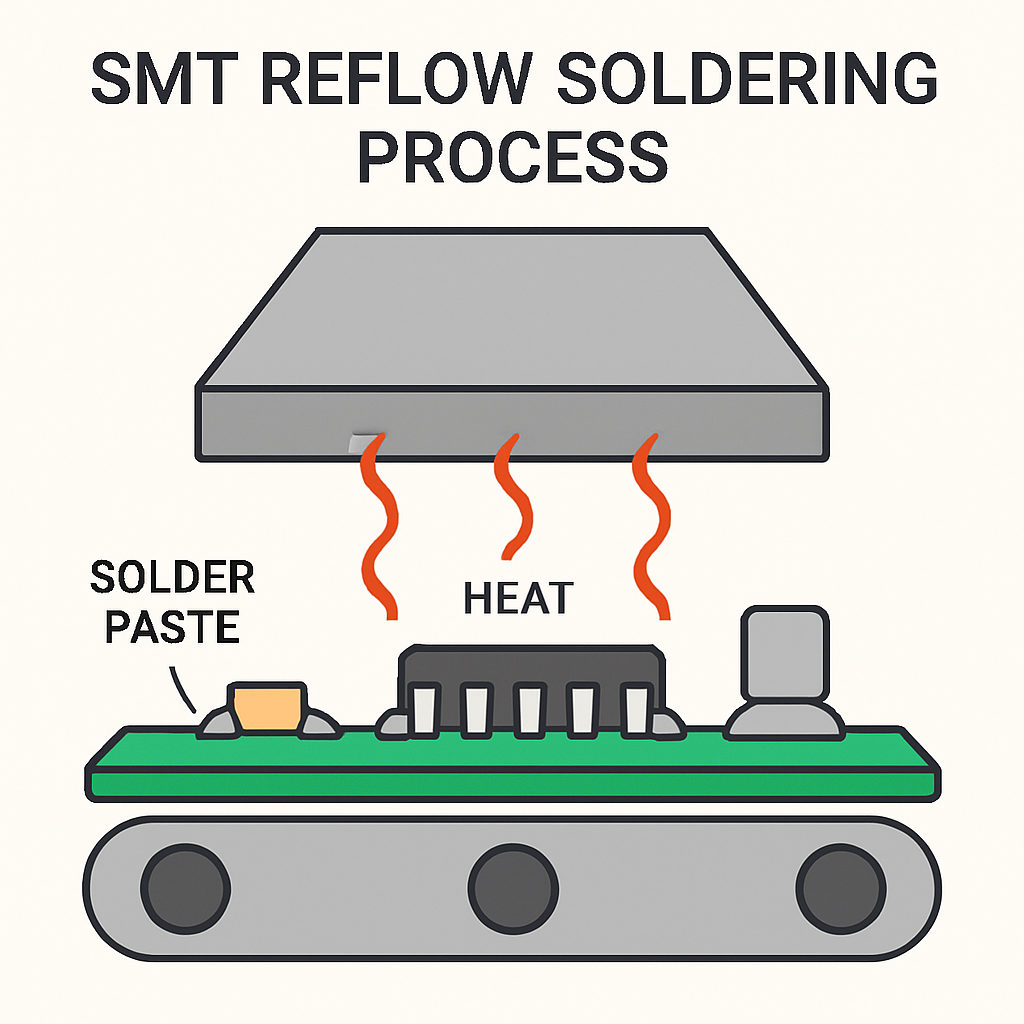
Using nitrogen in reflow soldering is standard in high-reliability manufacturing. It helps meet the stringent quality requirements of industries such as aerospace and medical devices. Understanding its role helps optimize the soldering process for better outcomes.
Why Use a Nitrogen Generator for SMT Reflow Soldering?
A nitrogen generator is a valuable addition to SMT lines. It provides a continuous supply of nitrogen, which is vital for quality soldering. By generating nitrogen on-site, manufacturing facilities can avoid the pitfalls of cylinder handling.
Using a nitrogen generator reduces downtime associated with cylinder changes. It ensures a steady nitrogen flow, crucial for uninterrupted production. This improves overall efficiency in the soldering process.
Key reasons to employ nitrogen generators include:
- Cost-effective nitrogen supply
- Reduced safety risks
- Consistent production quality
Nitrogen generators offer flexibility and scalability for changing production needs. Their ability to adjust nitrogen purity levels makes them versatile for different soldering requirements. This adaptability supports diverse manufacturing environments.
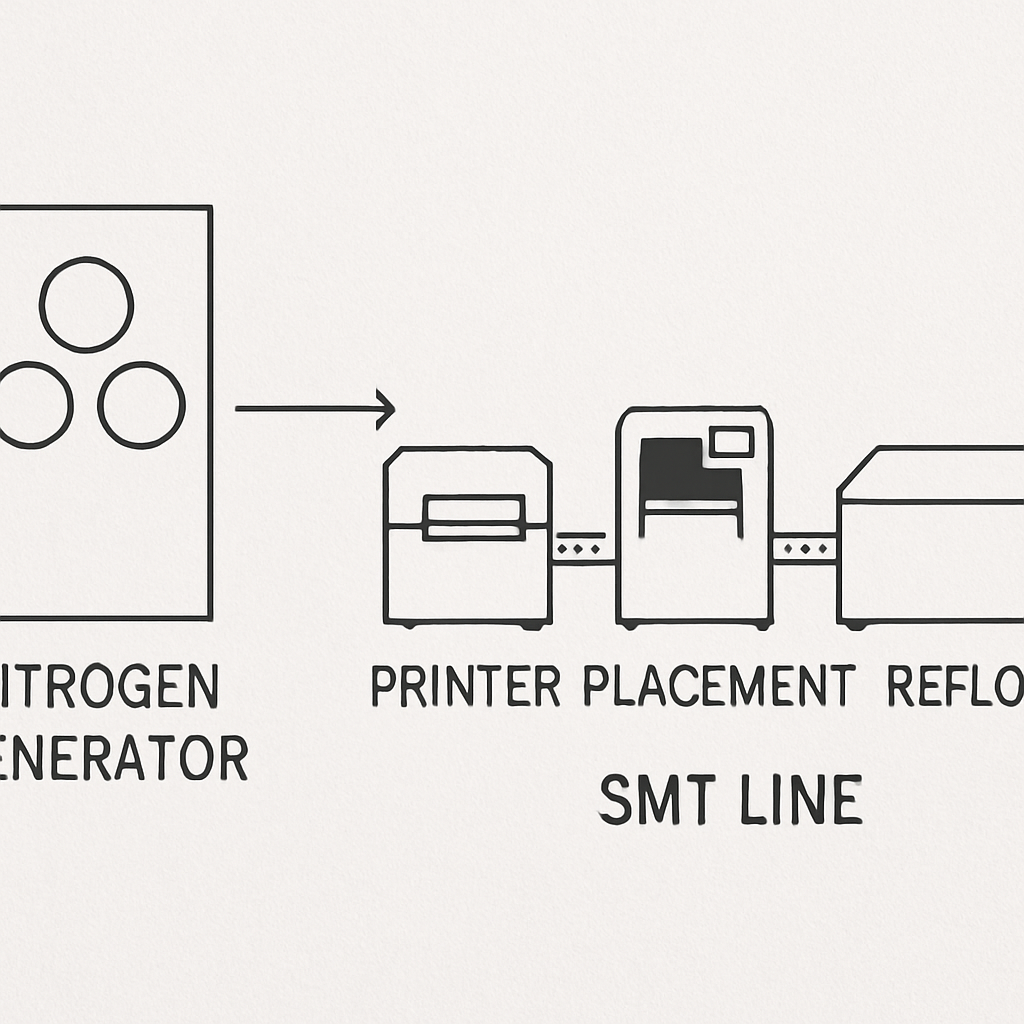
Implementing a nitrogen generator can lead to significant operational cost savings. It eliminates cylinder rental fees and transportation costs. Long-term, the investment pays for itself, enhancing profitability and process quality simultaneously.
Key Benefits of Soldering with Nitrogen
Soldering with nitrogen offers numerous advantages that enhance the quality of electronic assemblies. One major benefit is the reduction of oxidation. By minimizing oxidation, nitrogen improves the reliability of solder joints.
A more controlled soldering environment is another advantage. Nitrogen aids in achieving consistent thermal profiles during reflow. This leads to fewer defects and improved yield rates in production.
Benefits of using nitrogen in soldering include:
- Enhanced solder joint reliability
- Reduced oxidation and defects
- Better wetting of solder paste

by Gio Bartlett (https://unsplash.com/@giobartlett)
Nitrogen also improves the wetting properties of solder paste. This ensures better bond quality between components and PCBs. Consequently, it results in stronger and more reliable connections.
Moreover, the use of nitrogen can significantly improve product appearance. The solder joints become more aesthetically pleasing, with less discoloration. This is particularly important for high-precision industries where the visual quality of electronic products is scrutinized.
Integrating nitrogen in SMT processes not only enhances quality but also satisfies demanding customer standards. This leads to greater customer satisfaction and enhanced product reputation in competitive markets.
How Nitrogen Generation Systems Work
Nitrogen generation systems operate by extracting nitrogen directly from ambient air. Air is composed of approximately 78% nitrogen, which these systems efficiently separate from oxygen and other gases.
The process typically involves one of two technologies. The first is Pressure Swing Adsorption (PSA) and the second is membrane nitrogen generators. Both methods create high-purity nitrogen for industrial use.
Key components of nitrogen generation systems include:
- Air compressor
- Filters and purifiers
- PSA or membrane module

by Austrian National Library (https://unsplash.com/@austriannationallibrary)
These systems offer flexibility in terms of installation and integration. They can be tailored to meet specific production demands and space limitations.
The seamless operation of nitrogen generators provides a continuous nitrogen supply. This capability is crucial for maintaining optimal soldering conditions without interruptions. Consequently, this ensures that production processes remain efficient and cost-effective, adapting to varying production levels seamlessly.
Choosing the Right Nitrogen Generator for Your SMT Line
Selecting the appropriate nitrogen generator for your SMT line is crucial for optimizing production. Considerations include production volume, space availability, and specific purity requirements. Each of these factors affects the generator’s design and efficiency.
It’s essential to evaluate the features offered by different models. Look for generators that provide:
- Adjustable nitrogen purity levels
- Scalability for future growth
- Low maintenance requirements
Integration capabilities with existing equipment are also important. Ensuring compatibility can save time and reduce costs during the installation phase. Additionally, energy efficiency should be a top priority, as it directly affects operational costs.
Consulting with suppliers can offer insights into the best options available. They can guide you in tailoring a system that matches your specific manufacturing needs and provides long-term value.
Cost Savings and Operational Advantages
Incorporating a nitrogen generator into your SMT line offers significant cost savings. On-site nitrogen generation eliminates the need for high-pressure gas cylinders. This reduces associated handling costs and storage requirements, positively impacting your bottom line.
Operational efficiency also improves with reliable access to nitrogen. Consistent nitrogen supply leads to fewer process interruptions and higher product quality. Consequently, the risk of defects diminishes, resulting in reduced rework and scrap rates.
Consider these advantages:
- Lower material costs due to reduced flux usage
- Enhanced product yield from fewer defects
- Decreased operational costs through efficient gas supply
These benefits underscore the long-term value of a nitrogen generator in streamlining SMT reflow soldering operations.
Implementation Tips and Best Practices
To successfully integrate a nitrogen generator, careful planning is crucial. Analyze your production requirements to determine the necessary nitrogen purity and flow rates. This ensures the generator meets your SMT line’s specific needs.
Following best practices can enhance the transition:
- Perform regular maintenance to ensure optimal performance
- Train staff on proper operation and safety measures
- Monitor system performance to detect issues early
By adhering to these guidelines, you can maximize efficiency and maintain high-quality soldering results.
Conclusion: Enhancing SMT Reflow Soldering with Nitrogen Generation
The integration of nitrogen generation into SMT reflow soldering processes offers numerous benefits. It enhances product quality and reduces manufacturing defects. Adopting nitrogen generators not only improves solder joint integrity but also contributes to operational cost savings.
By choosing the right nitrogen generation system, manufacturers can ensure optimal soldering conditions. This ultimately leads to increased customer satisfaction and a more sustainable manufacturing practice. Investing in nitrogen technology is a smart step forward for any electronics production facility.