How to Reduce Your Home Energy Costs by 70%
You open the utility bill and feel that familiar knot in your stomach. Your routine hasn’t changed, yet the amount owed keeps climbing. Rather than stressing over a left-on lightbulb, understand that true budget-killers are usually invisible. While news headlines focus on how the grid makes power (generation), consumer research shows that modifying daily household habits (usage) actually protects your wallet.
Meaningful energy cost reduction doesn’t require sitting in the dark. Industry data reveals that learning how to lower monthly electric bills relies on three practical pillars: behavior shifts, sealing leaks, and renter-friendly tech. By stopping the money quietly escaping your home, you can target up to a 70% savings goal.
Finding the Leaks: How a 10-Minute Home Energy Audit Saves Hundreds
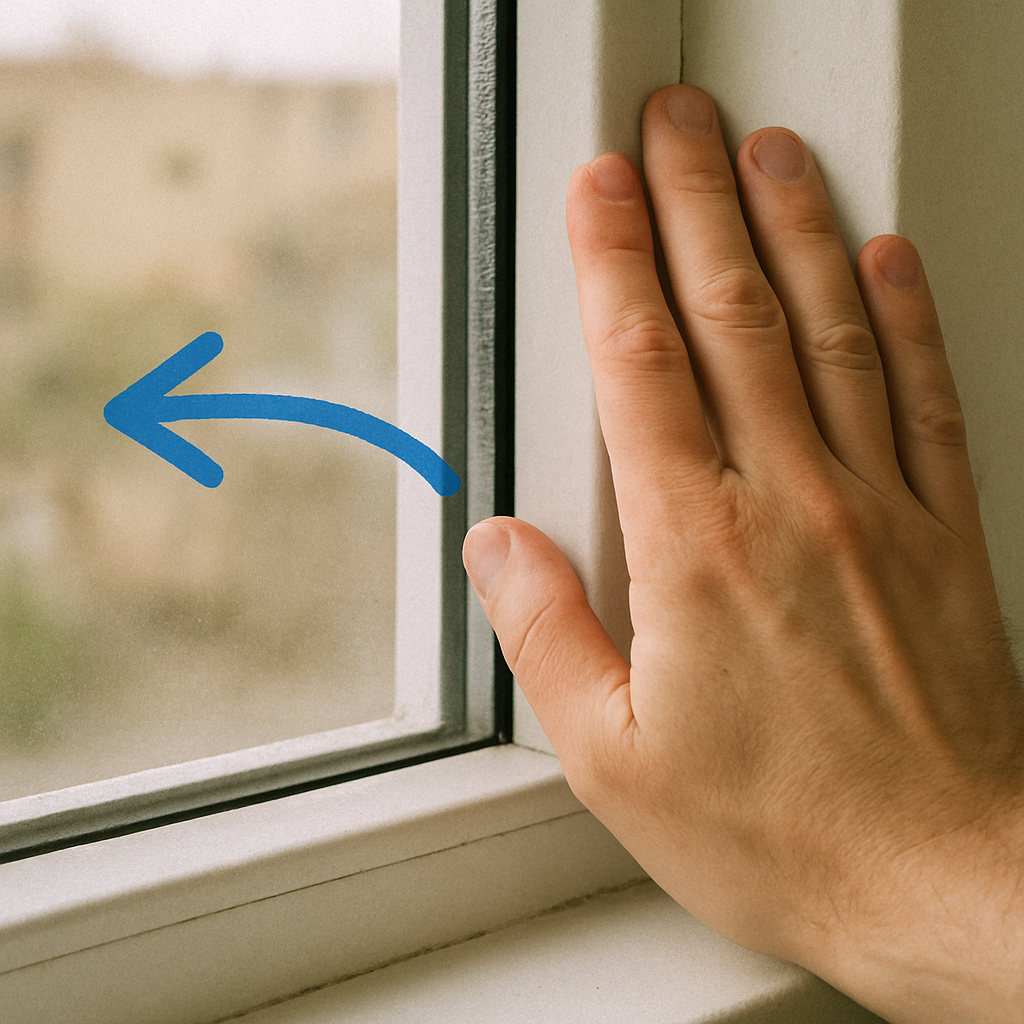
You know your bill spikes when the heater runs constantly, but the real culprit is often invisible air infiltration. Heated air escapes through tiny gaps, forcing your system to work overtime to replace it. To find these leaks, just wet your hand or light an incense stick and slowly trace the edges of your rooms. If you feel a chill or see the smoke waver, you have successfully found a draft.
Grab a notepad and use this 5-point home energy audit checklist to prioritize your simplest, cheapest DIY repairs:
- Windows (check the weather stripping)
- Doors (look for daylight under the sweep)
- Outlets (feel for drafts on exterior walls)
- Attic hatches (ensure they close tightly)
- Baseboards (seal gaps where the floor meets the wall)
Beyond escaping air, money is also leaking from your sockets through “vampire power”—energy used by devices turned off but still plugged in. Think of your TV’s standby mode like a leaky faucet; it constantly drips electricity to stay ready for the remote. Unplugging rarely used gadgets is an easy win for phantom power draw reduction, generating significant annual savings. With physical leaks plugged, the next step is tackling when you use energy.
The ‘Grocery Store’ Strategy: Using Off-Peak Hours and Smart Thermostats to Cut Costs
Imagine milk costing $3 in the morning but $8 at 6:00 PM when everyone rushes to the store. That is exactly how power companies charge you during “Peak Demand.” Instead of a flat rate, you pay more when the electricity grid is busy. Shifting heavy appliance usage to cheaper off-peak electricity hours—usually after 9 PM—instantly lowers your bill without requiring you to actually use less power overall.
To capitalize on this pricing shift, try reserving your most energy-hungry chores for those cheaper nighttime windows:
- Dishwashers: Load your dishes immediately after dinner, but wait to press start until right before bed.
- Laundry: Wash and run heavy dryer loads on weekend mornings or late weekday evenings.
- EV Charging: Schedule your car to plug-in and power up overnight while rates hit rock bottom.
While these daily habits help, heating and cooling still dominate your monthly budget. When comparing a smart thermostat vs programmable thermostat, the biggest difference is automation. Programmable models only follow rigid manual schedules, but smart versions actually learn your daily routine—lowering the heat when you leave and warming up before you return. That simple “learning” feature saves the average family over $120 annually. Mastering when to use power maximizes your savings, but keeping that conditioned air inside ensures your heating and cooling systems don’t work overtime.
Plugging the Drip: Sealing Invisible Air Gaps and Insulating for Immediate Relief
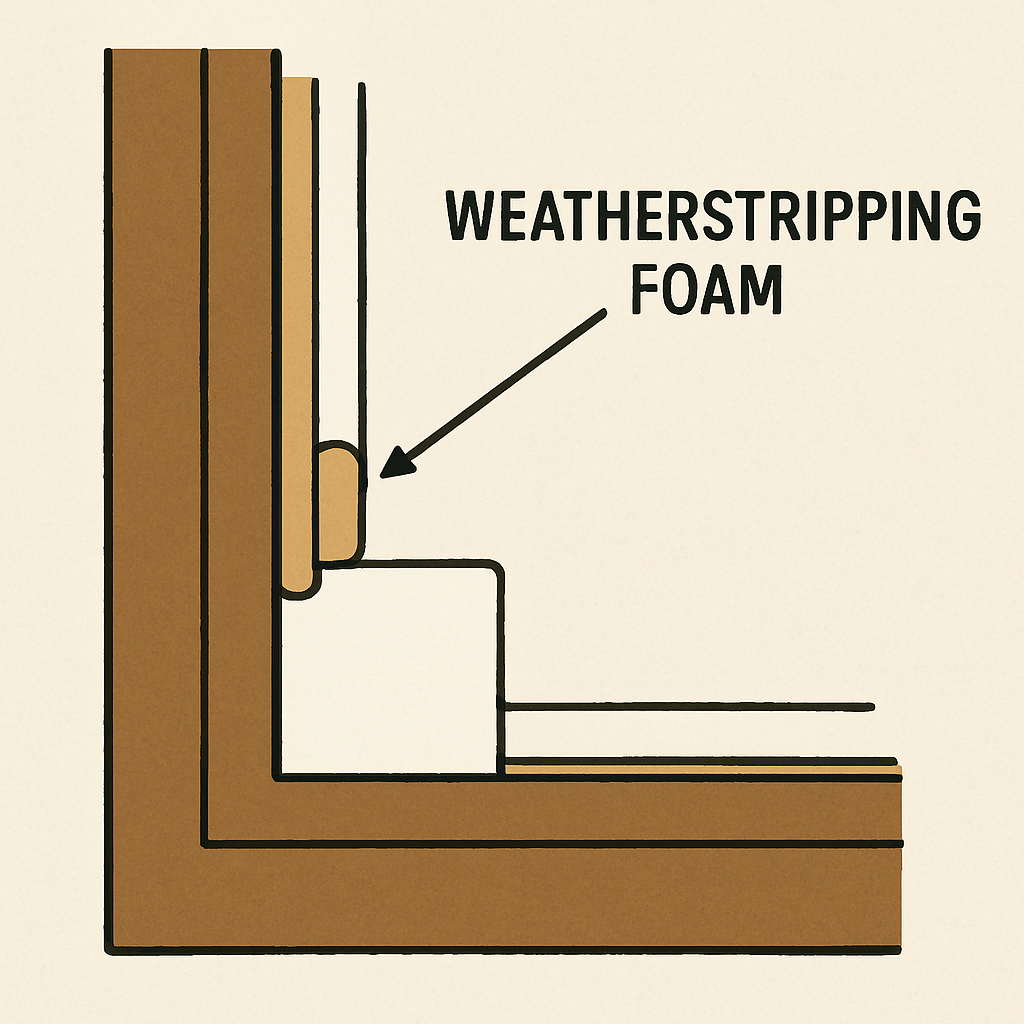
You’ve optimized when your heater runs, but that effort is wasted if warm air escapes outside. Think of a drafty doorway like a leaky faucet dripping your money away. The fastest way to stop this bleed is sealing air leaks around windows and doors. For renters and homeowners, adhesive foam tape is one of the best weatherstripping materials because it is affordable and installs in seconds.
While foam tape stops the drafts you physically feel, upgrading your home’s shell stops heat loss you cannot see. Focusing on insulating your attic for winter savings is the most effective one-time upgrade you can make. Because heat naturally rises, a bare ceiling space acts like an open chimney pulling expensive air out of your living room.
To measure this protection, builders use an “R-Value,” which is essentially the thickness of your home’s winter coat. A higher R-Value simply means a heavier jacket for your house. After sealing physical leaks, replacing power-hungry devices provides the final layer of efficiency.
Efficiency Upgrades That Pay for Themselves: LED Conversions and Energy Star Ratings
A basic LED bulb conversion guide relies on simple math: swapping one old bulb saves roughly a penny per hour it runs. Here is the true cost-to-benefit breakdown:
- Incandescent: Cheap to buy, but adds dollars to your monthly bill.
- Halogen: Slightly better, but burns hot and wastes power.
- LED: Costs a few dollars upfront, but slashes lighting energy by 80%.
Beyond lighting, decoding Energy Star appliance ratings is like looking into a crystal ball for your budget. Those famous yellow stickers estimate your annual operating costs, quickly proving that a highly efficient fridge actually saves you money over its lifespan despite a slightly higher purchase price.
Are major home upgrades worth the price tag? When weighing heat pump installation costs, remember they efficiently move heat instead of generating it from scratch. Similarly, variable speed pool pumps act like a car’s gas pedal, running gently instead of constantly blasting at full power. These structural investments stop heavy power drain, setting the stage for a practical, month-long implementation plan.
Your 30-Day Energy Shredder Plan: From Small Habits to Big Savings
You don’t need an engineering degree to master your utility bill. By committing to a simple four-week implementation timeline, you are finally taking control. If you are on a tight budget, explore local weatherization assistance programs. These free government and utility resources offer a helping hand with structural home upgrades to jumpstart your energy cost reduction.
Start today by unplugging just one unused device to see immediate results. When you consistently apply these habits, the savings add up fast. Shaving those small costs off your bill is like getting your Netflix subscription completely free, every single month. Each time you stop electricity from leaking out of your home, you put cash right back into your own pocket.
💼 Looking for a More Cost-Effective Nitrogen Solution?
If you’re currently relying on liquid nitrogen or cylinders, you may be facing high costs and unstable supply.
Our onsite nitrogen generator systems help you:
✔ Reduce nitrogen cost by up to 70%
✔ Ensure continuous and stable supply
✔ Improve production efficiency
👉 Get a free quote within 24 hours
👉 Talk to our engineer for a custom solution