Switching from liquid nitrogen to PSA systems is a significant decision for many industries. Liquid nitrogen is widely used for its cooling and inerting properties. However, it comes with challenges like cryogenic storage and handling costs.
PSA systems offer an alternative by generating nitrogen gas on-site. This eliminates the need for complex storage solutions. They use compressed air and adsorbent materials to separate nitrogen from other gases.
This switch can lead to reduced operational costs and increased flexibility. PSA systems provide a continuous nitrogen supply, minimizing downtime and enhancing reliability. They also offer environmental benefits by reducing the carbon footprint associated with transportation.
Understanding when to make this transition is crucial. It involves assessing factors like nitrogen demand, purity requirements, and budget constraints. This guide will explore the benefits and considerations of switching to PSA systems.
Understanding Liquid Nitrogen and PSA Systems
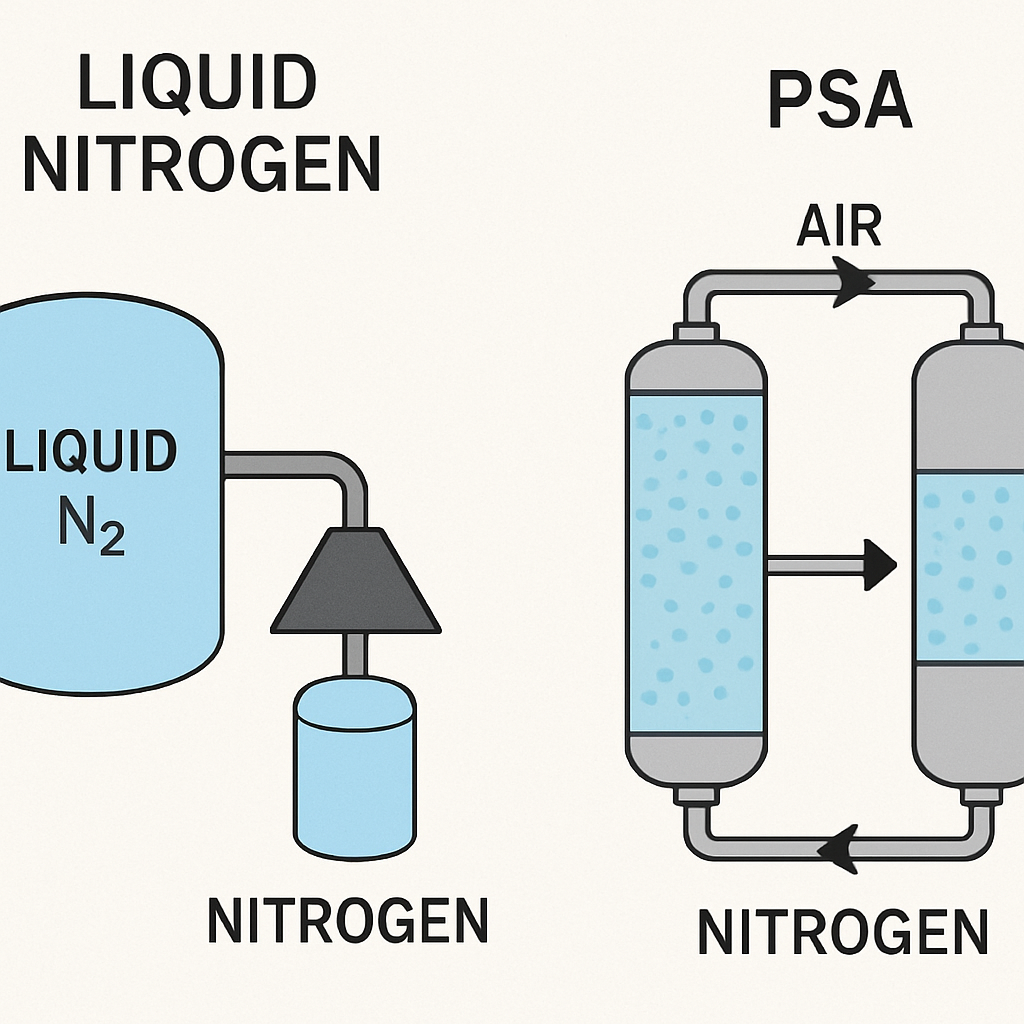
Liquid nitrogen is a staple in industries due to its cooling capacity. It’s commonly used in fields like food processing and pharmaceuticals. However, it requires cryogenic storage, which can be costly and complex.
Pressure Swing Adsorption (PSA) systems provide an alternative by offering on-site nitrogen generation. Unlike liquid nitrogen, PSA systems use compressed air and specialized materials to isolate nitrogen gas. This innovative method eliminates the need for cryogenic storage.
Here are key differences between the two systems:
- Storage: Liquid nitrogen needs cryogenic tanks; PSA systems use compressed air.
- Supply Method: Liquid nitrogen is delivered; PSA generates on-site.
- Maintenance: PSA requires regular, yet simple, maintenance.
Industries that transition to PSA systems often see benefits like reduced logistics and storage expenses. The technology is versatile, allowing customization to fit specific industry needs. Whether focusing on nitrogen purity or consistent supply, PSA systems can provide substantial advantages.
Common Issues with Liquid Nitrogen Supply
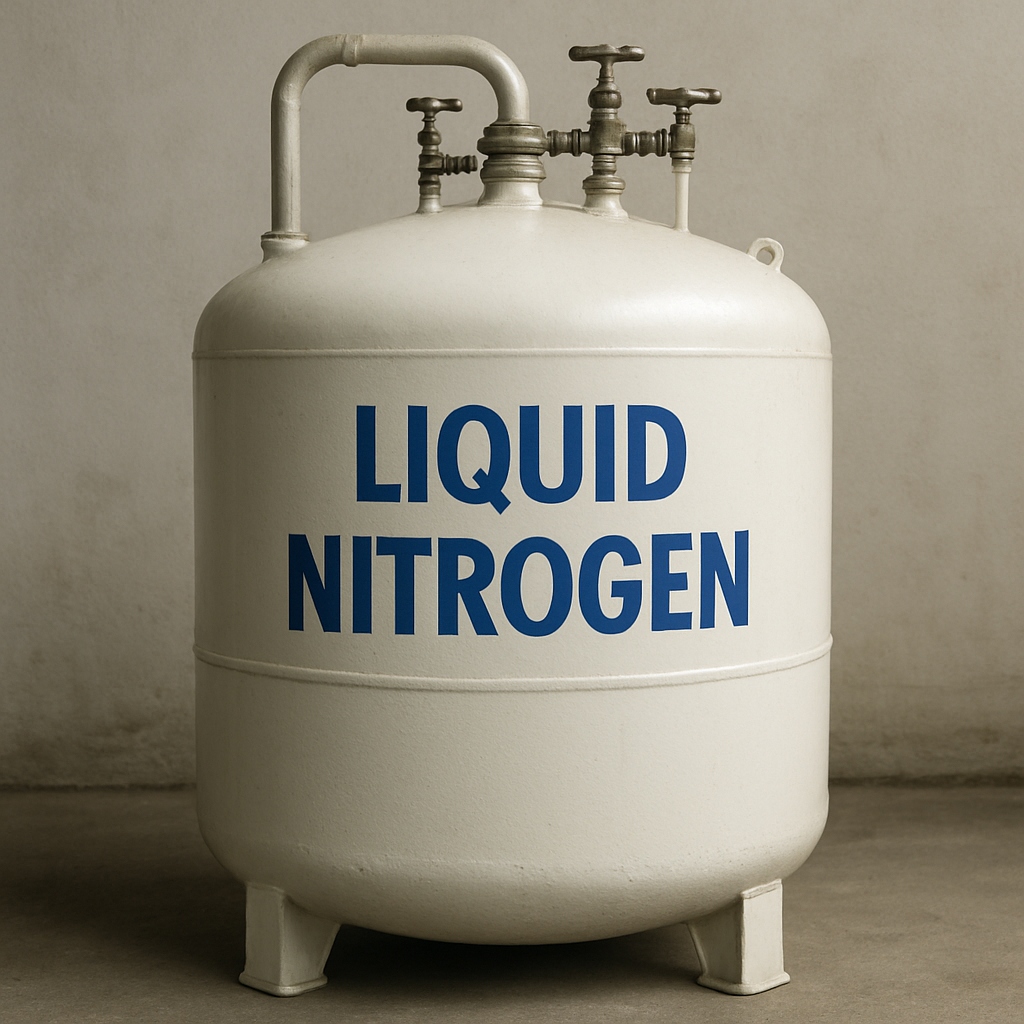
Using liquid nitrogen presents several challenges that industries must address. One significant concern is the need for specialized storage. Cryogenic tanks are not only expensive but require meticulous handling procedures.
Another issue is delivery logistics. Dependence on external suppliers can lead to delays. These delays disrupt operations, especially when supply chain issues arise.
Safety is another concern with liquid nitrogen. It presents risks such as frostbite from leaks and rapid evaporation if not handled properly. This requires investing in staff training and safety gear.
Key issues with liquid nitrogen include:
- Storage Costs: Expensive cryogenic tanks.
- Supply Chain: Vulnerable to disruptions.
- Safety Risks: Hazardous to handle.
Switching to a more reliable system could solve many of these issues. PSA technology provides a sustainable, on-site solution, reducing reliance on external deliveries and enhancing safety.
How PSA Nitrogen Generators Work
Pressure Swing Adsorption (PSA) technology offers a straightforward method for on-site nitrogen production. These systems use a specialized process to separate nitrogen from compressed air. The separation relies on adsorbent materials, which trap unwanted gases.
PSA systems function by cycling between pressure and depressurization phases. During high pressure, adsorbents like carbon sieves catch oxygen, carbon dioxide, and moisture. As the pressure lowers, these unwanted gases are released, leaving behind purified nitrogen.
One key advantage of PSA systems is their adaptability. Facilities can easily adjust the purity levels based on their needs. The typical purity range is from 95% to 99.999%, catering to various industrial applications.
Main steps involved in PSA nitrogen generation include:
- Air Compression: Compressing ambient air.
- Adsorption: Trapping impurities.
- Desorption: Releasing trapped gases.
- Collection: Extracting nitrogen.
PSA technology ensures a consistent and reliable nitrogen supply. This enhances operational efficiency and reduces dependency on external suppliers.
Key Benefits of Switching from Liquid Nitrogen to PSA
Switching from liquid nitrogen to PSA systems offers numerous advantages. One major benefit is the elimination of delivery and storage costs. PSA systems produce nitrogen on-site, reducing reliance on cryogenic storage.
Operational expenses are significantly reduced with PSA technology. Facilities no longer have to worry about market fluctuations in liquid nitrogen supply. This provides a more stable and predictable budget for nitrogen costs.
Another key advantage is the enhanced safety of PSA systems. They operate at ambient temperatures, removing the risks associated with handling cryogenic liquids. This reduces the chance of cryogenic burns and other hazards.
PSA systems also allow for flexible nitrogen purity levels. This adaptability means industries can tailor nitrogen production to their specific needs. High purity can reach up to 99.999%, suitable for the most demanding applications.
Additionally, PSA systems contribute to environmental sustainability. They lower the carbon footprint by cutting out transportation emissions and are easy to integrate into existing setups.
Key benefits include:
- Reduced operational costs
- Enhanced safety
- Flexible nitrogen purity
- Increased environmental sustainability
- Reliable and continuous nitrogen supply
Adopting PSA technology can improve both efficiency and sustainability in industrial operations.

by Morgan Housel (https://unsplash.com/@morganhousel)
Signs It’s Time to Switch from Liquid Nitrogen to PSA
Deciding when to switch from liquid nitrogen to PSA involves assessing several factors. If your facility frequently faces supply chain disruptions, PSA could be the solution. A consistent and reliable nitrogen supply is crucial for uninterrupted operations.
Escalating costs of liquid nitrogen are another indicator. As logistics and storage expenses rise, switching to PSA can offer long-term savings. On-site nitrogen generation eliminates the need for costly deliveries and storage.
Another sign is increased safety concerns within your operation. Handling liquid nitrogen poses significant safety risks. PSA systems, operating at room temperature, enhance workplace safety by removing cryogenic dangers.
If your industry demands adaptability in nitrogen purity, this is a crucial consideration. PSA systems offer flexibility, allowing for customized purity levels to meet varying requirements. Tailoring nitrogen output can optimize production processes.
Lastly, evaluating your facility’s sustainability goals can inform your decision. If environmental impact reduction is a priority, PSA systems can align with these aims. By lowering carbon emissions and supporting sustainability initiatives, PSA ensures a greener operation.
Signs indicating a switch include:
- Supply chain disruptions
- Escalating costs
- Safety concerns
- Need for purity flexibility
- Sustainability goals
Factors to Consider Before Making the Switch
Before switching from liquid nitrogen to PSA systems, several key factors should be evaluated. First, assess your facility’s nitrogen demand and usage patterns. Understanding these can help determine the capacity and scale needed for a PSA system.
Consider the initial investment versus long-term benefits. While PSA systems require upfront costs, operational savings and reduced delivery expenses often offset these over time. A detailed cost-benefit analysis can provide clarity on potential savings.
Another important aspect is space availability. PSA systems need space for installation, but they can free up areas previously occupied by liquid nitrogen storage. Assessing your layout can ensure a smooth integration into your current setup.
Finally, review maintenance capabilities. Though PSA systems are generally low-maintenance, regular checks are essential for optimal performance. Ensuring your team is trained or securing a service contract can mitigate potential maintenance challenges.
Important considerations include:
- Nitrogen demand assessment
- Cost-benefit analysis
- Space availability
- Maintenance capabilities
Comparing Costs: Liquid Nitrogen vs. PSA Systems
Cost comparison between liquid nitrogen and PSA systems reveals significant differences. Liquid nitrogen requires ongoing expenses for delivery, storage, and handling. These cumulative costs can escalate with market fluctuations and supply chain disruptions.
On the other hand, PSA systems have higher initial costs due to the equipment needed for on-site nitrogen generation. However, they effectively eliminate the recurring delivery and storage costs associated with liquid nitrogen supply. Over time, the reduction in operational costs can present substantial savings.
Key financial considerations include operational stability. PSA systems provide a predictable expense model, which is advantageous for budgeting and forecasting. Additionally, the payback period for a PSA system investment often ranges from one to three years, dependent on usage patterns.
Important cost factors to consider are:
- Initial setup and installation expenses
- Ongoing delivery and storage costs of liquid nitrogen
- Long-term savings and payback period with PSA
Transitioning to PSA: Steps for a Smooth Changeover
Switching to PSA technology can seem daunting, but with the right steps, it’s manageable. Proper planning and execution ensure minimal disruption during the transition. Begin by conducting a comprehensive evaluation of your current nitrogen needs and equipment compatibility.
Collaboration with experienced providers is crucial. They offer the technical expertise necessary to configure PSA systems to fit your facility’s unique requirements. This alignment minimizes operational disruptions during the changeover process.
After installation, integrate PSA systems into your operational flow seamlessly. This process might include staff training and implementing any automation features. Following these steps ensures a successful and smooth transition:
- Conduct a thorough assessment of nitrogen demands
- Collaborate with experienced PSA technology providers
- Ensure seamless integration and staff training

by Milad Fakurian (https://unsplash.com/@fakurian)
Frequently Asked Questions About PSA and Liquid Nitrogen
Many decision-makers have questions when comparing PSA systems and liquid nitrogen. Key concerns often focus on performance, costs, and safety. Understanding these aspects helps in choosing the best fit for your facility’s needs.
Here are some commonly asked questions:
- What are the maintenance requirements for PSA systems?
- How do PSA purity levels compare to liquid nitrogen?
- What is the typical payback period for a PSA system?
- Are there safety benefits of switching to PSA?
- Can PSA systems handle varying nitrogen demands?
Providing clear answers to these questions can aid in informed decision-making. Knowing the differences helps facility managers choose a more efficient and sustainable option.
Conclusion: Is PSA Right for Your Facility?
Choosing between liquid nitrogen and PSA hinges on several factors unique to each operation. Consider operational costs, purity requirements, and system flexibility.
PSA systems offer numerous benefits, including cost savings and improved sustainability. Evaluate your facility’s needs comprehensively. This choice can significantly enhance your facility’s efficiency and environmental impact. Ultimately, PSA could be a strategic investment for more sustainable and reliable nitrogen supply.
💼 Looking for a More Cost-Effective Nitrogen Solution?
If you’re currently relying on liquid nitrogen or cylinders, you may be facing high costs and unstable supply.
Our onsite nitrogen generator systems help you:
✔ Reduce nitrogen cost by up to 70%
✔ Ensure continuous and stable supply
✔ Improve production efficiency
👉 Get a free quote within 24 hours
👉 Talk to our engineer for a custom solution