Determining the right amount of nitrogen for your plants can be challenging. Nitrogen is vital for plant growth, affecting leaf development and overall health.
Too much nitrogen can harm the environment, causing water pollution and greenhouse gas emissions. On the other hand, too little nitrogen leads to poor growth and reduced yields.
A nitrogen calculator can help you find the perfect balance. By considering factors like soil type, crop type, and growth stage, you can optimize nitrogen use.
This guide will walk you through using a nitrogen calculator effectively. Whether you’re a gardener, farmer, or student, you’ll learn to apply nitrogen smartly for better plant health.
Let’s explore how to use a nitrogen calculator to meet your specific needs.
Why Nitrogen Matters for Plant Growth
Nitrogen is a key nutrient that plants need to thrive. It plays a critical role in photosynthesis, which is essential for energy production in plants.
Leaf growth is heavily dependent on nitrogen, impacting the overall health and development of plants. A lack of nitrogen can cause yellow leaves and weak growth, which are signs of nitrogen deficiency.
Different plants have varying nitrogen needs. For instance, leafy greens require more nitrogen than root vegetables. Here’s why nitrogen is crucial for plant development:
- Supports strong leaf and stem growth
- Enhances chlorophyll production for photosynthesis
- Boosts protein synthesis in plants
Over time, using nitrogen effectively leads to healthier plants and improved crop yields. Understanding nitrogen’s role helps optimize application strategies.

This knowledge ensures you apply just the right amount, tailored to your plants’ specific needs.
Risks of Over- and Under-Applying Nitrogen
Applying too much nitrogen can lead to environmental harm. It contributes to water pollution and increases greenhouse gas emissions. Over-application also causes plants to grow excess foliage instead of producing fruit or flowers.
On the other hand, not using enough nitrogen results in weak growth. Plants may have yellow leaves and stunted development. This deficiency reduces crop yields and overall plant health.
Balancing nitrogen application is crucial for sustainable farming. Here are some potential risks to avoid:
- Water pollution from fertilizer runoff
- Reduced plant productivity due to nutrient deficiency
- Environmental damage from excessive nitrogen use
By carefully managing nitrogen use, you can protect the environment and optimize plant growth. It’s important to monitor both soil and plant conditions to make informed decisions.
Understanding Your Soil and Crop Needs
Knowing your soil and crop needs is essential for effective nitrogen management. Soil testing gives insight into the nutrient levels present. This helps in determining the additional nutrients required for optimal growth.
Different crops have unique nitrogen requirements. Leafy greens, for instance, need more nitrogen than root vegetables. By knowing your specific crop needs, you can tailor your fertilizer application.
Consider these factors when assessing your needs:
- Soil type and current nutrient levels
- Specific nitrogen requirements for your crops
- Growth stages of your plants
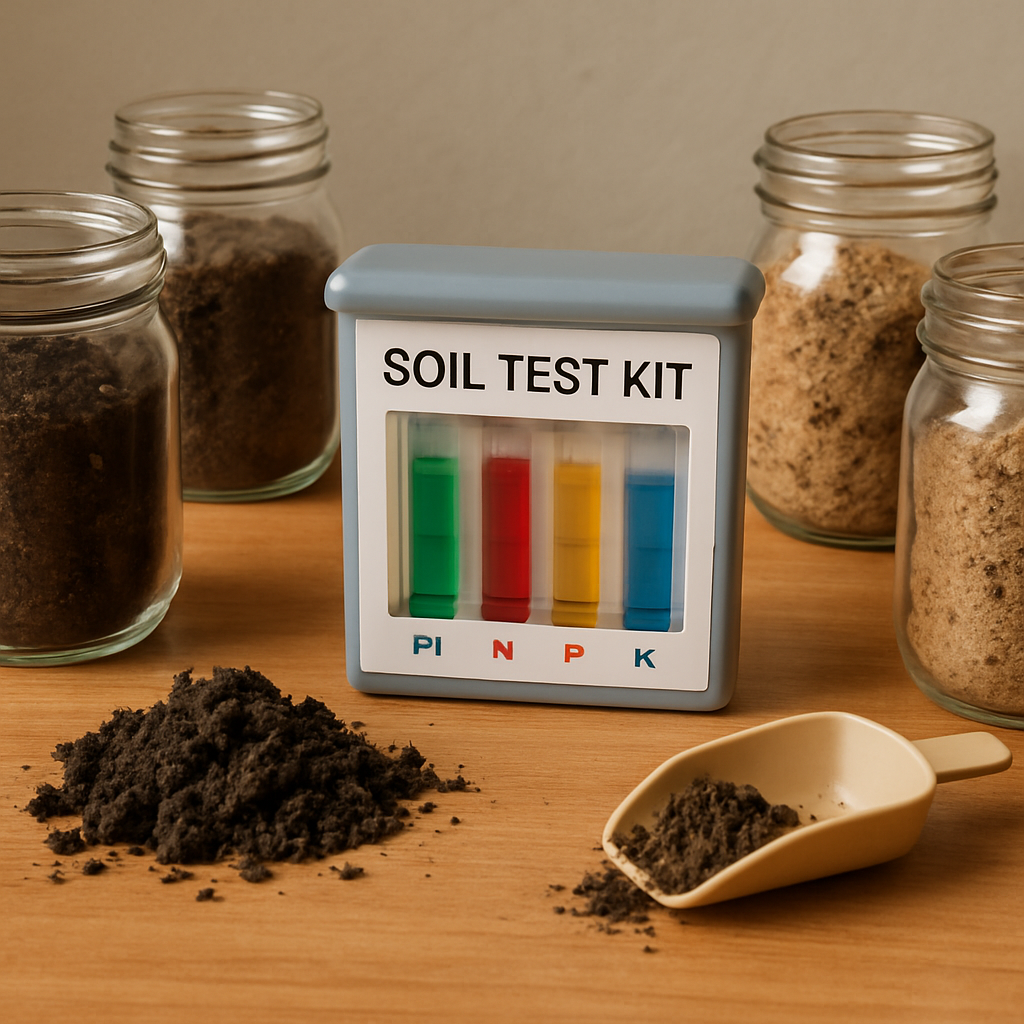
Monitoring soil conditions lets you adjust nitrogen applications as needed. Regular assessments prevent nutrient imbalances and promote healthy plant growth. It’s important to align fertilizer use with both soil conditions and crop demands for the best outcomes.
How to Use a Nitrogen Calculator Guide
Using a nitrogen calculator guide is a straightforward process. It helps determine the precise amount of nitrogen your crops need. This minimizes waste and maximizes plant health.
First, gather essential information about your fields. This includes crop type, soil type, and the growth stage of your plants. You may also need data on expected yields and current soil nutrient levels.
Follow these steps to use a nitrogen calculator:
- Input your crop and soil type.
- Enter the growth stage of your plants.
- Provide current soil nutrient levels.
- Include expected yield information.
- Calculate the required nitrogen.

by Evie S. (https://unsplash.com/@evieshaffer)
With this information, the calculator estimates the needed nitrogen. It helps you apply the right amount of fertilizer at the right time. This ensures efficient use of resources and optimal plant growth.
Finally, always double-check your data entries. Accurate inputs lead to precise recommendations. This is crucial for successful nitrogen application and crop yield maximization.
Step-by-Step Example: Calculating Nitrogen Needs
Let’s walk through an example of calculating nitrogen needs. Suppose you’re growing corn, which requires substantial nitrogen. This step-by-step approach will guide you.
First, assess your field conditions. Test your soil for nutrient levels. Knowing your current nitrogen levels is key.
Next, determine your expected yield. For corn, you might aim for a certain bushel per acre. Enter this into the calculator.
- Soil nitrogen content: Check through a soil test.
- Expected corn yield: Enter the desired amount.
- Growth stage: Specify early growth, vegetative, or reproductive stage.
The calculator will process this data. It provides a nitrogen application rate tailored to your crop’s needs.
The recommendations are specific, yet flexible. Adjust based on weather conditions and plant health observations. This approach ensures that your crops get the nutrients they need without excess waste.
Tips for Effective Nitrogen Application
Effectively applying nitrogen is crucial for the health of your plants. Timing is one of the most vital considerations. Apply nitrogen during key growth stages for maximum uptake.
Another factor is the method of application. You can choose between broadcasting, banding, or foliar feeding. Each method has different efficiency and suitability for specific crops.
Monitoring soil moisture is also essential. Water affects nitrogen availability and uptake. Ensure your plants have adequate water to maximize nitrogen use.
Consider these tips for success:
- Match application with growth stages.
- Select the appropriate method for your crop.
- Monitor soil moisture levels.
- Regularly test soil nutrient levels.
- Adjust according to weather and plant health.
By following these guidelines, you enhance nitrogen efficiency. This leads to better crop yields and reduced environmental impact.
Frequently Asked Questions About Nitrogen Calculators
Nitrogen calculators can seem complex at first glance. They are designed to simplify nutrient management, but how do they actually work? Let’s address some common questions.
How does a nitrogen calculator determine my nitrogen needs? Calculators use inputs like soil type, crop variety, and expected yield. These help calculate precise nitrogen recommendations.
Are nitrogen calculators accurate? While no tool is perfect, they provide valuable guidance. Regular soil testing enhances their accuracy.
Here’s a quick summary of common queries:
- How to input data?
- What crops are supported?
- How often should I update information?
Using these tools can make nutrient management more effective and straightforward.
Conclusion: Smarter Fertilizer Use for Better Yields
Optimizing nitrogen application can significantly enhance crop yields. By utilizing a nitrogen calculator guide, you can tailor nutrient solutions to your specific needs.
This approach promotes healthier plants and reduces environmental impacts. Thoughtful nutrient management leads to sustainable farming practices, ensuring productive fields for future generations.
💼 Looking for a More Cost-Effective Nitrogen Solution?
If you’re currently relying on liquid nitrogen or cylinders, you may be facing high costs and unstable supply.
Our onsite nitrogen generator systems help you:
✔ Reduce nitrogen cost by up to 70%
✔ Ensure continuous and stable supply
✔ Improve production efficiency
👉 Get a free quote within 24 hours
👉 Talk to our engineer for a custom solution