In today’s industrial landscape, the demand for nitrogen is ever-increasing. From food packaging to electronics manufacturing, nitrogen plays a crucial role. But how do industries obtain this essential gas efficiently? One popular method is through PSA (Pressure Swing Adsorption) nitrogen generators. Understanding the air to nitrogen ratio in these systems is vital for optimizing performance and ensuring cost-effectiveness.
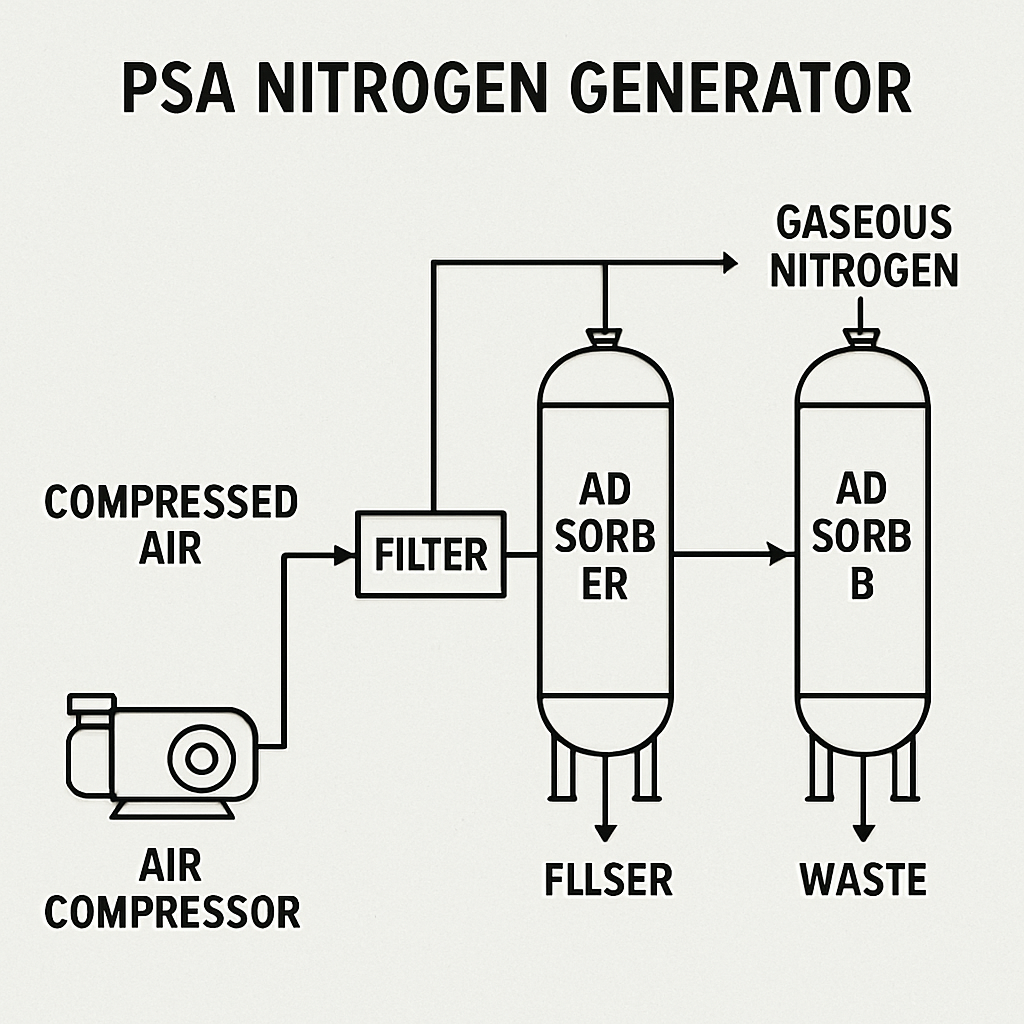
A PSA nitrogen generator is a device that separates nitrogen from the air. It works by using a special material called a carbon molecular sieve. This material adsorbs oxygen, carbon dioxide, and other impurities, allowing nitrogen to pass through as the primary product.
How PSA Technology Works
The process begins with air intake. The air is compressed and passed through a series of filters to remove dust and other particles. Once cleaned, the air enters the PSA unit, where the carbon molecular sieve does its job. By alternating between two towers filled with this sieve material, the system can continuously produce nitrogen while regenerating the sieve in the idle tower.
Key Benefits of PSA Nitrogen Generators
- Cost-Effective: Eliminates the need for purchasing nitrogen gas cylinders.
- Continuous Supply: Provides an uninterrupted flow of nitrogen.
- Purity Control: Offers adjustable purity levels, depending on application needs.
Understanding the Air to Nitrogen Ratio
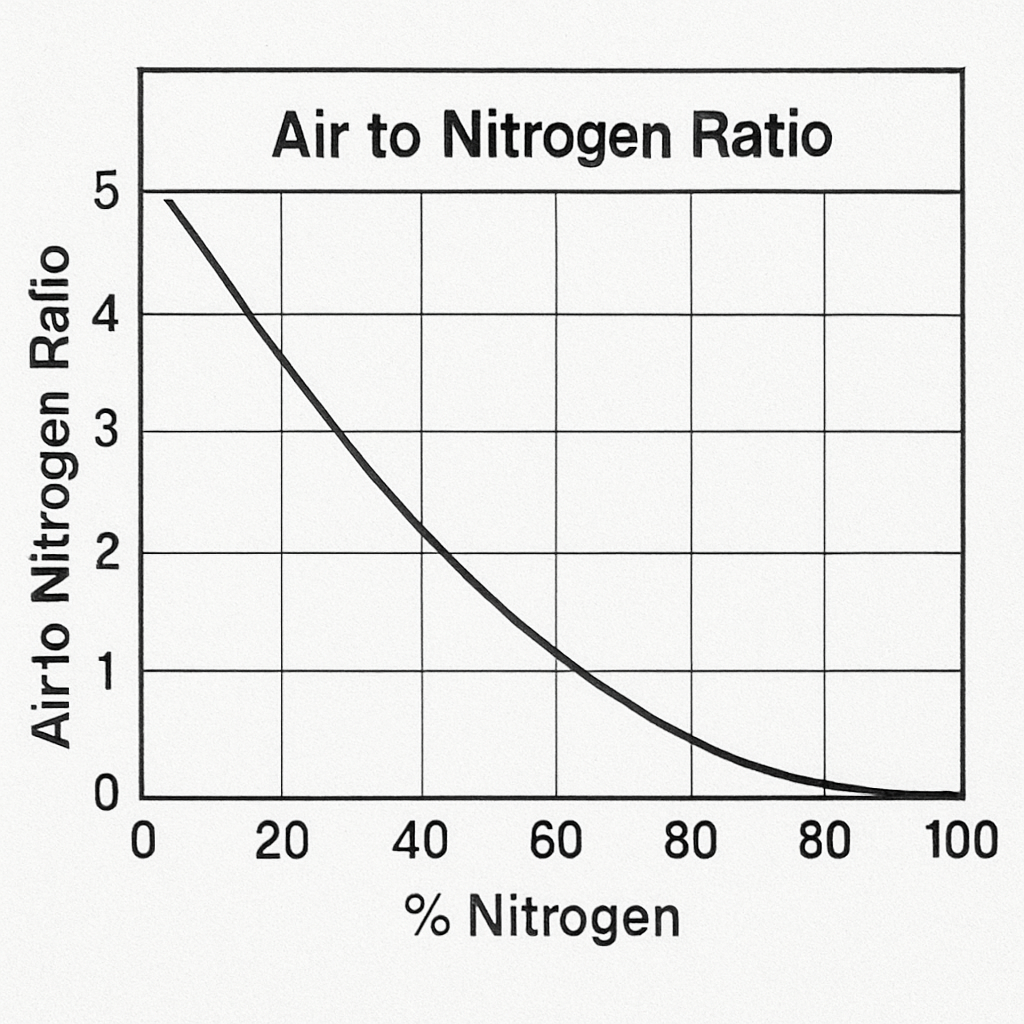
The air to nitrogen ratio is a critical factor that determines the efficiency and output of a PSA nitrogen generator. This ratio refers to the amount of air required to produce a specific amount of nitrogen.
Why is the Air to Nitrogen Ratio Important?
- Efficiency: A correct ratio ensures that the generator operates at maximum efficiency, using the least amount of energy possible.
- Cost: Optimizing this ratio can significantly reduce operational costs by minimizing energy consumption.
- Performance: A balanced ratio ensures that the nitrogen produced meets the required purity standards for its intended application.
How to Calculate the Air to Nitrogen Ratio
Calculating this ratio involves understanding the flow rates of both air and nitrogen. Typically, manufacturers provide specifications for their equipment, which include the optimal air to nitrogen ratio. This can vary based on the desired purity of nitrogen.
For example, a lower purity level might require a higher air to nitrogen ratio, as more air is needed to achieve the desired concentration of nitrogen.
Factors Affecting the Air to Nitrogen Ratio
Several factors can influence this ratio, including:
- Ambient Temperature: Higher temperatures can affect air density, impacting the ratio.
- Humidity Levels: Moisture in the air can affect adsorption efficiency.
- Pressure Settings: Changes in pressure can alter the ratio, affecting nitrogen purity and output.
Optimizing the Air to Nitrogen Ratio
To achieve the best performance from a PSA nitrogen generator, it’s crucial to monitor and adjust the air to nitrogen ratio based on real-time operating conditions. This can involve:
- Regular Maintenance: Ensuring that filters and sieves are clean and in good condition.
- Monitoring Equipment: Using sensors and control systems to track performance metrics.
- Adjusting Pressure Levels: Fine-tuning the pressure settings to optimize adsorption efficiency.
Applications of PSA Nitrogen Generators
 by NAIS (https://unsplash.com/@naisru)
The versatility of PSA nitrogen generators makes them suitable for a wide range of industries. Some common applications include:
Food and Beverage Industry
Nitrogen is used to displace oxygen in packaging, extending the shelf life of products. A properly calibrated air to nitrogen ratio ensures that nitrogen purity meets food safety standards.
Electronics Manufacturing
In electronics, nitrogen is used to create inert atmospheres for soldering and assembly processes. High purity nitrogen is crucial, making the air to nitrogen ratio a key consideration.
Chemical and Pharmaceutical Sectors
These industries rely on nitrogen for various processes, including inerting, blanketing, and purging. The air to nitrogen ratio must be finely tuned to meet stringent purity and safety requirements.
The Future of PSA Nitrogen Generators
As technology advances, PSA nitrogen generators are becoming more efficient and sustainable. Innovations in materials and control systems are allowing for better optimization of the air to nitrogen ratio, reducing energy consumption and operational costs.
Sustainable Practices
New developments are focusing on reducing the environmental impact of nitrogen production. This includes using renewable energy sources and improving the efficiency of the PSA process.
Smart Monitoring Systems
Integration of IoT (Internet of Things) technologies allows for real-time monitoring and adjustment of the air to nitrogen ratio. These smart systems can predict maintenance needs and optimize performance automatically.
Conclusion
Understanding and optimizing the air to nitrogen ratio in PSA nitrogen generators is essential for ensuring efficient and cost-effective nitrogen production. By paying attention to the factors that affect this ratio and leveraging modern technologies, industries can maximize the benefits of their PSA systems.
Whether it’s for food preservation, electronics manufacturing, or chemical processing, a well-calibrated PSA nitrogen generator can provide a reliable and sustainable source of nitrogen, meeting the ever-growing demands of modern industry.