# Essential Specifications for Nitrogen Generators
In the world of industrial applications, nitrogen generators play a crucial role by providing a consistent and on-demand supply of nitrogen gas. Whether you’re involved in food packaging, electronics manufacturing, or chemical processing, understanding the specifications of nitrogen generators can help you make informed decisions. Let’s dive into the essential specifications you need to consider when selecting a nitrogen generator.
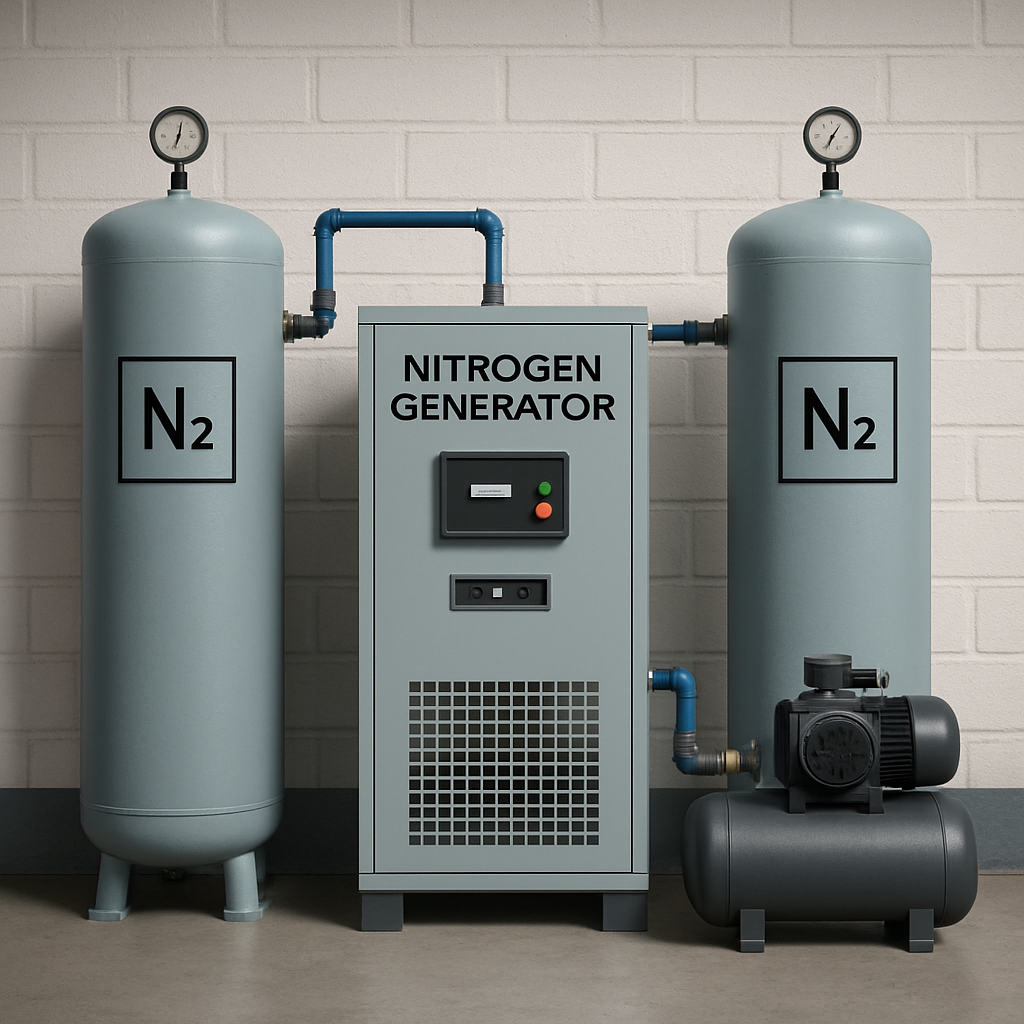
One of the most critical specifications to evaluate is the capacity of the nitrogen generator. But what does capacity really mean in this context?
Defining Capacity
Nitrogen generator capacity refers to the amount of nitrogen gas that the generator can produce over a specific period, typically measured in cubic feet per hour (CFH) or liters per minute (LPM). The required capacity will depend largely on your specific application needs.
For instance, a small laboratory may require a lower capacity generator compared to a large-scale industrial operation that uses nitrogen gas in bulk.
Assessing Your Needs
Before choosing a nitrogen generator, assess your nitrogen consumption needs. Consider factors like peak usage times, total nitrogen demand, and any potential future expansion. A generator with insufficient capacity can lead to operational disruptions, while one with excessive capacity could increase unnecessary costs.
Key Specifications of Nitrogen Generators
When examining nitrogen generators, several specifications beyond capacity are crucial to ensure optimal performance and efficiency.
Purity Levels
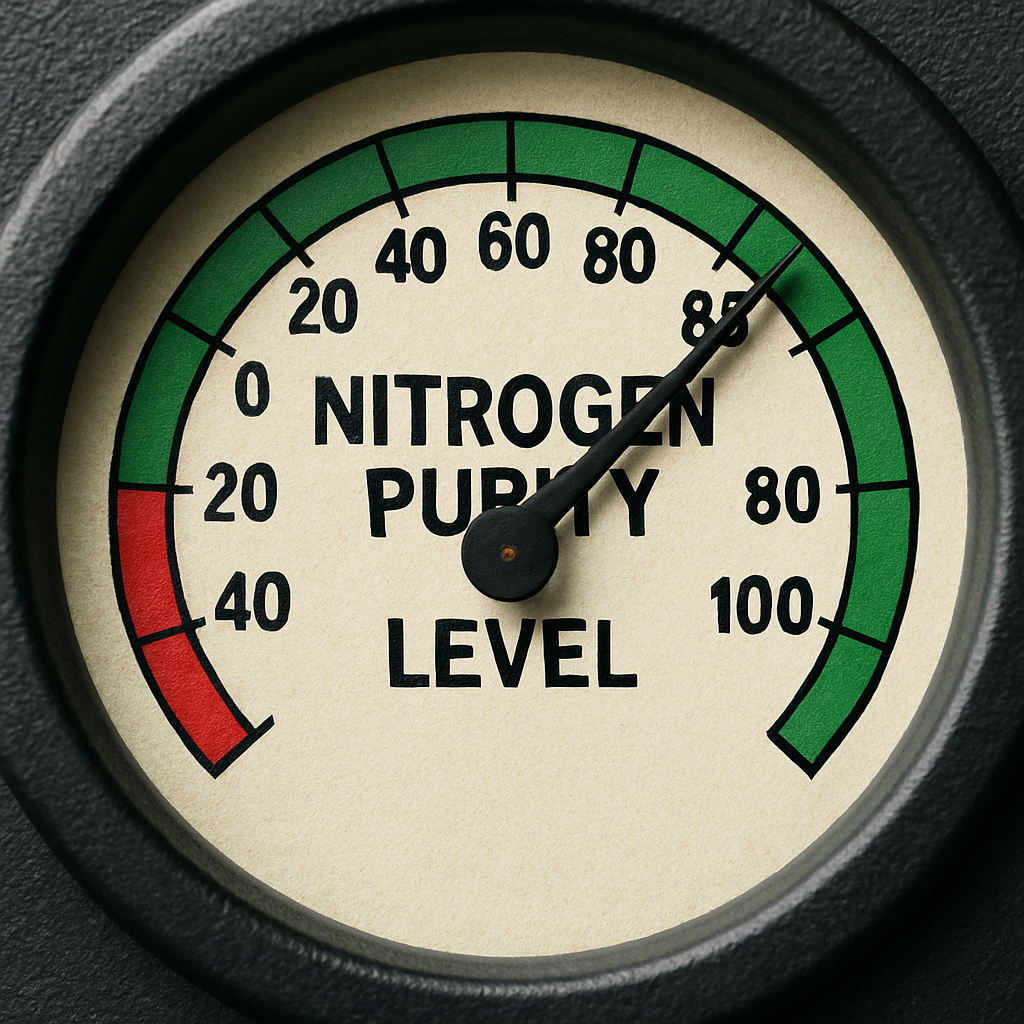
Nitrogen purity is a vital specification, especially in industries where contamination can affect product quality, such as food and pharmaceuticals. Purity levels are typically expressed as a percentage, with common ranges from 95% to 99.999% depending on the application.
Pressure Requirements
The pressure at which nitrogen is delivered is another important consideration. Different applications require different pressure levels, and it’s essential to ensure that the generator can meet these requirements. Most nitrogen generators are designed to provide pressures from 5 psi to over 200 psi.
Dew Point
The dew point indicates the dryness of the nitrogen gas. A lower dew point means drier nitrogen, which is crucial in applications where moisture can cause problems, such as in electronics manufacturing. Check if the generator can provide a dew point suitable for your needs, typically ranging from -40°F to -94°F.
Design Considerations for Nitrogen Generators
While specifications are critical, the design of a nitrogen generator can also impact its usability and integration into existing systems.
Size and Footprint
 by Simone Hutsch (https://unsplash.com/@heysupersimi)
The physical size and footprint of the generator should align with your available space. Compact designs are available for smaller operations, while larger, more robust systems might be necessary for extensive industrial use.
Maintenance and Servicing
Consider the ease of maintenance and servicing when evaluating nitrogen generators. Generators with user-friendly designs that allow easy access to parts can reduce downtime and maintenance costs. Check if the manufacturer offers reliable customer support and service plans.
Energy Efficiency
Energy consumption is a significant consideration in the long-term operation of nitrogen generators. Models that incorporate energy-saving technologies can reduce operating costs and environmental impact. Look for generators with features like automatic shutdown when demand is low or variable speed motors.
Choosing the Right Nitrogen Generator
Selecting the right nitrogen generator involves balancing various factors, including capacity, purity, pressure, and design features. Here are a few steps to guide you in making an informed decision.
Evaluate Your Application Requirements
Start by identifying your specific application requirements. Consider current and future nitrogen demands, as well as any industry-specific standards or regulations that must be met.
Compare Specifications
Once you have a clear understanding of your needs, compare the specifications of different nitrogen generators. Look for models that align closely with your capacity, purity, pressure, and design preferences.
Consult with Experts
Don’t hesitate to consult with suppliers or industry experts to gain insights and recommendations tailored to your unique situation. They can provide valuable advice and help you navigate the technical aspects of nitrogen generators.
Conclusion
Understanding the essential specifications of nitrogen generators is key to selecting the right equipment for your operation. By focusing on capacity, purity, pressure, and design, you can ensure a reliable and efficient nitrogen supply that meets your specific needs. Whether you’re streamlining your current processes or planning for future growth, the right nitrogen generator can be a cornerstone of your operational success.