Author name: N2 generator

Uncategorized

How Nitrogen Air Compressors Improve Efficiency

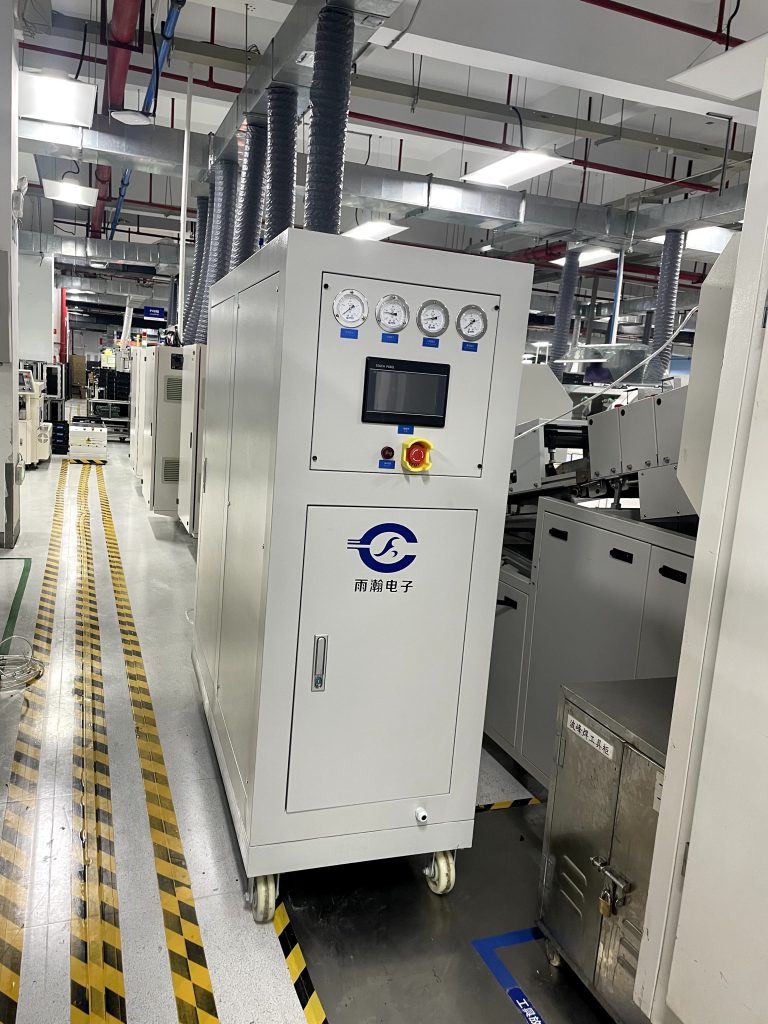
Nitrogen air compressors are pivotal in enhancing the efficiency of various industrial processes. By integrating the right air compressor with a nitrogen generator, businesses can ensure a steady supply of nitrogen, optimizing operations and reducing costs. Let’s explore how nitrogen air compressors can significantly boost efficiency in industrial applications. An air compressor specifically designed for nitrogen generation works by compressing air and feeding it into a nitrogen generator. This process separates nitrogen from other gases, providing a high-purity nitrogen stream. The effectiveness of this setup relies heavily on the quality and capability of the air compressor used. Benefits of Using Nitrogen Air Compressors Consistent Nitrogen Supply One of the primary advantages of using an air compressor for a nitrogen generator is the consistent supply of nitrogen it provides. Unlike traditional methods of nitrogen delivery, which may involve cylinders or tanks that need frequent replacement, an in-house nitrogen generator ensures that your supply is both reliable and uninterrupted. Cost Efficiency Utilizing a nitrogen feed air compressor can lead to significant cost savings. By generating nitrogen on-site, businesses eliminate the costs associated with purchasing and transporting nitrogen cylinders. Over time, the savings on logistics and storage can be substantial, making this a financially sound choice for many industries. Enhanced Safety Handling nitrogen cylinders can pose safety risks, including potential leaks and handling injuries. An in-house nitrogen generator with a dedicated air compressor minimizes these risks, creating a safer working environment. This setup reduces the need for manual handling of heavy cylinders, thereby lowering the risk of accidents. Improved Process Efficiency The use of nitrogen air compressors directly impacts the efficiency of industrial processes. Industries such as food packaging, electronics manufacturing, and chemical processing benefit from the high-purity nitrogen provided by these systems. This purity ensures optimal performance and quality of the end products. Choosing the Right Air Compressor for Nitrogen Generation When selecting an air compressor for your nitrogen generator, it’s crucial to consider factors such as the required nitrogen purity level, flow rate, and pressure. A well-matched air compressor will enhance the overall efficiency of the nitrogen generation system, ensuring it meets the specific needs of your operation. Conclusion Nitrogen air compressors play a vital role in improving the efficiency of industrial processes by providing a reliable, cost-effective, and safe solution for nitrogen generation. Whether you’re in manufacturing, food processing, or any other industry relying on nitrogen, investing in a suitable air compressor for your nitrogen generator can lead to significant operational improvements. By understanding the benefits and selecting the right equipment, businesses can streamline their operations and achieve greater productivity. If you’re considering enhancing your nitrogen supply system, explore the options available for nitrogen air compressors and make an informed decision that aligns with your industrial needs.
nitrogen generator

Nitrogen Generators: Key Specifications to Consider

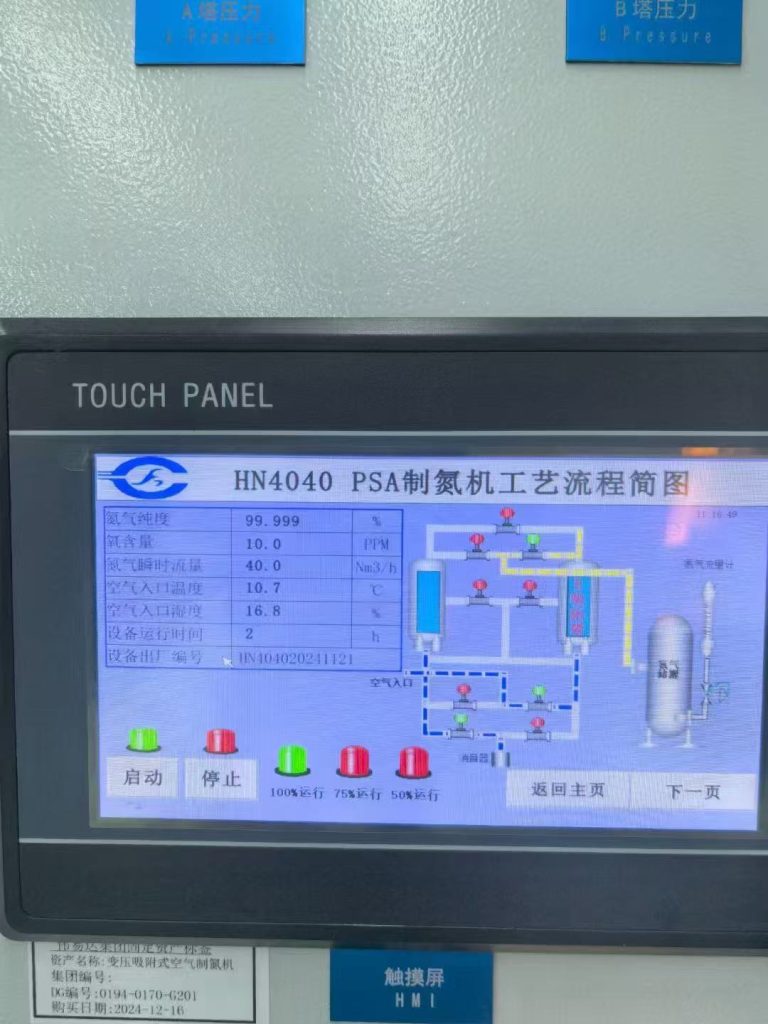
​​​In today’s industrial landscape, nitrogen generators play a crucial role across various applications. From food packaging to pharmaceuticals, these systems help maintain product quality and safety by providing a consistent supply of nitrogen gas. Understanding the key specifications of nitrogen generators is essential for selecting the right system for your needs. In this article, we will explore the essential specifications to consider when choosing a nitrogen generator, ensuring you make an informed decision. A nitrogen generator is a system designed to extract nitrogen gas from the atmosphere. This process involves separating nitrogen from other gases, primarily oxygen, to deliver high-purity nitrogen. There are two primary types of nitrogen generators: Pressure Swing Adsorption (PSA) and Membrane. PSA Nitrogen Generators PSA nitrogen generators operate by using a pair of towers filled with carbon molecular sieves (CMS). These sieves selectively adsorb oxygen and other trace gases, allowing nitrogen to pass through. The system alternates between the two towers, ensuring a continuous supply of nitrogen. Membrane Nitrogen Generators Membrane nitrogen generators use a series of hollow fibers to separate nitrogen from compressed air. As the air passes through the fibers, oxygen and water vapor are removed, leaving a high concentration of nitrogen. Key Specifications to Consider When evaluating nitrogen generators, there are several critical specifications to keep in mind. Understanding these factors will help you choose a generator that meets your specific requirements. 1. Nitrogen Generator Capacity The capacity of a nitrogen generator refers to the amount of nitrogen it can produce over a specified period. Measured in liters per minute (LPM) or cubic meters per hour (m³/h), capacity is a crucial factor to consider. Determine your nitrogen demand by evaluating your processes and applications. Ensure the generator you select can meet this demand without overworking the system. 2. Purity Levels Nitrogen purity is another important specification to consider. Different applications require varying levels of nitrogen purity. For instance, food and beverage industries typically need nitrogen with a purity level of 99% or higher, while some industrial applications may require lower purity levels. PSA and membrane generators offer different purity levels, with PSA systems generally providing higher purity options. Assess your application requirements and choose a generator that delivers the necessary purity. 3. Operating Pressure Operating pressure is the pressure at which the nitrogen generator delivers the gas. It is essential to match the generator’s output pressure with the requirements of your application. Insufficient pressure may result in inadequate nitrogen supply, while excessive pressure can cause equipment damage. Most nitrogen generators operate within a range of 5 to 10 bar (72 to 145 psi). Ensure your system is compatible with this range or adjust your setup accordingly. 4. Energy Efficiency Energy efficiency is a critical consideration, as it impacts both operational costs and environmental sustainability. Evaluate the energy consumption of a nitrogen generator by considering its power requirements and efficiency ratings. Look for systems with energy-saving features, such as automatic standby modes and efficient compressors, to minimize energy usage. 5. Installation and Maintenance Ease of installation and maintenance can significantly impact the overall cost and convenience of owning a nitrogen generator. Choose a system that is easy to install and requires minimal maintenance. Some generators come with user-friendly interfaces and automated controls, simplifying operation and maintenance tasks.

nitrogen generator

Top Benefits of Using Nitrogen Makers

In today’s fast-paced industrial world, the demand for efficient and cost-effective solutions is higher than ever. One such solution that has been gaining traction is the use of nitrogen makers. These devices, also known as nitrogen generators, provide a reliable source of nitrogen, essential for various applications. In this article, we’ll explore the top benefits of using nitrogen makers and why they are becoming a staple in many industries. A nitrogen maker, or nitrogen generator, is a device that separates nitrogen from other gases in the air, providing a steady supply of nitrogen gas. This can be done through various methods such as membrane technology, pressure swing adsorption (PSA), and cryogenic distillation. The choice of method often depends on the purity and volume of nitrogen required. One of the most significant advantages of using nitrogen makers is their cost-effectiveness. Traditionally, industries relied on bottled or bulk liquid nitrogen deliveries. These methods not only incur significant transportation and storage costs but also require substantial logistical planning. With a nitrogen generator, businesses can produce nitrogen on-site, drastically reducing costs associated with delivery and storage. The cost of transporting nitrogen can add up, especially for businesses located far from suppliers. By generating nitrogen on-site, companies can eliminate these transportation expenses and the associated environmental impact. Storing liquid nitrogen requires specialized equipment and safety precautions, which can be expensive. On-site nitrogen generation eliminates the need for large storage tanks and the costs associated with maintaining them. Handling liquid nitrogen can be hazardous. It requires careful handling and strict safety protocols to prevent accidents. On the other hand, nitrogen generators offer a safer alternative by minimizing the risks associated with handling and storing liquid nitrogen. With on-site generation, the risks related to transporting and storing high-pressure nitrogen cylinders are significantly reduced. This not only enhances safety but also reduces the likelihood of workplace incidents. Using nitrogen makers can contribute to a greener planet. By reducing the need for transportation and storage, businesses can lower their carbon footprint. Moreover, certain nitrogen generation methods, like PSA, are environmentally friendly and align with sustainable practices. A consistent supply of nitrogen is crucial for many industrial processes. Nitrogen makers ensure that businesses have a reliable source of nitrogen whenever needed. With a nitrogen generator, there’s no need to worry about running out of nitrogen or delays in delivery. This ensures that production processes continue smoothly without interruptions. Different industries require varying levels of nitrogen purity. Nitrogen makers allow businesses to adjust the purity levels according to their specific needs, ensuring optimal performance for their applications. Nitrogen makers are incredibly versatile and find applications across a wide range of industries. In the food and beverage industry, nitrogen is used for preserving freshness and extending the shelf life of products. Nitrogen flushing, a common packaging technique, displaces oxygen in packaging, preventing oxidation and spoilage. In electronics manufacturing, nitrogen is used in soldering and assembly processes to prevent oxidation and improve product quality. The high purity nitrogen produced by generators ensures that electronic components are manufactured to the highest standards. For the pharmaceutical industry, maintaining strict environmental conditions is crucial. Nitrogen is used to create inert atmospheres in manufacturing and packaging processes, ensuring product integrity and safety. As businesses grow, their nitrogen needs may change. Nitrogen makers offer the flexibility to scale up or down based on demand, making them an ideal solution for businesses of all sizes. Nitrogen generators come in various sizes and configurations, allowing businesses to choose the best solution for their specific needs. Whether it’s a small-scale operation or a large industrial facility, there’s a nitrogen maker to match. As technology and business needs evolve, the ability to adapt quickly is crucial. Nitrogen makers provide the flexibility to adjust nitrogen production as required, ensuring that businesses remain agile and responsive to changes. Nitrogen makers offer numerous benefits that make them an attractive option for businesses across various industries. From cost savings and enhanced safety to reliability and versatility, these devices provide a comprehensive solution for nitrogen needs. As more industries recognize the advantages of on-site nitrogen generation, the adoption of nitrogen makers is set to increase, driving efficiency and sustainability in industrial processes. In conclusion, investing in a nitrogen maker is not just a cost-saving measure; it’s a strategic decision that can enhance operational efficiency, improve safety, and contribute to a more sustainable future. If you’re considering ways to optimize your industrial processes, a nitrogen generator might just be the solution you need.

nitrogen generator

Benefits of Nitrogen Generators in Pharmaceuticals

In the pharmaceutical industry, precision and safety are paramount. Nitrogen generators have emerged as a vital tool in medicinal manufacturing, providing a reliable and cost-effective solution to meet stringent industry standards. This article explores the benefits of nitrogen generators in pharmaceuticals, offering insights into how they contribute to efficiency and safety. Nitrogen generators are devices that produce nitrogen gas from atmospheric air. They separate nitrogen molecules from other components of air, delivering a high-purity nitrogen stream. This is essential in pharmaceuticals, where maintaining the integrity of products is crucial. Nitrogen generators typically use one of two main technologies: Pressure Swing Adsorption (PSA) or Membrane Technology. Both methods efficiently separate nitrogen from compressed air, though they operate differently: Incorporating nitrogen generators into pharmaceutical operations offers several advantages: Nitrogen is an inert gas, which means it does not react with other substances. This property is essential for preserving the quality of pharmaceutical products. By replacing oxygen with nitrogen, manufacturers can prevent oxidation, spoilage, and degradation of sensitive compounds. When considering a nitrogen generator price, it’s important to weigh the long-term savings. Using a nitrogen generator can significantly reduce the costs associated with purchasing bottled nitrogen. On-site generation eliminates the need for transportation and the associated logistical expenses. Pharmaceutical companies require a constant and reliable supply of nitrogen. Nitrogen generators provide an uninterrupted flow of gas, ensuring that manufacturing processes are not delayed or compromised by supply chain issues. Handling large cylinders of compressed nitrogen can pose safety risks. On-site nitrogen generation minimizes these risks by reducing the need for storage and transportation of high-pressure gas cylinders. Additionally, nitrogen generators are equipped with safety features to prevent over-pressurization and ensure stable operation. In the context of medicinal manufacturing, nitrogen generators play a crucial role in several applications: Inerting involves replacing the oxygen in a container with nitrogen to prevent chemical reactions. This is particularly important in the production of medicines that are sensitive to oxidation. Nitrogen blanketing is used to protect the integrity of pharmaceutical products during storage and transportation. Nitrogen is used to purge residual gases from manufacturing equipment and to pressurize systems, ensuring a contamination-free environment. This is vital for maintaining sterile conditions in pharmaceutical manufacturing. Nitrogen generators are instrumental in packaging processes, where they create a nitrogen-rich environment to extend the shelf life of products. By reducing the presence of oxygen, they help maintain the potency and effectiveness of pharmaceutical products. When selecting a nitrogen generator, understanding its specifications is crucial for ensuring it meets the demands of pharmaceutical manufacturing: Pharmaceutical applications often require nitrogen with very high purity levels, typically between 95% and 99.999%. It is important to choose a generator that can consistently deliver the required purity. The flow rate, measured in cubic meters per hour (m³/h) or liters per minute (L/min), indicates how much nitrogen the generator can produce. It is essential to select a generator that matches the scale of your operations. Different pharmaceutical processes may require nitrogen at varying pressures. Ensure that the generator can deliver nitrogen at the necessary pressure levels to suit your specific applications. Nitrogen generators are designed for ease of use and low maintenance. Regular checks and filter replacements are usually sufficient to keep the system running smoothly. Consider the maintenance schedule and ease of operation when selecting a generator. The integration of nitrogen generators into pharmaceutical manufacturing processes offers numerous benefits, from enhancing product quality to ensuring safety and reducing costs. By understanding the specifications and capabilities of nitrogen generators, pharmaceutical companies can optimize their operations and maintain the highest standards of production. With the right nitrogen generator in place, pharmaceutical manufacturers can achieve greater efficiency and reliability, ultimately leading to better outcomes for both the industry and consumers. As technology advances, nitrogen generators continue to be an indispensable asset in the pharmaceutical sector, fostering innovation and safety.

nitrogen generator

How Oxymat Psa Nitrogen Generators Works

In the world of industrial gases, efficiency and reliability are paramount. Oxymat PSA (Pressure Swing Adsorption) technology is a leading solution for on-site nitrogen generation, providing businesses with a dependable and cost-effective alternative to traditional gas supply methods. In this article, we’ll break down how Oxymat PSA technology works and why it’s an excellent choice for nitrogen generation. Understanding PSA Technology To grasp the full potential of Oxymat PSA technology, it’s essential to first understand the basics of Pressure Swing Adsorption (PSA). PSA is a process that separates gases by using a molecular sieve. This technology is widely used in the production of nitrogen, oxygen, and other gases from atmospheric air. The Fundamentals of PSA PSA technology is built on the foundation of adsorption, a process where gas molecules adhere to the surface of a solid. In PSA systems, carbon molecular sieves are typically used as the adsorbent material due to their high efficiency and selectivity. The sieves attract and hold specific gas molecules under high pressure while allowing others to pass through. This selective adsorption is crucial for separating nitrogen from oxygen in air. The Science Behind PSA PSA technology relies on the principles of adsorption and desorption. Here’s a simplified breakdown of how it works: Advancements in PSA Technology Over the years, advancements in PSA technology have enhanced its efficiency and application range. Innovations such as improved sieve materials and advanced control systems have increased the purity and yield of generated gases. These advancements make PSA technology a versatile and adaptable solution for various industrial needs, from small-scale operations to large manufacturing facilities. How Oxymat PSA Nitrogen Generators Work Oxymat PSA nitrogen generators are designed with efficiency and reliability in mind. They are equipped with advanced features to optimize the PSA process and deliver high-purity nitrogen on demand. Here’s how they work: Step 1: Air Compression The process begins with air compression. Ambient air is drawn into the system and compressed to the desired pressure level. This step is crucial as it prepares the air for the subsequent adsorption process. Step 2: Air Pretreatment Before reaching the PSA vessels, the compressed air undergoes pretreatment to remove moisture, oil, and other contaminants. This ensures that only clean, dry air enters the PSA system, enhancing the efficiency and longevity of the adsorbent material. Step 3: PSA Process The pretreated air is directed into PSA vessels containing carbon molecular sieves. Under high pressure, the sieves selectively adsorb oxygen and other impurities, allowing nitrogen to pass through and be collected as the product gas. Step 4: Nitrogen Collection The pure nitrogen gas is collected and stored in a buffer tank, ready for use. Oxymat PSA nitrogen generators can produce nitrogen with purities ranging from 95% to 99.999%, depending on the application requirements. Step 5: Continuous Operation

Scroll to Top