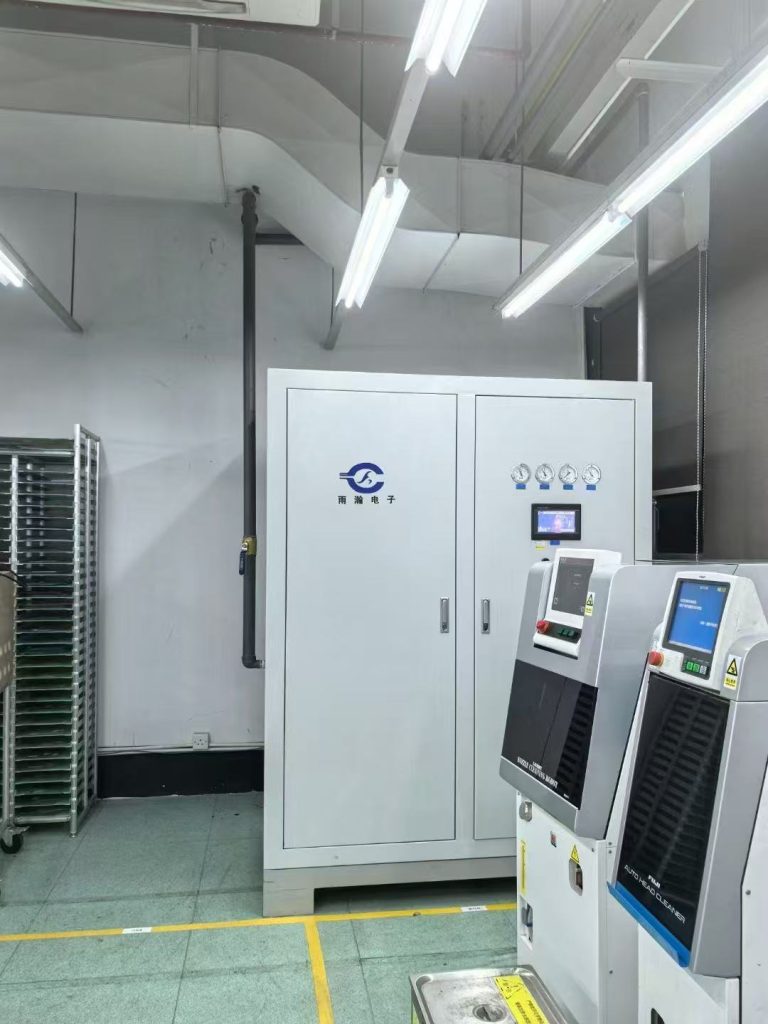
Nitrogen Machine: Choosing a Nitrogen Generator for Tires and Automotive Shops
We are currently swimming in an invisible ocean of gas that is 78% nitrogen. While this natural mix works perfectly […]
We are currently swimming in an invisible ocean of gas that is 78% nitrogen. While this natural mix works perfectly […]
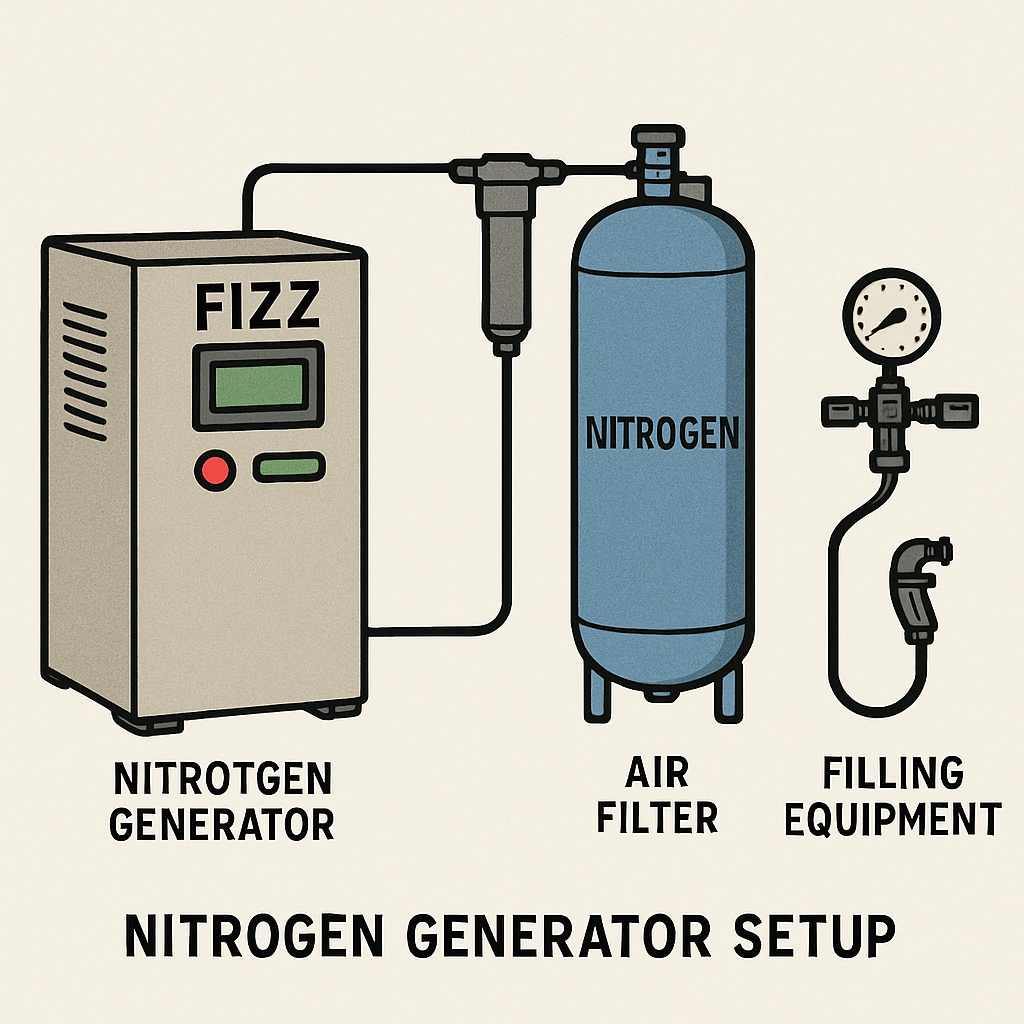
In the bustling world of beverages, innovation is key to standing out. One such innovation that has been making waves is the use of nitrogen infusion. This technique not only enhances the flavor profile of drinks but also improves their texture, providing a smooth and creamy mouthfeel. At the heart of this innovation is the fizz nitrogen generator, a tool that has become indispensable for cafes, bars, and restaurants aiming to elevate their beverage offerings. A fizz nitrogen generator is a device designed to produce nitrogen gas on demand. Unlike traditional carbonation methods that rely on CO2, nitrogen infusion gives drinks a unique, velvety texture and a visually appealing cascade effect. This generator is compact, efficient, and perfect for establishments looking to offer something unique to their customers. Why Choose Nitrogen Infusion? Enhanced Beverage Experience Nitrogen infusion transforms ordinary drinks into extraordinary experiences. The tiny nitrogen bubbles create a thick, creamy foam that sits atop the drink, enhancing both its appearance and texture. This technique is especially popular with cold brew coffee, beer, and even cocktails, providing a rich and smooth finish that is hard to achieve with other methods. Healthier Alternative For those concerned about health, nitrogen-infused beverages offer a significant advantage. They require less sugar and fewer calories than traditional carbonated drinks, as the creamy texture and enhanced flavor reduce the need for added sweeteners. This makes them an appealing choice for health-conscious consumers. How Does a Fizz Nitrogen Generator Work? The fizz nitrogen generator works by taking in regular air, which is composed of about 78% nitrogen, and filtering out other gases to deliver pure nitrogen. This nitrogen is then infused into the beverage under high pressure, ensuring a consistent and high-quality pour every time. The generator is designed to be user-friendly, requiring minimal maintenance, which makes it a practical addition to any establishment. Benefits of Using a Fizz Nitrogen Generator Cost-Effective Investing in a fizz nitrogen generator can be cost-effective in the long run. By producing nitrogen on-site, businesses can reduce reliance on external suppliers and eliminate the need for nitrogen tank storage. This not only cuts costs but also streamlines operations. Environmentally Friendly Using a nitrogen generator is an environmentally friendly choice. It reduces the carbon footprint associated with transporting gas canisters and eliminates waste from disposable cartridges. This aligns with the growing consumer demand for sustainable business practices. Conclusion The fizz nitrogen generator is more than just a tool; it’s a gateway to creativity in beverage crafting. By incorporating nitrogen infusion into their offerings, businesses can differentiate themselves in a competitive market, attract health-conscious customers, and contribute to environmental sustainability. Whether you’re running a bustling café or a trendy bar, the fizz nitrogen generator can transform your drink menu and provide an unforgettable experience for your patrons. Are you ready to revolutionize your beverage offerings? Consider adding a fizz nitrogen generator to your arsenal and watch your customer satisfaction soar.
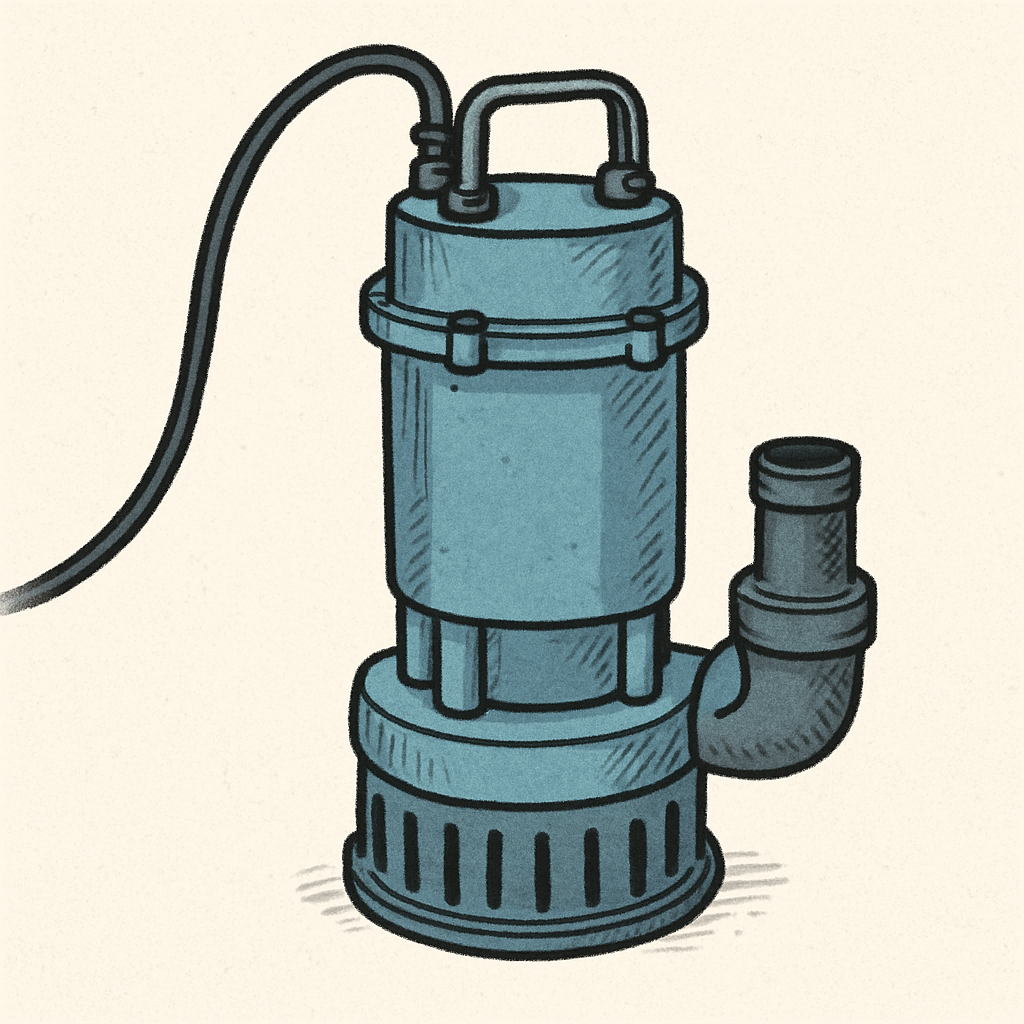
# Understanding the Benefits of Submersible Pumps Submersible pumps are a versatile and efficient solution for a variety of water
In the world of maritime technology, nitrogen generation has emerged as a game-changer, especially for dual engine vessels. The ability to produce nitrogen on-demand is not just a luxury but a necessity in ensuring safety, efficiency, and cost-effectiveness. This article explores the importance of nitrogen generators for dual engine vessels, how they work, and the benefits they bring to the maritime industry. Nitrogen generation technology involves the production of nitrogen gas from atmospheric air. This process is achieved through various methods, but the most common are Pressure Swing Adsorption (PSA) and membrane technology. Pressure Swing Adsorption (PSA) PSA is a process that separates nitrogen from the air using adsorbent materials. These materials capture oxygen and other gases, allowing nitrogen to pass through. This method is highly efficient and capable of producing high-purity nitrogen. Membrane Technology Membrane technology uses a permeable membrane to separate nitrogen from other gases. The air is forced through the membrane, where nitrogen molecules are separated from oxygen and other gases. This method is simple, reliable, and requires less maintenance. Importance of Nitrogen Generators for Dual Engine Vessels Dual engine vessels, such as tankers and large cargo ships, operate under challenging conditions. The need for nitrogen in these vessels is critical for several reasons: Fire Prevention Nitrogen is an inert gas, meaning it does not support combustion. By filling void spaces and fuel tanks with nitrogen, the risk of fire and explosion is significantly reduced. This is especially important in vessels carrying flammable cargo. Preservation of Cargo Nitrogen generators help preserve the quality of cargo, especially food and chemical products. By displacing oxygen, nitrogen prevents oxidation and spoilage, maintaining the integrity of the cargo during transit. Cost-Effectiveness Having an onboard nitrogen generator eliminates the need to store and transport nitrogen cylinders, reducing costs and logistical challenges. It also ensures a continuous supply of nitrogen, regardless of locati0n or external supply constraints. How Nitrogen Generators Work on Dual Engine Vessels Nitrogen generators are integrated into the ship’s system, providing a steady supply of nitrogen as needed. Here’s how they typically operate: Air Compression Air is drawn from the atmosphere and compressed to a high pressure. This compressed air is the raw material for nitrogen generation. Nitrogen Separation The compressed air is then passed through either a PSA system or a membrane system, where nitrogen is separated from other gases.
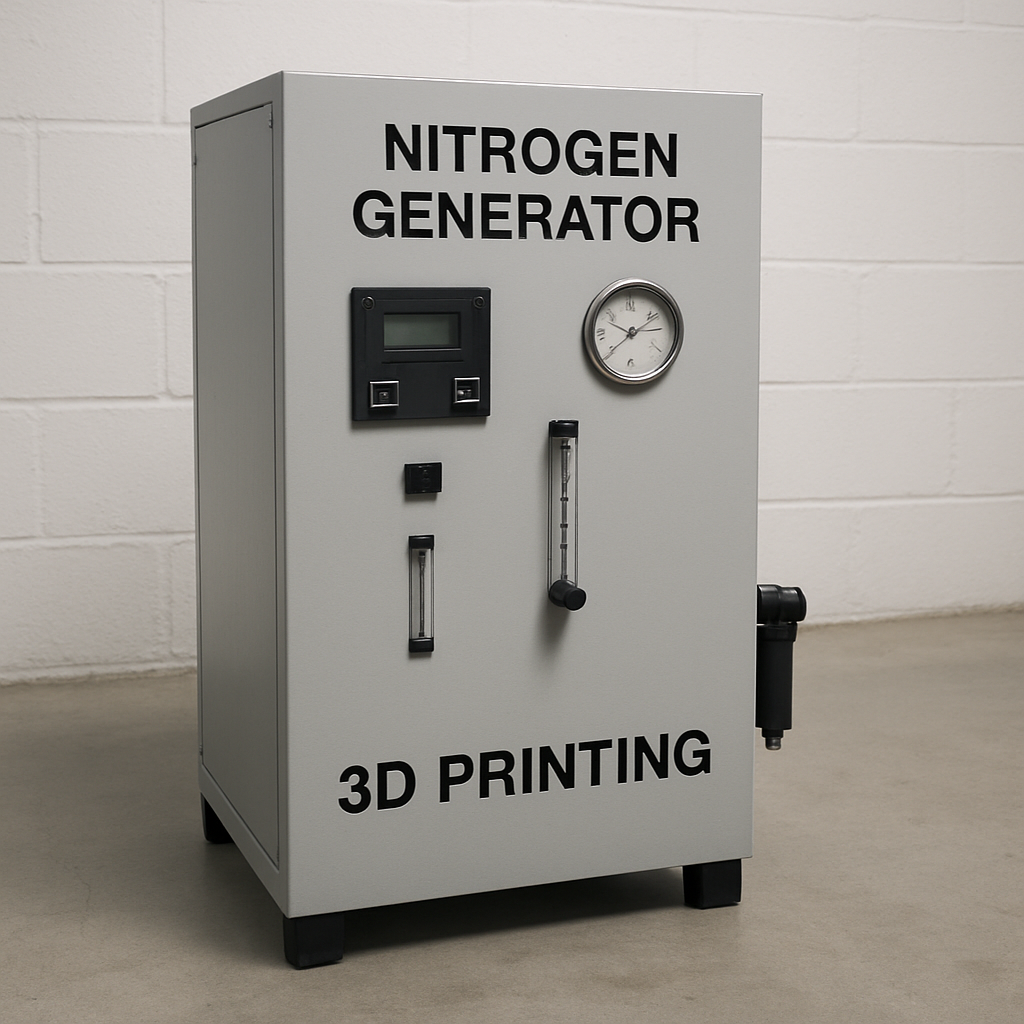
3D printing is a technology that has revolutionized manufacturing, allowing for rapid prototyping and production of complex designs. However, the materials and gases used in the process can significantly affect the quality and efficiency of the prints. One such crucial gas is nitrogen. In this article, we’ll explore the nitrogen supply options for 3D printing, focusing on the differences between using a nitrogen generator and bottled gas. Nitrogen is often used in 3D printing to create an inert atmosphere. This inert environment helps prevent oxidation and other chemical reactions that can compromise the integrity of the printed object. Whether you’re working with metals or plastics, maintaining the right atmospheric conditions is essential for achieving high-quality results. Benefits of Using Nitrogen in 3D Printing Nitrogen Generators vs. Bottled Gas When it comes to nitrogen supply for 3D printing, you have two main options: nitrogen generators and bottled gas. Both have their advantages and drawbacks. Nitrogen Generators A nitrogen generator produces nitrogen gas on-site by separating it from the air. This method offers several benefits: However, there are some considerations: Bottled Gas Bottled nitrogen is the traditional method for supplying nitrogen in various applications. Here’s what you need to know: On the downside: Factors to Consider When Choosing Nitrogen Supply Volume of Production Your choice between a generator and bottled gas largely depends on your production volume. For high-volume production, a nitrogen generator may be more cost-effective. If your 3D printing needs are sporadic, bottled gas might suffice. Space Availability Consider the space you have available. Nitrogen generators are compact, but they need a dedicated area for installation and maintenance. Bottled gas requires sufficient storage space and must be secured properly. Budget Constraints by Jakub Żerdzicki (https://unsplash.com/@jakubzerdzicki) Evaluate your budget for both initial setup and long-term operational costs. A nitrogen generator requires a higher initial investment, but it may save money in the long run. Bottled gas has lower startup costs but can be more expensive over time due to recurring purchases. Environmental Impact
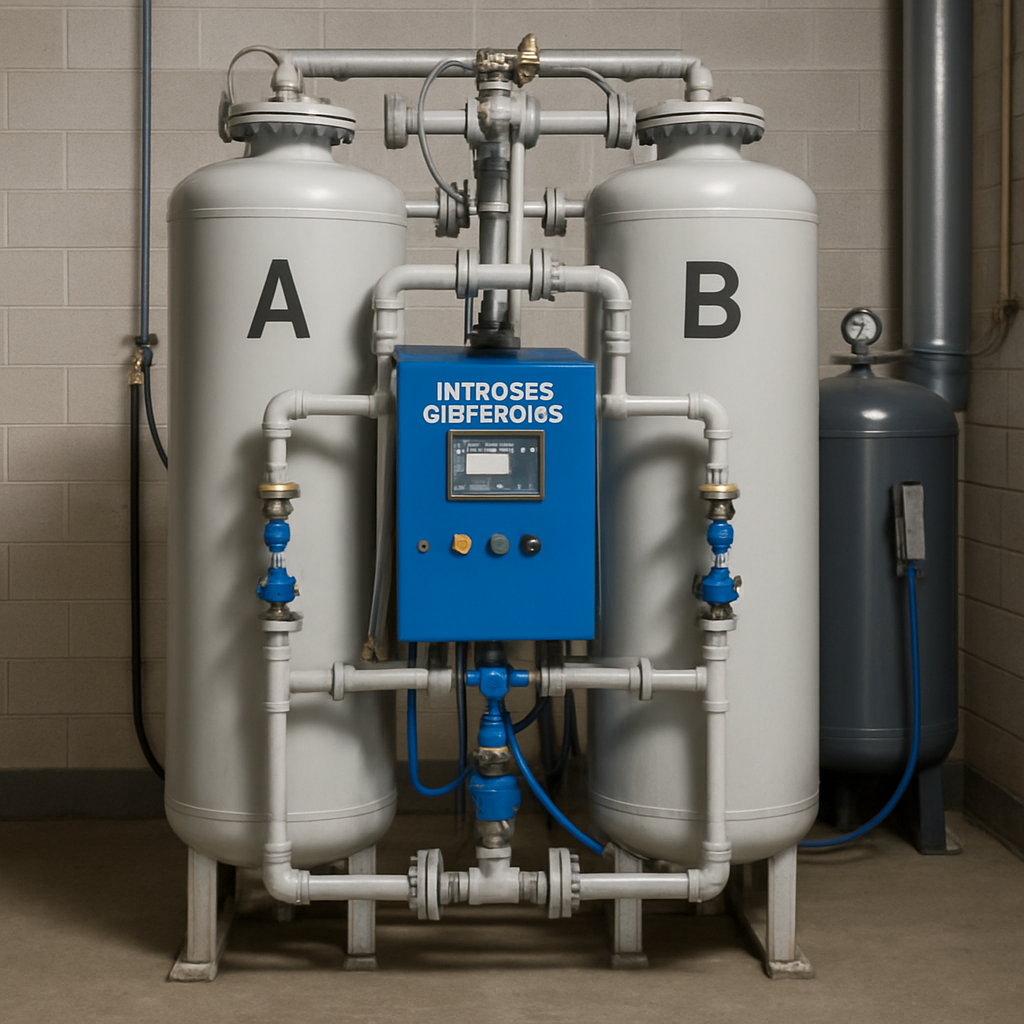
Laser cutting is a powerful and precise method used in various industries, from automotive to aerospace, to cut materials with high accuracy. However, to achieve optimal results, the right gas must be used. Enter the nitrogen generator—a crucial component in the laser cutting process. In this article, we will delve into why nitrogen generators are indispensable for laser cutting operations and how they enhance the overall efficiency and quality of the cutting process. What Is Laser Cutting? Laser cutting is a technology that utilizes a laser to cut materials, often metals, plastics, or textiles. The laser beam is focused onto the material, melting, burning, or vaporizing it away to leave a clean, precise edge. The process is favored for its precision and ability to produce intricate shapes with minimal waste. Why Use Nitrogen? In laser cutting, assist gases are employed to improve cutting speed, quality, and to protect the workpiece from oxidation. Nitrogen is often the gas of choice for this purpose, especially when cutting stainless steel and aluminum. This is because nitrogen acts as a shielding gas, preventing oxidation and ensuring a clean, smooth cut edge. Using nitrogen in laser cutting prevents the formation of a rough oxide layer on the cut surface. This is particularly important for materials that will undergo further processing, such as painting or welding, as a clean surface ensures better adhesion and a stronger bond. The Advantages of Nitrogen Generators Cost Efficiency Purchasing nitrogen gas in cylinders or liquid form can be expensive and logistically challenging. Nitrogen generators offer a cost-effective alternative by producing nitrogen on-site. This eliminates the need for transportation, storage, and handling of nitrogen cylinders, significantly reducing costs over time. Continuous Supply With a nitrogen generator, you have a continuous supply of nitrogen gas, tailored to your specific needs. This ensures that your laser cutting operations are never interrupted due to a lack of gas supply. The ability to generate nitrogen on-demand means you can maintain a consistent workflow without the risk of downtime. Purity Control Nitrogen generators allow you to control the purity of the nitrogen gas produced, which is crucial for achieving the best possible cut quality. For laser cutting, higher purity levels of nitrogen are preferred to prevent any contamination that could affect the cut surface. Generators can produce nitrogen with purity levels of up to 99.999%, ensuring optimal cutting performance. How Nitrogen Generators Work The Basics of Nitrogen Generation Nitrogen generators typically operate using either pressure swing adsorption (PSA) or membrane technology. Both methods are efficient and reliable, but they differ slightly in operation. Installation and Maintenance Installing a nitrogen generator is typically straightforward and can be customized to fit your facility’s specific needs. Regular maintenance is essential to ensure the generator operates at peak efficiency, but it is generally less demanding than the logistics of handling gas cylinders. Choosing the Right Nitrogen Generator by National Cancer Institute (https://unsplash.com/@nci)
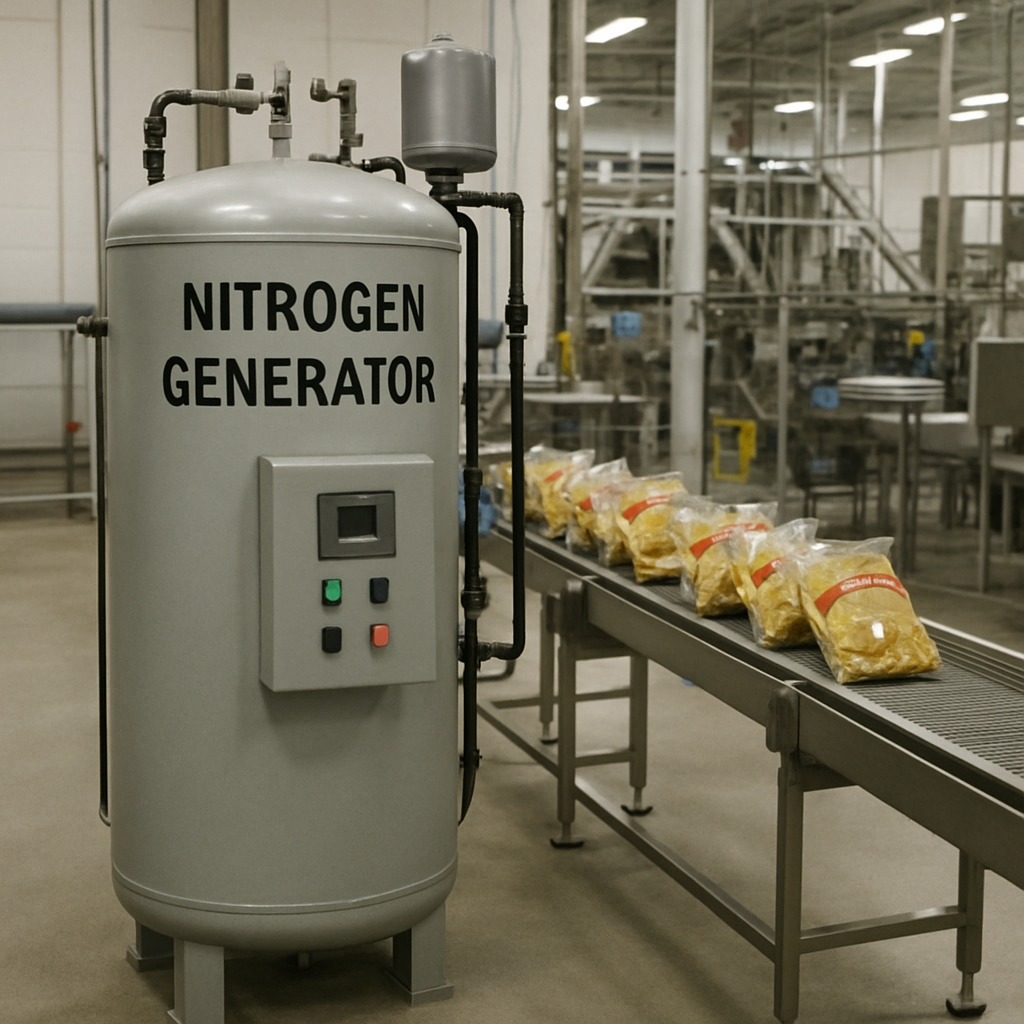
In today’s fast-paced industrial landscape, ensuring a reliable and high-quality supply of gases is critical for various applications. Ultra High Purity (UHP) nitrogen generators have become an indispensable asset for many industries, providing an efficient and cost-effective solution for on-site nitrogen generation. But what exactly is a UHP nitrogen generator, and why is it so vital? Understanding Ultra High Purity Nitrogen What Is Ultra High Purity Nitrogen? Ultra High Purity (UHP) nitrogen refers to nitrogen gas with a purity level of 99.999% or higher. This level of purity is essential in industries where even the slightest impurities can cause significant issues, such as in electronics manufacturing, pharmaceuticals, and food processing. UHP nitrogen ensures that these processes can occur without the risk of contamination, which could compromise product quality or safety. Applications of UHP Nitrogen UHP nitrogen is used in various industries, including: What Is a Nitrogen Generator? Basics of Nitrogen Generation A nitrogen generator is a device that separates nitrogen molecules from compressed air to produce high-purity nitrogen gas. It allows facilities to generate nitrogen on-site, eliminating the need to purchase and store nitrogen cylinders or liquid nitrogen, which can be costly and logistically challenging. Types of Nitrogen Generators There are mainly two types of nitrogen generators used for producing high purity nitrogen: The Advantages of UHP Nitrogen Generators Cost-Effectiveness Producing UHP nitrogen on-site can significantly reduce costs associated with purchasing and transporting nitrogen in cylinders or as liquid. Facilities can generate only what they need, when they need it, reducing waste and improving efficiency. Reliability and Convenience By having a nitrogen generator on-site, companies can ensure a continuous supply of nitrogen without the risk of running out. This reliability is crucial for maintaining production schedules and avoiding costly downtime. Environmental Benefits Generating nitrogen on-site reduces the carbon footprint associated with transporting gas cylinders or liquid nitrogen. Additionally, modern generators are designed to be energy-efficient, further minimizing environmental impact. How Does a UHP Nitrogen Generator Work?
In the fast-paced world of food and beverage, maintaining product freshness and quality is paramount. A key player in achieving
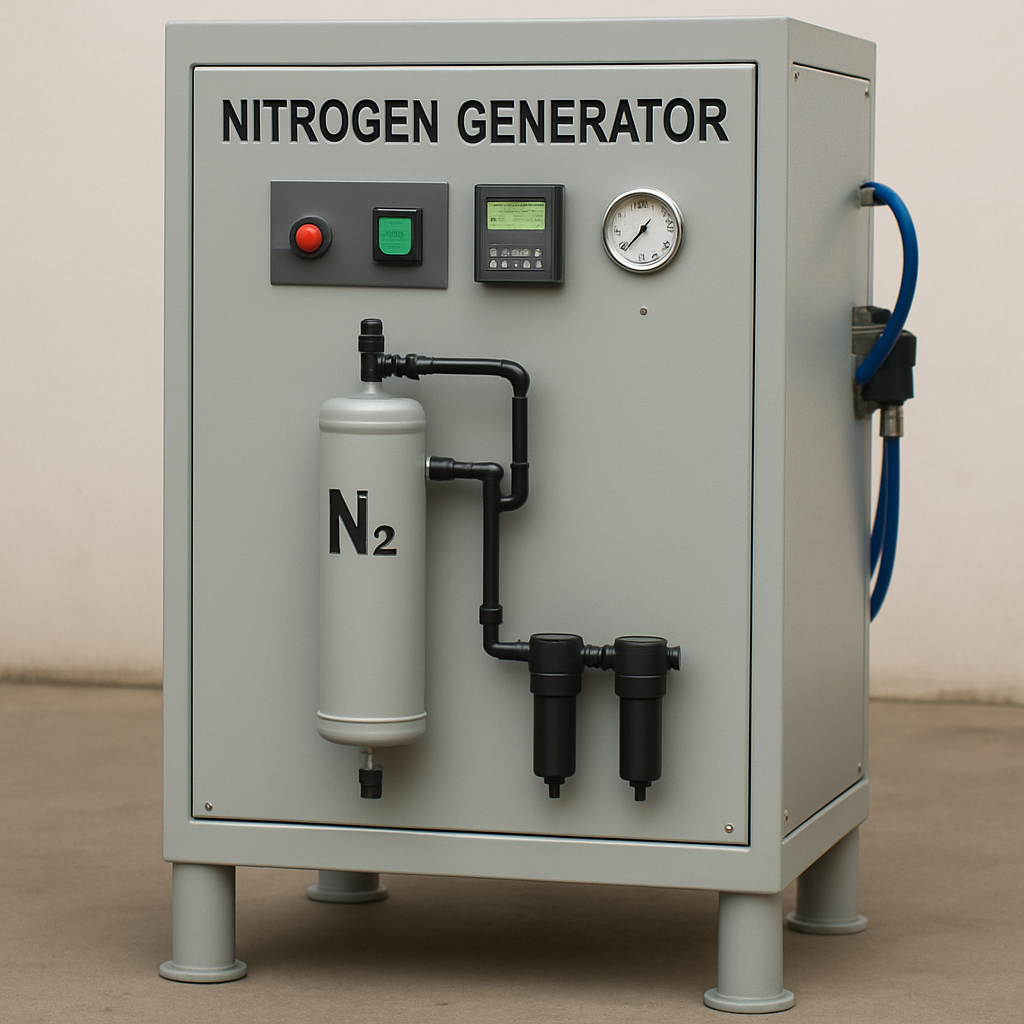
In the world of medicine production, the quality and purity of gases play a critical role in ensuring the safety and efficacy of pharmaceutical products. One such gas that has gained significant importance is nitrogen. Nitrogen generators have emerged as a vital component in medicine production, offering numerous advantages over traditional gas supply methods. In this article, we will explore the benefits of nitrogen generators in medicine production and how they contribute to creating safer and more efficient processes. A nitrogen generator is a device that separates nitrogen gas from the air. The air we breathe contains about 78% nitrogen, and a nitrogen generator extracts this nitrogen from the air to produce a continuous supply of pure nitrogen gas. This process is typically achieved using technologies like Pressure Swing Adsorption (PSA) or membrane filtration. How Does a Nitrogen Generator Work? A nitrogen generator takes in compressed air and passes it through a series of filters. These filters remove impurities and separate oxygen and other gases from nitrogen. The result is a high-purity nitrogen gas that can be used in various applications, including medicine production. The Importance of Nitrogen in Medicine Production Nitrogen is a crucial gas in the pharmaceutical industry. It is used in various stages of medicine production, from manufacturing to packaging. Here’s why nitrogen is important: Preservation of Product Quality Nitrogen is an inert gas, meaning it does not react with other substances. This property makes it ideal for preserving the quality of medicines. By displacing oxygen in the production process, nitrogen prevents oxidation, which can degrade the quality and potency of pharmaceutical products. Enhanced Safety Using nitrogen in medicine production enhances safety by reducing the risk of combustion and explosion. Many pharmaceutical processes involve flammable substances, and nitrogen helps create an inert atmosphere that minimizes the chances of fire hazards. Benefits of Using Nitrogen Generators in Medicine Production Cost-Effectiveness One of the significant advantages of using a nitrogen generator is cost-effectiveness. Traditional methods of nitrogen supply involve purchasing nitrogen cylinders or liquid nitrogen, which can be expensive and require frequent refills. Nitrogen generators, on the other hand, provide a continuous supply of nitrogen on-demand, eliminating the need for storage and reducing transportation costs. Consistent Supply With a nitrogen generator, pharmaceutical companies can ensure a consistent and reliable supply of nitrogen gas. This consistency is crucial in maintaining the integrity of production processes and avoiding disruptions caused by running out of gas. High Purity Levels Nitrogen generators produce high-purity nitrogen gas, often exceeding 99.9% purity. This level of purity is essential in medicine production, where even trace amounts of impurities can affect the quality and safety of the final product. Environmental Benefits Nitrogen generators contribute to environmental sustainability by reducing the carbon footprint associated with transporting gas cylinders or liquid nitrogen. Additionally, they eliminate the need for disposing of empty gas cylinders, reducing waste.
Choosing the right nitrogen generator for your needs can feel like a daunting task. With so many options and technical specifications to consider, it’s easy to get overwhelmed. However, understanding the key factors that influence your choice can simplify the process significantly. In this article, we’ll break down everything you need to know about selecting a 30L/min nitrogen generator. Whether you’re new to nitrogen gas generation systems or looking to upgrade your current setup, this guide will help you make an informed decision. Nitrogen generators are systems designed to produce nitrogen gas on-site from compressed air. They are commonly used in various industries, including food packaging, pharmaceuticals, and electronics, to create inert environments, prevent oxidation, and more. The generators typically operate using either pressure swing adsorption (PSA) or membrane technology. Why Choose a 30L/min Nitrogen Generator? A 30L/min nitrogen generator is often selected for its ability to provide a steady and reliable flow of nitrogen gas suitable for small to medium-scale operations. This flow rate is perfect for businesses that need a consistent supply of nitrogen without the large-scale capacity of industrial generators. Key Factors to Consider When selecting a nitrogen generator, several factors should guide your decision-making process. Purity Requirements Different applications require varying levels of nitrogen purity. For example, food packaging typically requires high-purity nitrogen to prevent spoilage, while other applications like tire inflation may have lower purity needs. Understanding your specific purity requirements will help you choose the right generator. Operating Costs The cost of operating a nitrogen generator includes energy consumption, maintenance, and potential downtime. It’s essential to evaluate these costs against your budget to ensure you select a generator that is not only efficient but also cost-effective in the long run. Space and Installation Consider the space available for installing the generator. A 30L/min generator is generally compact, but you still need to ensure you have adequate room for both the generator and any auxiliary equipment. Additionally, consider the ease of installation and any specific requirements like ventilation or temperature control. Manufacturer Reputation Choosing a reputable manufacturer is crucial. Look for nitrogen generator manufacturers known for producing reliable and durable systems. Check reviews, ask for recommendations, and consider the manufacturer’s experience in the industry. After-Sales Support After-sales support can be a game-changer when it comes to maintaining and troubleshooting your nitrogen generator. Ensure that the manufacturer provides robust customer support, including maintenance services and readily available spare parts. Types of Nitrogen Generators Nitrogen generators are primarily categorized based on the technology they use to separate nitrogen from the air. Pressure Swing Adsorption (PSA) Generators PSA generators use a series of adsorbent materials to separate nitrogen from other gases. They are known for producing high-purity nitrogen and are ideal for applications requiring stringent purity levels. PSA systems are typically more expensive but offer excellent reliability and efficiency.