In today’s world, nitrogen generators play a crucial role across various industries. Whether it’s in manufacturing, food packaging, or even on dual engine ships, the need for nitrogen is undeniable. But how exactly does a nitrogen generator produce this essential gas? Let’s dive into the workings of this technology.
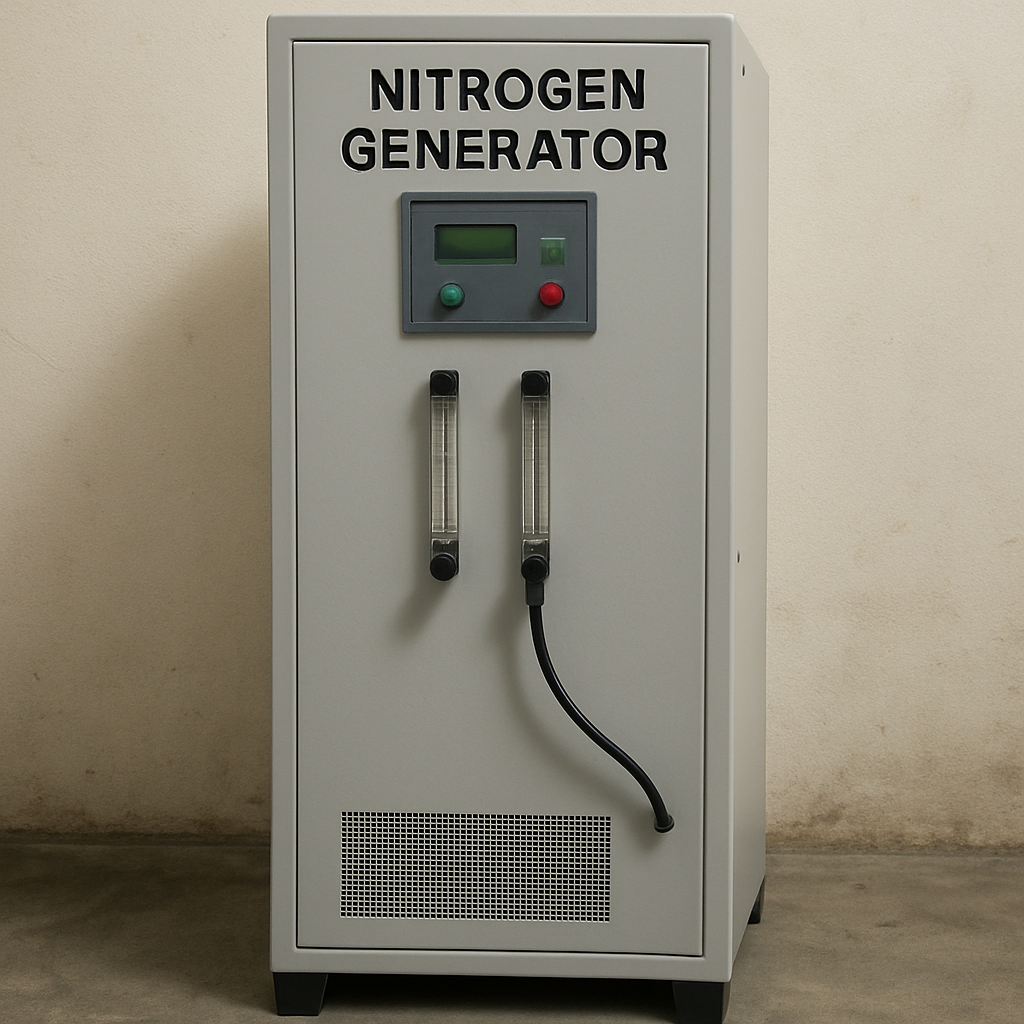
A nitrogen generator is a device that separates nitrogen from other gases within the air. The atmosphere we breathe consists of approximately 78% nitrogen, 21% oxygen, and a mix of other gases. Nitrogen generators are designed to extract this abundant nitrogen efficiently for various applications.
Types of Nitrogen Generators
Nitrogen generators generally fall into two categories: Pressure Swing Adsorption (PSA) and Membrane Technology. Each has its own way of extracting nitrogen.
Pressure Swing Adsorption (PSA) Nitrogen Generators
PSA nitrogen generators operate based on the principle of adsorption. In this process, gases are attracted to a surface, such as a filter or sieve, and separated. PSA generators use a material called carbon molecular sieve (CMS) which captures oxygen and other impurities, allowing nitrogen to pass through as a pure gas.
- Compression: Air is compressed to increase pressure.
- Adsorption: Compressed air flows through the CMS where oxygen and impurities are adsorbed.
- Desorption: The CMS is depressurized, releasing the adsorbed gases.
- Nitrogen Production: Pure nitrogen is collected and delivered for use.
Membrane Nitrogen Generators
Membrane technology uses a different approach. These generators utilize a series of hollow fibers made from polymer materials. These fibers act as a selective barrier, allowing smaller molecules like oxygen to pass through while larger nitrogen molecules remain.
- Compression: Air is compressed and passed through membrane fibers.
- Separation: Oxygen diffuses through the membrane walls.
- Nitrogen Collection: Nitrogen continues through the system, becoming concentrated and ready for use.
Applications of Nitrogen Generators
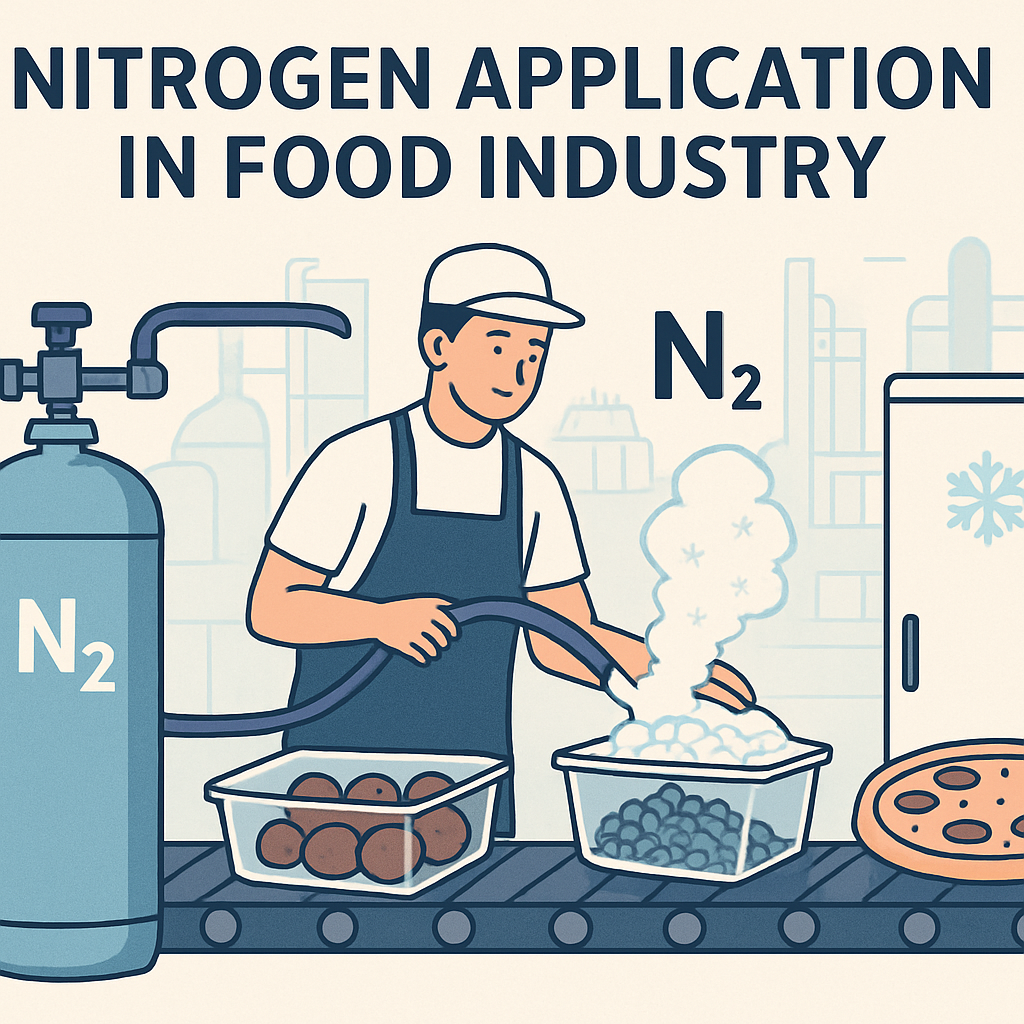
Nitrogen generators have a wide range of applications, from improving safety to enhancing product quality. Here are some common uses:
Industrial Applications
In industries such as chemical manufacturing and electronics, nitrogen is used as an inert gas to prevent oxidation and improve safety. Nitrogen generators provide a steady supply of high-purity nitrogen necessary for these processes.
Food Packaging
Nitrogen is often used to displace oxygen in food packaging, prolonging shelf life and maintaining freshness. Generators ensure a reliable source of nitrogen for packaging lines.
Nitrogen Generators for Dual Engine Ships
On ships, nitrogen generators are essential for producing inert gas used in fuel tank inerting systems. This process prevents explosions by reducing oxygen levels in fuel tanks, enhancing the safety of dual engine ships.
Benefits of Using Nitrogen Generators
The advantages of utilizing nitrogen generators are numerous. These devices offer a cost-effective, reliable, and environmentally-friendly solution compared to traditional nitrogen supply methods like gas cylinders.
Cost Efficiency
Generating nitrogen on-site eliminates the need for transporting and storing gas cylinders, reducing logistics costs and minimizing waste associated with unused gas.
Continuous Supply
With a nitrogen generator, there’s no concern about running out of nitrogen. These systems provide a continuous, on-demand supply that can be customized to meet specific needs.
Environmental Impact
By producing nitrogen on-site, the carbon footprint associated with transportation and cylinder production is significantly reduced, making it a more sustainable option.
How to Choose the Right Nitrogen Generator
 by Sergei Wing (https://unsplash.com/@sergeiwing)
Selecting the appropriate nitrogen generator depends on several factors, including the required purity level, flow rate, and pressure. Here are some considerations:
Purity Requirements
Different applications require different levels of nitrogen purity. It’s essential to understand the specific needs of your process to select a generator that meets those requirements.
Flow Rate and Pressure
The generator must provide the necessary flow rate and pressure to match the demands of your application. A thorough analysis of your system’s requirements will help you make an informed choice.
Maintenance and Support
Consider the maintenance needs and available support for the generator. A reliable supplier will offer not only a high-quality product but also comprehensive support and service options.
Conclusion
Nitrogen generators are invaluable tools across various sectors, offering an efficient and reliable method of producing nitrogen gas. Whether used in industrial settings, food packaging, or on dual engine ships, these devices ensure a consistent and safe supply of nitrogen. By understanding how they work and the benefits they provide, you can make informed decisions about incorporating nitrogen generators into your operations.
Incorporating a nitrogen generator can streamline your processes, enhance safety, and ultimately contribute to a more sustainable and cost-effective operation. Whether you’re in manufacturing, shipping, or any industry that relies on nitrogen, understanding this technology opens the door to numerous benefits.
By choosing the right nitrogen generator tailored to your needs, you can ensure that your operation runs smoothly and efficiently, maximizing the advantages that this technology has to offer.