In industries ranging from food packaging to electronics manufacturing, nitrogen is a crucial component. One efficient way to produce nitrogen on-site is through a membrane nitrogen generator. But how does this technology work? This article will explore the inner workings of a membrane nitrogen generator, its benefits, and its applications.
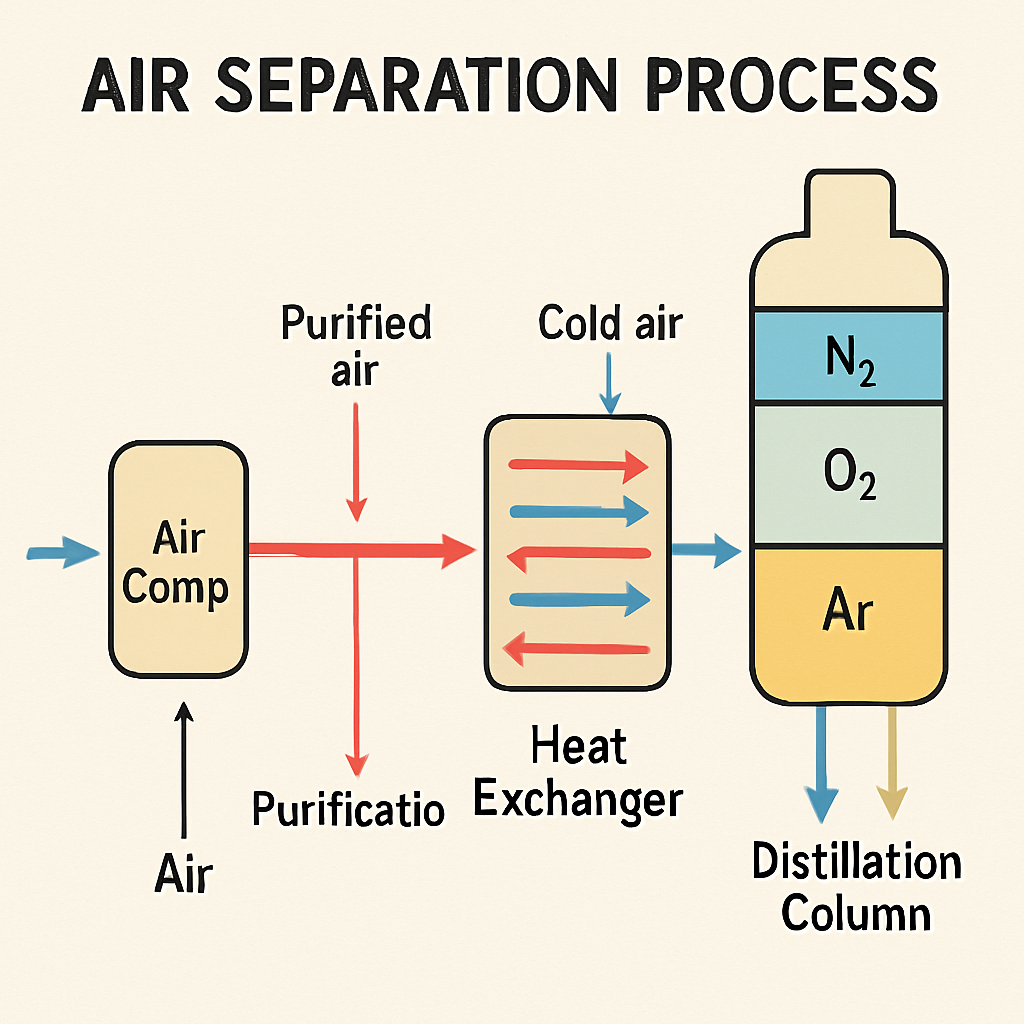
Air separation is the fundamental process behind generating nitrogen. The air we breathe is composed of about 78% nitrogen, 21% oxygen, and trace amounts of other gases. To obtain pure nitrogen, these components must be separated.
A membrane nitrogen generator performs this separation by using a specialized membrane that allows certain gases to pass through while retaining others.
Components of a Membrane Nitrogen Generator
A typical membrane nitrogen generator consists of several key components:
- Air Compressor: This component compresses the ambient air to the required pressure level for the membrane system.
- Pre-Filtration System: Before air enters the membrane, it passes through filters that remove particulates, moisture, and oil, ensuring the longevity and efficiency of the membrane.
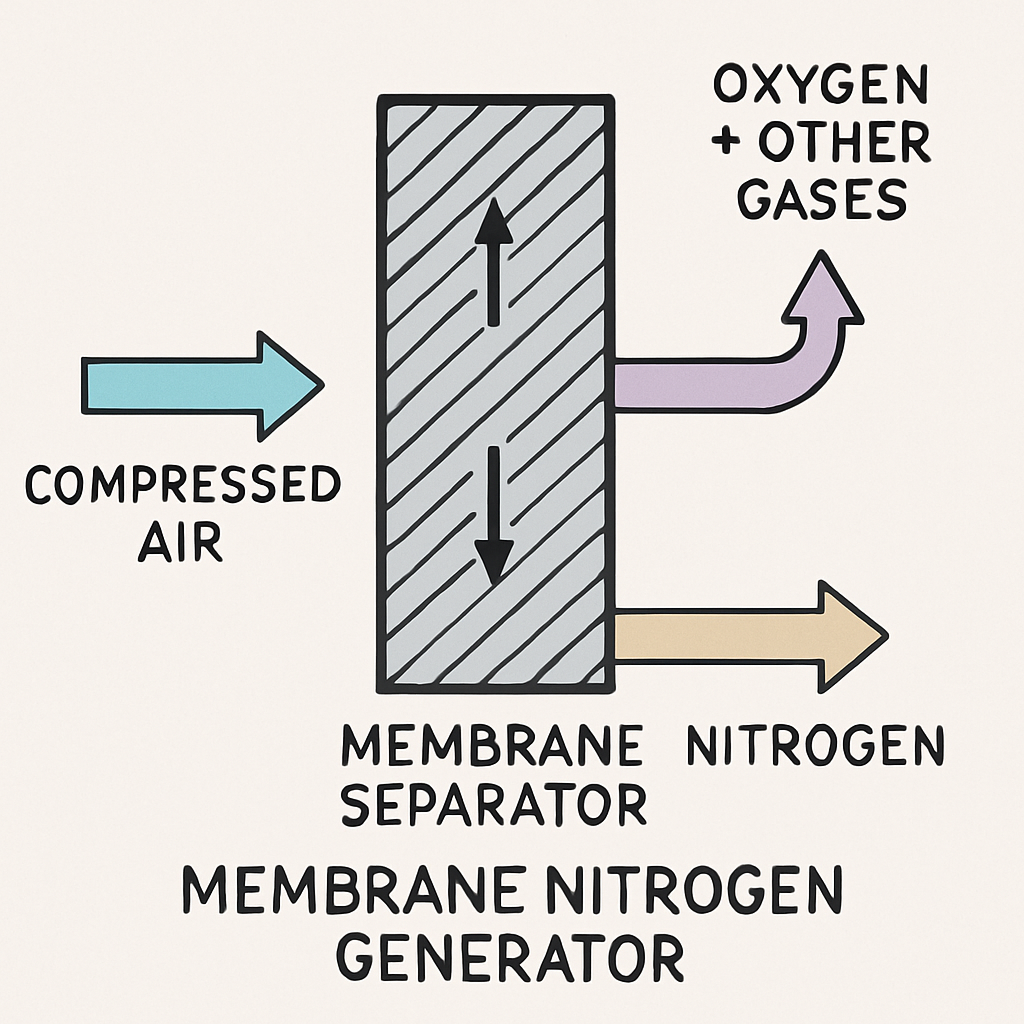
- Membrane Module: This is the heart of the generator, where the actual air separation occurs. The membrane is made of hollow fibers that selectively allow oxygen, water vapor, and other gases to permeate through, leaving behind nitrogen.
- Control System: A control system monitors and regulates the flow of air and the purity level of the output nitrogen.
How Membrane Nitrogen Generators Work
Step 1: Air Compression
The process begins with the air compressor, which draws in ambient air and compresses it to the necessary pressure. This pressurized air is then channeled into the pre-filtration system.
Step 2: Pre-Filtration
In the pre-filtration stage, the compressed air is cleaned. Filters remove dust, oil, and water vapor, preparing the air for efficient separation in the membrane module.
Step 3: Membrane Separation
The pre-filtered air enters the membrane module, consisting of thousands of tiny hollow fibers. These fibers act as selective barriers that separate the gases based on their molecular size and solubility.
- Permeation: Oxygen, carbon dioxide, and water vapor molecules are smaller and more permeable, allowing them to pass through the membrane walls.
- Retention: Nitrogen molecules are larger and less permeable, so they remain within the membrane fibers and are collected as the primary output.
Step 4: Nitrogen Collection
The collected nitrogen is then channeled out of the membrane module, ready for use in various applications. The purity of this nitrogen can typically range from 95% to 99.5%, depending on the specific requirements and the configuration of the generator.
Advantages of Membrane Nitrogen Generators
 by Sergei Wing (https://unsplash.com/@sergeiwing)
Efficient and Cost-Effective
Membrane nitrogen generators offer a cost-effective alternative to traditional nitrogen supply methods, such as gas cylinders or liquid nitrogen tanks. By producing nitrogen on-site, companies can reduce transportation and handling costs.
Flexibility and Scalability
These generators are highly adaptable and can be scaled to meet the specific needs of various industries. Whether a small-scale operation or a large manufacturing facility, membrane nitrogen generators can be configured to deliver the appropriate nitrogen volume and purity.
Environmentally Friendly
Producing nitrogen on-site with a membrane generator reduces the carbon footprint associated with transporting and storing nitrogen in bulk. Additionally, membrane technology does not require any chemicals, making it a cleaner process.
Low Maintenance
Membrane nitrogen generators are known for their durability and low maintenance requirements. The absence of moving parts in the membrane module reduces wear and tear, leading to a longer lifespan and fewer service interruptions.
Applications of Membrane Nitrogen Generators
Membrane nitrogen generators are used across various industries due to their efficiency and reliability. Some common applications include:
Food and Beverage Industry
In the food and beverage industry, nitrogen is used to displace oxygen and extend the shelf life of perishable products. It is also used in packaging to maintain product freshness.
Electronics Manufacturing
Nitrogen is essential in electronics manufacturing for creating inert atmospheres that prevent oxidation during soldering and other processes.
Chemical and Petrochemical Industries
In the chemical and petrochemical industries, nitrogen is used for purging, inerting, and blanketing processes to enhance safety and prevent contamination.
Pharmaceutical Industry
The pharmaceutical industry relies on nitrogen for maintaining sterile environments and preventing oxidation of sensitive compounds.
Conclusion
Membrane nitrogen generators are a vital technology for many industries, offering efficient, cost-effective, and environmentally friendly solutions for nitrogen production. By understanding how these systems work and the benefits they offer, companies can make informed decisions about incorporating this technology into their operations.
As technology advances, membrane nitrogen generators are likely to become even more efficient, further solidifying their role in various industrial applications. With their flexibility and scalability, they provide a viable option for businesses of all sizes looking to improve their nitrogen supply systems.