Liquid nitrogen generators are becoming increasingly popular in various industries due to their efficiency and convenience. These innovative devices are transforming how businesses operate by ensuring a steady and reliable supply of nitrogen. From medical laboratories to food processing plants, liquid nitrogen generators play a pivotal role in maintaining operational continuity and optimizing workflows. In this article, we’ll delve into what a liquid nitrogen generator is, how it works, its applications, and factors influencing its price.
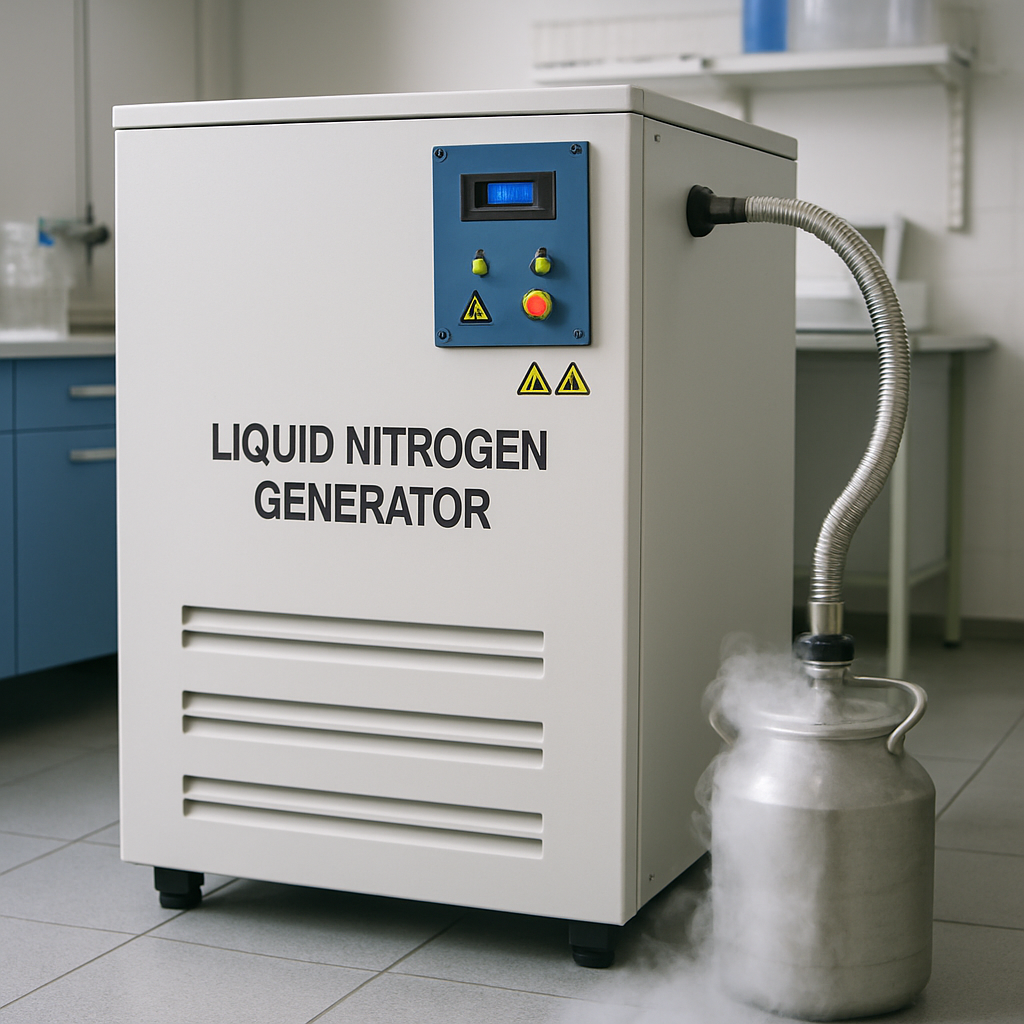
A liquid nitrogen generator is a sophisticated system designed to produce nitrogen in its liquid form. Unlike traditional methods of nitrogen supply, such as gas cylinders, a generator offers a continuous and on-demand supply. This not only saves time but also reduces dependency on external suppliers, which can be both costly and logistically challenging. The ability to generate nitrogen on-site can significantly streamline operations, minimizing delays associated with delivery and potential supply chain disruptions.
Furthermore, liquid nitrogen generators are designed to be user-friendly and integrate seamlessly into existing systems. They can be tailored to meet specific production needs, whether for a small laboratory or a large-scale industrial operation. By eliminating the need for frequent cylinder replacements and reducing storage requirements, these generators offer a sustainable and efficient solution for nitrogen needs.
How Does It Work?
Liquid nitrogen generators primarily use a process called cryogenic distillation. Here’s a simplified breakdown of how it works:
- Air Compression: The generator draws in ambient air and compresses it. This compression increases the air’s pressure and temperature, preparing it for the next phase.
- Cooling: The compressed air is then cooled to extremely low temperatures using advanced refrigeration techniques. This cooling phase is crucial as it brings the air to a point where its components can be separated based on their boiling points.
- Distillation: As the air cools, its components liquefy at different temperatures. Nitrogen, which liquefies at -196°C, is separated during this phase. The separation process is highly efficient, ensuring a high purity level of liquid nitrogen, suitable for various applications.
- Storage: The liquid nitrogen is collected and stored in a specialized container for later use. These containers are designed to maintain the low temperatures required to keep nitrogen in its liquid state, ensuring it remains ready for immediate use.
Some generators also employ membrane or Pressure Swing Adsorption (PSA) technology to extract nitrogen. These methods are particularly useful in smaller setups where cryogenic distillation might be impractical due to space or cost constraints. Membrane technology involves passing compressed air through a selective membrane that allows only nitrogen to pass through, while PSA uses adsorbent materials to separate nitrogen from other gases in the air.
Advantages Over Traditional Methods
- Cost-Effective: Eliminates the recurring costs of purchasing and transporting nitrogen cylinders. By producing nitrogen on-site, businesses can significantly reduce operational expenses, leading to improved profitability and budget management.
- Convenience: Provides an uninterrupted supply of nitrogen. This consistent availability ensures that operations can continue without interruption, which is crucial in sectors like healthcare and food production where timing and reliability are critical.
- Safety: Reduces the risks associated with handling high-pressure gas cylinders. Liquid nitrogen generators minimize the need for manual handling and transportation of hazardous materials, thereby enhancing workplace safety and reducing the risk of accidents.
Applications of Liquid Nitrogen Generators
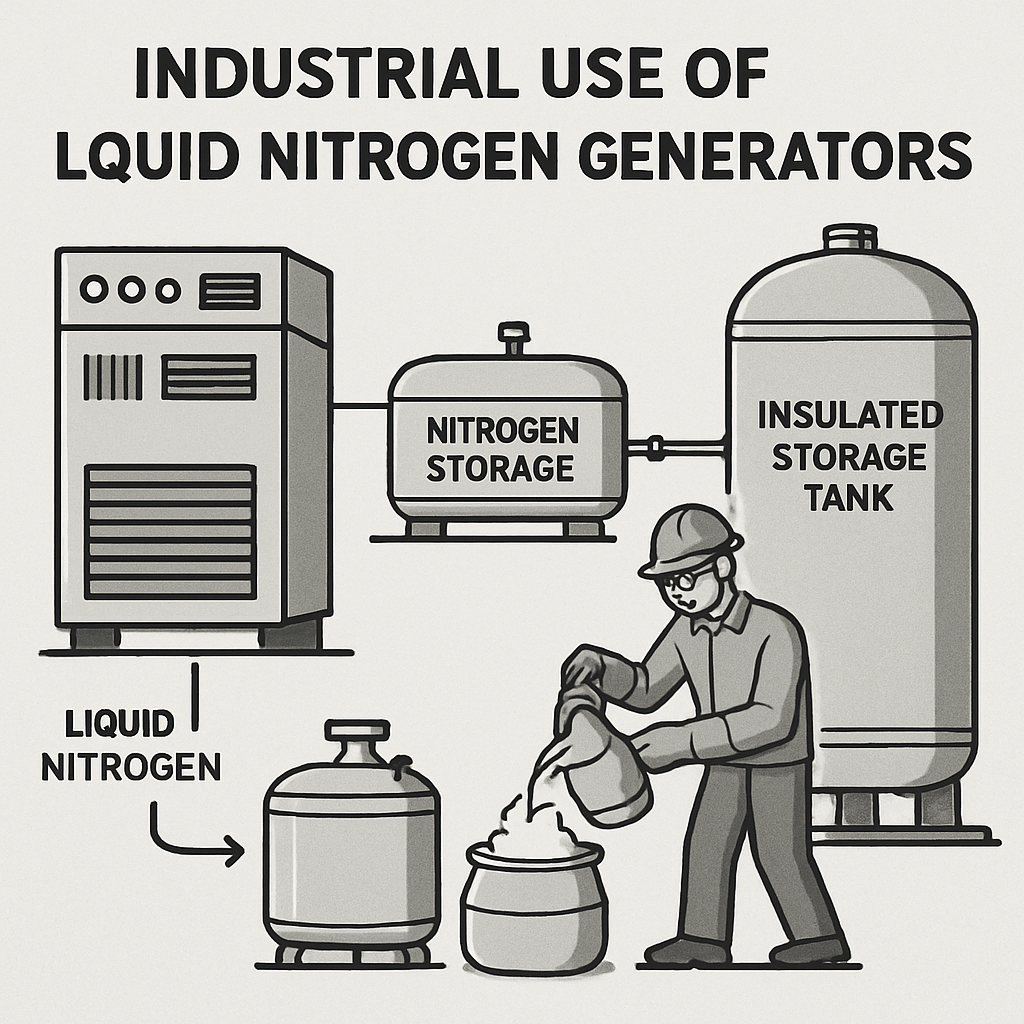
Liquid nitrogen generators are versatile and find applications across various sectors. Their ability to provide a steady supply of high-purity nitrogen makes them invaluable in numerous fields.
Medical and Healthcare
In the medical field, liquid nitrogen is used for cryopreservation, which involves storing cells, tissues, and other biological samples at ultra-low temperatures. This is essential for preserving the viability of samples over long periods, crucial for research and medical treatments. It’s also utilized in dermatology for cryotherapy, a treatment method for removing warts and other skin lesions. Cryotherapy is a minimally invasive procedure, offering a quick and effective solution for various skin conditions.
Additionally, liquid nitrogen is vital in the storage of vaccines and pharmaceuticals, ensuring they remain stable and effective until use. Hospitals and research facilities rely on liquid nitrogen for its ability to maintain the integrity of sensitive biological materials.
Food and Beverage
Liquid nitrogen is employed in the food industry for flash freezing, which helps in preserving the texture and flavor of food products. Flash freezing locks in moisture and nutrients, maintaining the quality of the food from production to consumption. It’s also used in the production of carbonated beverages, where nitrogen helps maintain the desired level of carbonation and extends shelf life.
Moreover, chefs use liquid nitrogen for culinary innovation, creating unique textures and presentations that are not possible with traditional cooking methods. Its use in molecular gastronomy has revolutionized how chefs approach food preparation and presentation.
Manufacturing and Industrial
In manufacturing, liquid nitrogen is used for cooling materials, reducing wear and tear on machinery, and preserving volatile substances. Its extreme cold properties make it ideal for processes that require rapid cooling or temperature stabilization. It’s also essential in the production of nitrogen gas for various industrial applications, including inerting and blanketing processes that prevent oxidation and other chemical reactions.
Liquid nitrogen is also used in the electronics industry for cooling components during manufacturing, ensuring precision and quality in production. Its role in reducing thermal stress on materials extends the lifespan and reliability of critical components.
Research and Development
Research laboratories use liquid nitrogen for sample storage and in experiments requiring low temperatures. Its inert nature makes it ideal for creating controlled environments, ensuring that experiments are conducted under optimal conditions. Liquid nitrogen’s ability to maintain consistent low temperatures is crucial for many scientific studies, including those in physics, chemistry, and biology.
Furthermore, its use in cryogenic research is expanding, with scientists exploring new applications and techniques to harness the unique properties of liquid nitrogen. This includes the development of new materials and the exploration of superconductivity, where low temperatures play a vital role.
Factors Influencing Liquid Nitrogen Generator Price
 by Simone Hutsch (https://unsplash.com/@heysupersimi)
When considering a liquid nitrogen generator, price is a crucial factor. Several elements influence the cost of these machines, and understanding these can help in making an informed purchasing decision.
Capacity
The capacity of a generator, or how much liquid nitrogen it can produce, is a primary cost determinant. Larger models that produce more nitrogen will naturally be more expensive than smaller ones. However, investing in a larger capacity generator can be cost-effective in the long run if your nitrogen demand is high, as it reduces the frequency of production cycles and ensures a steady supply.
Businesses must carefully assess their current and projected nitrogen needs to select a generator that balances upfront costs with future requirements. Choosing the right capacity ensures efficiency and cost-effectiveness, avoiding the pitfalls of over- or under-sizing.
Technology
The type of technology used in the generator—whether it’s cryogenic distillation, PSA, or membrane technology—also affects the price. Cryogenic systems, being more complex, tend to be pricier due to their sophisticated components and higher production capabilities. However, they offer advantages in terms of purity and scalability, making them a worthwhile investment for larger operations.
PSA and membrane technologies, while generally more affordable, are ideal for smaller setups or applications where ultra-high purity is not a critical requirement. The choice of technology should align with the specific operational needs and budget constraints of the business.
Brand and Manufacturer
Well-known brands with a reputation for quality and reliability may charge a premium. However, investing in a reputable brand can ensure longevity and efficiency, reducing long-term costs. Established manufacturers often offer superior customer support, warranties, and service options, providing peace of mind and ensuring that the generator operates optimally throughout its lifespan.
It’s essential to conduct thorough research and consider customer reviews, industry reputation, and after-sales service when choosing a brand, as these factors can significantly impact the total cost of ownership.
Additional Features
Some generators come with advanced features such as automated controls, remote monitoring, and enhanced safety systems. These features can increase the overall cost but may offer added convenience and security. Automated systems reduce the need for manual intervention, optimizing efficiency and reducing the risk of human error.
Remote monitoring capabilities allow for real-time oversight of the generator’s performance, enabling proactive maintenance and minimizing downtime. While these features may increase the initial investment, they can lead to significant long-term savings and improved operational reliability.
Choosing the Right Liquid Nitrogen Generator
When selecting a liquid nitrogen generator, consider your specific needs to ensure you make the best choice for your operation:
- Assess Demand: Determine the amount of nitrogen you need on a daily or weekly basis. This assessment will guide your choice of capacity and technology, ensuring the generator meets your production needs without unnecessary expenditure.
- Evaluate Space: Ensure you have adequate space for installation and storage. Consider the generator’s footprint and any additional equipment or storage tanks needed, as well as accessibility for maintenance and operation.
- Consider Maintenance: Look into the maintenance requirements and whether you’ll need specialized personnel for upkeep. Understanding the maintenance needs can help in budgeting and planning for future operational costs.
- Budget Wisely: Balance the initial investment with long-term savings on nitrogen supply. Consider not only the purchase price but also potential savings on supply costs, maintenance, and operational efficiency.
Conclusion
Liquid nitrogen generators offer a practical solution for various industries needing a steady supply of nitrogen. By understanding how these generators work, their applications, and the factors affecting their price, you can make an informed decision that aligns with your operational needs. Whether you’re in the medical, food, or industrial sector, investing in a liquid nitrogen generator could be a game-changer for your operations.
In summary, these generators not only provide convenience and efficiency but also contribute to cost savings and enhanced safety in the workplace. As technology evolves, we can expect even more advancements in the field of nitrogen generation, making these systems an even more integral part of modern industry. The future of nitrogen generation is promising, with innovations poised to enhance their capabilities and applications, driving further efficiency and sustainability across diverse sectors.