In today’s fast-paced industrial landscape, operational efficiency is the linchpin of success. One tool that’s been quietly revolutionizing various industries is the nitrogen generator. This device, which produces nitrogen gas on demand, can significantly enhance efficiency and productivity. Whether you’re in manufacturing, food packaging, or pharmaceuticals, understanding the capabilities of nitrogen generators is crucial. Let’s delve into how these machines work and why they’re essential for modern operations.
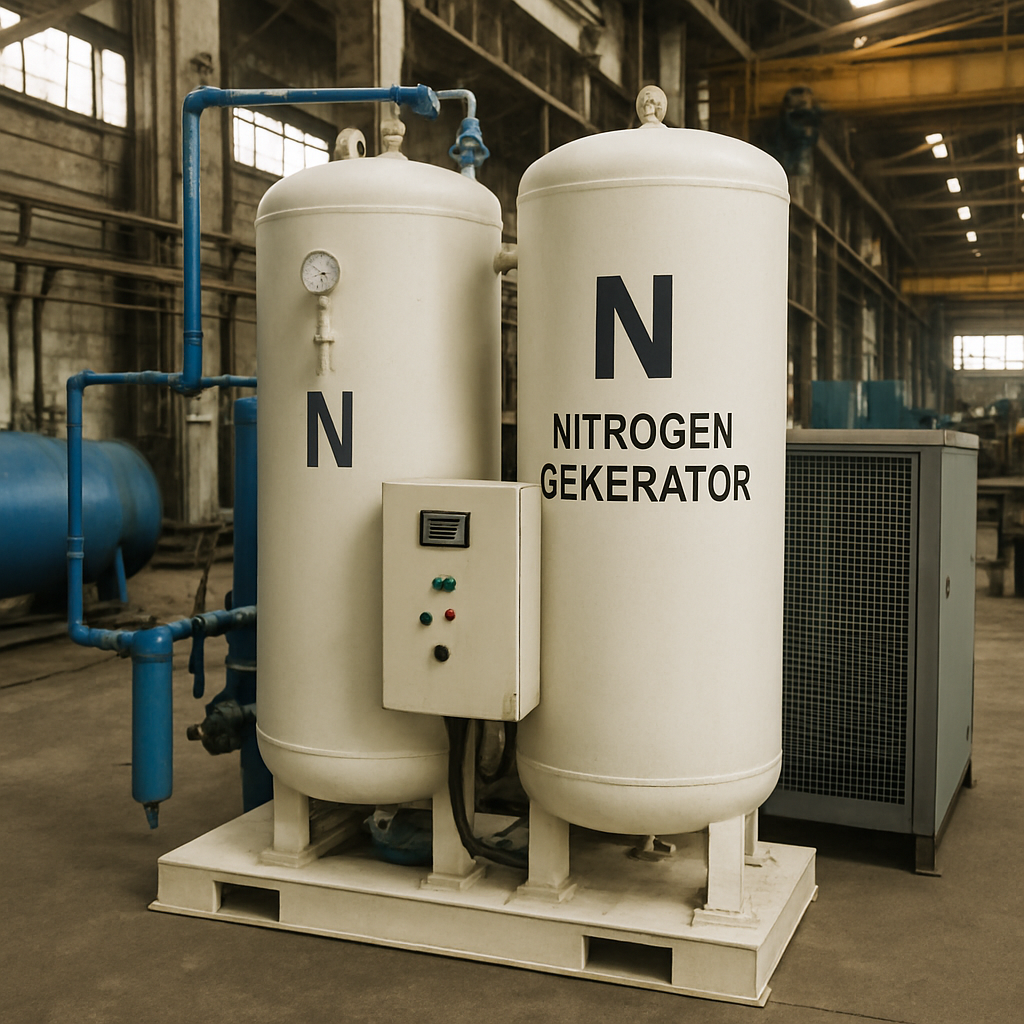
Nitrogen generators are devices that separate nitrogen molecules from the air, producing a steady supply of nitrogen gas. Unlike traditional methods of nitrogen delivery, such as gas cylinders or liquid nitrogen tanks, these generators provide a continuous, on-site source of nitrogen.
How Do They Work?
The air around us is composed of approximately 78% nitrogen, 21% oxygen, and trace amounts of other gases. Nitrogen generators utilize either Pressure Swing Adsorption (PSA) or membrane technology to separate nitrogen from the ambient air. PSA technology uses a specialized material to adsorb oxygen and other gases, leaving behind pure nitrogen. Membrane technology, on the other hand, filters out oxygen through a semi-permeable membrane, allowing nitrogen to pass through.
Key Benefits of Nitrogen Generators
Cost-Effectiveness
One of the most significant advantages of nitrogen generators is cost savings. By producing nitrogen on demand, businesses can eliminate the need for purchasing, storing, and handling gas cylinders. This reduction in logistical expenses translates into substantial cost savings over time.
Improved Safety
Handling and storing high-pressure gas cylinders pose several safety risks, including leaks and potential explosions. Nitrogen generators mitigate these risks by producing nitrogen at low pressures and eliminating the need for storage. This leads to a safer working environment for employees.
Environmental Impact
Using nitrogen generators also has environmental benefits. Traditional nitrogen supply methods involve transportation and storage, which contribute to carbon emissions. By generating nitrogen on-site, businesses can reduce their carbon footprint and promote sustainable practices.
Applications of Nitrogen Generators
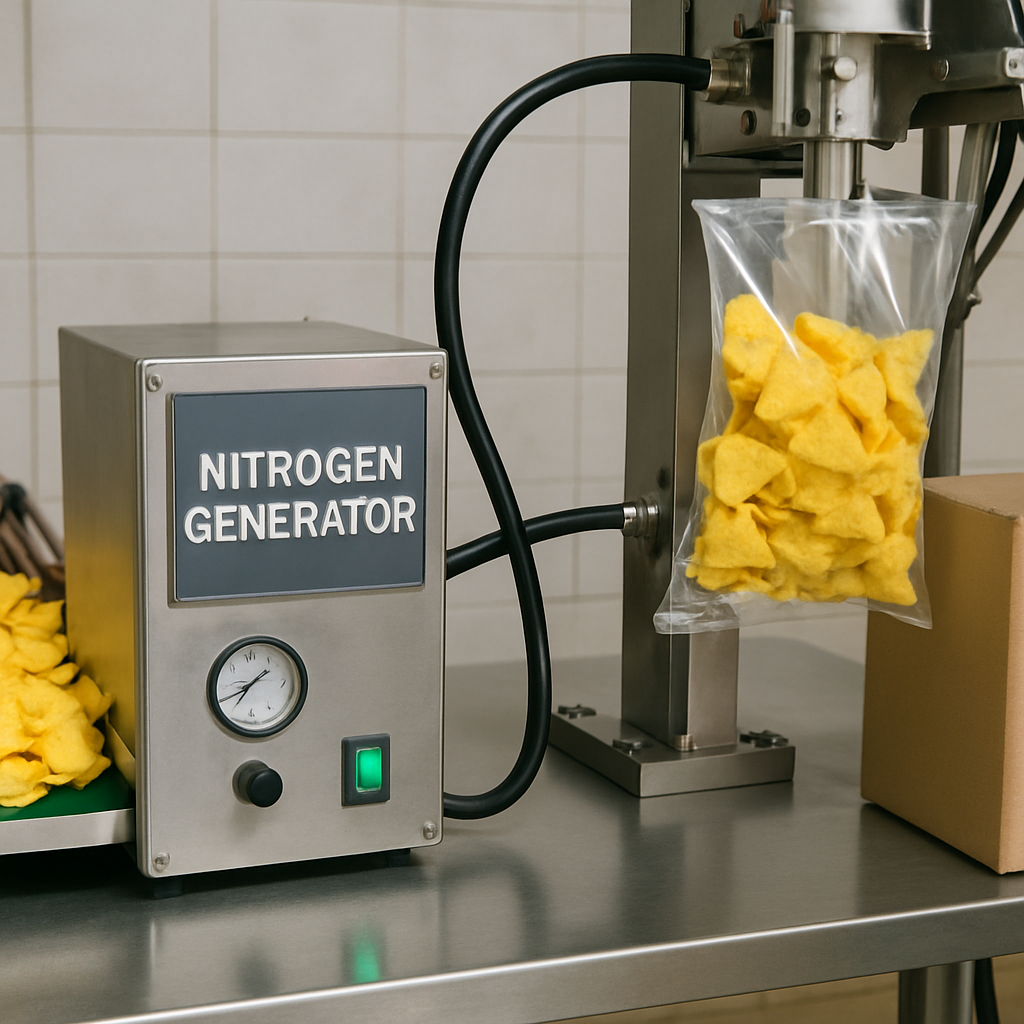
Nitrogen generators are versatile and can be applied across various industries. Here are some of the most common applications:
Food and Beverage Industry
In the food and beverage sector, nitrogen is used to preserve freshness and extend shelf life. Nitrogen generators provide a constant supply of nitrogen for packaging processes, helping to maintain product quality and reduce spoilage.
Manufacturing and Metalworking
In manufacturing and metalworking, nitrogen is used for processes like laser cutting and blanketing. Nitrogen generators ensure a consistent flow of nitrogen, which improves cutting precision and reduces oxidation on metal surfaces.
Pharmaceuticals
The pharmaceutical industry relies on nitrogen to create inert atmospheres for the production and storage of sensitive products. Nitrogen generators offer a reliable and continuous supply, ensuring product integrity and quality.
Choosing the Right Nitrogen Generator
When selecting a nitrogen generator, it’s essential to consider your specific operational needs. Here are some factors to keep in mind:
Capacity and Flow Rate
Understanding the nitrogen generators specs, such as capacity and flow rate, is crucial. For instance, if you require nitrogen generators 30l min, ensure the model you choose can meet this demand. Assessing your peak usage times and average consumption will help in making the right choice.
Technology Type
Decide whether PSA or membrane technology suits your application best. Each has its advantages, depending on the purity level and flow rate required.
Maintenance and Support
Consider the maintenance requirements and availability of technical support. Regular maintenance ensures the longevity and optimal performance of your nitrogen generator.
Implementing Nitrogen Generators in Your Operations
 by National Cancer Institute (https://unsplash.com/@nci)
Successfully integrating nitrogen generators into your operations involves several steps:
Site Assessment
Conduct a thorough assessment of your facility to determine the best locati0n for the nitrogen generator. Consider factors like proximity to applications, space availability, and ventilation.
Installation and Training
Professional installation is crucial to ensure the generator operates efficiently. Additionally, training your staff on proper operation and maintenance will maximize the generator’s benefits.
Monitoring and Optimization
Once installed, continuously monitor the generator’s performance and make adjustments as necessary. This will help in optimizing nitrogen usage and achieving maximum efficiency.
Conclusion
Nitrogen generators are an invaluable asset for industries seeking to enhance operational efficiency. By providing a reliable, cost-effective, and safe supply of nitrogen, these devices streamline processes and contribute to sustainable business practices. Whether you’re in food packaging, manufacturing, or pharmaceuticals, investing in a nitrogen generator can propel your operations to new heights. Embrace this technology today and witness the transformative impact on your business.