You are currently swimming in a sea of nitrogen, yet 78% of the air you breathe is biologically useless until we spend a fortune in energy to “fix” it into plant fuel. While industries meticulously monitor nitrogen gas purity levels for welding or manufacturing, our food system operates like a leaky bucket. We discard valuable used nitrogen into the environment rather than recycling this essential biological battery to grow our next meal.
The High Price of ‘Leaky’ Nitrogen: From Factories to Farm Runoff
Imagine filling your car’s gas tank, but the nozzle doesn’t stop, spilling fuel everywhere. This mirrors modern agriculture. Farmers apply nitrogen fertilizer, but crops are picky eaters and often cannot absorb it all. The leftovers—”used nitrogen”—don’t just disappear. Rain washes this excess nutrient off fields and into local waterways via nitrogen runoff.
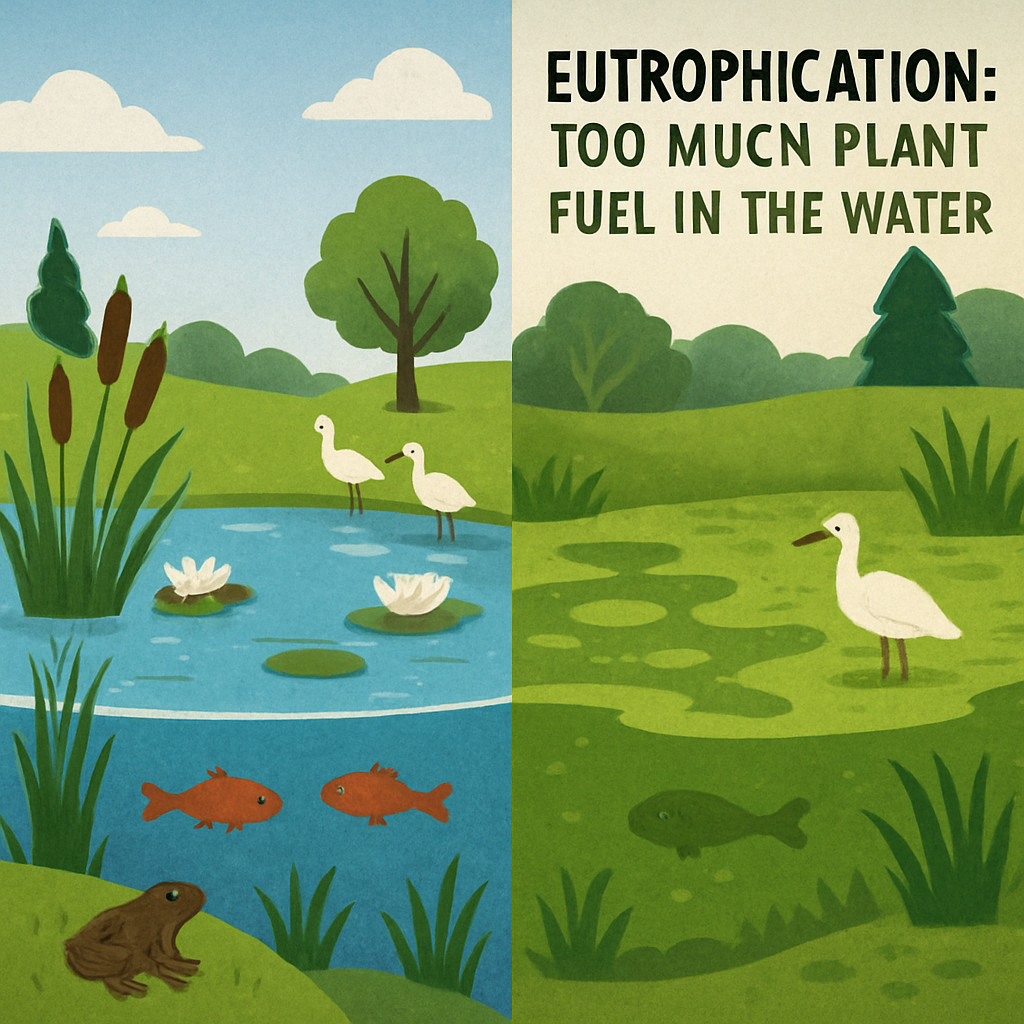
In lakes or rivers, runaway nitrogen does exactly what it is designed to do: fuel aggressive plant growth. Unfortunately, it feeds the wrong plants. This nutrient spike triggers massive algae blooms—turning clear water into thick, green soup. Scientists call this eutrophication, where an ecosystem chokes on too much food. When algae die, they suck oxygen from the water, making it impossible for fish to survive.
While farms are a major source, this leakage happens nearly everywhere human activity occurs. Used nitrogen escapes into the environment through three primary pathways:
- Agricultural Runoff: Rain washing excess fertilizer from soil.
- Industrial Wastewater: Factories releasing nitrogen-rich water.
- Atmospheric Emissions: Car and power plant exhaust settling back to earth.
Rather than letting this valuable resource destroy our water, we are now learning how to catch it.
Mining the Waste: Turning Used Nitrogen into New Resources
Think of your local wastewater treatment plant not as a disposal site, but as a mine. Instead of letting nutrient-rich water pollute rivers, we can intercept it. This transforms a costly waste problem into a valuable product, harvesting “used” nitrogen to create fertilizer without the massive energy footprint of pulling it from the air.
Engineers have developed sophisticated nitrogen recovery systems to catch these escaping nutrients, relying on three main methods to separate the resource:
- Ion Exchange: Using molecular “magnets” to attract and grab nitrogen particles.
- Air Stripping: Blowing air through wastewater to push nitrogen gas out for collection.
- Membrane Filtration: Sifting the water through microscopic screens that trap nutrients.
This recovery process is vital for a sustainable future, keeping costs down and protecting waterways. The market for these solutions is growing rapidly. Today, industrial sites increasingly trade infrastructure, with facility managers looking for a used nitrogen generator for sale or upgrading to certified pre-owned nitrogen tanks to make operations circular and cost-effective.
Closing the Loop: How a Circular Nitrogen Economy Saves You Money
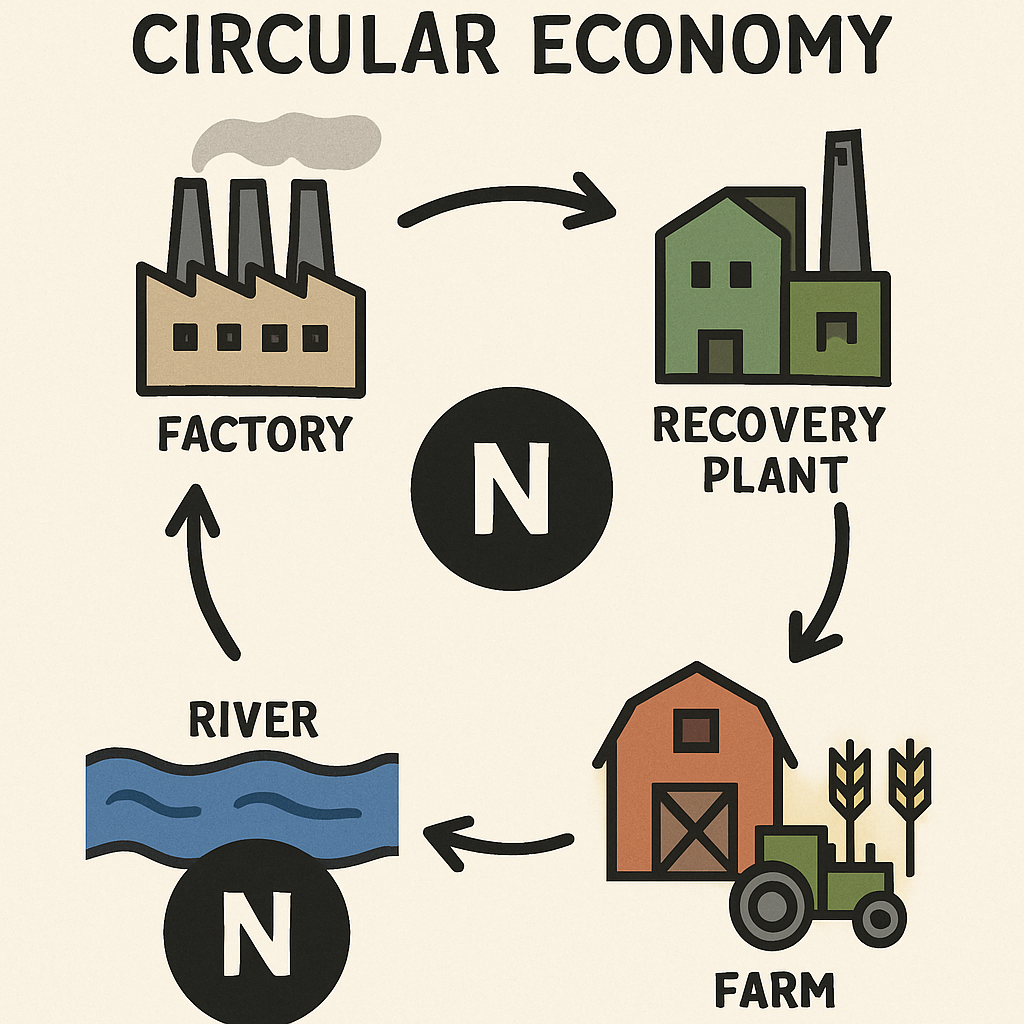
What if local waste plants became resource factories? Recovering used nitrogen protects waterways and stabilizes the cost of your weekly loaf of bread. You can drive this circular economy by advocating for green infrastructure and ensuring the proper disposal of pressurized gas bottles to keep recycling systems safe. It is time to stop viewing nitrogen as a pollutant and start treating it as the renewable engine of our food system.
Shenzhen Yuhan Electronic Technology Co., Ltd. and Suzhou Hongjinli Gas Equipment Co., Ltd. specialize in PSA nitrogen generators, oxygen generators, nitrogen purification systems, and gas equipment solutions. Our expertise spans industries including SMT manufacturing, semiconductor packaging, optoelectronics, and food and pharmaceutical storage.
Contact us for your nitrogen generator, Racher: +86 193 0864 1458