Setting up a liquid nitrogen factory is a significant endeavor that requires careful planning and financial investment. Understanding the costs involved is crucial for anyone looking to venture into this industry. This guide will walk you through the key factors affecting liquid nitrogen factory setup costs, helping you make informed decisions. By being aware of these elements, you can better prepare for the financial commitments and strategic planning necessary to launch a successful liquid nitrogen production operation.
Understanding the complexities of this industry also involves knowing the market dynamics and technological advancements that might affect your business. Whether you’re an entrepreneur or an investor, knowledge about the industry’s nuances can help you anticipate challenges and opportunities. As we delve into the specifics, you’ll gain a comprehensive understanding of both the initial setup and the ongoing operational expenses you might encounter.

Before diving into the costs, let’s clarify what liquid nitrogen is. Liquid nitrogen is nitrogen in a liquid state at an extremely low temperature, approximately -196 degrees Celsius. It’s widely used in various industries, including food processing, pharmaceuticals, and metal manufacturing, due to its cooling and freezing properties. Its ability to rapidly freeze and preserve substances makes it indispensable in scientific research and medical applications as well.
The versatility of liquid nitrogen extends to its role in cryogenics, where it is used to preserve biological samples and organs. This makes it a critical component in medical research and biotechnology. Its non-toxic and inert characteristics also allow for safe use in the culinary world, where it creates innovative dining experiences. Understanding these diverse applications can help you identify potential markets and tailor your production capabilities to meet industry demands.
Key Factors Influencing Setup Costs
Setting up a liquid nitrogen factory involves multiple components, each contributing to the overall cost. Here are the main factors you need to consider:
1. Location and Infrastructure
The locati0n of your factory significantly impacts your setup costs. Urban areas might have higher land and construction costs, but they offer better access to utilities and markets. Proximity to suppliers and clients can reduce transportation costs and enhance business relationships. Rural areas, on the other hand, might provide cheaper land but could require additional investment in infrastructure like roads and utilities. However, rural locations might offer tax incentives or subsidies to encourage industrial development.
In addition to land and infrastructure, environmental regulations may vary by locati0n and can influence your costs. Urban areas might have stricter environmental laws, necessitating more investment in compliance measures. Assessing local regulations and potential incentives in both urban and rural settings can help you make a balanced decision. Evaluating the long-term benefits versus the immediate costs associated with different locations is essential for strategic planning.
2. Equipment and Machinery
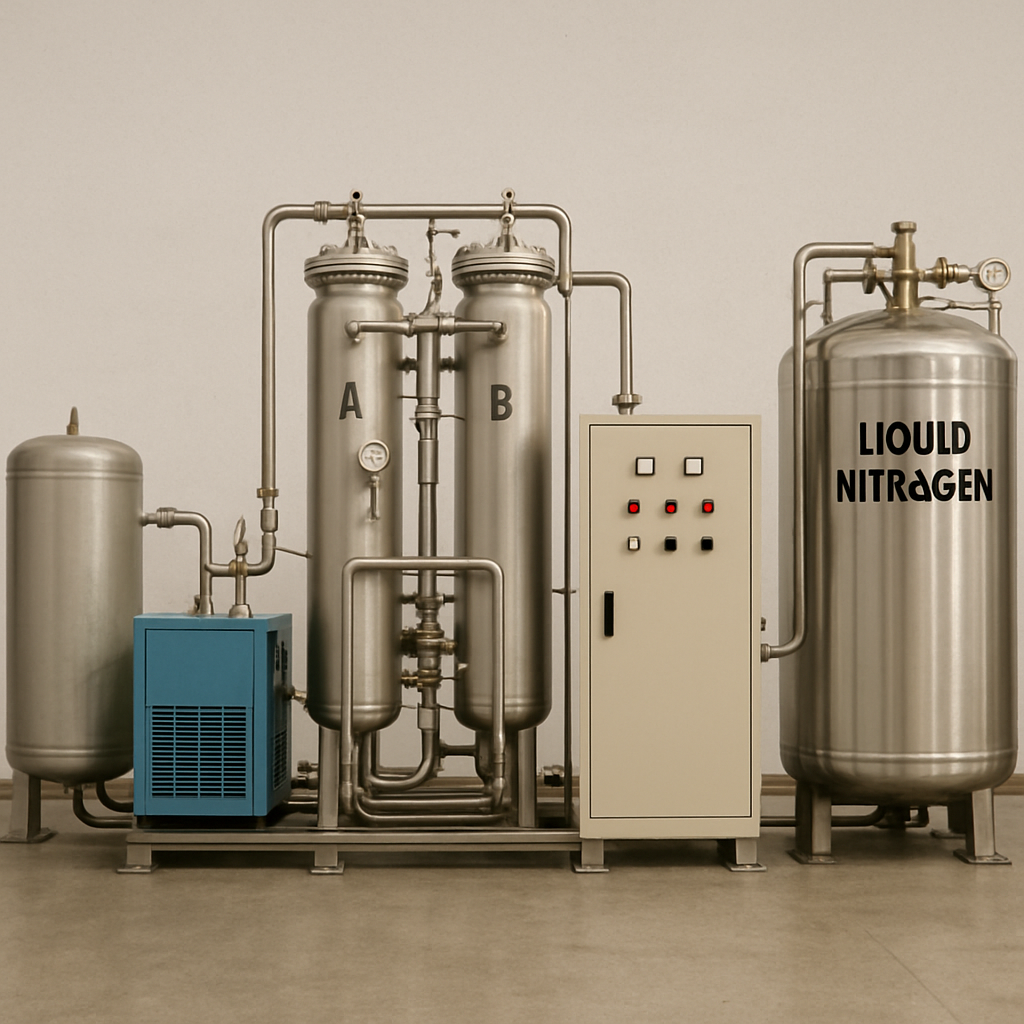
The core of your factory will be the equipment and machinery used to produce liquid nitrogen. This includes air separation units, compressors, and storage tanks. The cost of these machines can vary based on their capacity, efficiency, and brand. Investing in high-quality, reliable machinery is crucial to ensure efficient production and minimize downtime. Advanced technologies might offer better energy efficiency and lower operational costs over time.
When selecting equipment, consider not only the initial purchase price but also the maintenance and operational costs. High-efficiency machines may cost more upfront but can lead to significant savings in energy consumption and longer service life. Additionally, sourcing equipment from reputable suppliers can provide warranties and technical support, further securing your investment. Balancing cost with quality and efficiency will be key to optimizing your production process.
3. Licensing and Permits
Operating a liquid nitrogen factory requires several licenses and permits. These could include environmental permits, safety certifications, and business licenses. The cost and complexity of obtaining these can vary significantly depending on your locati0n and the scale of your operations. A comprehensive understanding of local, state, and federal regulations is necessary to avoid legal pitfalls and operational delays.
Beyond the financial aspect, the time required to secure necessary permits should be considered in your project timeline. Engaging with local authorities early in the planning process can streamline the approval process and prevent costly delays. Consulting with legal experts or industry professionals can help you navigate the regulatory landscape efficiently, ensuring compliance and reducing risks.
4. Utilities and Energy Costs
Producing liquid nitrogen is energy-intensive. You’ll need a reliable power supply to run your equipment, which can be a significant ongoing cost. The price of electricity, water, and other utilities will affect your overall expenses and should be factored into your cost analysis. Exploring renewable energy sources or energy-efficient technologies could mitigate some of these costs.
In addition to energy costs, consider the environmental impact and sustainability of your operations. Implementing energy-saving practices and investing in green technologies can improve your factory’s environmental footprint and reduce expenses in the long term. Monitoring and optimizing energy use through advanced metering systems can also provide insights for further efficiency improvements.
5. Labor Costs
The cost of hiring skilled workers to operate and maintain your factory is another crucial factor. Labor costs can vary based on the local market and the level of expertise required. Investing in training can help ensure your staff operates efficiently and safely. Skilled labor not only ensures smooth operations but also enhances innovation and productivity.
Additionally, consider the benefits and incentives necessary to attract and retain top talent. Competitive salaries, benefits packages, and career development opportunities can improve employee satisfaction and reduce turnover rates. Cultivating a positive workplace culture and investing in continuous learning can enhance your workforce’s capabilities and contribute to your factory’s success.
Estimating Liquid Nitrogen Factory Setup Costs
While costs can vary widely based on the factors mentioned, here’s a rough estimate to give you a starting point:
Initial Investment
- Land and Construction: Depending on the locati0n, expect to spend anywhere from $500,000 to several million dollars. Urban settings might push costs higher, while rural areas might offer affordability, albeit with added infrastructure expenses.
- Equipment and Machinery: High-quality machinery could cost between $1 million and $5 million, depending on capacity. Advanced technology and high efficiency often justify the initial expense through long-term savings.
- Licensing and Permits: These could range from $10,000 to $100,000. The complexity of regulations and the need for specialized permits can significantly influence these costs.
Ongoing Costs
- Utilities and Energy: Monthly costs can range from $10,000 to $50,000, depending on production levels. These costs can fluctuate based on energy prices and operational efficiency.
- Labor: Annual labor costs could range from $100,000 to $500,000, depending on the size of your operation. Factor in salaries, benefits, and training expenses to maintain a skilled workforce.
Managing Costs Effectively
 by Tony Litvyak (https://unsplash.com/@justatony)
To ensure your liquid nitrogen factory is financially viable, consider the following strategies:
1. Optimize Production Efficiency
Invest in energy-efficient machinery and train your staff to use it effectively. This can help reduce your utility costs and increase your overall production efficiency. Regular audits and performance assessments can identify areas for improvement, maximizing productivity and cost savings.
Implementing lean manufacturing principles can further enhance efficiency by minimizing waste and optimizing processes. Continuous improvement and innovation should be part of your operational strategy, ensuring that your factory remains competitive and cost-effective. Emphasizing quality control can also prevent losses due to defects and enhance customer satisfaction.
2. Negotiate with Suppliers
Building strong relationships with your suppliers can lead to better pricing on raw materials and equipment. Bulk purchasing or long-term contracts might offer additional savings. Establishing a collaborative partnership with suppliers can also foster innovation and improve supply chain resilience.
Regularly review your supplier contracts to ensure they remain competitive and align with market conditions. Exploring alternative suppliers and conducting market research can provide insights into better deals and emerging trends. Maintaining flexibility and open communication with your suppliers will help you adapt to changes and secure favorable terms.
3. Implement Safety and Maintenance Protocols
Regular maintenance of your equipment can prevent costly breakdowns and extend its lifespan. Additionally, implementing rigorous safety protocols will protect your investment and workforce. A proactive approach to maintenance minimizes downtime and enhances operational reliability.
Safety protocols not only protect your employees but also ensure compliance with regulatory standards, avoiding potential fines and legal issues. Investing in safety training and equipment can reduce workplace accidents and improve productivity. A strong safety culture promotes a positive work environment and can enhance your company’s reputation.
The Role of Liquid Nitrogen Pricing
Understanding the market demand and pricing for liquid nitrogen is crucial for setting up a profitable factory. Liquid nitrogen pricing can fluctuate based on factors such as supply chain logistics, raw material costs, and market demand. Staying informed about these trends will help you make strategic pricing decisions. Regular market analysis and competitive benchmarking can provide insights into pricing strategies and customer preferences.
Additionally, developing a flexible pricing strategy that can adapt to market changes will enhance your competitiveness. Consider the value-added services you can offer, such as customized solutions or enhanced delivery options, to differentiate your product in the market. Building strong customer relationships and understanding their needs will also support effective pricing strategies.
Conclusion
Setting up a liquid nitrogen factory is a complex but rewarding venture. By understanding the various costs involved and implementing effective management strategies, you can establish a successful operation. Remember, thorough research and careful planning are key to navigating the financial landscape of this industry. Leveraging industry insights and expert advice can further refine your approach, ensuring a solid foundation for your business.
Whether you’re a seasoned investor or new to the industrial sector, this guide provides a foundational understanding to help you get started. As you embark on this journey, keep these insights in mind to ensure a smooth and profitable setup. Strategic planning, continuous learning, and adaptability will be your allies in building a sustainable and thriving liquid nitrogen production business.