In the fast-paced world of electronics manufacturing, ensuring product quality and reliability is paramount. One significant factor contributing to this is the use of high-purity nitrogen. This article delves into the importance of high-purity nitrogen in electronics, exploring how it aids in reducing defects and enhancing product performance.
What is High-Purity Nitrogen?
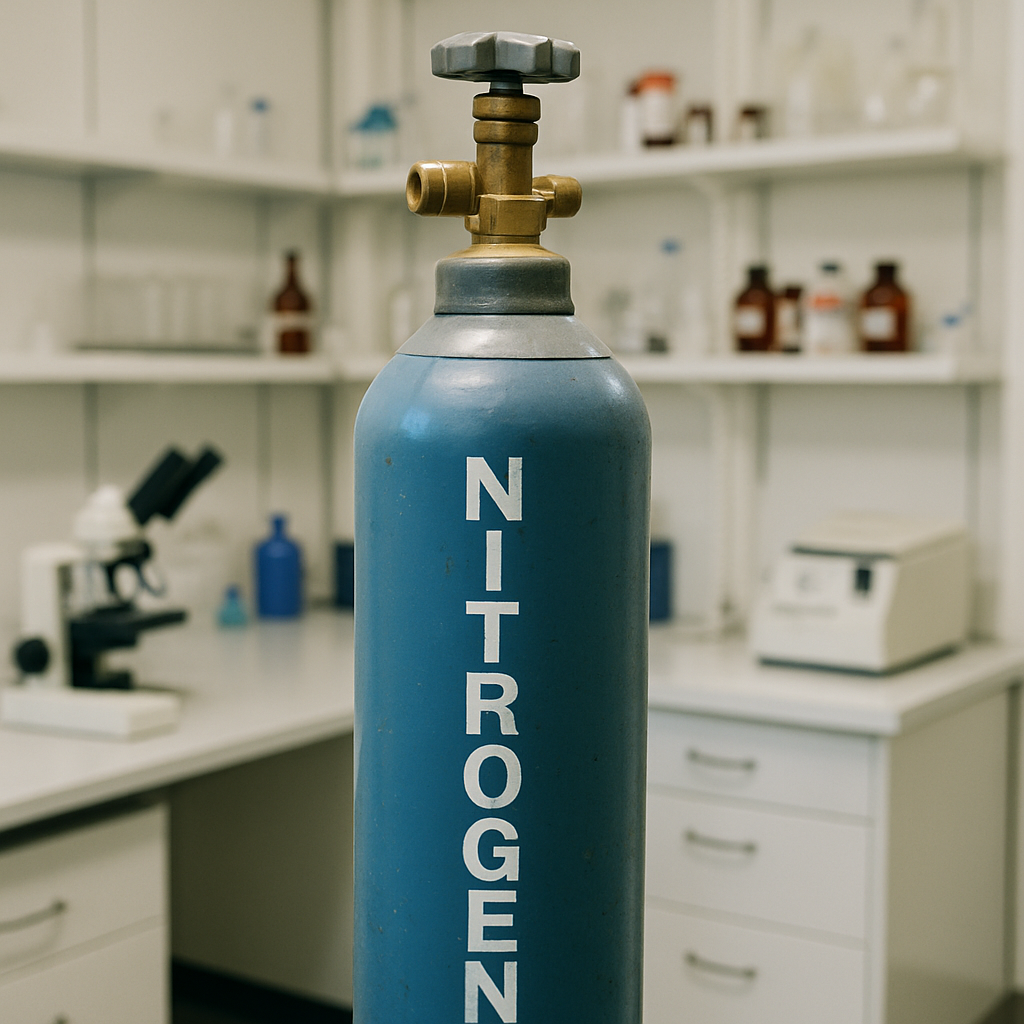
High-purity nitrogen is nitrogen gas that has been refined to remove impurities, achieving a purity level of 99.999% or higher. This high level of purity is crucial in various industrial applications, especially in electronics manufacturing, where contamination can lead to costly defects.
The Role of Nitrogen Gas Purity
Nitrogen gas purity is critical in maintaining the integrity of electronic components. Contaminants such as oxygen, water vapor, and other particulates can cause oxidation or unwanted chemical reactions. By using high-purity nitrogen, manufacturers can ensure a clean environment that minimizes these risks, leading to higher quality and more reliable electronic products.
Why High-Purity Nitrogen is Essential in Electronics
Preventing Oxidation
Oxidation is a major concern in electronics manufacturing. When metals used in electronic components are exposed to oxygen, they can form oxides, which may lead to poor conductivity or even failure. High-purity nitrogen acts as a protective blanket, displacing oxygen and preventing oxidation during key processes such as soldering and reflow.
Enhancing Soldering Processes
Soldering is a critical step in assembling electronic circuits. The presence of impurities during soldering can lead to weak joints and unreliable connections. High-purity nitrogen ensures a controlled atmosphere, reducing the likelihood of defects and improving the quality of solder joints.
Improving Yield and Reducing Waste
By minimizing defects, high-purity nitrogen helps improve the yield of electronic manufacturing processes. Fewer defects mean less waste, which not only reduces costs but also enhances environmental sustainability. This efficiency is particularly crucial in high-volume production settings where even small improvements can lead to significant savings.
Applications of High-Purity Nitrogen in Electronics
Semiconductor Manufacturing
In semiconductor manufacturing, precision is key. High-purity nitrogen is used to create an inert atmosphere that is free from contaminants, ensuring the integrity of delicate semiconductor wafers. This controlled environment is vital for processes such as chemical vapor deposition and plasma etching.
Printed Circuit Board (PCB) Assembly
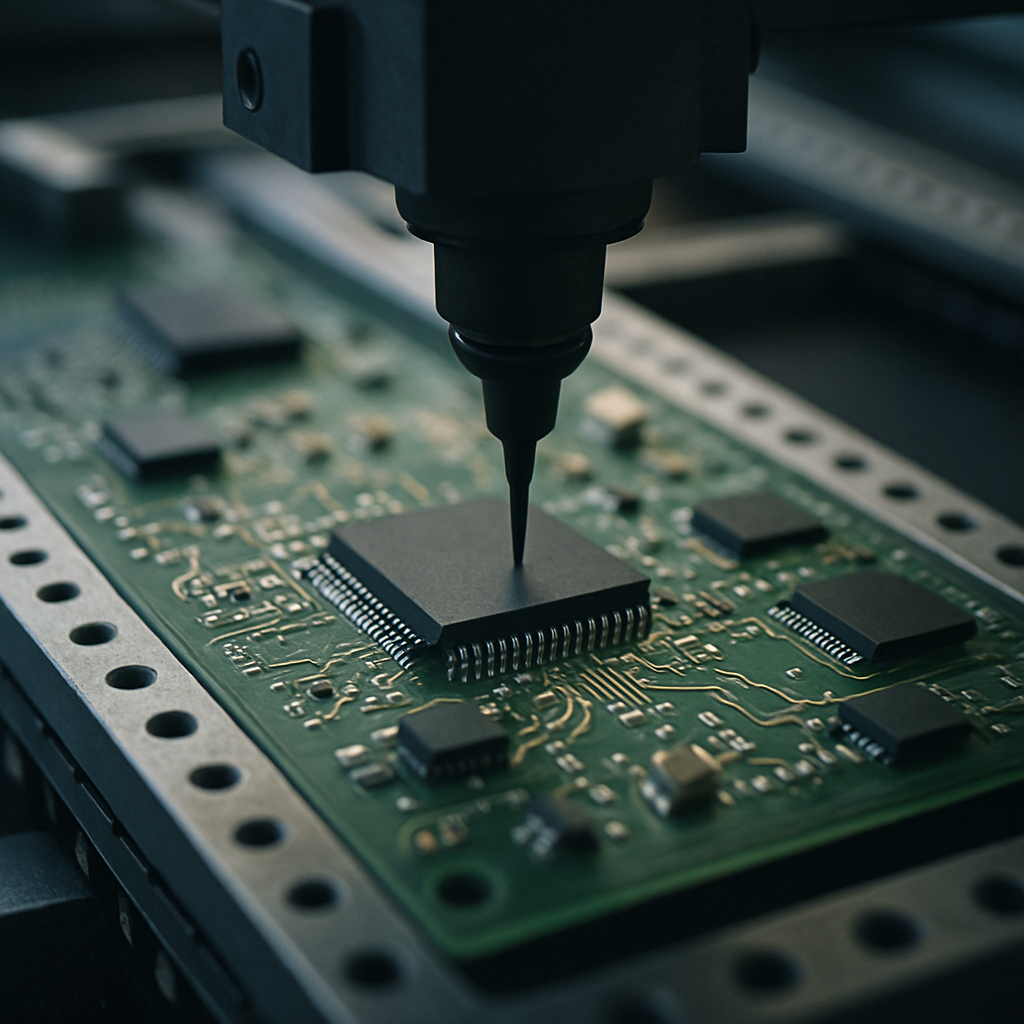
During PCB assembly, high-purity nitrogen is used to reduce oxidation and improve solder wetting. This results in stronger, more reliable connections between components and the PCB, ultimately enhancing the performance and longevity of the final product.
Storage and Packaging
High-purity nitrogen is also employed in the storage and packaging of sensitive electronic components. By purging moisture and oxygen from packaging, it helps extend the shelf life of components and protects them from environmental damage.
Benefits of Using High-Purity Nitrogen
 by wang xiong (https://unsplash.com/@yuanzlu)
Cost-Effectiveness
While the initial investment in high-purity nitrogen systems may be higher, the long-term benefits far outweigh the costs. By reducing defects and improving yield, manufacturers can achieve significant cost savings. Additionally, the enhanced quality of products can lead to increased customer satisfaction and brand loyalty.
Environmental Impact
Using high-purity nitrogen contributes to more sustainable manufacturing practices. By reducing defects and waste, companies can lower their environmental footprint. Furthermore, nitrogen is a naturally abundant gas, and its use does not deplete non-renewable resources.
Quality and Reliability
The primary advantage of high-purity nitrogen in electronics manufacturing is the significant improvement in product quality and reliability. Consumers expect electronic devices to be durable and efficient, and high-purity nitrogen helps manufacturers meet these expectations by minimizing defects and ensuring consistent performance.
Conclusion
In the competitive world of electronics manufacturing, the use of high-purity nitrogen is a critical component in achieving high quality and reliability. By preventing oxidation, enhancing soldering processes, and improving overall yield, high-purity nitrogen plays an essential role in reducing defects and ensuring the success of electronic products. As technology continues to advance, the importance of maintaining high standards in manufacturing will only grow, making high-purity nitrogen an invaluable asset in the electronics industry.
By understanding and implementing the use of high-purity nitrogen, manufacturers can not only improve their processes but also deliver superior products to the market, ensuring long-term success in an ever-evolving industry.