Nitrogen is a crucial component in various industries, especially when it comes to analytical instruments. The purity levels of nitrogen gas can significantly impact the performance and accuracy of these instruments. Understanding the importance of gas quality and nitrogen purity levels is essential for anyone working with analytical instruments. In this article, we will explore what nitrogen purity levels mean, why they matter, and how to test for purity.
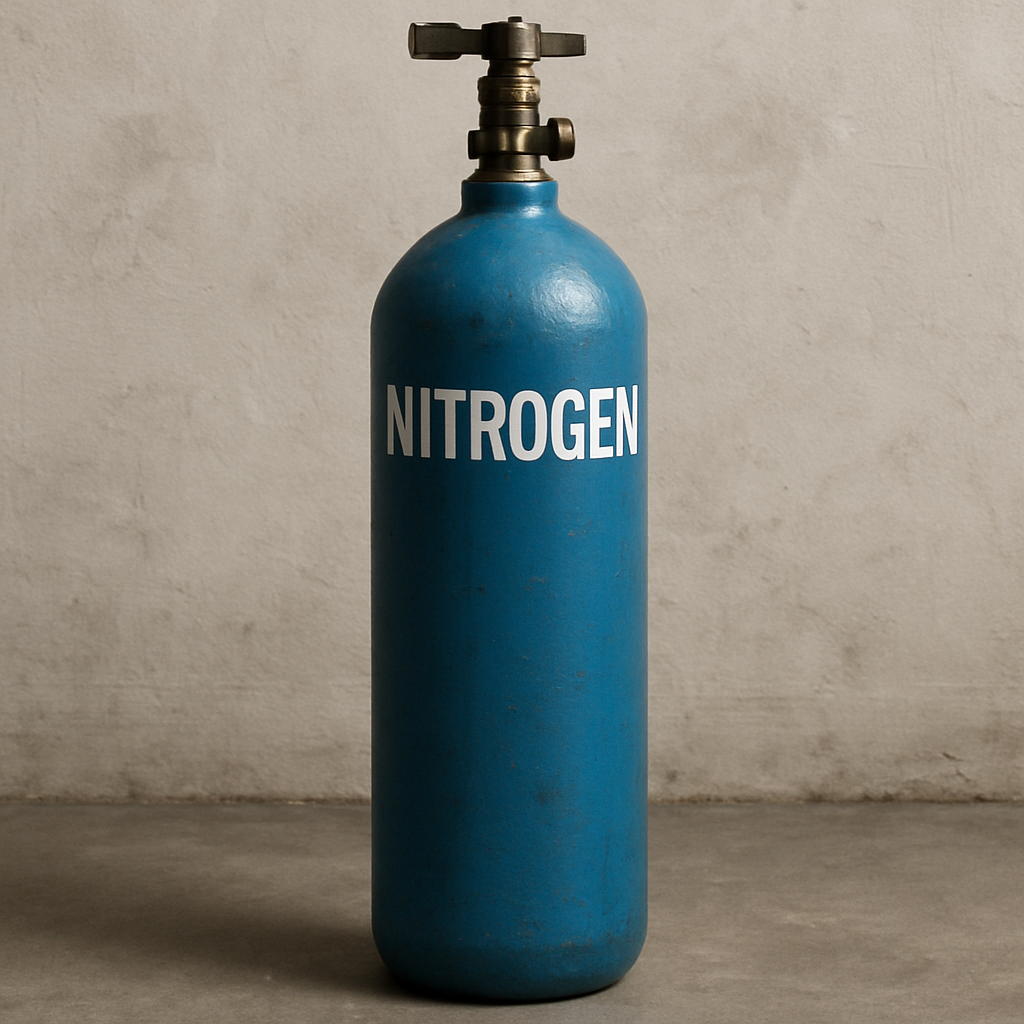
What Are Nitrogen Purity Levels?
Nitrogen purity levels refer to the amount of nitrogen present in a gas mixture compared to other gases or impurities. Purity is usually expressed as a percentage, indicating how much of the gas is pure nitrogen. For example, a nitrogen purity level of 99.99% means that the gas contains 99.99% nitrogen and only 0.01% impurities.
Common Purity Levels in the Industry
In the industrial setting, nitrogen is available at various purity levels, depending on the application:
- 95-98% Purity: Suitable for fire suppression, tire inflation, and some food packaging applications.
- 99-99.5% Purity: Used in chemical processes and lower-grade laboratory applications.
- 99.9% Purity: Commonly used in the electronics industry and for certain types of metal processing.
- 99.99% Purity: This high-purity nitrogen is used for more sensitive laboratory instruments and processes.
- 99.999% Purity: Known as ultra-high purity, it is critical for high-precision applications like gas chromatography and other sensitive analytical techniques.
Why Nitrogen Purity Matters
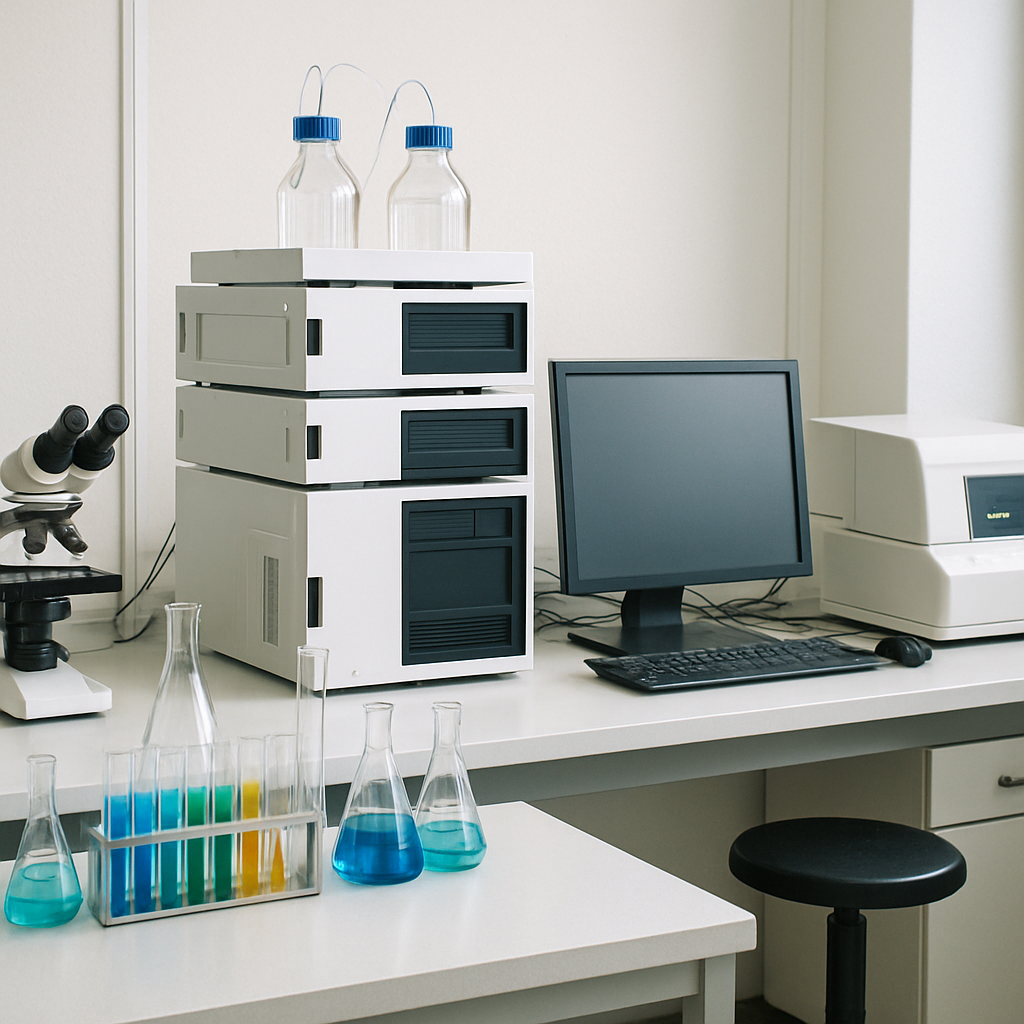
The purity of nitrogen gas can affect the results and reliability of analytical instruments. Here’s why it matters:
Accuracy and Precision
High-purity nitrogen ensures that there are minimal impurities interfering with analytical measurements. This is particularly important in applications like gas chromatography, where even trace amounts of contaminants can skew results.
Instrument Longevity
Using nitrogen with the appropriate purity level can extend the life of your analytical instruments. Impurities in the gas can cause wear and tear, leading to more frequent maintenance and potential downtime.
Safety
In certain applications, impurities in nitrogen can pose safety risks. For instance, in the food industry, using nitrogen with impurities could lead to contamination, affecting product quality and safety.
How to Test for Nitrogen Purity
Purity testing is crucial to ensure that the nitrogen gas meets the required specifications for your application. Here are some common methods:
Gas Chromatography
Gas chromatography is a technique used to separate and analyze compounds that can be vaporized without decomposition. It’s highly effective for determining the purity of nitrogen gas by identifying the types and quantities of impurities present.
Mass Spectrometry
Mass spectrometry can be used alongside gas chromatography to provide detailed information about the molecular composition of the gas. This method is particularly useful for identifying trace impurities.
Online Analyzers
For continuous monitoring of nitrogen purity, online analyzers can be installed within the gas supply line. These devices provide real-time data on gas purity levels, ensuring consistent gas quality for sensitive applications.
Choosing the Right Nitrogen Purity for Your Application
Selecting the correct nitrogen purity level depends on the specific needs of your application. Here are some factors to consider:
Application Sensitivity
For highly sensitive applications, such as those involving high-precision instruments, opt for ultra-high purity nitrogen (99.999%). Less sensitive applications may not require such high purity levels and can function well with lower purity nitrogen.
Cost Considerations
Higher purity nitrogen is generally more expensive due to the additional processing required to remove impurities. Consider the balance between cost and the criticality of purity for your application.
Supplier Reputation
Choose a reputable supplier who can consistently provide nitrogen at the purity level you require. Reliable suppliers will provide certification and documentation verifying the gas quality.
Conclusion
Understanding nitrogen purity levels and their impact on analytical instruments is critical for ensuring accurate results, maintaining equipment, and ensuring safety. By choosing the right purity level and employing appropriate purity testing methods, you can optimize the performance of your analytical instruments and achieve reliable outcomes in your applications.
 by Michael (https://unsplash.com/@michael75)
Remember, whether you’re working in a laboratory, a manufacturing facility, or any other environment where nitrogen is used, the purity of the gas can make all the difference. Make informed decisions to ensure the best results for your analytical needs.