Tomato plants are a favorite among home gardeners. They are known for their vibrant fruit and lush foliage. However, maintaining their health requires careful attention to nutrient levels.
Nitrogen is a crucial nutrient for tomato plants. It supports their growth and development. Without enough nitrogen, plants can suffer from stunted growth and yellowing leaves.
Identifying nitrogen deficiency early is key to preventing long-term damage. Recognizing the signs can help you take swift action to restore plant health.
This guide will explore the signs of nitrogen deficiency in tomato plants. It will also provide practical solutions to ensure your plants thrive.
Why Nitrogen Matters for Tomato Plant Care
Nitrogen is vital for tomato plants because it is a primary building block for plant growth. It plays a crucial role in producing chlorophyll, which plants need for photosynthesis.
Without sufficient nitrogen, tomato plants cannot produce the energy needed to grow strong and healthy. Poor energy levels result in weak stems, small leaves, and reduced fruit yield.
Here’s why nitrogen is essential:
- Supports vigorous leaf and stem growth
- Enhances chlorophyll production for photosynthesis
- Aids in protein synthesis
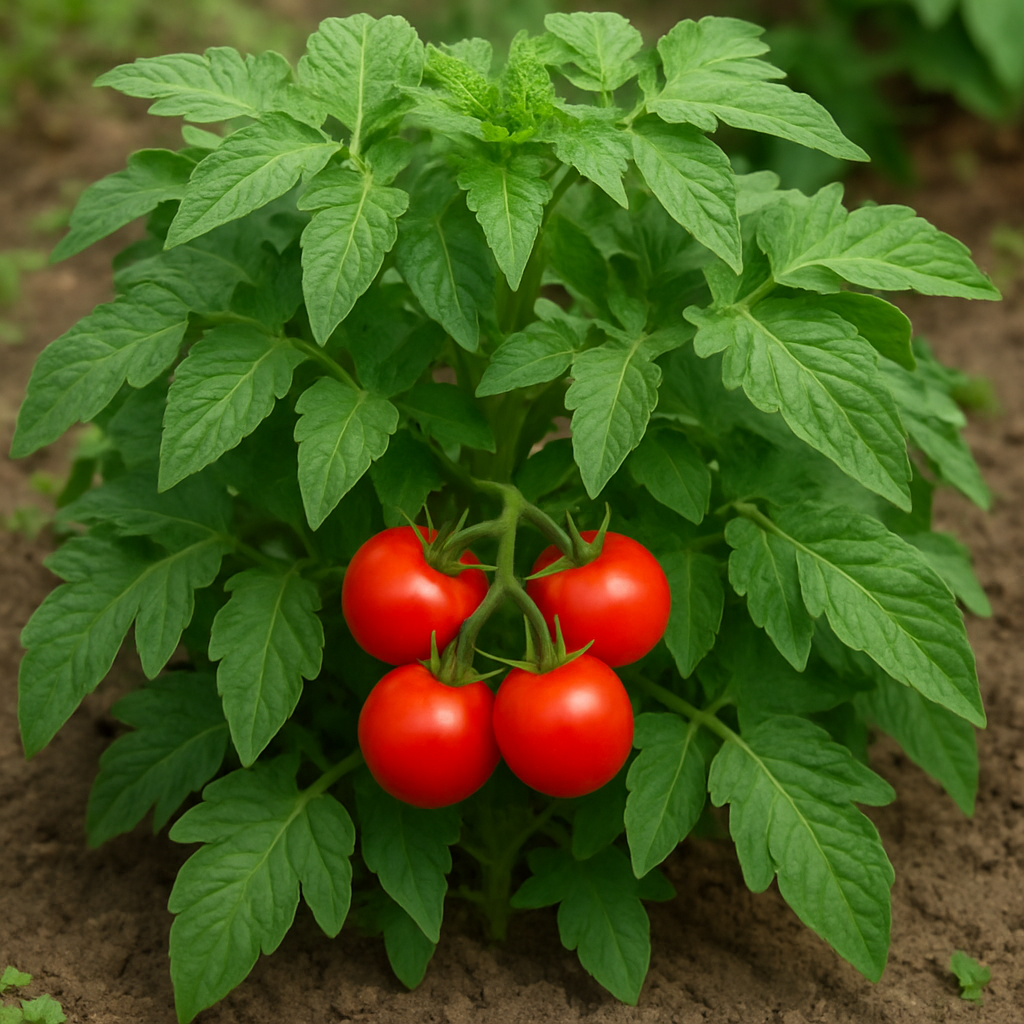
Understanding the importance of nitrogen helps ensure your tomato plants reach their full potential. Providing adequate nitrogen is essential for vibrant, productive plants.
Common Signs of Nitrogen Deficiency in Tomato Plants
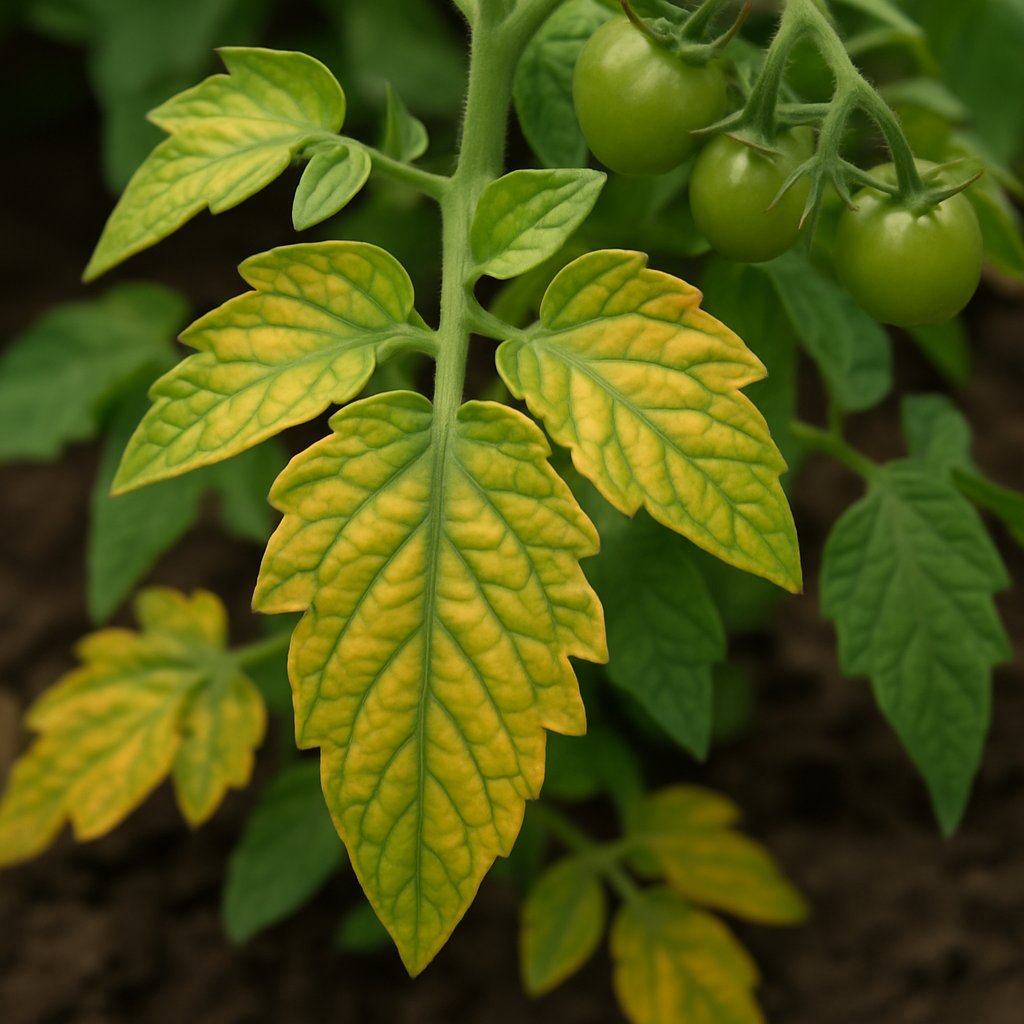
Nitrogen deficiency is a common issue that tomato growers face. Recognizing the signs early can save your plants from serious harm. One of the earliest symptoms is yellowing of the older, lower leaves.
This yellowing begins at the leaf tips and edges, gradually spreading inward. As nitrogen is a mobile nutrient, the plant redirects it to the new growth, causing older leaves to suffer.
Stunted growth can follow, with the plant looking weak and dwarfed. Thin stems and undersized leaves can also develop, indicating poor nitrogen supply.
Look out for the following signs:
- Yellowing of older leaves
- Thin and weak stems
- Reduced growth and yield
It’s essential to note that yellow leaves could indicate other issues, such as overwatering or pest problems. However, consistent yellowing, paired with reduced growth, often points to nitrogen deficiency.
Monitoring these signs closely ensures early action. Observing the symptoms helps safeguard the health and productivity of your plants.
Causes of Nitrogen Deficiency in Tomato Plants
Understanding the causes behind nitrogen deficiency is crucial for effective tomato plant care. Several factors contribute to this nutrient imbalance.
Firstly, poor soil quality can lead to low nitrogen levels. Often, over-farming exhausts soil nutrients and reduces its fertility over time.
Another common cause is improper fertilizing practices. Some gardeners use low-nitrogen fertilizers or fertilize insufficiently, which deprives plants of needed nutrients.
Environmental conditions may play a role. High rainfall can leach nitrogen from the soil, leaving plants deficient.
Key causes include:
- Poor soil quality
- Inadequate fertilization
- Environmental factors like heavy rain
Identifying these factors helps in taking preventive steps and ensuring the health of your tomato plants.
How to Diagnose Nitrogen Deficiency in Tomatoes
Diagnosing nitrogen deficiency involves observing specific symptoms in your tomato plants. Identifying these signs early can help you take corrective actions before it’s too late.
Look for yellowing leaves on the lower part of the plant. This symptom often marks the early stages of nitrogen deficiency. Additionally, stunted growth and poor fruit development might indicate a lack of nitrogen.
To confirm, consider a simple soil test. Soil testing kits are available at many garden centers and can provide precise information about nutrient levels.
Symptoms to check include:
- Yellowing lower leaves
- Stunted growth
- Poor fruit production

by David Lang (https://unsplash.com/@davidlangfyi)
By combining visual clues with soil tests, you ensure a more accurate diagnosis and better plant care.
Solutions: How to Fix Nitrogen Deficiency in Tomato Plants
Addressing nitrogen deficiency in tomato plants requires prompt action and the right approach. Fortunately, there are several effective solutions to correct this issue and boost plant health.
Start by applying a balanced fertilizer rich in nitrogen. Look for fertilizers specifically designed for vegetables to provide essential nutrients. Ensure you follow the recommended application rates to avoid over-fertilization.
Organic amendments can also improve soil nitrogen. Adding compost or well-rotted manure enriches the soil naturally. Additionally, consider using organic fertilizers like fish emulsion or blood meal for a natural nitrogen source.
Some quick fixes include:
- Applying nitrogen-rich fertilizers
- Adding compost or manure
- Using organic fertilizers like fish emulsion

by Nish Anil (https://unsplash.com/@nishanil)
Foliar feeding offers a rapid solution to nutrient deficiency. Spraying a diluted nitrogen-rich solution directly onto the leaves allows for quick absorption. This can temporarily alleviate deficiency symptoms and support plant recovery.
Prevent future deficiencies by incorporating legumes like peas or beans in your garden. They naturally enhance soil nitrogen through nitrogen fixation. Additionally, practice crop rotation and adequate spacing to ensure optimal nutrient availability.
Preventive strategies include:
- Companion planting with legumes
- Practicing crop rotation
- Maintaining proper plant spacing
By adopting these solutions, you’ll restore your tomato plants’ health and boost their productivity.
Preventing Nitrogen Deficiency: Best Practices for Fertilizing Tomato Plants
Preventing nitrogen deficiency in tomato plants starts with proper fertilization techniques. Consistency is key to maintaining the right nutrient balance throughout the growing season.
It’s essential to use slow-release fertilizers to ensure a steady supply of nitrogen. This approach prevents sudden nutrient drops and promotes sustained plant growth. Applying fertilizers every 4-6 weeks keeps tomatoes well-fed and healthy.
Soil testing is crucial for understanding existing nutrient levels. By identifying deficiencies early, you can tailor fertilization to meet specific needs. Aim to maintain soil pH between 6.0 and 6.8 for optimal nutrient uptake.
Prevention tips include:
- Using slow-release fertilizers
- Conducting regular soil tests
- Ensuring adequate soil pH

by You Le (https://unsplash.com/@le_y0u)
Balanced nutrition doesn’t stop with nitrogen; tomatoes thrive on a mix of macronutrients and micronutrients. Consistent monitoring and timely interventions can help achieve a flourishing tomato crop all season long.
Frequently Asked Questions About Tomato Plant Nitrogen Deficiency
Understanding nitrogen deficiency can be confusing for new gardeners. Here, we’ll answer some common questions to help clarify the topic.
What symptoms indicate nitrogen deficiency in tomatoes? Early signs include yellowing leaves, especially on older foliage. Growth may also become stunted.
How often should you fertilize tomato plants to prevent nitrogen deficiencies? For best results, consider fertilizing every 4-6 weeks.
Key FAQ points:
- Symptoms: Yellow leaves, stunted growth
- Fertilization frequency: Every 4-6 weeks
- Soil testing importance
By recognizing these issues early, you can take effective steps to support tomato plant health and ensure robust growth.
Conclusion: Healthy Tomato Plants Start with Balanced Nutrition
Nutrient balance is key to growing vibrant tomato plants. Proper nitrogen levels ensure robust plant growth and fruitful harvests.
Regularly monitor your garden’s health. Conduct soil tests and adjust your fertilizing practices as needed. This proactive approach will support the plants’ overall vitality.
Remember, healthy tomatoes require consistent care and attention. With these strategies, you can enjoy a bountiful yield and thriving garden.
Shenzhen Yuhan Electronic Technology Co., Ltd. and Suzhou Hongjinli Gas Equipment Co., Ltd. specialize in PSA nitrogen generators, oxygen generators, nitrogen purification systems, and gas equipment solutions. Our expertise spans industries including SMT manufacturing, semiconductor packaging, optoelectronics, and food and pharmaceutical storage.