Gas Chromatography-Mass Spectrometry (GC-MS) is a powerful analytical technique that combines the features of gas chromatography and mass spectrometry to identify different substances within a test sample. This method is widely used in various fields such as environmental testing, forensics, and food safety. In this article, we’ll explore the techniques and applications of GC mass spectrometry in a straightforward manner.
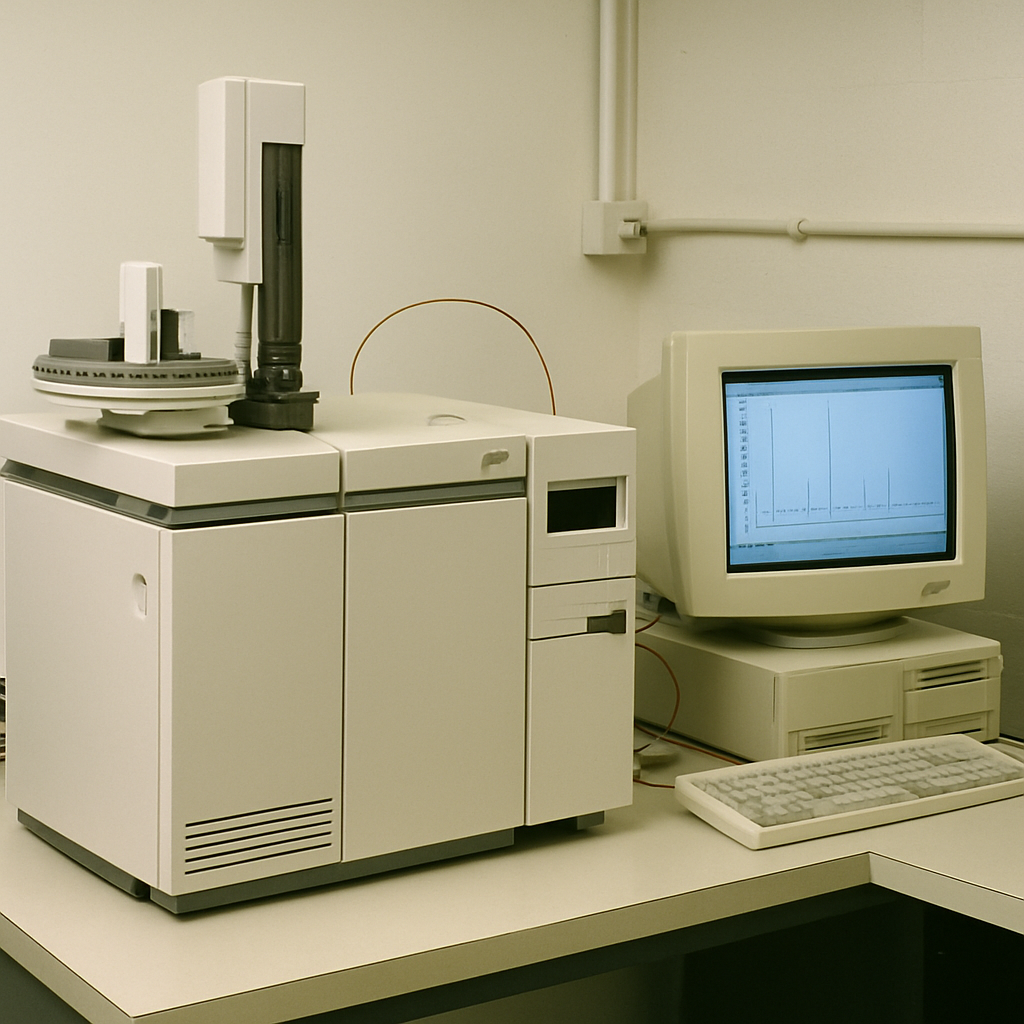
What is Gas Chromatography-Mass Spectrometry?
GC-MS is a method that allows scientists to separate and identify compounds from complex mixtures. It is particularly useful for volatile and semi-volatile substances. The process involves two main steps: gas chromatography (GC) and mass spectrometry (MS).
Gas Chromatography (GC)
Gas chromatography is the first step in the GC-MS process. In this step, a sample is vaporized and carried by an inert gas through a long, thin column filled with a stationary phase. This column separates the sample into its individual components based on their boiling points and interactions with the stationary phase.
Mass Spectrometry (MS)
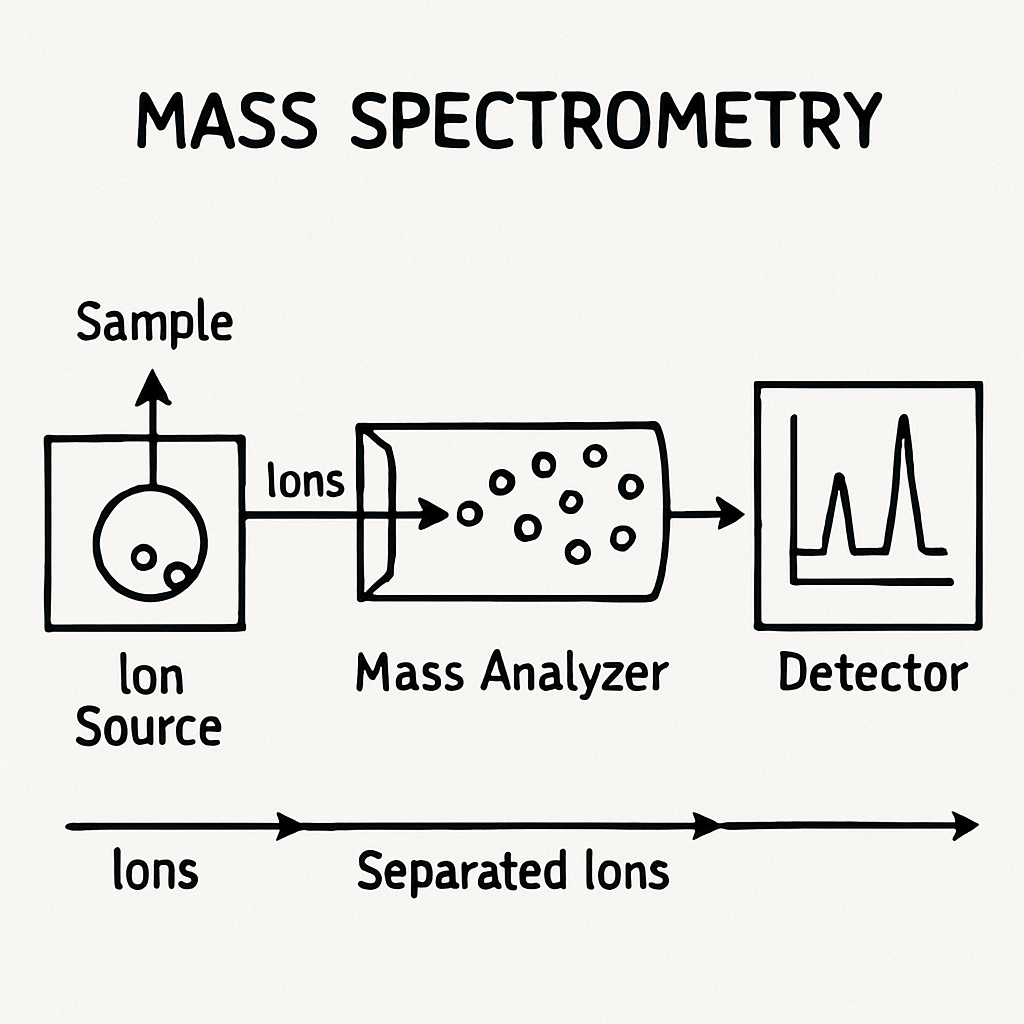
Once the components are separated by GC, they enter the mass spectrometer. Here, they are ionized, which means they are charged, and then broken down into fragments. The mass spectrometer measures the mass-to-charge ratio of these fragments, allowing scientists to identify the compounds based on their unique fragmentation patterns.
How Does GC Mass Spectrometry Work?
The GC-MS system works by vaporizing the sample, separating its components in the GC column, and then identifying each component with the mass spectrometer. Here is a step-by-step explanation of the process:
- Sample Introduction: The sample is injected into the GC where it is vaporized.
- Separation: The sample passes through the GC column where it is separated into individual compounds.
- Ionization: The separated compounds enter the MS where they are ionized by an electron beam.
- Detection: The ionized fragments are detected based on their mass-to-charge ratio.
- Identification: Each fragment is analyzed, and the compound is identified using a mass spectra library.
Applications of GC Mass Spectrometry
GC-MS is a versatile tool with numerous applications across various industries. Let’s explore some of the most common uses.
Environmental Testing
GC-MS is frequently used in environmental testing to detect pollutants and toxins. It is capable of identifying small quantities of contaminants in air, water, and soil samples. This capability is crucial for ensuring environmental safety and compliance with regulatory standards.
Forensic Science
In forensic science, GC-MS is invaluable for analyzing substances found at crime scenes. It can detect drugs, explosives, and other chemicals, providing crucial evidence in criminal investigations. Its ability to deliver precise and accurate results makes it a trusted tool in forensic labs.
 by Amplitude Magazin (https://unsplash.com/@amplitudemagazin)
Food Safety and Quality Control
The food industry relies on GC-MS to ensure product safety and quality. This technique is used to detect contaminants such as pesticides, additives, and other harmful chemicals in food products. By identifying these substances, manufacturers can ensure their products meet health and safety standards.
Pharmaceutical Industry
In the pharmaceutical industry, GC-MS is used for drug testing and development. It helps in analyzing the composition of pharmaceutical products and ensuring they are free from impurities. This technique is essential for maintaining the efficacy and safety of medications.
Advantages of GC Mass Spectrometry
GC-MS offers several advantages that make it a preferred choice in analytical chemistry:
- High Sensitivity: GC-MS can detect substances at very low concentrations, making it ideal for trace analysis.
- Specificity: The combination of GC and MS allows for precise identification of compounds based on their unique mass spectra.
- Versatility: It can analyze a wide range of substances, from small organic molecules to complex mixtures.
- Reliability: GC-MS provides consistent and reproducible results, which are essential for rigorous scientific research.
Challenges and Limitations
While GC-MS is a powerful tool, it does have some limitations:
- Complex Sample Preparation: Samples often require extensive preparation to be suitable for GC-MS analysis.
- High Cost: The equipment and maintenance costs for GC-MS systems can be significant.
- Limited to Volatile Compounds: GC-MS is best suited for volatile and semi-volatile compounds, limiting its use for certain non-volatile substances.
Conclusion
GC-MS is a sophisticated technique that combines gas chromatography and mass spectrometry to provide detailed analysis of complex mixtures. Its applications span across environmental science, forensics, food safety, and pharmaceuticals, making it an indispensable tool in many scientific fields. Despite its challenges, the benefits of GC-MS in providing accurate and reliable data are undeniable. Understanding and leveraging GC-MS can lead to significant advancements in analytical research and industry practices.
By understanding the principles and applications of GC-MS, scientists and industry professionals can harness this technology to improve safety, quality, and innovation in their respective fields.
Founded in 2013 and 2014, Shenzhen Yuhan Electronic Technology Co., Ltd. and Suzhou Hongjinli Gas Equipment Co., Ltd. specialize in PSA nitrogen generators, oxygen generators, nitrogen purification systems, and gas equipment solutions. Our expertise spans industries including SMT manufacturing, semiconductor packaging, optoelectronics, and food and pharmaceutical storage.