# Understanding GC Mass Spectrometry Techniques
Gas Chromatography-Mass Spectrometry (GC-MS) is a powerful analytical tool used in various fields, from environmental analysis to forensic science. This technique combines the features of gas chromatography and mass spectrometry to identify different substances within a test sample.
In this article, we’ll break down the basics of GC-MS, how it works, and its applications in various industries.
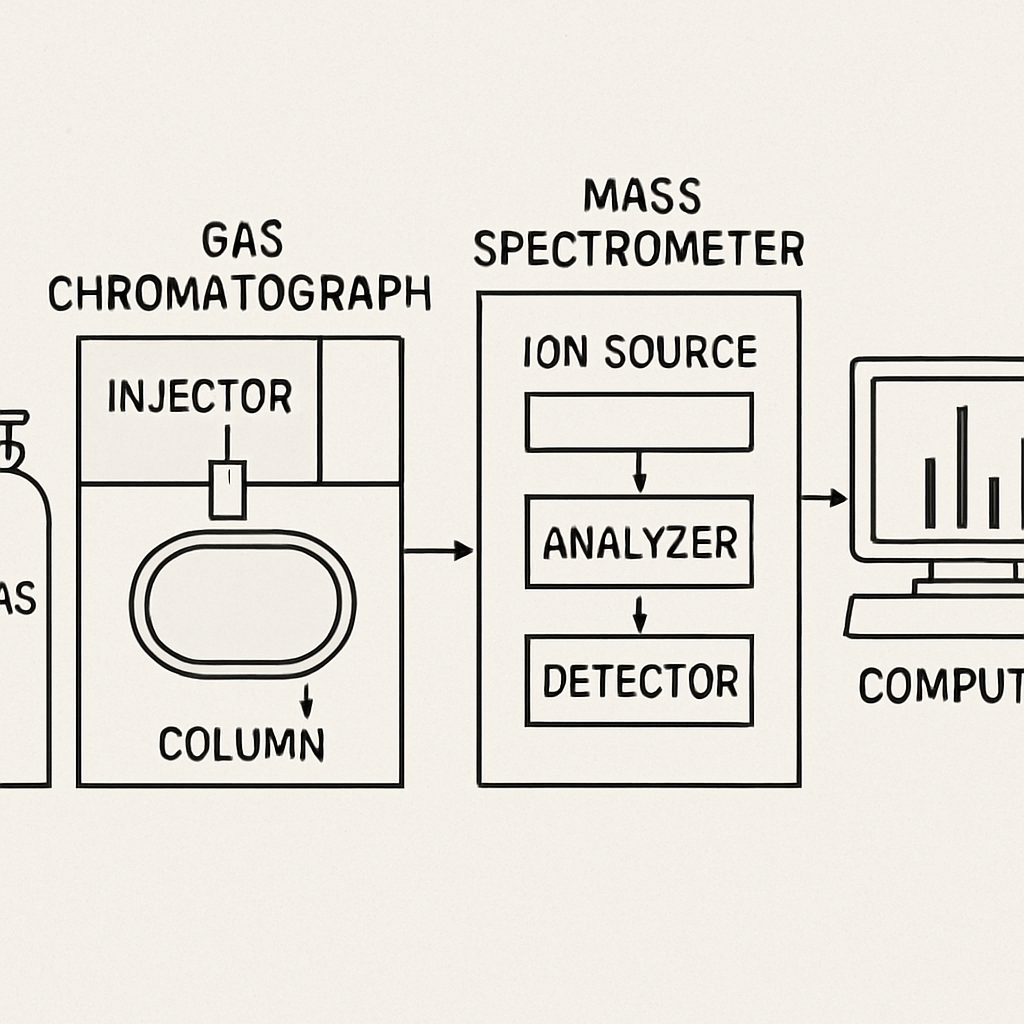
GC Mass Spectrometry, or GC-MS, is an analytical method that allows scientists to separate, identify, and quantify compounds in a sample. It combines two key techniques:
- Gas Chromatography (GC): This is the process of separating chemical mixtures based on their volatilities. It’s like a race where each compound in the mixture runs at its speed.
- Mass Spectrometry (MS): After separation, mass spectrometry identifies and quantifies the compounds by measuring the mass-to-charge ratio of their ions. Think of it as weighing the runners after they finish the race to know who they are.
Together, these techniques provide a detailed picture of the chemical composition of a sample.
How Does GC-MS Work?

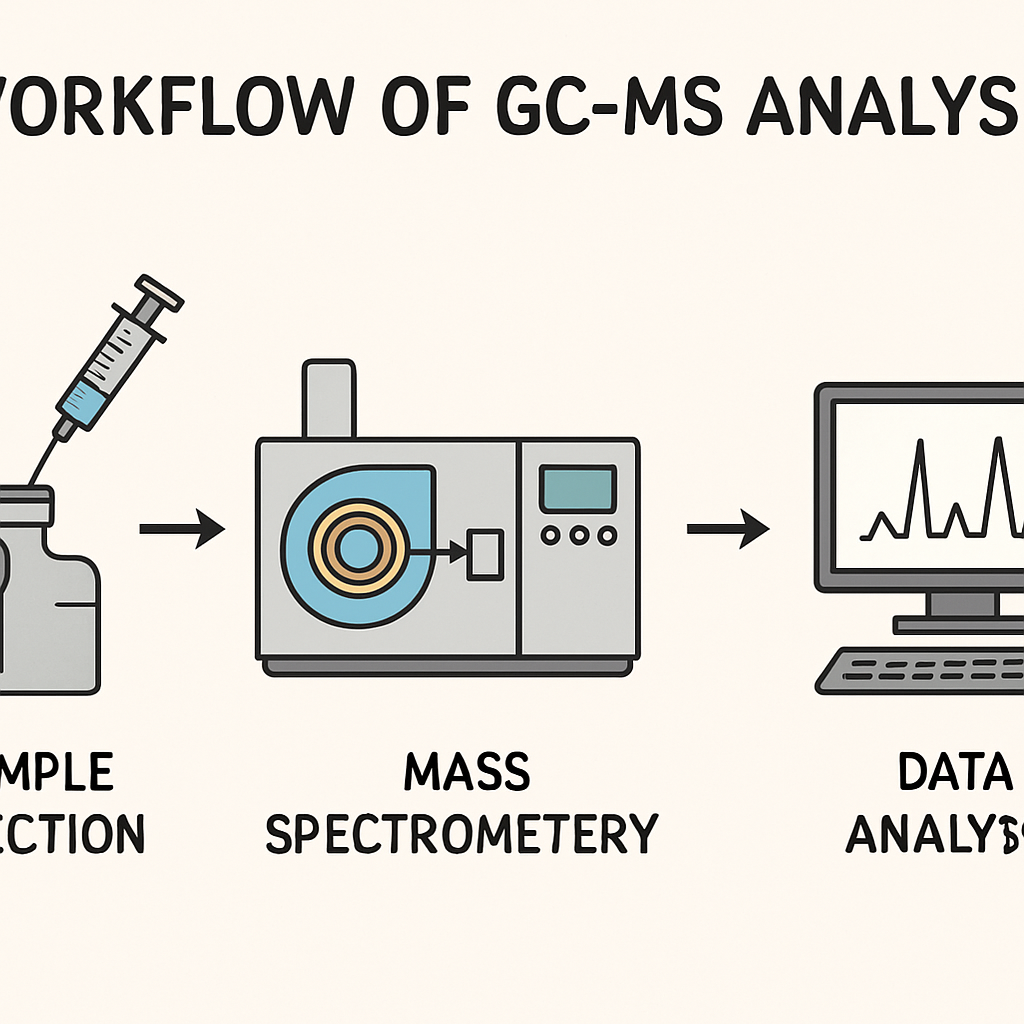
Step 1: Sample Preparation
Before analysis, the sample must be prepared. Depending on the sample type, this might involve dissolving it in a solvent or concentrating specific components. Proper sample prep is crucial as it influences the accuracy of the results.
Step 2: Gas Chromatography
The prepared sample is injected into the gas chromatograph. Here, it is vaporized and carried by an inert gas through a column coated with a liquid stationary phase. As the sample moves through the column, different compounds separate based on their boiling points and interactions with the stationary phase.
Step 3: Mass Spectrometry
Once separated, the compounds exit the column and enter the mass spectrometer. Here, they are ionized, which means they are broken into charged particles. These ions are then sorted by their mass-to-charge ratio.
Step 4: Detection and Analysis
The detector records the ions’ mass spectrum, a unique pattern that can be used to identify and quantify each compound. Advanced software then analyzes the data to give a detailed breakdown of the sample’s composition.
Applications of GC-MS
GC-MS is a versatile technique with applications in numerous fields:
Environmental Analysis
GC-MS is widely used in environmental studies to detect and quantify pollutants in water, air, and soil. It helps ensure compliance with environmental regulations and assesses the impact of pollutants on ecosystems.
Forensic Science
In forensic laboratories, GC-MS is an essential tool for analyzing substances found at crime scenes. It helps identify drugs, explosives, and toxins with high precision, providing vital evidence in criminal investigations.
Food and Beverage Industry
GC-MS ensures food safety by detecting contaminants and verifying the authenticity of flavors and fragrances. It’s used to test for pesticides, preservatives, and other additives, ensuring products meet health standards.
Clinical and Pharmaceutical Research
In the medical field, GC-MS plays a role in drug testing, toxicology, and metabolic studies. It helps in the development of new medications and the monitoring of therapeutic drug levels in patients.
Advantages of GC-MS
 by Nikita Pishchugin (https://unsplash.com/@nikita_pishchugin)
GC-MS offers several advantages over other analytical techniques:
- High Sensitivity and Specificity: It can detect even trace amounts of substances with great precision.
- Comprehensive Analysis: The combination of GC and MS provides a detailed profile of complex mixtures.
- Versatility: Suitable for a wide range of applications, from simple to complex analyses.
- Automation: Modern GC-MS systems are automated, increasing efficiency and throughput.
Challenges and Limitations
While GC-MS is powerful, it has some limitations:
- Cost: GC-MS equipment can be expensive, making it less accessible for smaller laboratories.
- Complexity: Operating GC-MS requires specialized training and expertise.
- Sample Limitations: Not all compounds are amenable to GC-MS analysis, particularly non-volatile or thermally unstable substances.
Conclusion
Gas Chromatography-Mass Spectrometry is a cornerstone analytical technique with broad applications across various industries. Its ability to separate and identify compounds with high precision makes it invaluable for environmental monitoring, forensic analysis, and quality control in food and pharmaceuticals.
Understanding GC-MS can empower scientists and industry professionals to harness its capabilities effectively, ensuring accurate and reliable results. Whether you’re a student, researcher, or professional, mastering the basics of GC-MS opens the door to a world of analytical possibilities.