When it comes to separating gases from a mixture, a Pressure Swing Adsorber (PSA) is an essential technology used in various industries. From producing high-purity nitrogen for food packaging to generating oxygen for medical applications, PSA systems are versatile and efficient. In this article, we’ll explore what a Pressure Swing Adsorber is, how it works, and why it’s a key player in gas separation processes.
Before diving into the mechanics of Pressure Swing Adsorbers, it’s crucial to understand their role in the industry.
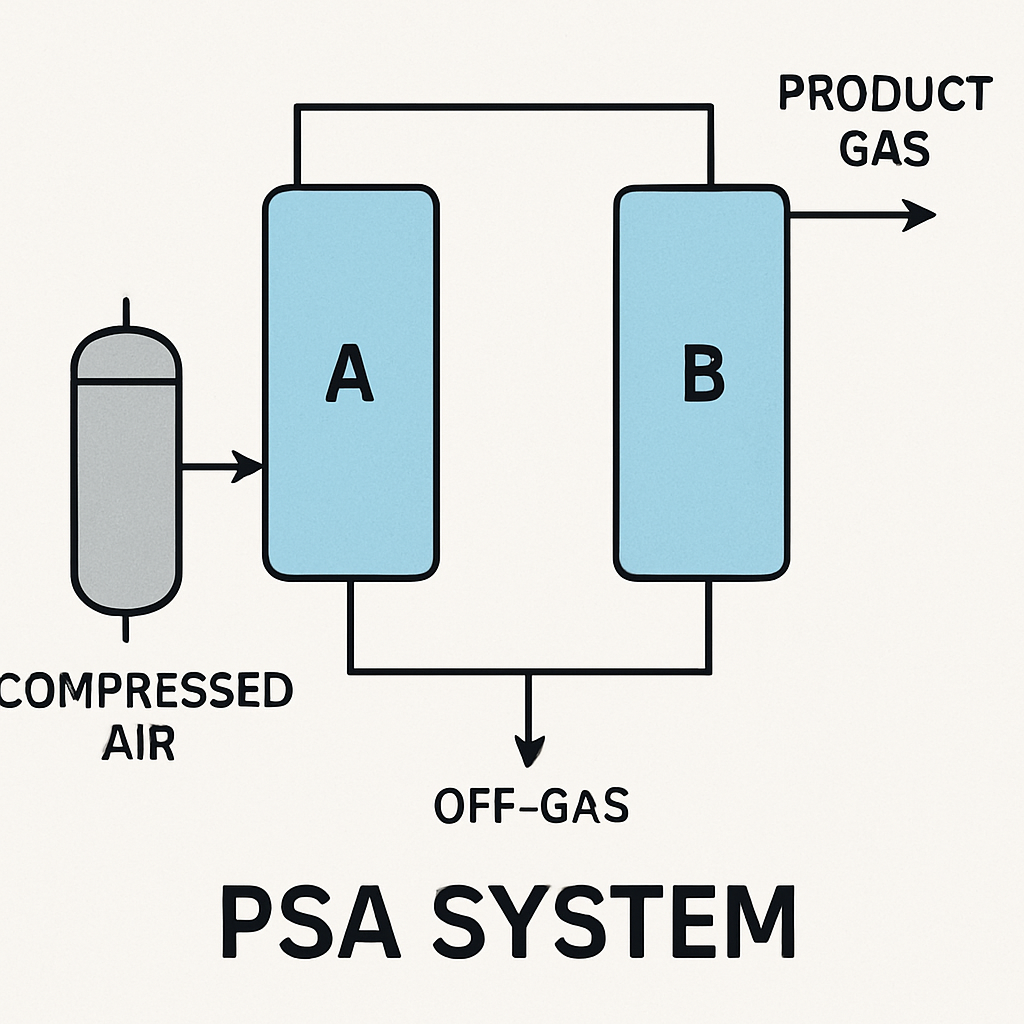
What is a Pressure Swing Adsorber?
A Pressure Swing Adsorber (PSA) is a device used to separate specific gases from a mixture of gases under pressure. It uses the principle of adsorption, where certain gases adhere to the surface of an adsorbent material while others pass through. By manipulating the pressure, PSA systems can effectively capture and release gases, achieving the desired separation.
Key Components of a PSA System
A typical PSA system consists of several key components:
- Adsorption Towers: These vessels contain the adsorbent material that captures specific gases.
- Adsorbent Material: Common materials include activated carbon, zeolites, or molecular sieves, chosen based on the gases being separated.
- Valves and Piping: These control the flow and pressure of gases within the system.
- Control System: Manages the operation of the PSA, ensuring optimal performance.
How Does a Pressure Swing Adsorber Work?
The operation of a PSA system involves a cycle of adsorption and desorption, utilizing pressure changes to separate gases.
The Adsorption Phase
In the adsorption phase, the gas mixture is introduced into the PSA system under high pressure. As the mixture passes through the adsorption tower, the adsorbent material captures specific gases from the mixture. For example, if the goal is to produce nitrogen, the adsorbent will capture oxygen and other impurities, allowing nitrogen to pass through.
The Desorption Phase
Once the adsorbent material is saturated with the captured gases, the system enters the desorption phase. By reducing the pressure, the captured gases are released from the adsorbent material. This regenerates the adsorbent, making it ready for the next cycle of adsorption.
Repeating the Cycle
The PSA process is cyclical, with the adsorption and desorption phases repeating continuously. This allows for a steady supply of the desired gas with high purity.
Advantages of Pressure Swing Adsorber Design
PSA systems offer several benefits that make them a preferred choice for gas separation.
High Purity Levels
One of the significant advantages of PSA systems is their ability to produce gases with high purity levels. This is crucial for applications such as medical oxygen production, where impurities can have severe consequences.
Energy Efficiency
PSA systems are designed to be energy-efficient, utilizing pressure changes rather than chemical reactions or high temperatures to achieve gas separation. This results in lower operational costs compared to other methods.
Versatility
PSA systems can be tailored to separate different gas mixtures by selecting appropriate adsorbent materials. This versatility makes them suitable for a wide range of industries, from petrochemicals to food packaging.
Applications of Pressure Swing Adsorbers
 by Yung Chang (https://unsplash.com/@yungnoma)
Pressure Swing Adsorbers are used in various industries, each benefiting from the technology’s efficiency and reliability.
Oxygen Generation
In healthcare, PSA systems are critical for producing medical-grade oxygen. Hospitals and clinics rely on these systems to provide a constant supply of oxygen for patient care.
Nitrogen Production
PSA systems are widely used in industries requiring nitrogen, such as food packaging, where nitrogen is used to displace oxygen and extend shelf life.
Hydrogen Purification
In the refining and chemical industries, PSA systems are used to purify hydrogen. This is essential for processes such as ammonia production and fuel cell technology.
Challenges and Considerations in PSA System Design
While PSA systems offer numerous benefits, there are challenges and considerations to keep in mind during the design process.
Selecting the Right Adsorbent Material
Choosing the appropriate adsorbent material is critical for the effective operation of a PSA system. The material must have a high affinity for the target gas and be durable enough to withstand repeated adsorption and desorption cycles.
Managing Pressure and Flow
Proper management of pressure and flow rates is essential to maintain optimal performance. Inadequate control can lead to reduced efficiency and increased wear on system components.
Maintenance and Upkeep
Regular maintenance is necessary to ensure the longevity and reliability of a PSA system. This includes checking for valve leaks, monitoring adsorbent condition, and ensuring the control system functions correctly.
Conclusion
Pressure Swing Adsorbers are a cornerstone of modern gas separation technology, offering high purity, energy efficiency, and versatility. By understanding how PSA systems work and the factors influencing their design, industries can leverage these systems to meet their gas separation needs effectively. Whether it’s producing medical oxygen or purifying hydrogen, PSA systems play a vital role in ensuring the availability and purity of essential gases.
Founded in 2013 and 2014, Shenzhen Yuhan Electronic Technology Co., Ltd. and Suzhou Hongjinli Gas Equipment Co., Ltd. specialize in PSA nitrogen generators, oxygen generators, nitrogen purification systems, and gas equipment solutions. Our expertise spans industries including SMT manufacturing, semiconductor packaging, optoelectronics, and food and pharmaceutical storage.