# Benefits of Nitrogen Generators in Food Packaging
In the world of food packaging, maintaining the freshness and quality of products is paramount. One of the most effective methods to achieve this is through the use of nitrogen. Nitrogen generators have become an invaluable tool in the food packaging industry, offering numerous benefits that help preserve food and extend its shelf life. In this article, we’ll explore the key advantages of using nitrogen generators in food packaging and how they contribute to maintaining product quality.
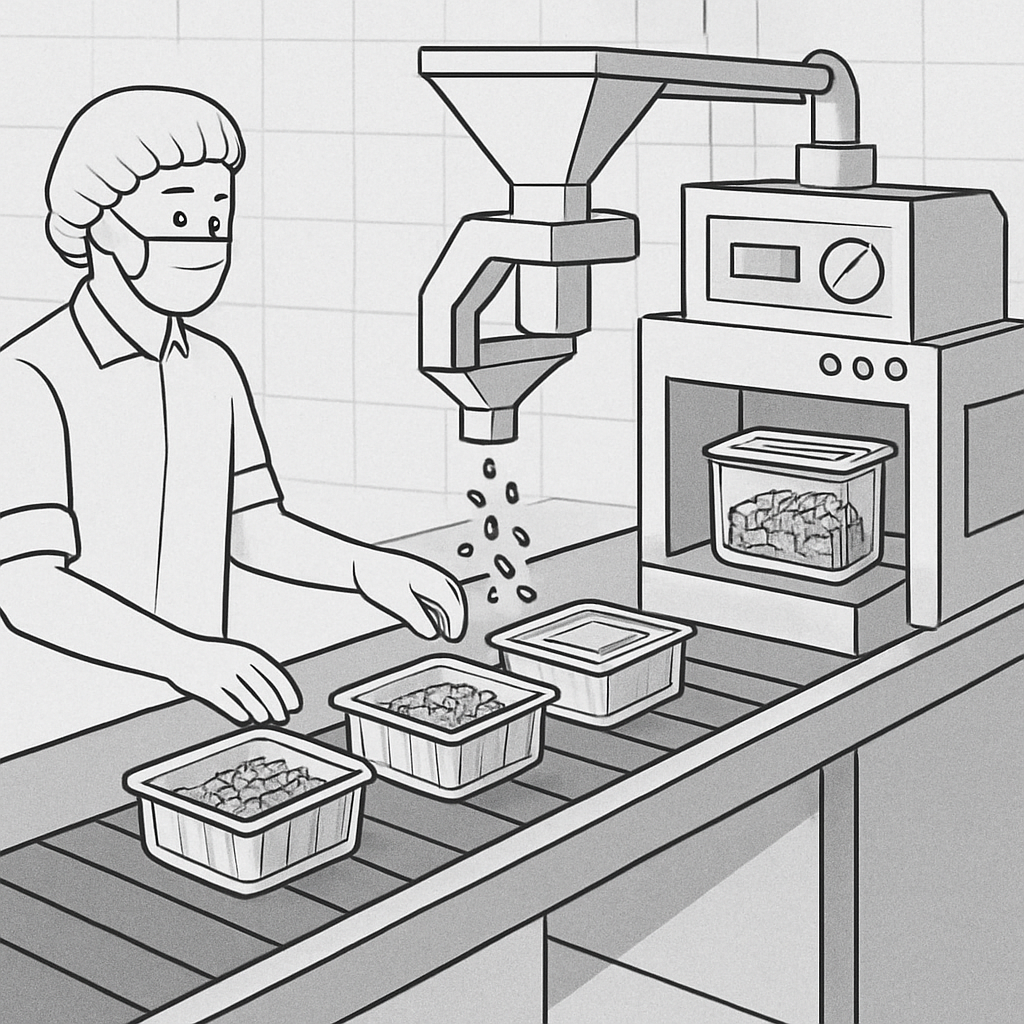
Nitrogen packaging involves replacing the oxygen inside food packaging with nitrogen gas. Oxygen can cause food spoilage by promoting the growth of bacteria and mold. By reducing the oxygen level and replacing it with nitrogen, food spoilage is significantly slowed, thus preserving the freshness and taste of the product. This is often referred to as Modified Atmosphere Packaging (MAP).
Advantages of Using Nitrogen in Food Packaging
Increased Shelf Life
One of the most significant benefits of using nitrogen in food packaging is the increased shelf life of products. Nitrogen creates an environment that slows down the oxidation process, which is a major cause of food spoilage. By using nitrogen gas, companies can keep their products fresh for longer periods, reducing waste and improving profitability.
Preservation of Flavor and Texture
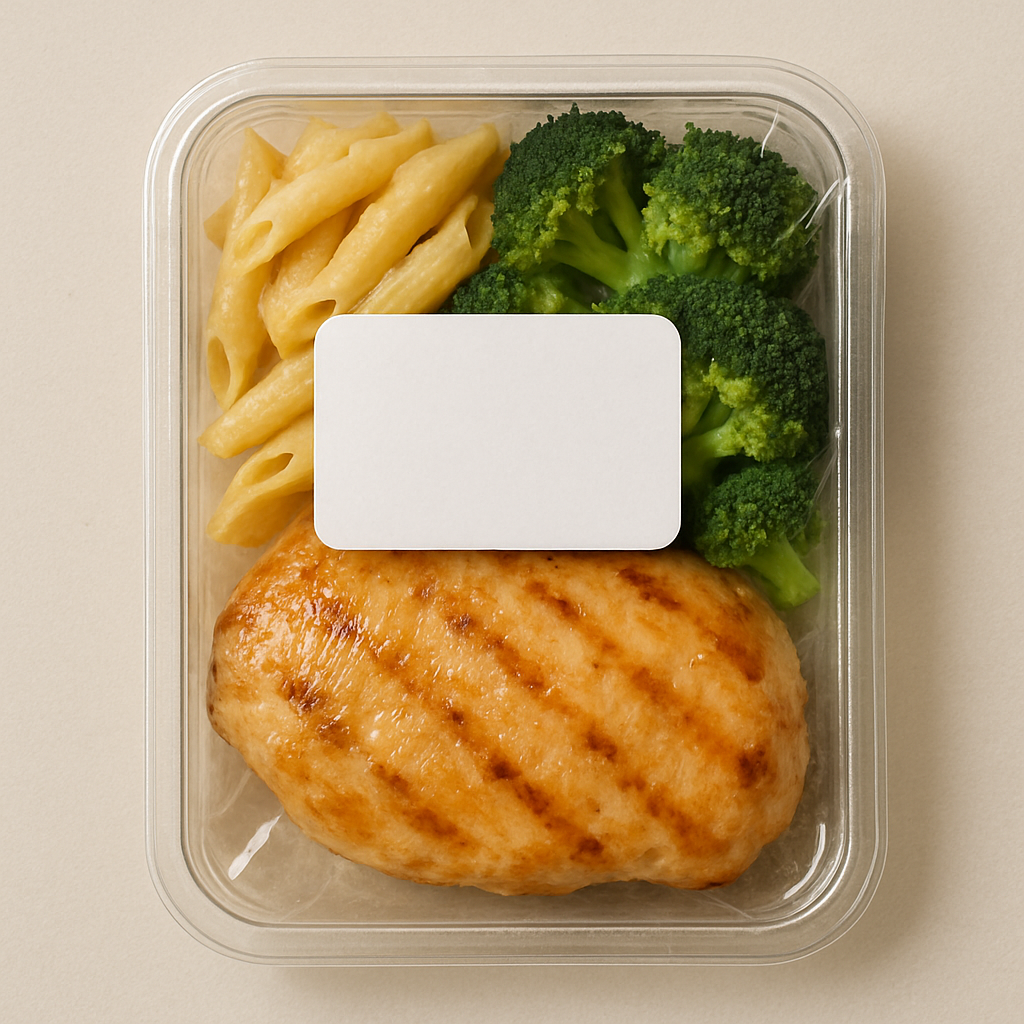
Nitrogen not only helps in preserving the shelf life of food but also maintains its flavor and texture. Foods like chips and snacks retain their crunchiness, and the flavor profile remains intact when packaged with nitrogen. This is because nitrogen prevents the moisture and oxygen that can lead to soggy textures and stale flavors.
Reduced Dependency on Preservatives
Using nitrogen gas in food packaging reduces the need for chemical preservatives. By creating a protective atmosphere inside the packaging, the growth of microorganisms is inhibited naturally. This is a significant advantage for consumers seeking cleaner labels and for manufacturers aiming to reduce artificial additives in their products.
Cost-Effectiveness
Investing in a nitrogen generator for food packaging can be cost-effective in the long run. While the initial investment might seem substantial, the savings from reduced spoilage and extended product shelf life can offset the costs. Additionally, producing nitrogen on-site eliminates the need for purchasing and storing nitrogen gas cylinders, further reducing costs.
How Nitrogen Generators Work
Nitrogen generators are devices that produce nitrogen gas on-demand. They work by extracting nitrogen from the surrounding air, which is composed of about 78% nitrogen. The generators utilize either membrane or pressure swing adsorption (PSA) technology to separate nitrogen from oxygen and other gases.
Membrane Technology
In membrane nitrogen generators, air is passed through a semi-permeable membrane that allows nitrogen to pass through while filtering out oxygen and other gases. This method is efficient and suitable for applications requiring lower nitrogen purity.
Pressure Swing Adsorption (PSA) Technology
PSA nitrogen generators use a material called carbon molecular sieve to adsorb oxygen from the air, leaving behind nitrogen. This method is ideal for applications requiring high-purity nitrogen gas. PSA technology is often preferred in the food packaging industry due to its ability to produce nitrogen with purity levels of up to 99.999%.
Applications of Nitrogen Generators in Food Packaging
 by Sunil GC (https://unsplash.com/@sgc908)
Nitrogen generators are versatile and can be used in a wide range of food packaging applications, including:
Snack Foods
Chips, nuts, and other snack foods benefit greatly from nitrogen packaging. The nitrogen atmosphere helps maintain their crispness and flavor while extending their shelf life.
Coffee and Tea
Nitrogen packaging is commonly used for coffee and tea to preserve their rich aroma and flavors. By preventing oxidation, nitrogen keeps these products fresh for longer periods.
Meat and Dairy Products
Nitrogen generators are also used in packaging meat and dairy products. By reducing the oxygen content, spoilage and bacterial growth are minimized, ensuring freshness and safety for consumers.
Environmental Benefits
In addition to the advantages for food quality, nitrogen generators offer environmental benefits. On-site nitrogen generation reduces the need for transportation and storage of nitrogen cylinders, lowering carbon emissions associated with these activities. Furthermore, by extending the shelf life of products, food waste is reduced, contributing to more sustainable practices.
Conclusion
The use of nitrogen generators in food packaging is a game-changer for the industry. With benefits such as increased shelf life, preserved flavor and texture, reduced need for preservatives, and cost-effectiveness, nitrogen gas is an essential component in modern food packaging solutions. Investing in a nitrogen generator can lead to significant improvements in product quality and sustainability, making it an invaluable tool for food manufacturers.
Incorporating nitrogen generators not only enhances the quality of food products but also aligns with consumer demands for cleaner labels and more sustainable packaging practices. As the food industry continues to evolve, nitrogen generators will undoubtedly play a crucial role in ensuring that products remain fresh, safe, and delicious.