In the world of industrial laser cutting, precision and quality are paramount. Whether you’re cutting metal, plastic, or any other material, achieving the best possible finish is essential. One key factor that significantly influences the quality of laser cuts is the purity of nitrogen gas used in the process. Understanding how nitrogen purity affects laser cut quality can help you optimize your operations for better results.
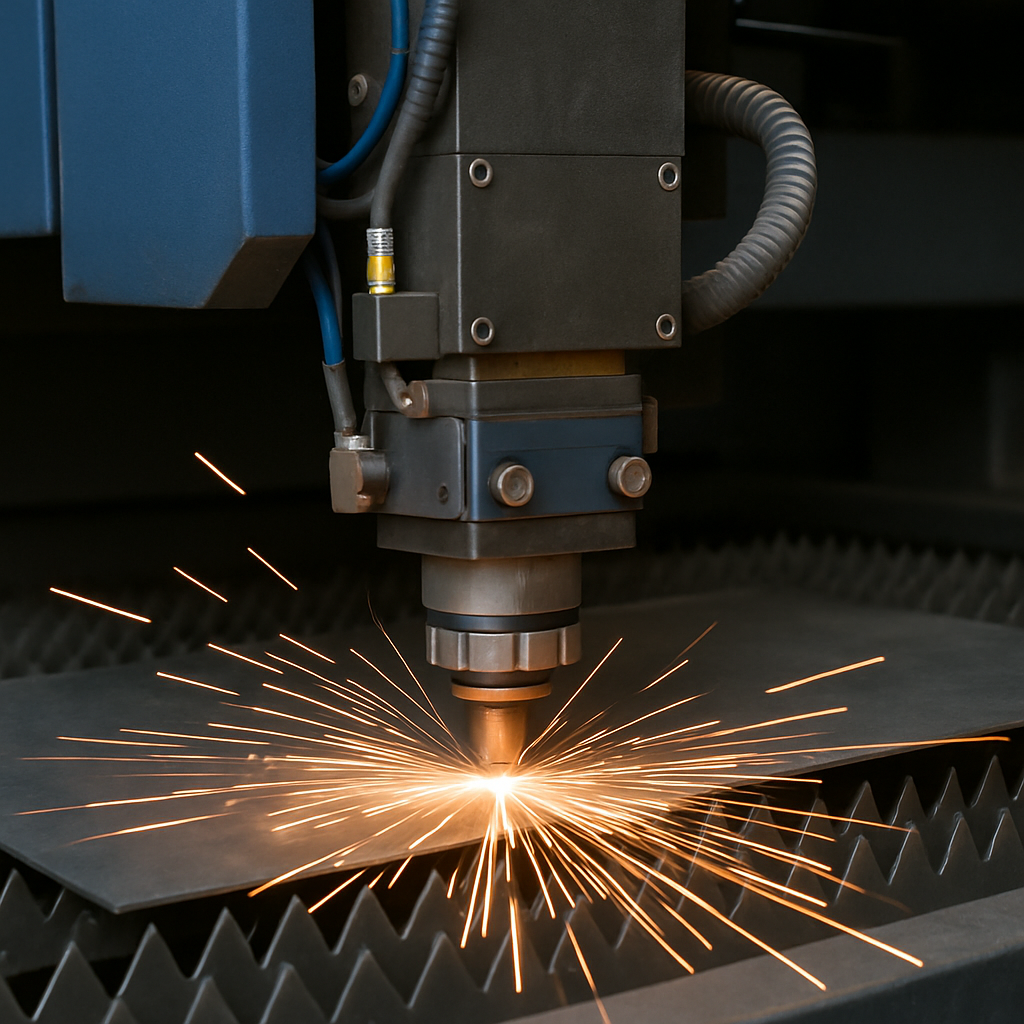
Laser cutting is a technology that uses a laser to slice through materials. It involves focusing a high-powered laser beam onto the surface of the material, which melts, burns, or vaporizes the target area, leaving an edge with a high-quality surface finish. This process is widely used in various industries, from automotive manufacturing to electronics.
The Role of Assist Gases in Laser Cutting
Assist gases are crucial in laser cutting. They help in the expulsion of molten material, protect the lens from splatter, and can influence the quality of the cut. Common assist gases include oxygen, nitrogen, and air. Each of these gases has distinct roles and effects on the cutting process.
Why Nitrogen is Used in Laser Cutting
Nitrogen is often used as an assist gas in laser cutting for several reasons:
- Inert Nature: Nitrogen does not react with the material being cut, which is particularly important when working with metals that could oxidize.
- Improved Edge Quality: Using nitrogen can produce a clean, oxide-free edge, which is desirable for applications where aesthetics and precision are important.
- Cooling Effect: Nitrogen helps cool the material, reducing the risk of warping or distortion.
The Importance of Nitrogen Purity
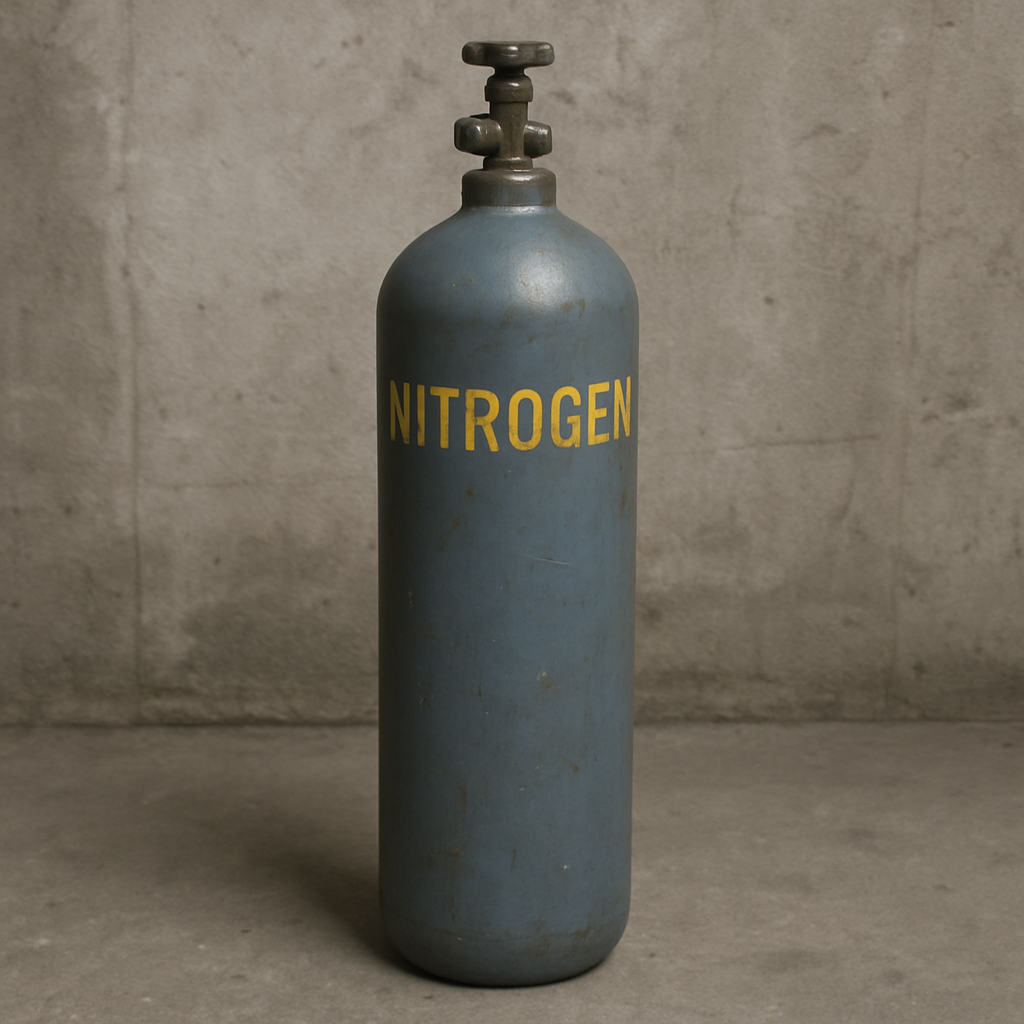
The purity of nitrogen used in laser cutting can have a significant impact on the quality of the cut. High-purity nitrogen leads to better results, while lower purity can introduce impurities and defects.
How Purity Affects Cut Quality
- Edge Cleanliness: High-purity nitrogen results in cleaner cuts with minimal burrs. Impurities in the gas can cause rough edges and additional finishing work.
- Oxidation Prevention: Pure nitrogen prevents oxidation during the cutting process, preserving the color and integrity of the material’s edge. Lower purity levels might allow oxygen traces, leading to discolored and oxidized edges.
- Consistent Quality: Using nitrogen with consistent purity ensures that each cut is identical in quality, reducing variability in production processes.
Purity Levels and Their Implications
- 99.99% Purity: This is considered high-purity nitrogen and is ideal for achieving the best laser cut quality. It’s typically used for cutting stainless steel and other high-value materials.
- 99.95% Purity: Slightly lower in purity, this level is still suitable for many applications but might not achieve the same level of perfection as 99.99%.
- Below 99.95%: Using nitrogen with purity below this level can compromise the cut quality and lead to increased post-processing work.
How to Ensure High Nitrogen Purity
 by Pavel Keyzik (https://unsplash.com/@pavelkeyzik)
To maintain the highest quality in laser cutting, it is crucial to ensure the nitrogen gas you use is of the appropriate purity. Here are some steps to consider:
Source High-Quality Nitrogen
Work with reputable suppliers who can guarantee the purity of nitrogen gas. Ensure they provide documentation or certification of the gas purity levels, so you know exactly what you’re getting.
Use Proper Storage and Handling
Improper storage and handling can introduce contaminants into your nitrogen supply. Use appropriate gas storage tanks and ensure they are sealed correctly to prevent contamination.
Regularly Test Gas Purity
Invest in a nitrogen purity analyzer to regularly test the gas before use. This can help you detect any drop in purity levels before it affects your cutting processes.
Maintain Equipment
Ensure that all equipment used in the laser cutting process is well-maintained. Leaks or malfunctions can introduce impurities into the system, affecting the overall gas purity.
Real-World Impacts of Nitrogen Purity on Laser Cutting
High nitrogen purity is not just a technical specification; it has real-world implications for manufacturing and production. Here are a few examples:
Automotive Industry
In the automotive industry, precision and quality are crucial. High-purity nitrogen ensures that components cut from metals like stainless steel have clean edges without oxidation, which is vital for both aesthetic and functional purposes.
Electronics Manufacturing
For electronics, where small parts and intricate designs are common, maintaining high cut quality is essential. Nitrogen purity helps achieve the precision needed for cutting delicate components without damaging them.
Aerospace Applications
In aerospace, where material integrity and precision are non-negotiable, using high-purity nitrogen in laser cutting ensures that components meet rigorous safety and performance standards.
Conclusion
Nitrogen purity plays a pivotal role in determining the quality of laser cuts in industrial applications. By ensuring that the nitrogen used in your processes is of the highest purity, you can achieve cleaner cuts, prevent oxidation, and maintain consistent quality across your production runs. Investing in high-purity nitrogen and proper handling practices is an investment in the overall quality and efficiency of your operations.
Understanding and controlling nitrogen purity is essential for anyone involved in industrial laser cutting. By focusing on this critical aspect, you can enhance your production capabilities and produce superior results.