In today’s fast-paced world, the electronics industry faces mounting pressure to adopt more sustainable practices. Environmental, Social, and Governance (ESG) goals are becoming increasingly important, not just for corporate responsibility but also for maintaining a competitive edge. One innovative solution aiding this transition is the implementation of on-site nitrogen generation. In this article, we will explore how on-site nitrogen can help the electronics industry meet its ESG goals, focusing on sustainability and efficiency.
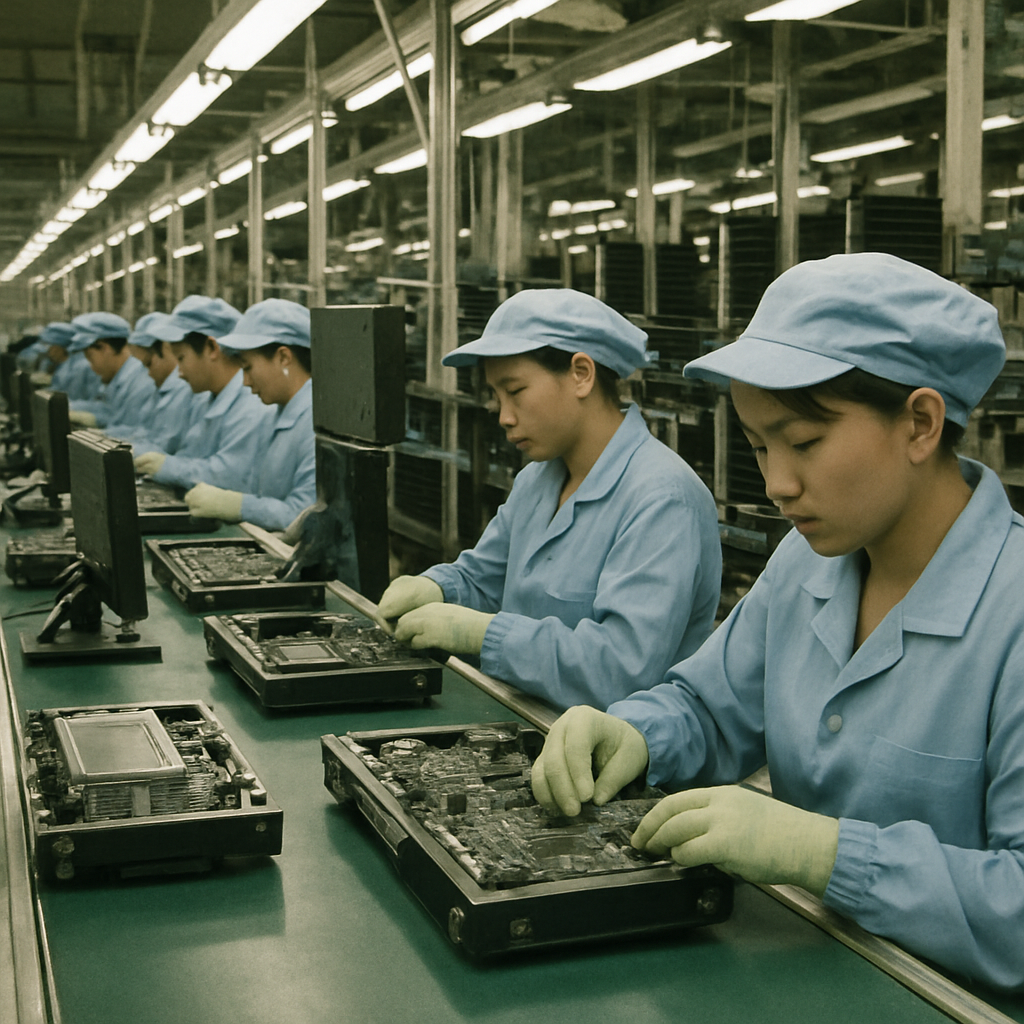
ESG goals are a set of standards for a company’s operations that socially conscious investors use to screen potential investments. In the electronics sector, these goals emphasize reducing environmental impact, improving social welfare, and ensuring robust governance practices. Achieving these objectives can enhance a company’s reputation, attract investors, and meet regulatory requirements.
The Importance of Sustainable Electronics
Sustainable electronics is about designing, manufacturing, and disposing of electronic devices in ways that minimize environmental harm. This includes reducing energy consumption, minimizing waste, and using environmentally friendly materials. As consumers and businesses alike become more environmentally conscious, the demand for sustainable electronics grows.
The Role of Nitrogen in Electronics Manufacturing
Nitrogen is an essential component in many electronics manufacturing processes. It is used to create inert environments that prevent oxidation and contamination during production. Traditionally, nitrogen is supplied in liquid or gaseous form via bulk deliveries, which can be costly and environmentally taxing.
On-Site Nitrogen Generation
On-site nitrogen generation involves producing nitrogen gas at the point of use, typically through Pressure Swing Adsorption (PSA) or Membrane technology. This method eliminates the need for transportation and reduces the carbon footprint associated with traditional nitrogen supply chains.
Benefits of On-Site Nitrogen for ESG Goals

On-site nitrogen generation offers several benefits that align with ESG goals in the electronics industry.
Environmental Benefits
- Reduced Carbon Footprint: By eliminating the need to transport nitrogen, on-site generation significantly cuts down on greenhouse gas emissions. This directly supports the environmental aspect of ESG goals.
- Energy Efficiency: On-site generators can be optimized to produce only the amount of nitrogen needed, reducing energy waste. This efficiency aligns with sustainable electronics practices.
- Waste Reduction: On-site generation reduces the need for nitrogen storage tanks and associated waste, such as evaporated gases and excess packaging materials.
Social Benefits
- Job Creation: Implementing on-site nitrogen systems can create jobs related to the installation, maintenance, and operation of these systems, contributing to social welfare.
- Health and Safety Improvements: On-site nitrogen reduces the risks associated with handling and transporting compressed gas cylinders, leading to safer working conditions.
Governance Benefits
- Compliance and Reporting: On-site nitrogen systems can be integrated with monitoring tools to ensure compliance with environmental regulations and facilitate accurate ESG reporting.
- Risk Management: By having a self-sufficient nitrogen supply, companies can mitigate supply chain disruptions and enhance operational resilience.
Case Studies: Success Stories in the Electronics Industry
Company A: Leading the Way in Sustainable Electronics
Company A, a major player in the electronics sector, implemented on-site nitrogen generation to support its ESG goals. The company reported a 30% reduction in its carbon footprint and significant cost savings. This move not only improved their sustainability metrics but also enhanced their market reputation.
Company B: Enhancing Efficiency and Safety
Company B adopted on-site nitrogen generation to replace bulk deliveries. This transition resulted in improved workplace safety and reduced nitrogen waste, aligning with their ESG objectives. The company also benefited from increased operational efficiency, contributing to their bottom line.
Implementing On-Site Nitrogen: Steps for Success
 by Joe Mayami (https://unsplash.com/@joemayami)
To successfully implement on-site nitrogen generation and meet ESG goals, companies should consider the following steps:
- Assess Needs: Evaluate your current nitrogen usage and identify areas where on-site generation can improve efficiency and sustainability.
- Choose the Right Technology: Select the appropriate technology (PSA or Membrane) based on your specific requirements and environmental goals.
- Partner with Experts: Work with experienced providers who can offer tailored solutions and support throughout the implementation process.
- Monitor and Optimize: Continuously monitor the system’s performance and make necessary adjustments to maximize benefits and achieve ESG targets.
Overcoming Challenges
Implementing on-site nitrogen generation may present challenges such as initial costs and technical complexities. However, the long-term benefits, including cost savings and enhanced ESG performance, often outweigh these hurdles. Companies can overcome these challenges by investing in employee training and choosing reliable technology partners.
Conclusion
On-site nitrogen generation presents a compelling opportunity for the electronics industry to meet its ESG goals. By reducing environmental impact, enhancing social welfare, and improving governance practices, this innovative approach aligns with the growing demand for sustainable electronics. As the industry continues to evolve, on-site nitrogen will play a crucial role in shaping a more sustainable future.
By embracing on-site nitrogen generation, electronics companies can not only achieve their ESG objectives but also gain a competitive advantage in a market increasingly focused on sustainability. As we move forward, it is clear that the integration of on-site nitrogen is not just a smart business decision but a necessary step towards a greener future.